The Darwin Cordillera represents one of the last wild frontiers of our planet, a mountain range of striking beauty yet formidable hostility, located at the far southwestern tip of Chilean Tierra del Fuego.
On 12 February 1834, Captain Robert FitzRoy names a mountain range at the southwestern tip of Chilean Tierra del Fuego in honour of Charles Darwin's 25th birthday. Darwin himself never sets foot there. He observes it from the deck of HMS Beagle, through the Beagle Channel, and senses — correctly — that it will resist exploration for a very long time.
Until 2011, when six French military alpinists completed its first integral crossing, the Darwin Cordillera remained one of the last "white rectangles" on world maps.
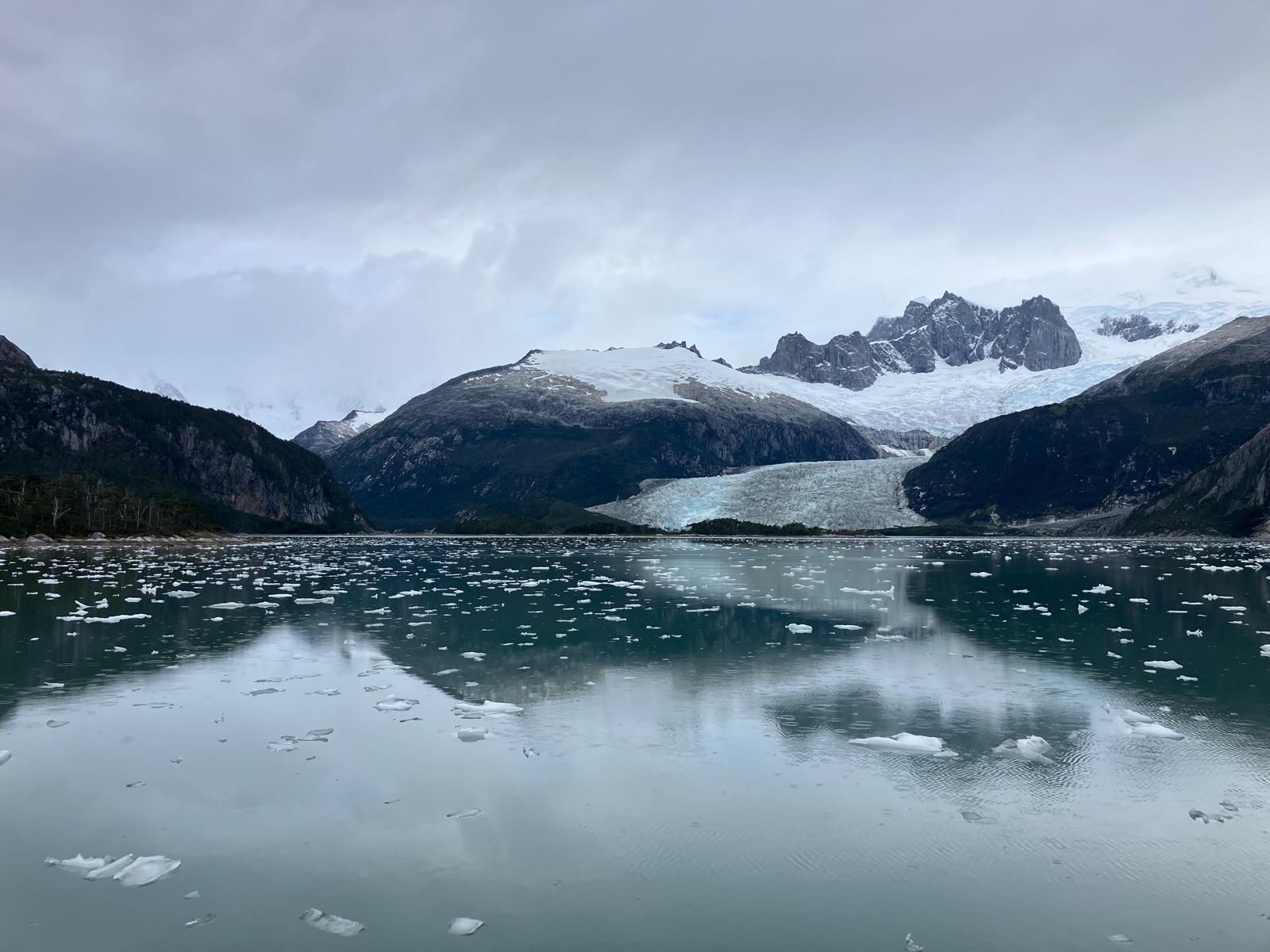
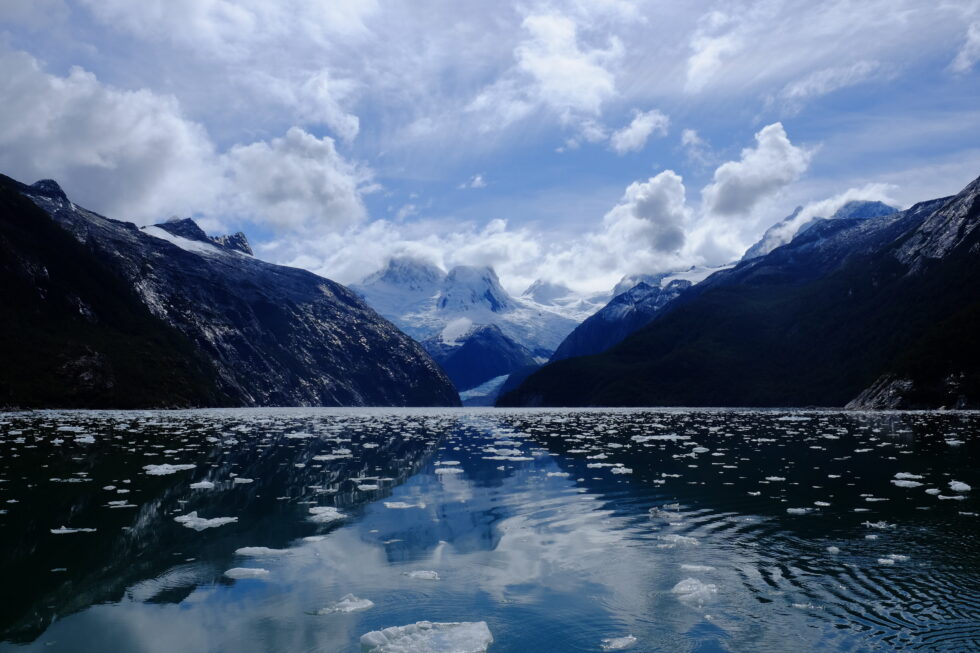
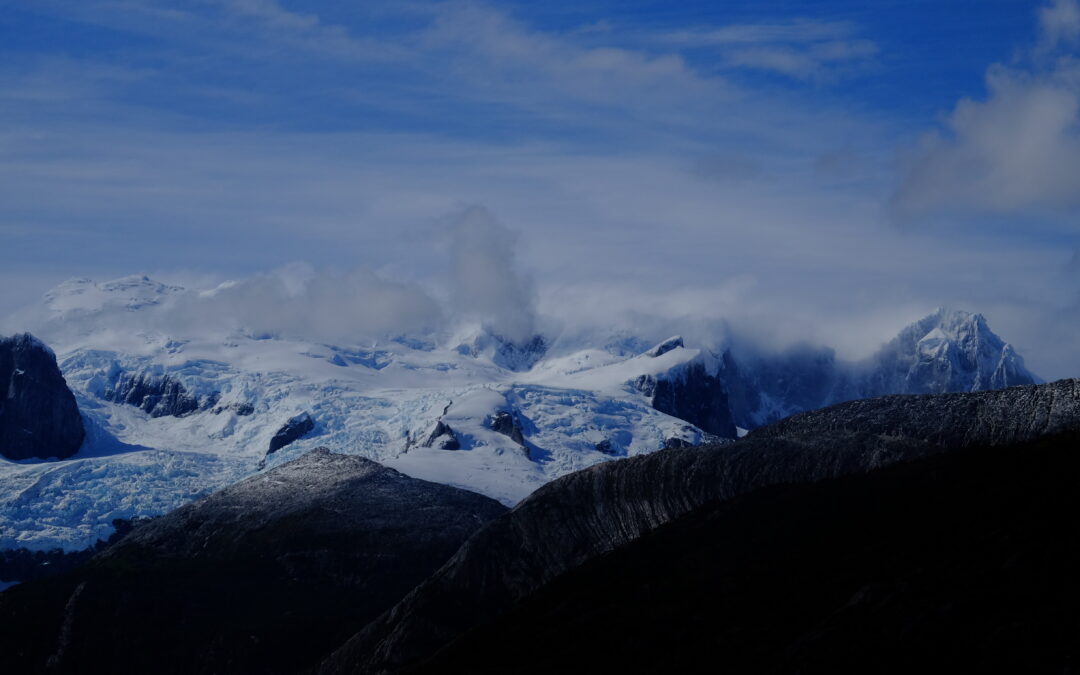
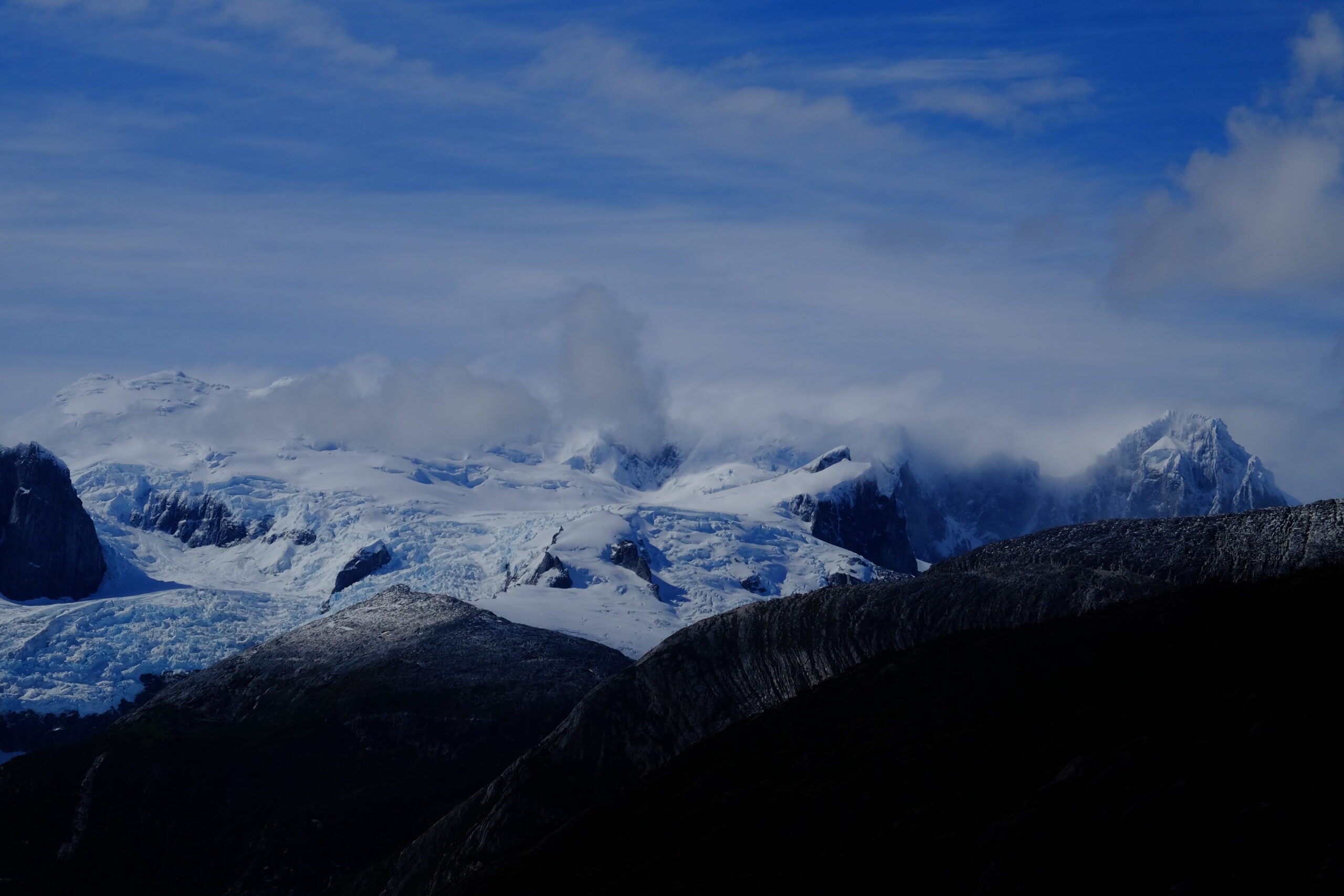
A glacier view in Pia fjord, Darwin cordillera, during a sailing expedition in the patagonian channels (February 2025)
1. Geography and geology
The cordillera extends 170 km west to east and 60 km north to south, between 54°15' and 54°50' south latitude. It is surrounded by water on three sides: the Almirantazgo Canal to the north, the Beagle Channel to the south, the Cockburn Canal to the west. Only its eastern edge, near the Argentine–Chilean border, remains connected to land.
Its highest point is Mount Shipton (2,469 m) — not Mount Darwin (2,438 m), a confusion that persisted for decades following Eric Shipton's 1961 expedition. The ice field covers 2,300 km², equivalent to the combined area of all Alpine glaciers, making it Chile's third-largest freshwater reserve after the Northern and Southern Patagonian Ice Fields.
The massif is built around a high-grade metamorphic complex — kyanite and sillimanite schists formed during the closure of the Rocas Verdes basin in the Cretaceous. These minerals signal extreme pressures and temperatures in the crust, making this the only ensemble of its kind in the southern Andes. The opening of the Drake Passage 45 million years ago subsequently shifted the local tectonic regime to transpressive.
Among the dozens of glaciers in the massif, the Marinelli Glacier is the most studied and most active. It stretches from the cordillera to Ainsworth Bay in the Almirantazgo Fjord. Between 1913 and 2011, its front retreated 15 km — one of the highest retreat rates documented globally for a glacier of this type.
The Darwin Cordillera constitutes a natural laboratory for studying ocean–atmosphere–cryosphere interactions at southern high latitudes. Field data feed directly into global climate models.
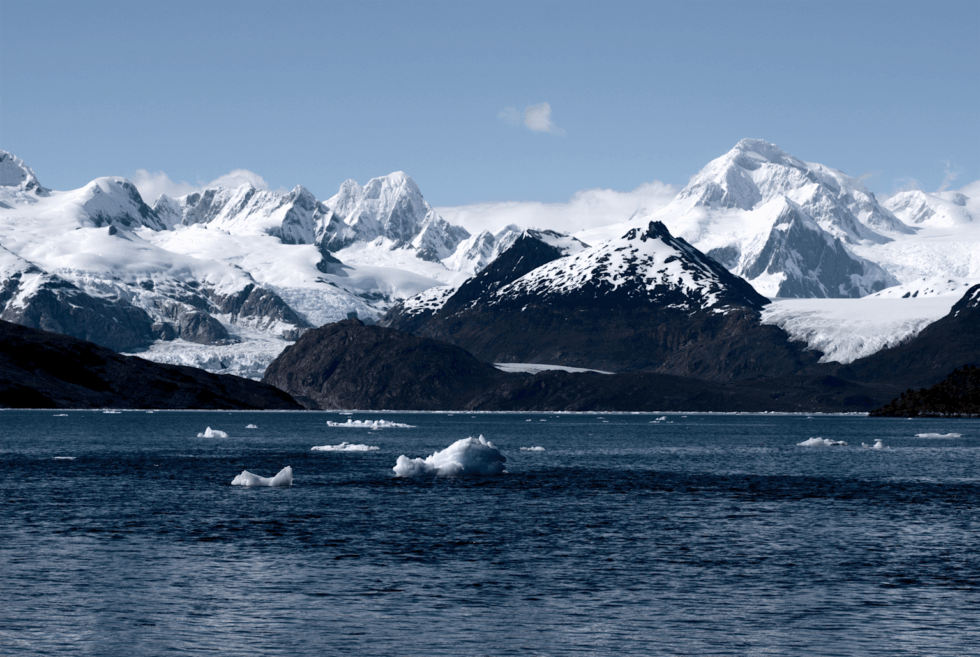
Panoramic view of Marinelli Glacier with snow-capped peaks and growlers (Darwin Cordillera, wikipedia)
Extreme climate: the Roaring Fifties
Westerly winds are constant. In the Roaring Fifties, their average annual speed reaches 70 km/h. Williwaws — katabatic gusts tumbling down slopes without warning, a Kawésqar word — can exceed 250 km/h. Annual precipitation exceeds 3,000 mm, mostly as snow at altitude. Visibility collapses in minutes.
FitzRoy called these conditions a "wicked divinity." One hundred and fifty years of failed exploration attempts proved him right.
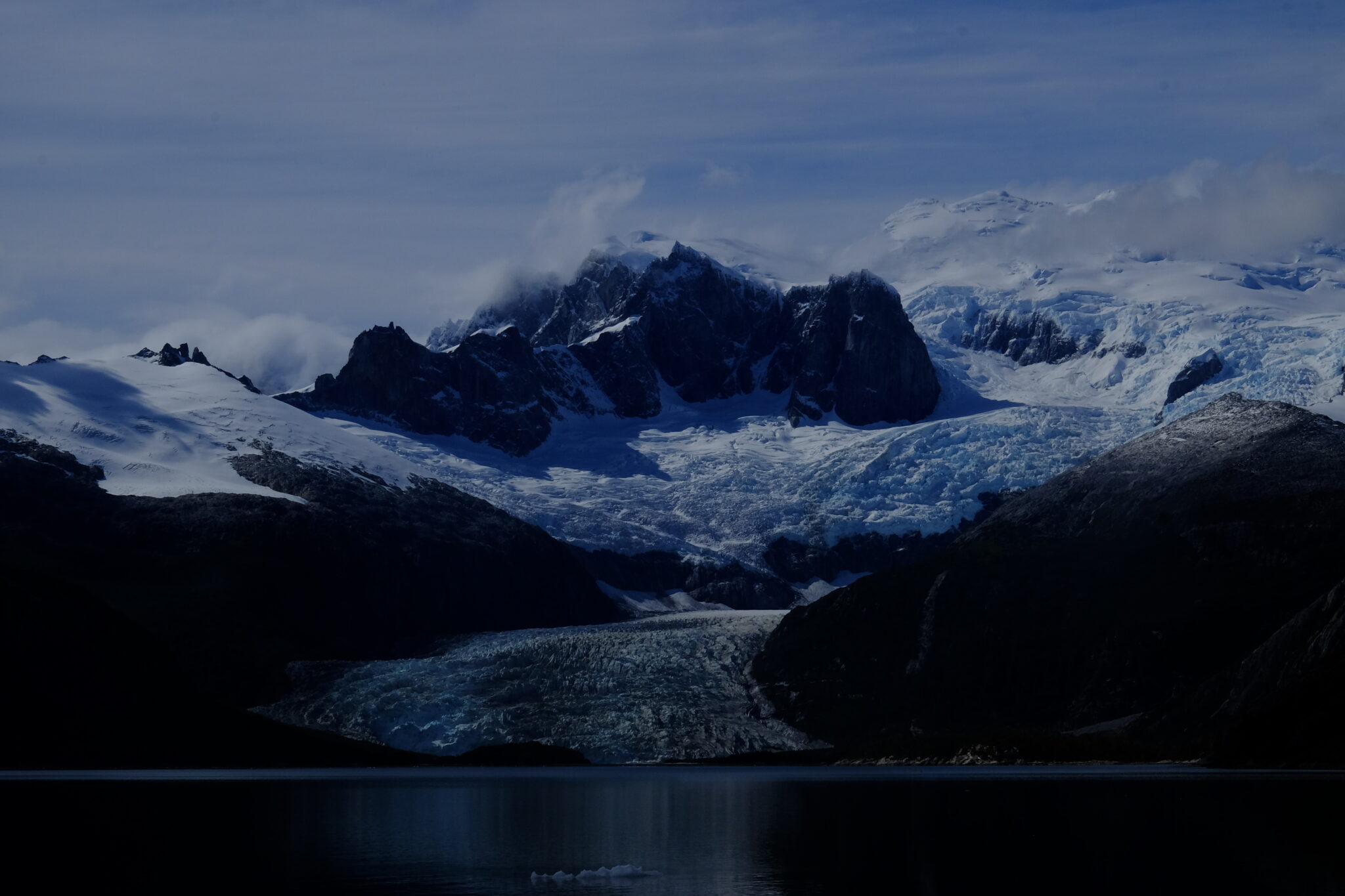
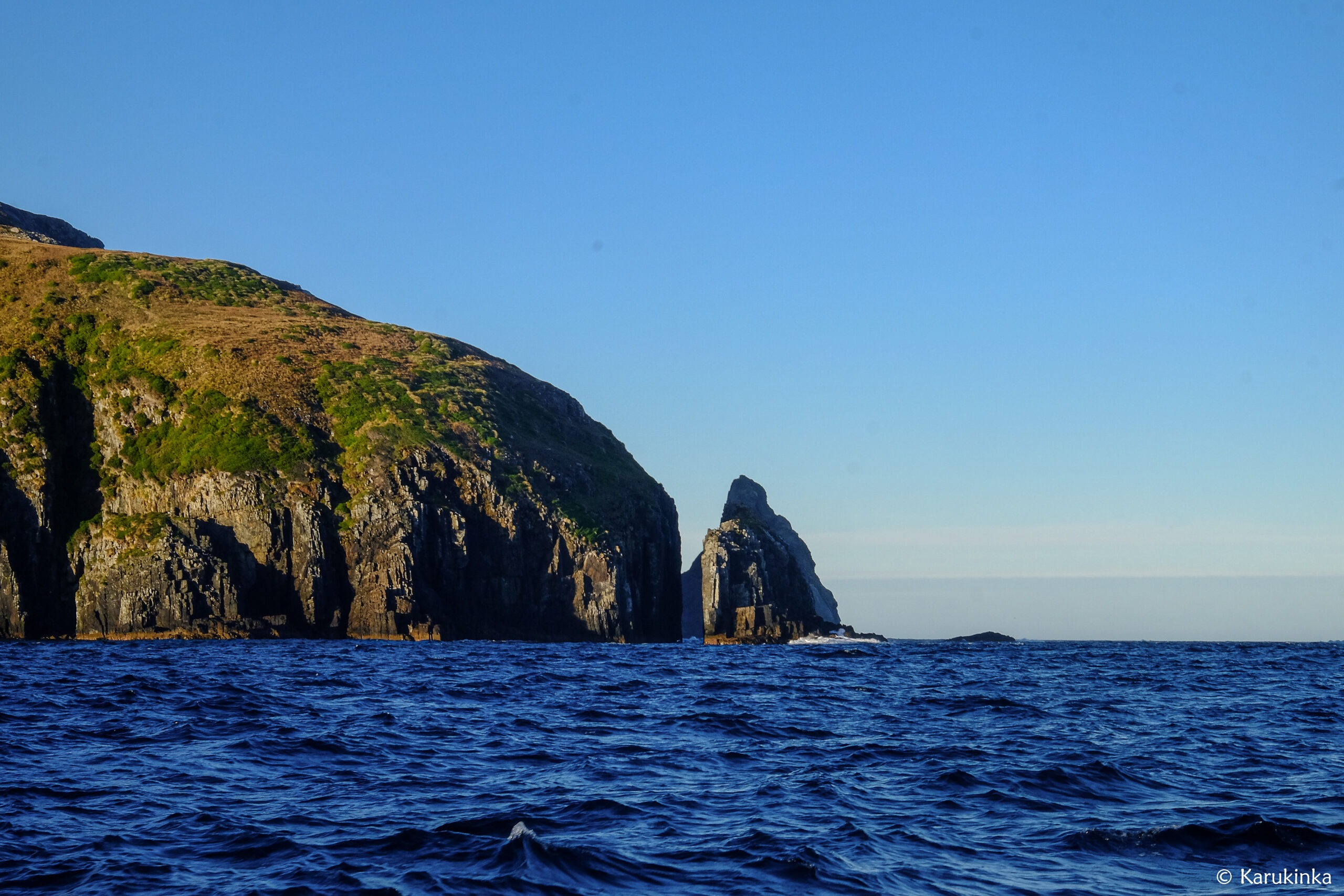
One of the patagonian glaciers of the Cordillera Darwin during a sailing expedition in the channels (Karukinka Association, Chile, 2025)
Average temperature varies between 0 and 5°C during the cold season (southern winter) and between 5 and 10°C during the warm season (southern summer). These relatively slight thermal variations reflect the moderating influence of the ocean, but mask the constant cooling effect of wind that considerably lowers the perceived temperature.
4. Biodiversity
Fauna. Nutrient-rich fjord waters support humpback and southern right whales. Sea lions, elephant seals and leopard seals frequent the rocky coasts. Over 90 bird species have been recorded, including the Andean condor (wingspan up to 3 m) and, remarkably, the only colony of king penguins (Aptenodytes patagonicus) located outside Antarctica and the subantarctic islands.
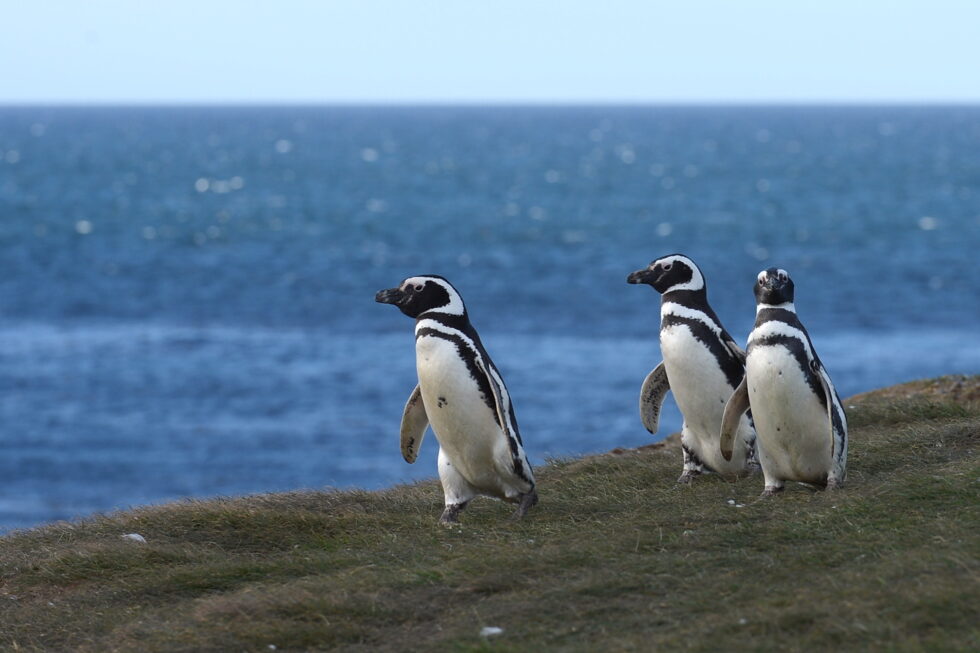
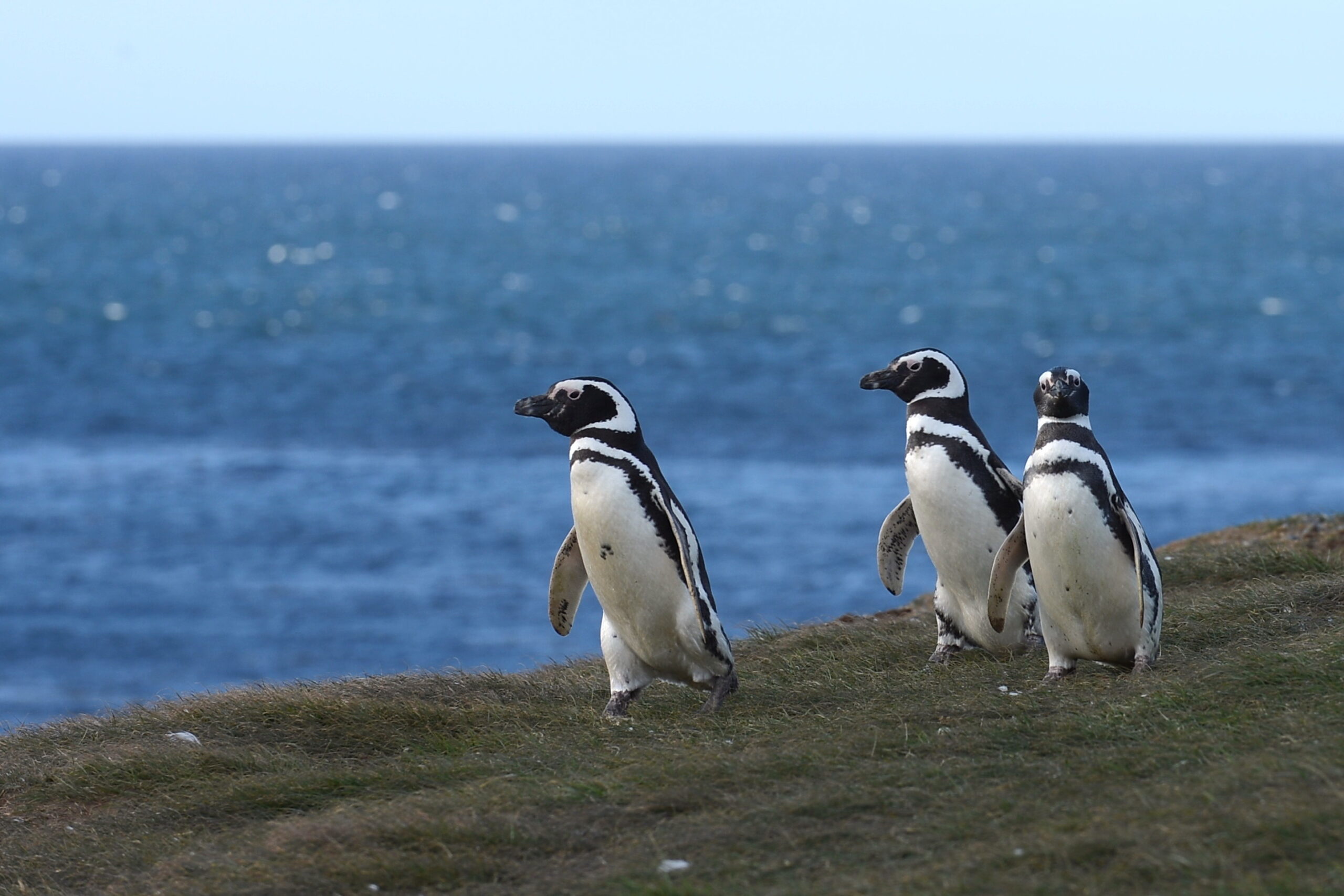
Small group of Magellanic penguins (pingüinos) in insular Patagonia
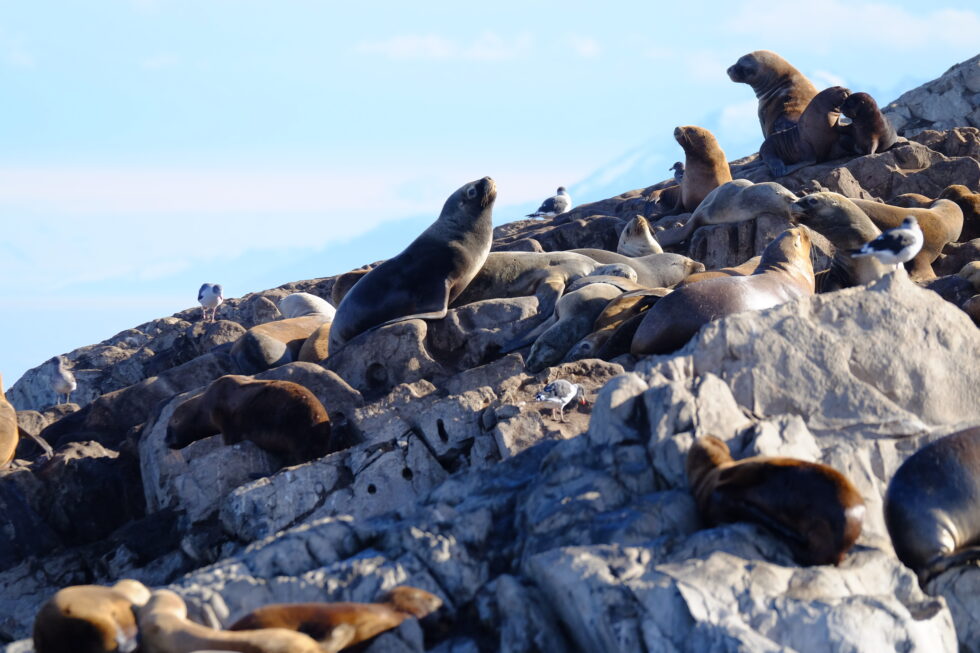
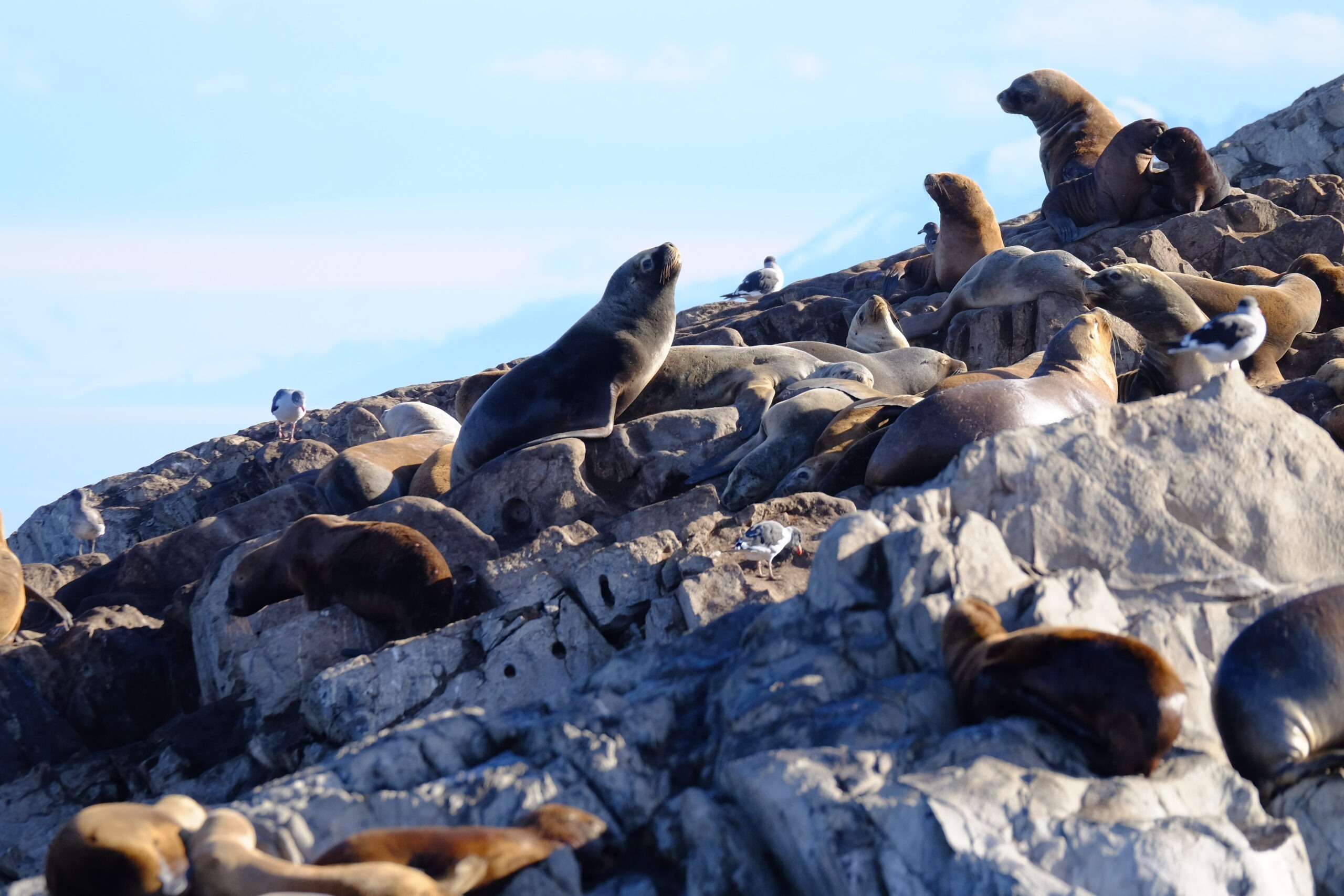
Colony of fur sea lions in the Beagle Channel (Karukinka sailing expedition 2025)
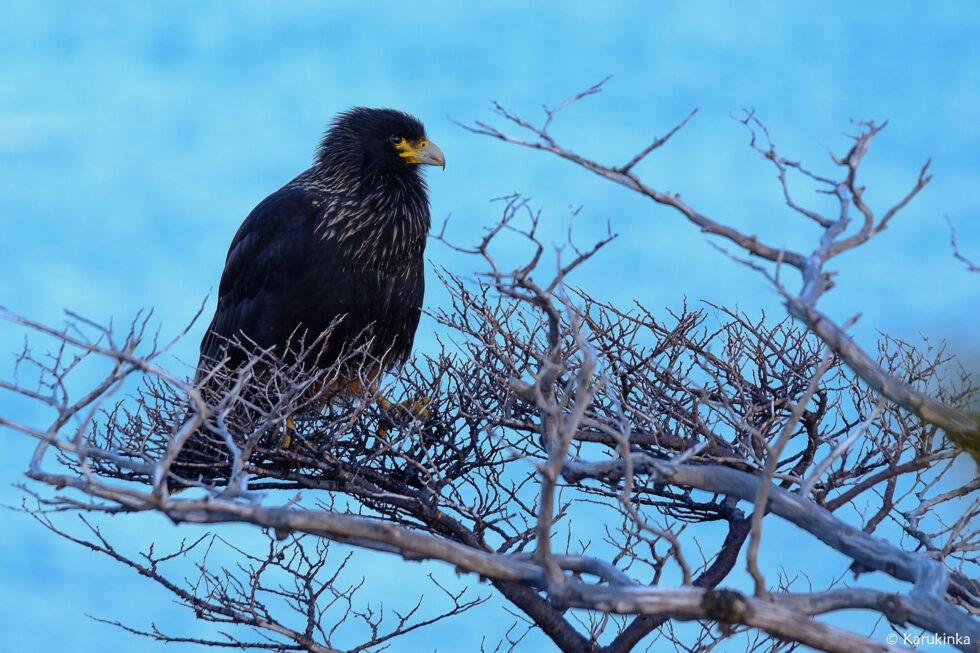
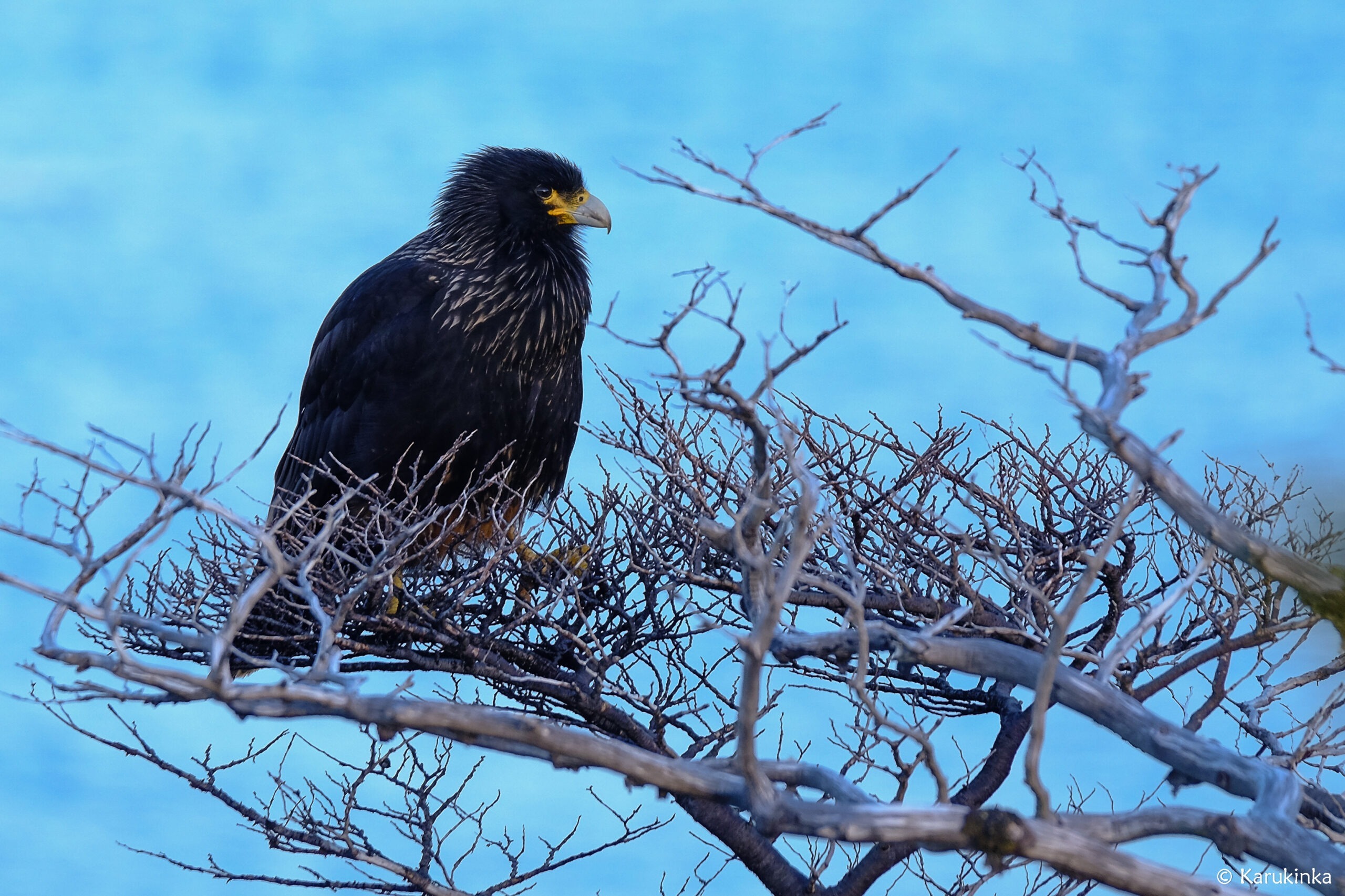
A black Carancho (Reserve of Cape Horn, April 10, 2025, during a sailing expedition at Cape Horn and in the Patagonian channels)
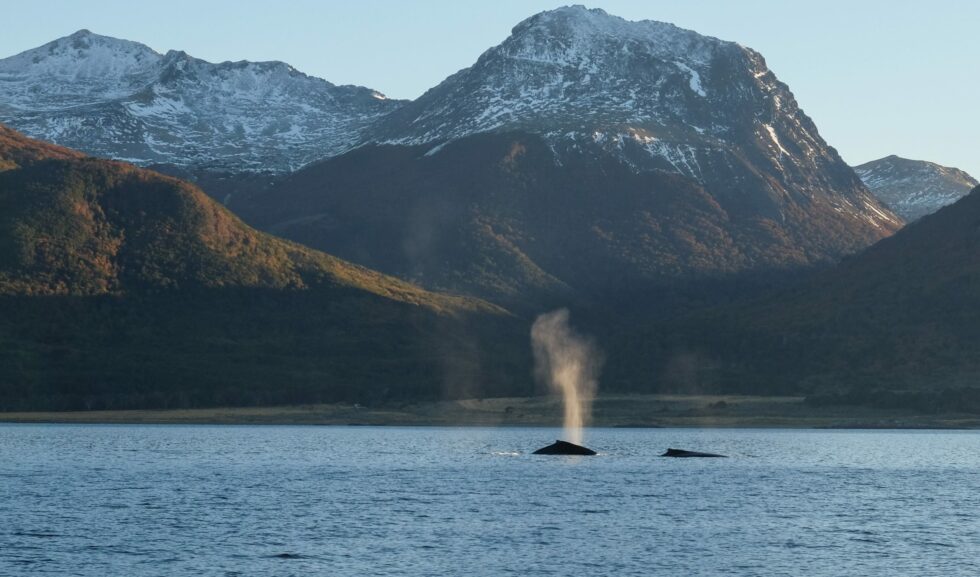
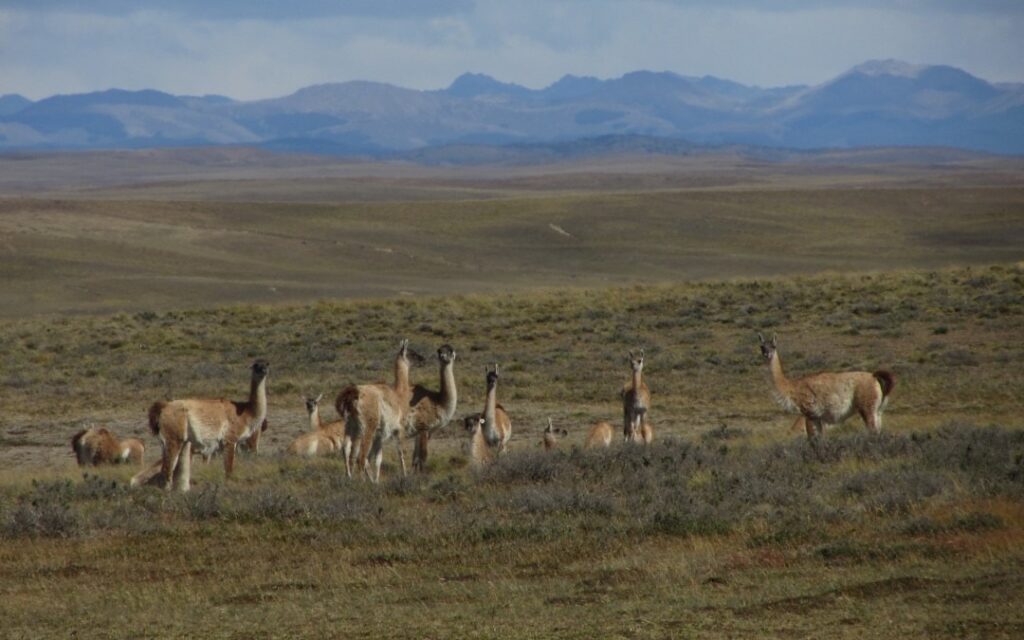
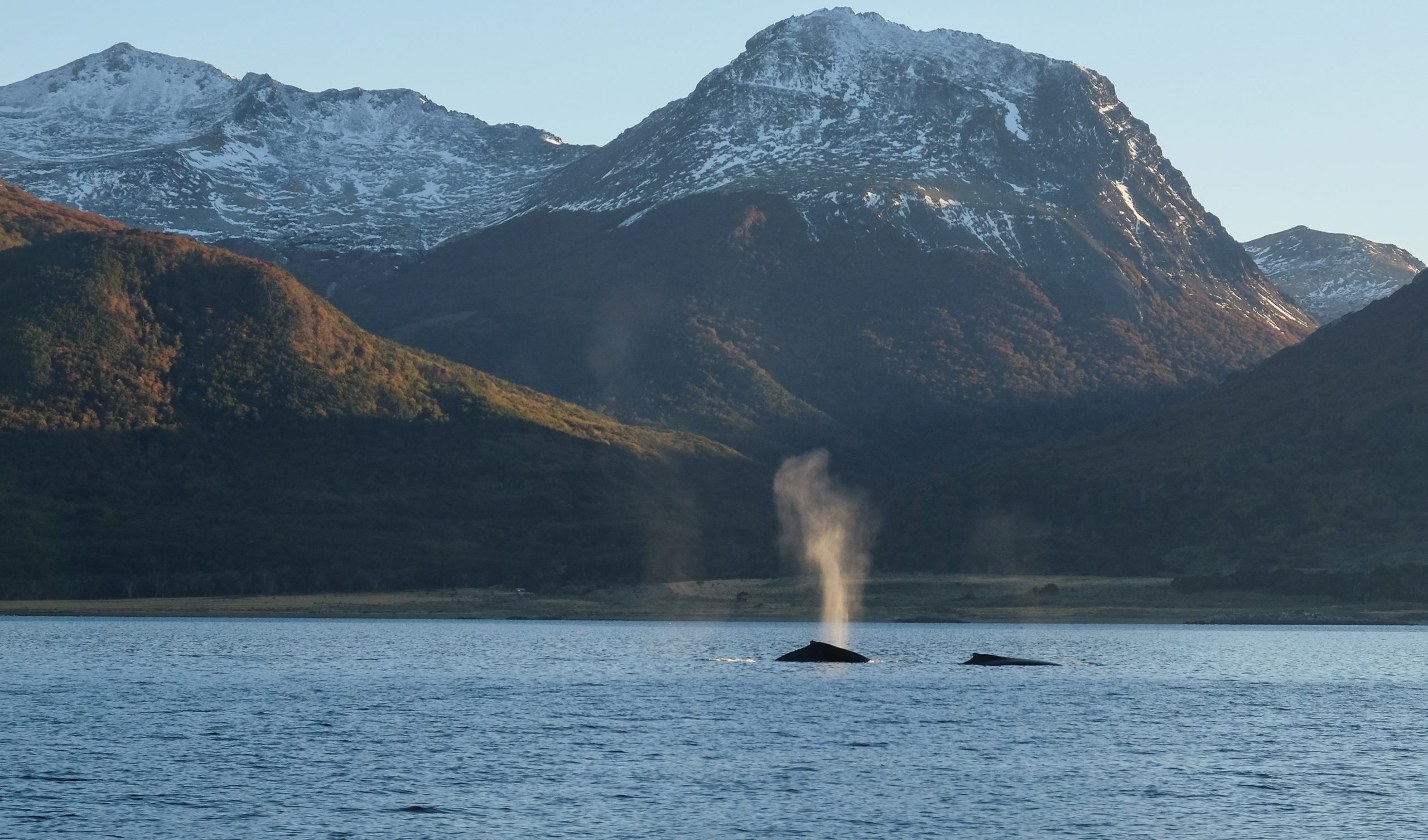
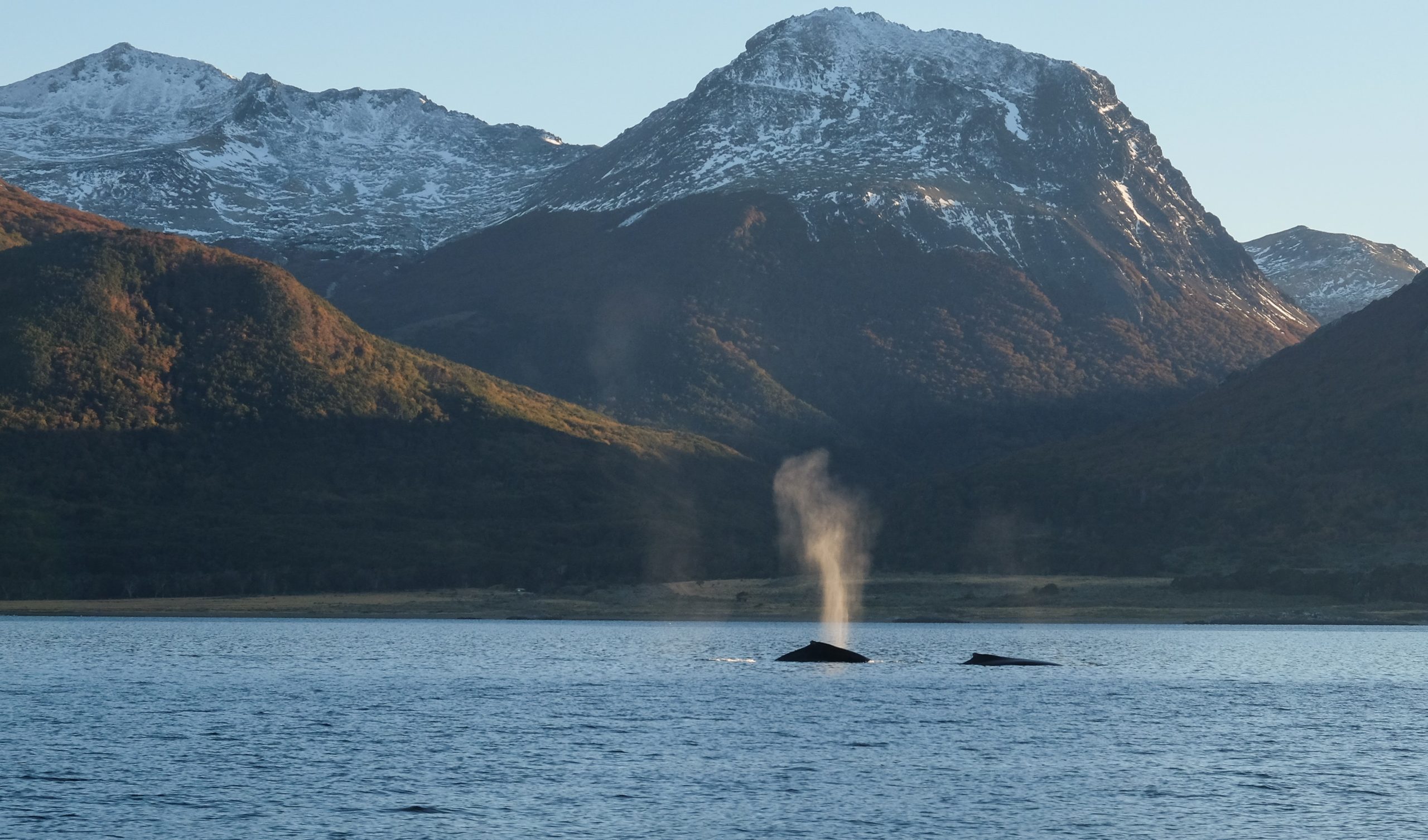
Two southern right whales in the Beagle Channel (2018)Herd of guanacos (Lama guanicoe) during an expedition of the Karukinka association in Tierra del Fuego (2018)
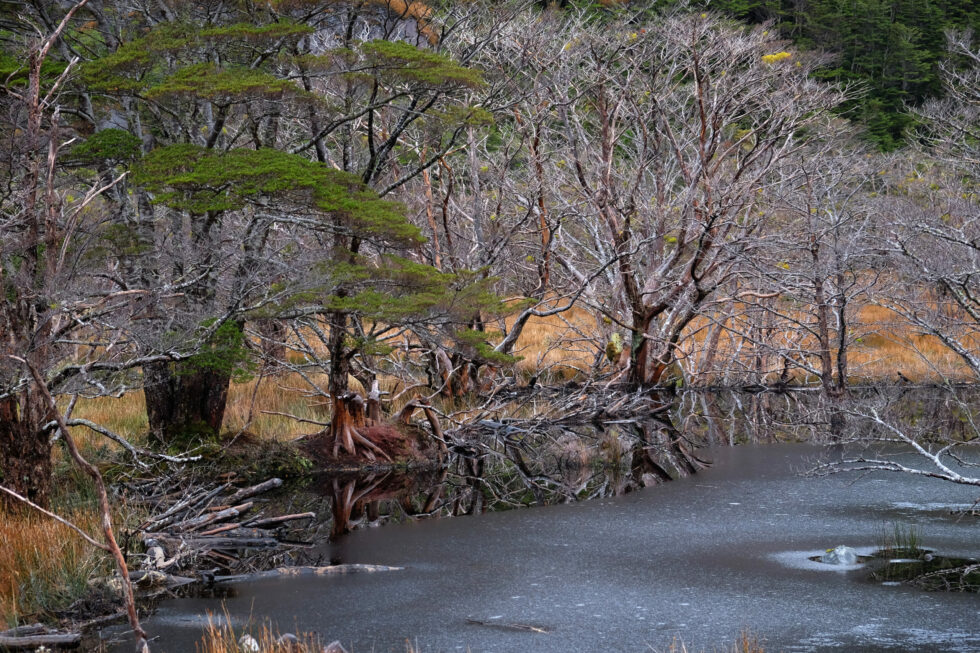
On land, the guanaco (Lama guanicoe) roams the least exposed zones. Canadian beavers, introduced in the 1940s, have colonised tens of thousands of hectares, their dams altering watercourse hydrology and threatening Nothofagus forest integrity.
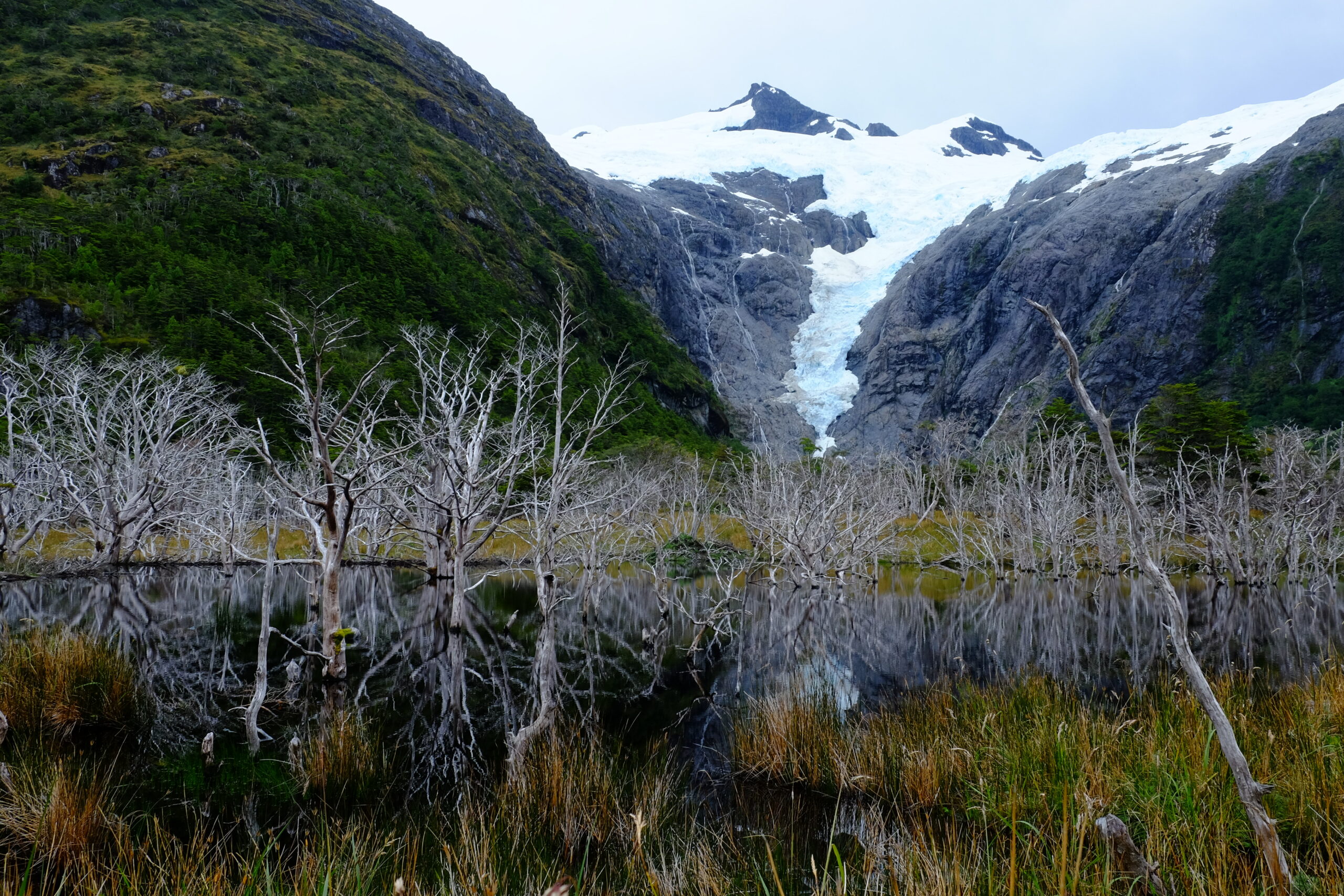
Beaver dam on Hoste Island (Cape Horn Biosphere Reserve, Chile, autumn-winter expedition 2018)
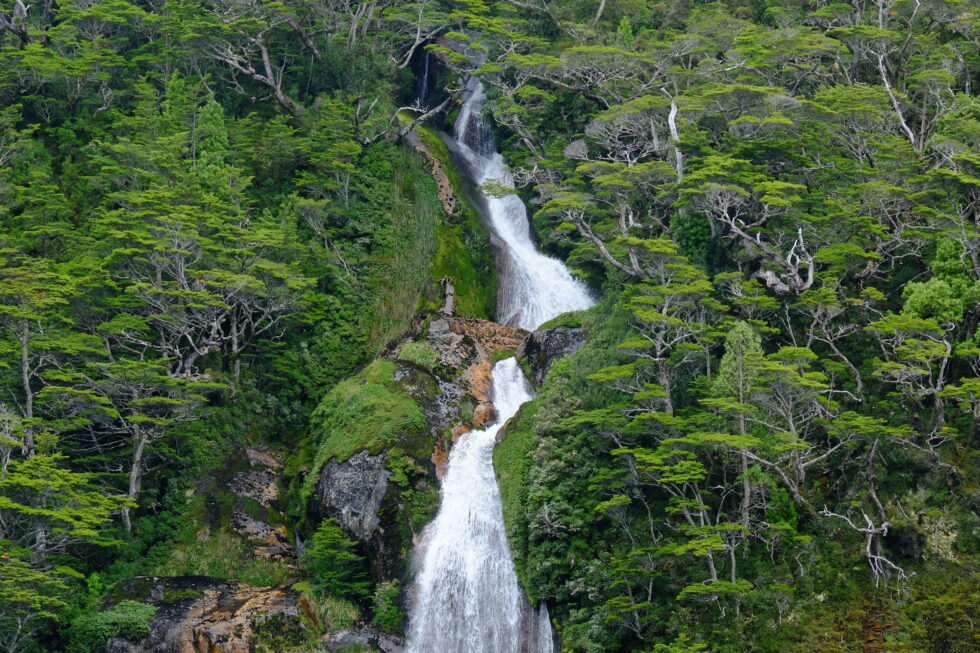
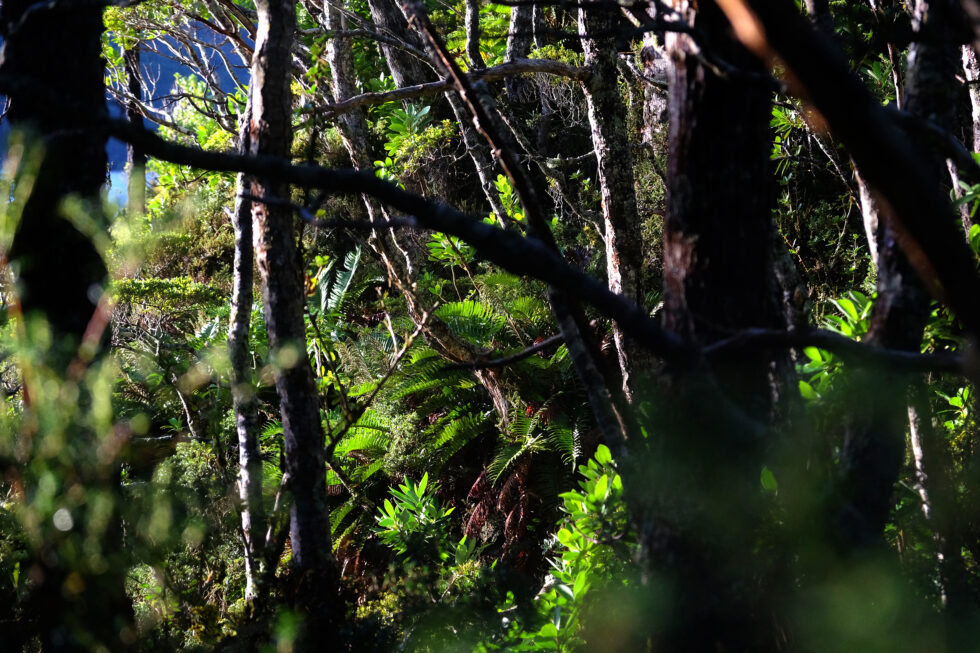
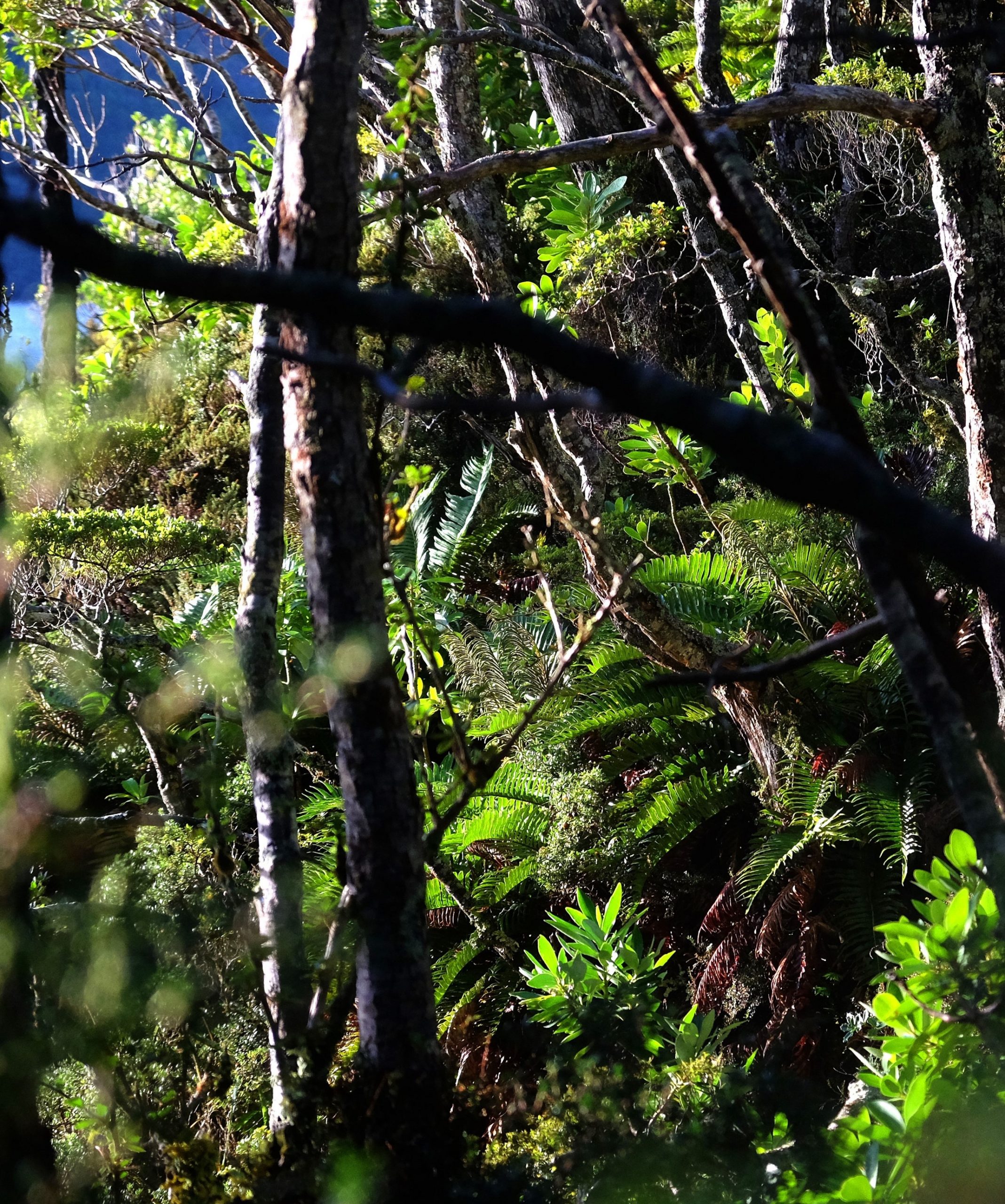
Magellanic forest photographed during a sailing expedition in Patagonia (Beagle Channel, Cape Horn Biosphere Reserve, Chile, 2025)
Vegetation of the Magellanic forest (Cape Horn Biosphere Reserve, 2018)
Vegetation. Lenga (N. pumilio) dominates up to 700 m altitude. Above that threshold, the same species grows as wind-sculpted dwarfs — same genetics, drastically reduced form. Higher still, Magellanic tundra takes over: mosses, lichens, Azorella, Bolax. Beneath the forest canopy, Drosera uniflora (a carnivorous plant) and several endemic orchid species signal the severe nutrient poverty of the soils.
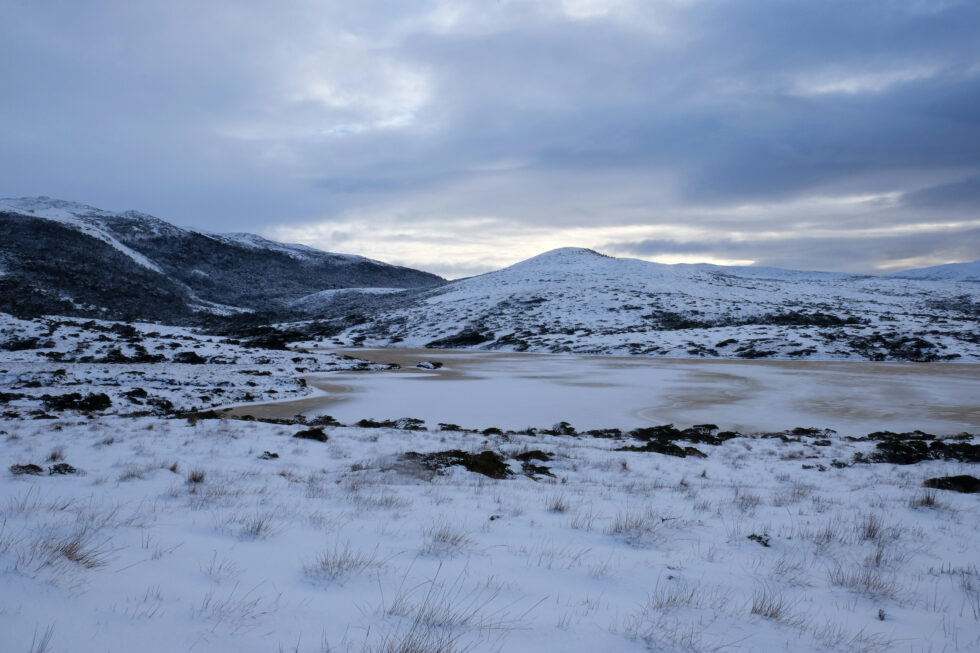
Tundra landscape in the Cape Horn Biosphere Reserve (winter expedition 2018)
A transition zone marks the boundary between the forest tier and the alpine tier, where vegetation consists principally of mosses and lichens capable of resisting desiccating winds and negative temperatures. This Magellanic tundra constitutes a unique ecosystem, harboring highly specialized plant species.
5. First explorers
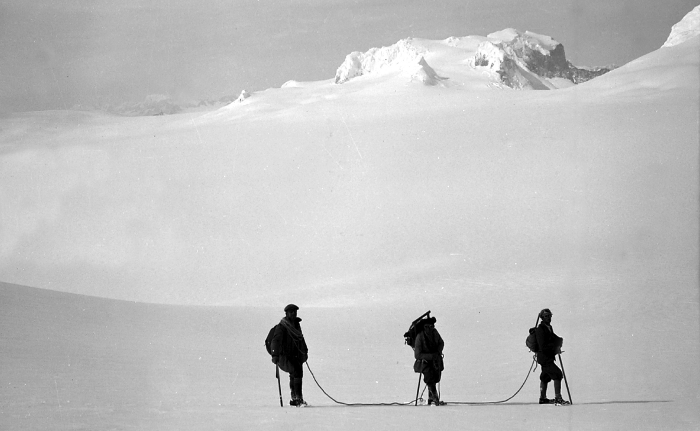
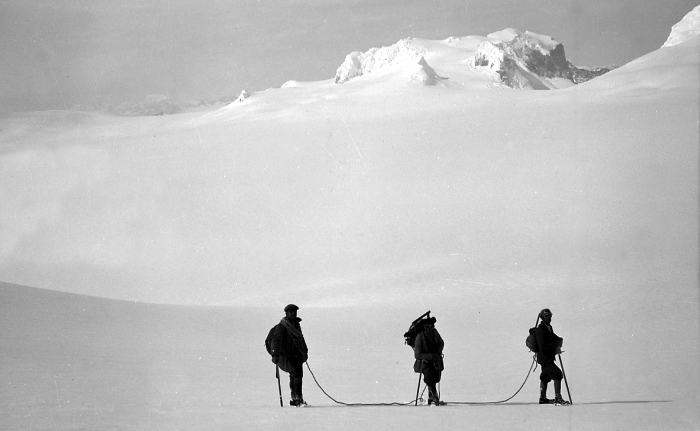
Father Alberto de Agostini, an Italian Salesian missionary, was the first to seriously penetrate the massif, between 1910 and 1960. His photographs — the first images of the cordillera's interior — and some twenty books on Patagonia constitute a foundational scientific and ethnographic heritage. The national park that protects the massif bears his name.
Alberto de Agostini and his climbing companions, pioneers of mountaineering in the Cordillera Darwin at the beginning of the 20th century.
In 1961, British alpinist Eric Shipton, with Chileans Eduardo García, Francisco Vivanco and Cedomir Marangunic, believed he had made the first ascent of Mount Darwin. The team had in fact climbed a higher summit to the north-west — the future Mount Shipton (2,469 m). The confusion was resolved in 1970 by a New Zealand expedition, whose proposed names were accepted by Chilean geographic authorities.
6. The GMHM first crossing (2011)
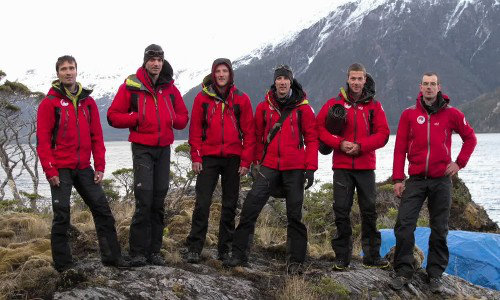
On 6 October 2011, six alpinists from the French Military High Mountain Group (GMHM) in Chamonix completed the first integral crossing of the Darwin Cordillera.
The team — Captain Lionel Albrieux (expedition leader), Lieutenant Didier Jourdain, Master Sergeant Sébastien Bohin, Staff Sergeant François Savary, Corporal Sébastien Ratel and civilian climber Dimitri Munoz — set off from the western slope on 6 September, fully self-sufficient, hauling 75 kg of equipment each on pulkas tested in Norway.
In 30 days they covered 150 km as the crow flies (250 actual km), with no reliable map since 1954. On the ridge facing Mount Darwin, a 5 km arête narrowed at times to 40 cm. Winds regularly reached 150 km/h. The team progressed at times on all fours, occasionally lying flat.
The documentary film On Darwin's Edge, made from footage shot by the team, was released on 30 October 2013.
7. Protection and challenges
Alberto de Agostini National Park, created on 22 January 1965 (Supreme Decree No. 80), covers 1,460,000 hectares — Chile's third-largest protected area. In 2005, it was incorporated into the UNESCO Cape Horn Biosphere Reserve, placing the cordillera among the planet's 24 most pristine ecoregions.
Three challenges dominate the conservation agenda: documented glacier retreat (Marinelli: –15 km over one century), the spread of Canadian beavers, and growing cruise ecotourism pressure toward the glaciers — which requires careful management, particularly around fragile, unenclosed Yagan archaeological sites on the coastline.
One of the many fjords of Alberto de Agostini National Park (sailing expedition, Patagonian Channels, Chile, 2025)
On 21 October 1520, five ships that had left Seville a year earlier entered an unknown channel. Thirty‑eight days later, they reached an ocean Europeans had never sailed before : the Strait of Magellan. Magellan named the passage Estrecho de Todos los Santos. Only after his death in the Philippines did Charles V give it the name it bears today.
The Selk’nam called it Hatitelen — or Atelili in other transcriptions. They lived on the southern shore of the strait for over ten thousand years. These names re‑emerge today through toponymic work carried out since 2017, drawing on nineteenth‑century French archives.
Table des matières
1. Geography
The strait links the Atlantic and Pacific Oceans over 570 kilometres, from Dungeness Point to the Evangelistas islets. Its width ranges from 2 kilometres at its narrowest constriction, near Carlos III Island, to 32 kilometres in its broadest sections. Depths vary from about 28 metres around Magdalena Island to more than 1,000 metres off Cooper Key.
This submarine relief is not random. Late Cretaceous fractures first opened corridors in the Earth’s crust. Pleistocene glaciers then deepened, widened and multiplied these channels. The result is the maze of fjords and passages that still defines Magellanic navigation today.
2. Navigation
Westerly winds dominate for much of the year. Williwaws — katabatic squalls that tumble down the slopes without warning, a Kawésqar word — can exceed 100 knots. Fog, heavy precipitation and visibility reduced to just a few cables make the strait a demanding passage.
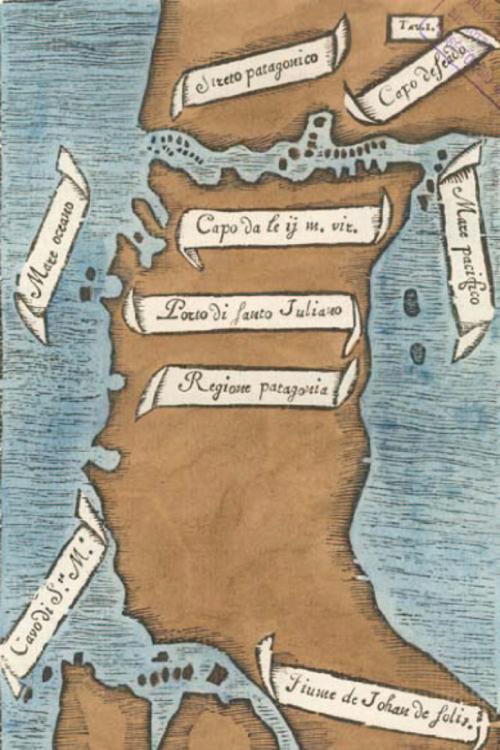
Antonio Pigafetta, chronicler of Magellan’s voyage, notes “very safe harbours, excellent water, wood, fish”. His account opened two centuries of gradual hydrographic work.
Map of the Strait by Antonio Pigafetta (Ferdinand Magellan expedition, 1520)
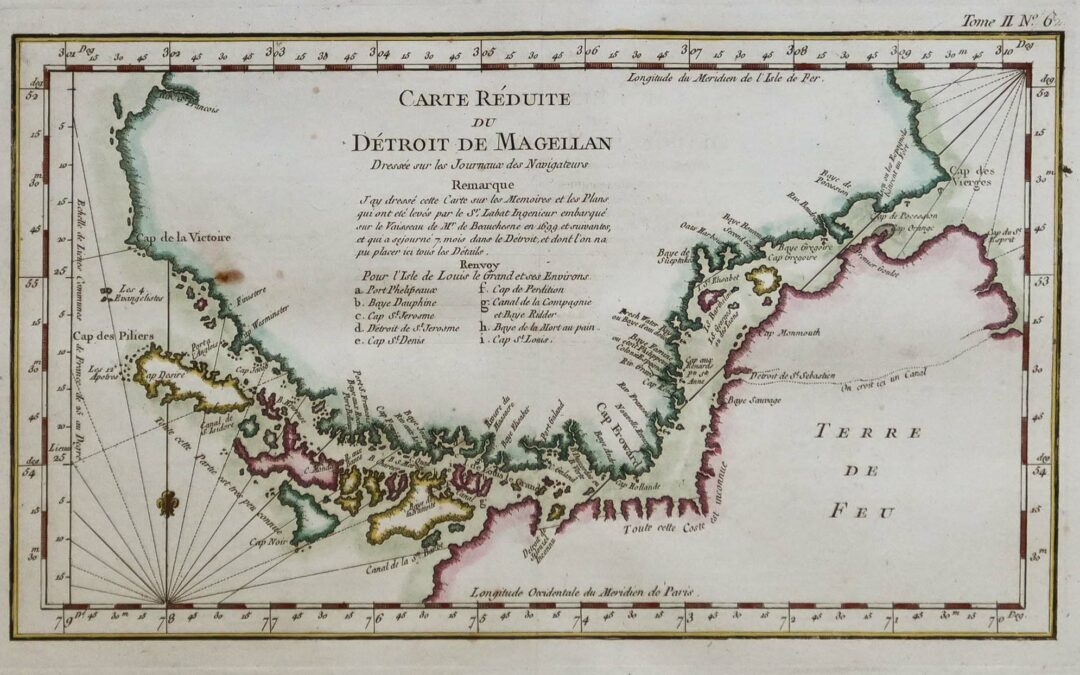
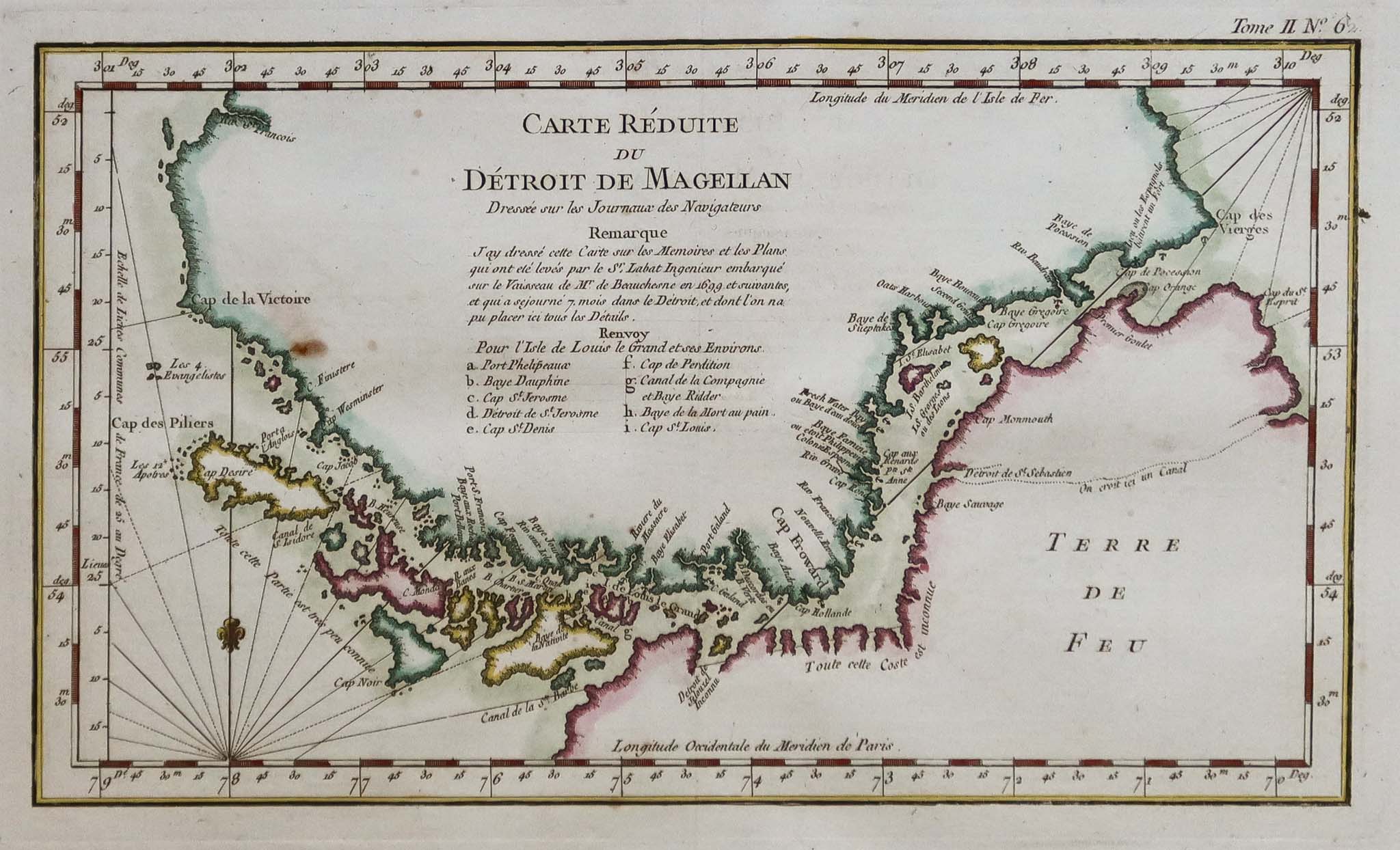
In 1698–1701, the expedition of Jacques Gouin de Beauchesne — commissioned by Louis XIV for the Royal South Sea Company and outfitted by Saint‑Malo shipowner Noël Danycan de L’Épine — produced the most accurate French document on Magellanic geography of its time. The manuscript was kept secret for years to protect French colonial ambitions in the region.
Map of the Strait of Magellan (1699) based on observations from the French Beauchesne expedition
Since 1978, Chilean maritime authorities (DIRECTEMAR) have required all commercial vessels to embark a Chilean pilot at Bahía Posesión, at the eastern entrance.
The explorer initially named the passage "Estrecho de Todos los Santos" ("Strait of All Saints") in reference to the religious feast celebrated on the day of its discovery. It was only after his death in the Philippines that Charles V, King of Spain, renamed the strait in honor of its discoverer.
3. First inhabitants
Three peoples shared these shores long before 1520, each with a very different relationship to water and territory.
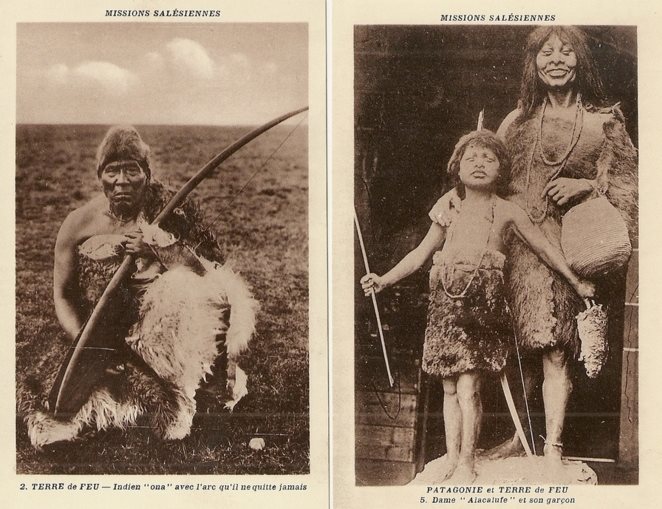
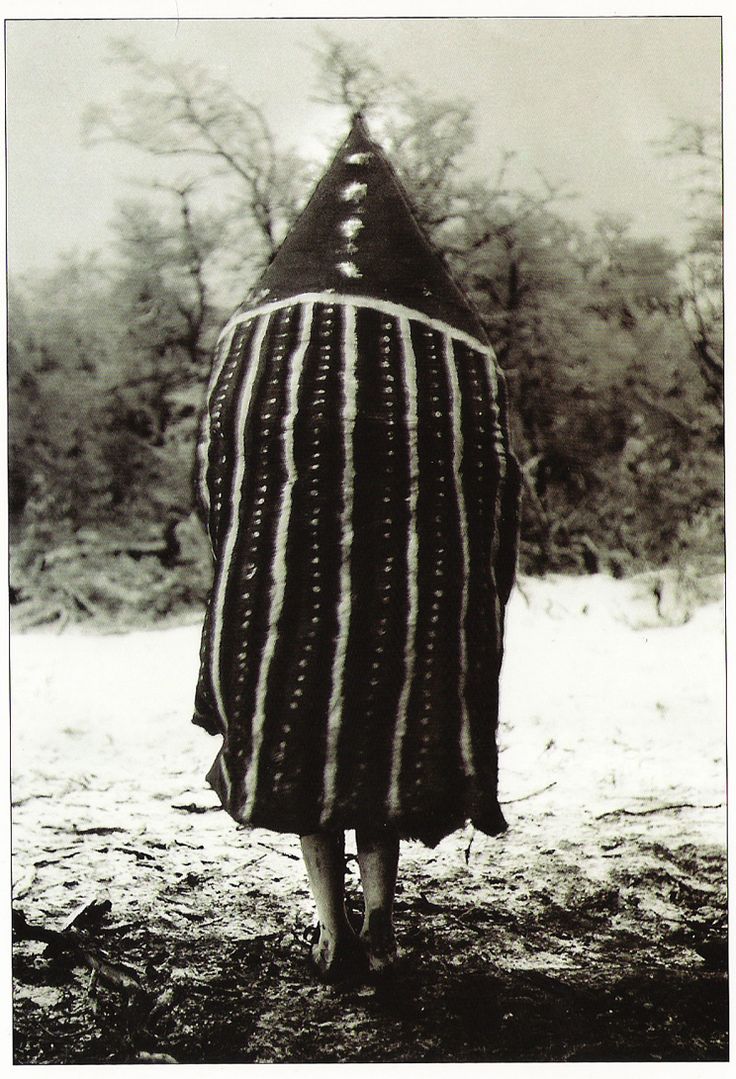
Salesian archive photos: a Selknam man with his bow, and a Kawésqar woman with her son
The Kawésqar had been travelling these channels in bark canoes for around 6,000 years, between the Gulf of Peñas and the strait. Fishing and hunting marine mammals, they moved in small family groups without permanent settlements. Kawésqar simply means “human being”. Chilean Law 19.253 has recognised them since 1993; the 2017 census records 3,448 people identifying as Kawésqar.
The Aónikenk, the southern branch of the Tehuelche, hunted on foot across the continental steppe between the Santa Cruz River and the strait. Pigafetta, struck by their height — a head taller than Europeans of the time — coined the term Patagón, borrowed from the giant Pathoagon in a chivalric romance. This is how Patagonia got its name.
The Selk’nam reached the large island of Tierra del Fuego on foot, before the melting of the ice opened the strait. Their society, structured into lineages (haruwen) and seven exogamous “skies”, created one of the most complex initiation ceremonies in the Southern Hemisphere: the Hain. The shamans (xo’on) entered trance through song to communicate with the powers of the skies.
Tanu, one of the deities/spirits represented during the Hain, Selknam male initiation ritual; photo by Martin Gusinde
From the 1870s onwards, the arrival of sheep ranches triggered systematic extermination. Bounties were paid for the ears of Indigenous people killed. In 1896, ethnologist Martin Gusinde estimated the Selk’nam population at more than 3,000. By 1919, it had fallen to 279. Groups were captured and exhibited in European human zoos between 1878 and 1900.
Argentina officially recognized the Selknam in 1994, while Chile did so in 2023 through Law 21,606. The 2010 Argentinian census records 2,761 people identifying as Selknam, with over 294 living in Tierra del Fuego. In Chile, 1,144 people declared themselves Selknam in the 2017 census. The Kawésqar are recognized by Chilean Indigenous Law 19,253 (since 1993) and are organized into 14 Indigenous Communities. According to the 2017 Chilean census, 3,448 people declare themselves Kawésqar.
4. Biodiversity
Some 32 kilometres north‑east of Punta Arenas, Magdalena Island is home to around 50,000 breeding pairs of Magellanic penguins (Spheniscus magellanicus). These birds — seen by Magellan himself in 1520, who mistook them for geese — can reach 76 centimetres in height.
Magellanic penguins on Magdalena Island (Magellan Strait, Magallanes province, Chile)
Further west, Francisco Coloane Marine Park, Chile’s first marine park, protects waters where humpback whales regularly winter. South American sea lions and southern elephant seals haul out on rocky islands. Imperial cormorants, black‑browed albatrosses, giant petrels and Andean condors patrol both shores.
Small fur seal colony, Patagonian channels, Chile
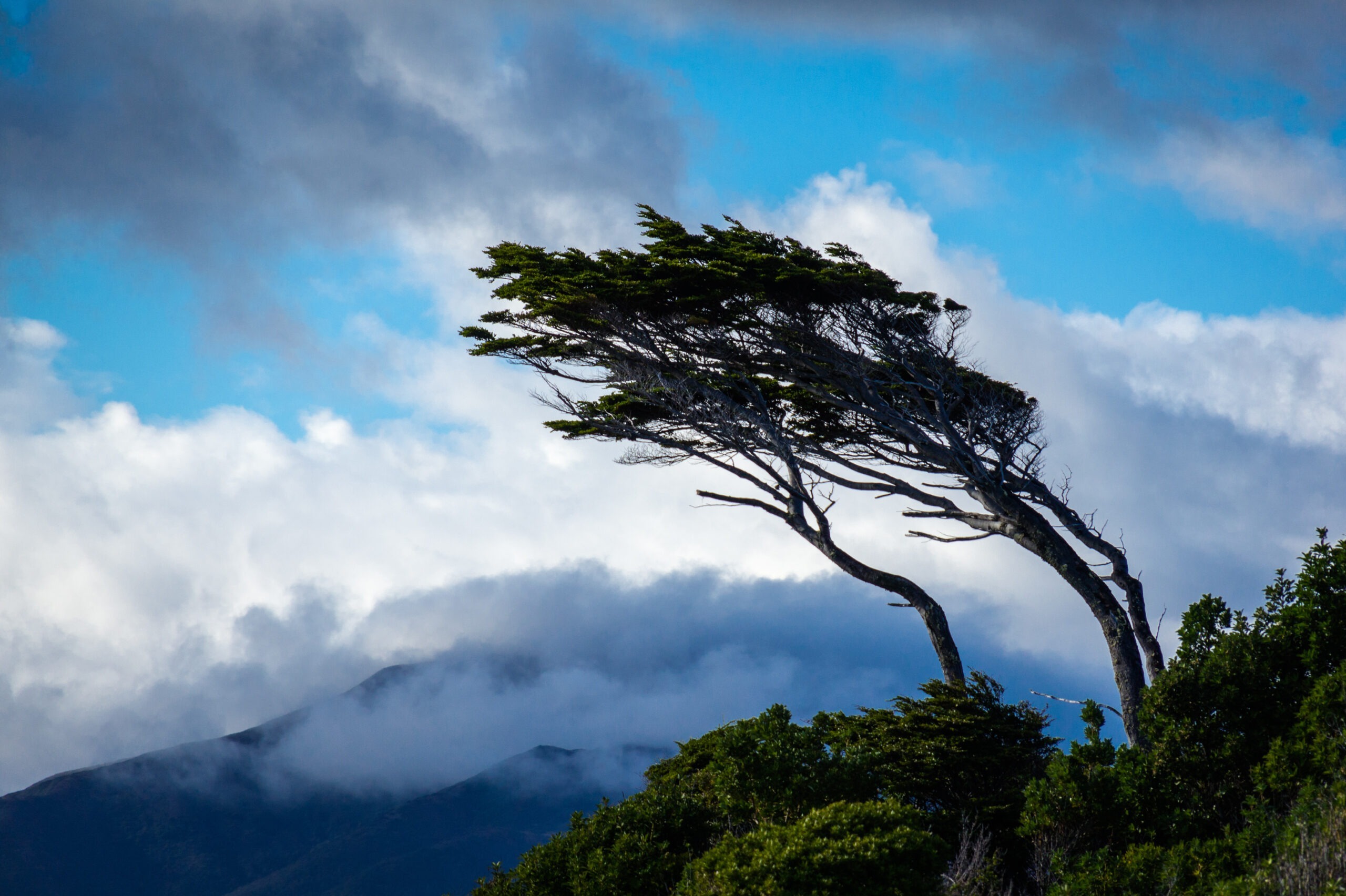
On land, sheltered slopes carry forests of Nothofagus — Magellanic coigüe, lenga and ñirre — sculpted by the wind into leaning silhouettes where they are most exposed. Between the trees, thick bryophyte carpets close the canopy at ground level. These ecosystems connect directly with those of the Cape Horn Biosphere Reserve to the south.
Patagonian beech bent by the wind, Estrecho de Magallanes, Chile
5. The strait today
The opening of the Panama Canal in 1914 gradually diverted commercial traffic away from the strait. Since 2023, the trend has reversed. Prolonged drought limiting the canal’s capacity, geopolitical tensions and the canal’s unsuitability for ultra‑large vessels have revived the Magellanic route. The Chilean Navy reported a 25% increase in traffic in 2024, with projections of up to 70% growth over the full year. The route through the strait is 390 nautical miles longer, but accessible to any draught and free of locks.
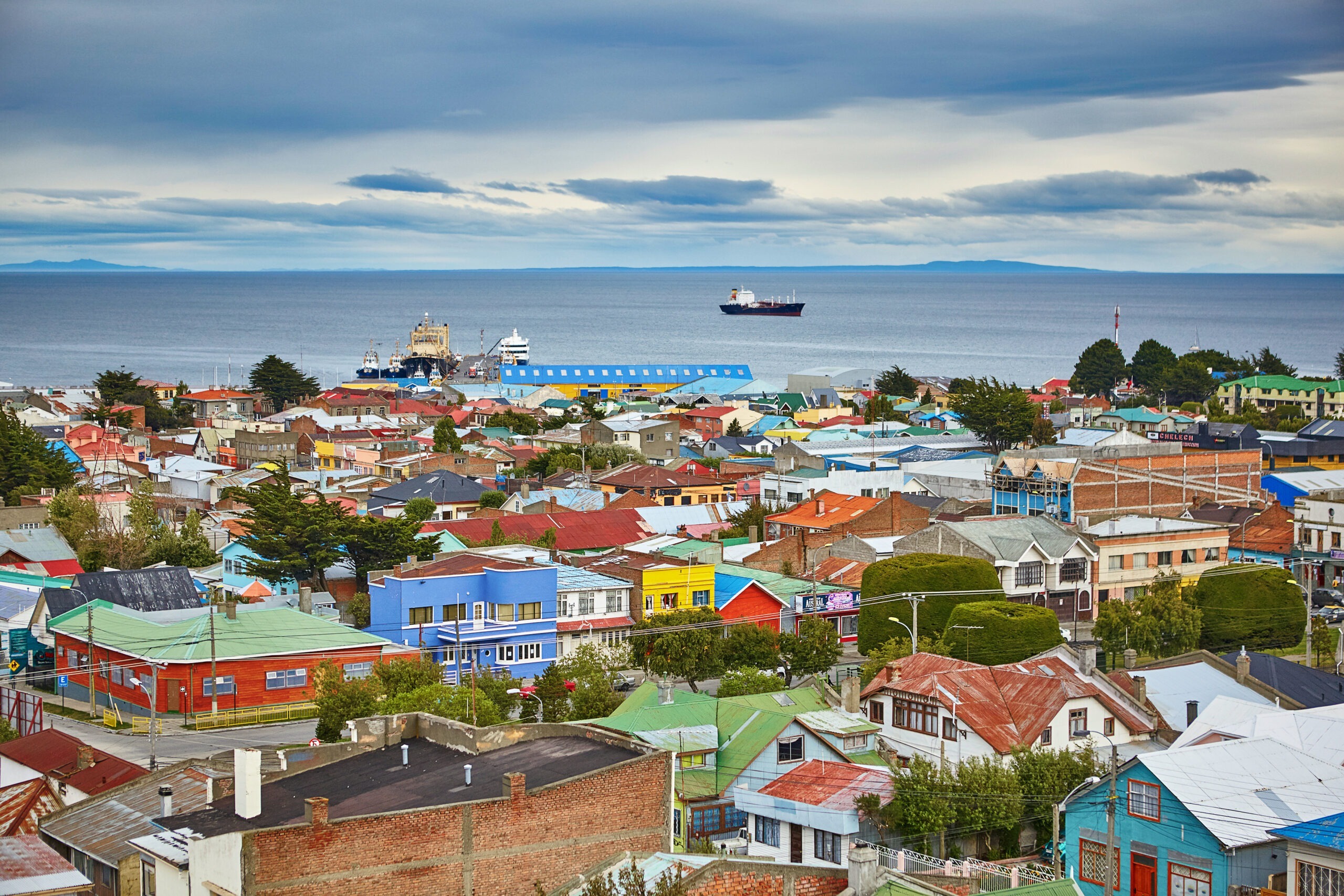
View of Punta Arenas, a stopover for international maritime transit, Magallanes Province, Chile, South America
At the same time, the Magallanes region is developing a green hydrogen project based on the strait’s exceptional wind potential. Constant winds could theoretically generate seven times Chile’s current electrical capacity. The project remains controversial in its details, but it says something important about what this passage represents today: a strategic corridor once again, five centuries after Magellan
This specialization strengthens the region as a hub for international polar tourism, with infrastructure meeting International Association of Antarctic Tour Operators (IAATO) standards.
Bibliography
Pigafetta, A. (1522). Relazione del primo viaggio intorno al mondo. Critical edition: Dentrecasteaux, 1830.
Gouin de Beauchesne, J. (1701). Relation journalière d’un voyage fait en 1698, 1699, 1700 et 1701. Manuscript. Service Historique de la Défense, Vincennes.
Gusinde, M. (1931–1939). Die Feuerland-Indianer. 3 vols. Mödling bei Wien: Anthropos-Bibliothek.
Museo Chileno de Arte Precolombino. (2021). Cuaderno educativo — Pueblos originarios de Magallanes. Santiago: Museo Chileno de Arte Precolombino.
DIRECTEMAR. (2025). Generalidades del Estrecho de Magallanes. Dirección General del Territorio Marítimo y de Marina Mercante, Chile.
Armada de Chile. (2024). Maritime Traffic Statistics — Estrecho de Magallanes.
The Cabo de Hornos Biosphere Reserve (Cape Horn Nature Reserve), established in 2005, is one of the southernmost and largest protected areas in the world, covering more than 4,884,000 hectares of southern lands and waters. It contains unique terrestrial and marine ecosystems, pristine subantarctic forests, remarkable biodiversity—including over 5% of the world’s bryophyte diversity—and the populations of the Yaghan people, who maintain a millennia-old connection with these extreme landscapes.
Table des matières
The Cabo de Hornos Biosphere Reserve was included in UNESCO’s “Man and the Biosphere” program in June 2005, becoming both the southernmost and one of the largest biosphere reserves in South America. Spanning about 4,884,274 hectares, it comprises a terrestrial area of 1,917,238 ha and a marine area of 2,967,036 ha, integrating for the first time in Chile both marine and terrestrial ecosystems under a unified conservation status. The Alberto de Agostini and Cape Horn National Parks form the core protected area, where all infrastructure development is strictly prohibited.
1. Geography and zoning of the Cape Horn nature reserve
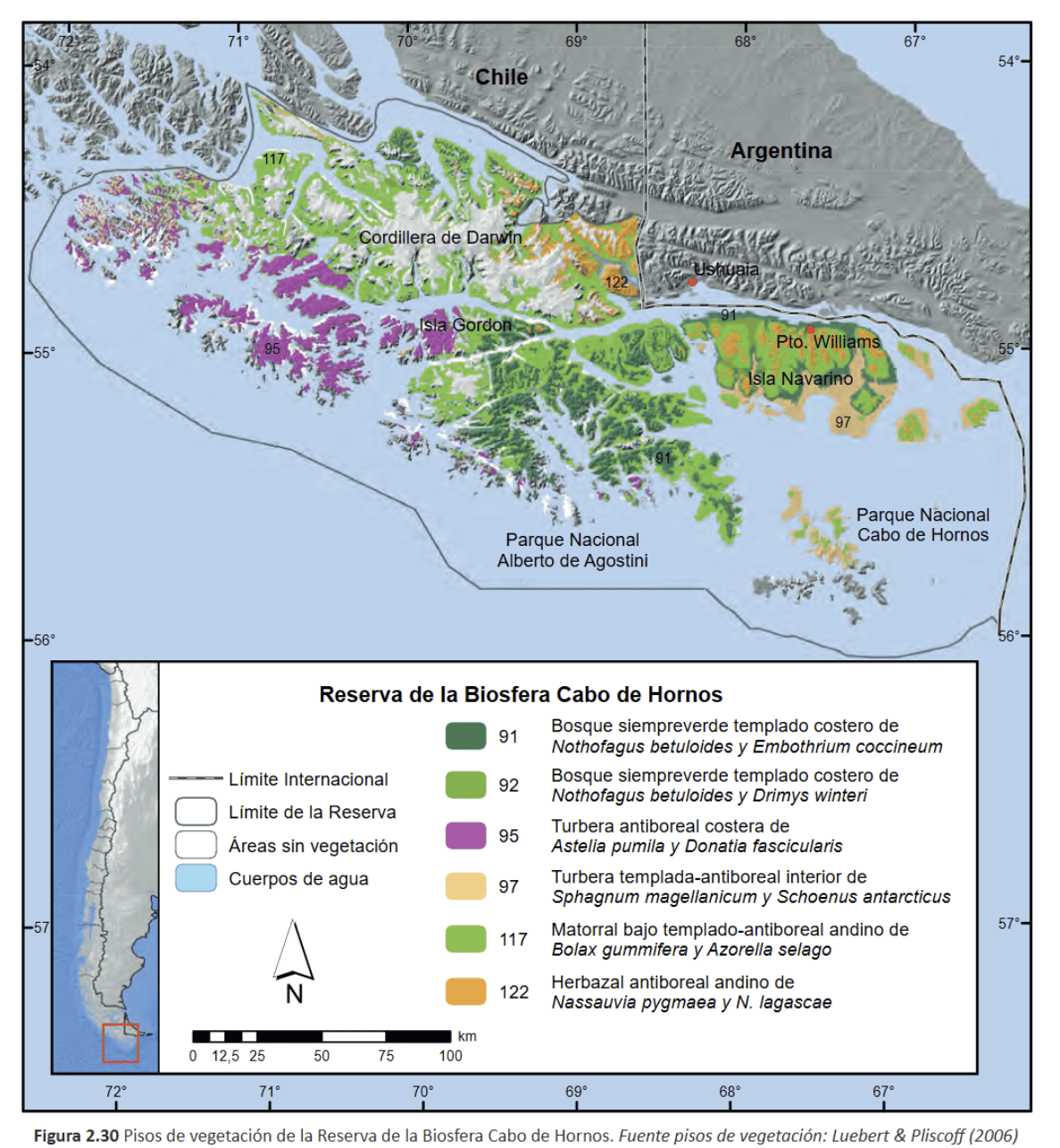
Geographically, the reserve extends across the Tierra del Fuego archipelago, between 54.1° S and 56.2° S latitude, and 66.1° W and 72.5° W longitude. It includes the Wollaston, Hermite, Navarino, and Hoste islands, as well as channels (including the Beagle Channel), fjords, and currents that form a landscape shaped by glaciations and tectonic activity. The UNESCO MAB Reserve zoning (Cabo de Hornos Biosphere Reserve, i.e., the southern Chilean marine reserve) is structured into three areas:
The core zone (Alberto de Agostini National Park including the Darwin Range, and Cape Horn National Park) is strictly protected.
The buffer zone, where light and sustainable activities are allowed.
The transition zone, including isolated villages like Puerto Williams and limited infrastructure under a sustainable development framework.
The reserve’s subantarctic forests are the southernmost on earth. Dominated by three Nothofagus species—N. pumilio, N. betuloides, and N. antarctica—they form both deciduous and evergreen stands, interspersed with peat bogs and alpine heaths. These forests are among the world’s rare examples of non-fragmented temperate forest. The organic-rich soils support vast carpets of bryophytes, typical of the cool, humid environment; these play a crucial role in the hydrological cycle and carbon sequestration.
2.2 Marine and coastal ecosystems
The marine component of the reserve centers around a complex network of fjords, channels, and underwater plateaus. The Humboldt current and the mixing of cold Pacific and Atlantic waters have fostered the development of kelp forests (Macrocystis pyrifera, Durvillaea antarctica) forming “underwater forests” that host diverse invertebrate fauna and fish communities. Intertidal habitats harbor macroalgae species and numerous endemic invertebrates, while the cold, oxygen-rich waters support populations of seals, sea lions, and several cetacean species.
3. Biological diversity and endemism: subantarctic biodiversity
3.1 Bryophytes and lichens
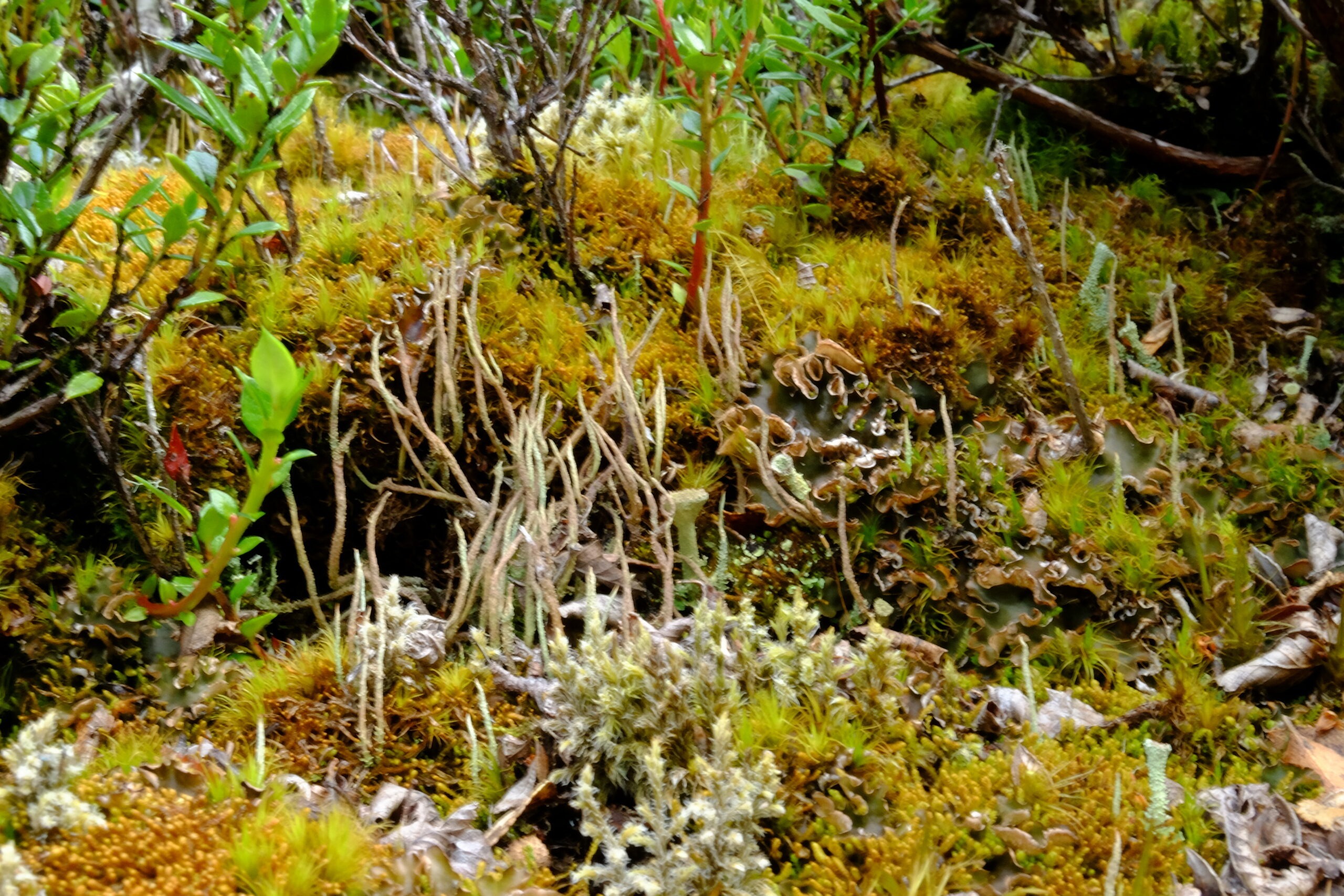
With over 300 species of liverworts and 450 species of mosses, the reserve is a global hotspot for bryophytes, representing more than 5% of global diversity on less than 0.01% of the world’s land surface. These communities, described as “miniature forests,” serve as sentinels for assessing the impacts of climate change and rising UV radiation.
Example of bryophytes / miniature forest (mosses, liverworts, and lichens) from the Cape Horn Biosphere Reserve (MAB-UNESCO); Navarino Island, 2020 (c) Lauriane Lemasson.
3.2 Terrestrial and marine fauna
Terrestrial fauna include the southern river otter (Lontra provocax), the Magellanic woodpecker (Campephilus magellanicus), and other endemic birds. In the marine environment, the surrounding waters are home to black-browed albatross, giant petrels, Magellanic penguins, and stable populations of fur seals and leopard seals, highlighting the ecological importance of this protected area.
A black Carancho from Martial Bay (Cape Horn Reserve, April 10, 2025, during a sailing expedition at Cape Horn and in the Patagonian channels)Whales in the Beagle Channel during the 2018 expedition (Karukinka Association)
4. Biocultural dimension and Yaghan ethnology
The reserve is also a cultural sanctuary. The Yaghan, nomadic people of the southern channels, are the world’s southernmost indigenous group, with a presence dating back over 7,500 years, as evidenced by archaeological sites on Navarino Island. They continue to possess expert knowledge of canoe navigation and subantarctic ecology, and have actively participated in research within the reserve, particularly through the Omora Ethnobotanical Park near Puerto Williams. Their oral traditions, language, and knowledge of local flora and fauna are incorporated into educational and conservation programs. Ecotourism in Patagonia is also a key activity of the Omora initiative.
5. Governance and management
The reserve is managed by a board chaired by the regional governor, involving public agencies and local organizations. The scientific committee, coordinated by the Omora Park and the University of Magallanes, leads research, ecological monitoring, and participatory conservation efforts. In 2006, the reserve joined UNESCO’s Ibero-MAB network, strengthening transnational cooperation for research and training.
6. Threats and conservation challenges
Despite its isolation, the reserve faces several threats:
Uncontrolled tourism development, particularly southern cruises and increased traffic around Cape Horn, poses risks of pollution and disturbance to marine wildlife.
Intensive salmon farming in northern fjords introduces exotic species and degrades water quality. Salmon now breed in these waters, impacting native species such as the robalo.
The spread of introduced species such as the North American beaver and mink threatens riparian forests, streamside habitats, and shorebird nesting sites.
Long-term monitoring programs, such as the Omora initiative and Long-Term Ecological Research (LTER) stations, assess these pressures and propose adaptive measures. However, monitoring is hampered by the vastness of the reserve and its logistical challenges.
Lake created at the foot of a glacier by beavers, photographed during a sailing expedition in Patagonia (Beagle Channel, Hoste Island, Cape Horn Biosphere Reserve, Chile).
7. Research and education initiatives
7.1 Omora Ethnobotanical Park
Founded in 2000, the Omora Ethnobotanical Park is at the center of a transdisciplinary approach combining ecology, environmental philosophy, and “field philosophy” education. It offers educational trails, including “miniature forests,” to raise public awareness of bryophyte diversity and the link between biodiversity and Yaghan culture.
7.2 Cape Horn International Center (CHIC)
Inaugurated in 2020 in Puerto Williams, CHIC brings together researchers, artists, and indigenous communities to develop a model for biocultural conservation, technical training, and sustainable development. Its programs address the responses of biodiversity to climate change, the management of invasive species, and the formulation of public policy adapted to subantarctic zones.
The Cabo de Hornos Biosphere Reserve remains one of the rare refuges where harmonious coexistence between local inhabitants and ecosystems at the literal edge of the world is fully realized. Securing its future means strengthening participatory governance, managing invasive species, and supervising polar tourism under the banner of responsible ecotourism. Finally, the ongoing integration of Yaghan knowledge in research and education programs will ensure the preservation of both the biological and cultural heritage of this unique subantarctic sanctuary.
Pia Glacier, Patagonian Channels, Darwin Range, Cape Horn Biosphere Reserve, Magallanes, Chile, 2025
Bibliography
Rozzi, R. et al. (2006). Ten Principles for Biocultural Conservation at the Southern Tip of the Americas: The Cape Horn Biosphere Reserve. Ecology and Society, 11(1). https://www.ecologyandsociety.org/vol11/iss1/art43/
Rozzi, R. et al. (2004). Omora Ethnobotanical Park: A Model for Integrating Biocultural Conservation and Environmental Philosophy in the Cape Horn Biosphere Reserve. Environmental Ethics, 26(2), 131–169. https://doi.org/10.5840/enviroethics200426226
Mittermeier, R. A. et al. (2003). Hotspots: Earth’s Biologically Richest and Most Endangered Terrestrial Ecoregions. Conservation International. https://www.conservation.org
CONAF (Corporación Nacional Forestal). (2023). Reserva de la Biósfera Cabo de Hornos. Gobierno de Chile. https://www.chilebosque.cl
Cape Horn International Center (CHIC). (2021). CHIC Strategic Plan 2021–2026. Universidad de Magallanes. https://www.centrochic.cl
Anderson, C.B. et al. (2011). Exotic ecosystem engineers transform sub-Antarctic forest structure and function. Biological Invasions, 13, 545–561. https://doi.org/10.1007/s10530-010-9841-4
Anderson, C.B. et al. (2019). Cape Horn’s Lessons for Sustainability. Science Advances (UNESCO CHIC/UMAG). https://advances.sciencemag.org/
Rozzi, R. et al. (2010). La Reserva de Biósfera Cabo de Hornos: una propuesta educativa y de desarrollo sustentable en el extremo austral de Chile. Universidad de Magallanes. Disponible sur la bibliothèque CHIC.
Cape Horn (Cabo de Hornos in Spanish, Kaap Hoorn in Dutch, Loköshpi in the Yaghan language) is far more than just a geographic point. Located at 55°58′ south latitude and 67°16′ west longitude, this rocky promontory at 425 meters above sea level marks the southernmost point of the Tierra del Fuego archipelago and symbolically marks the meeting of the Atlantic and Pacific Oceans. At 965 kilometers from the Antarctic continent and just 138 kilometers from Ushuaia, Cape Horn rises as the ultimate sentinel of the Americas before the vastness of the Southern Ocean.
Table des matières
Geographical Position of Cape Horn
Location within the Fuegian archipelago
Cape Horn is situated on Horn Island (Isla Hornos), the southernmost island of the Hermite archipelago, itself part of the vast island complex of Tierra del Fuego. This modestly sized island (approximately 6 km by 2 km) is administratively part of the commune of Cabo de Hornos, in the Antarctic Province, within the Magallanes and Chilean Antarctic Region.
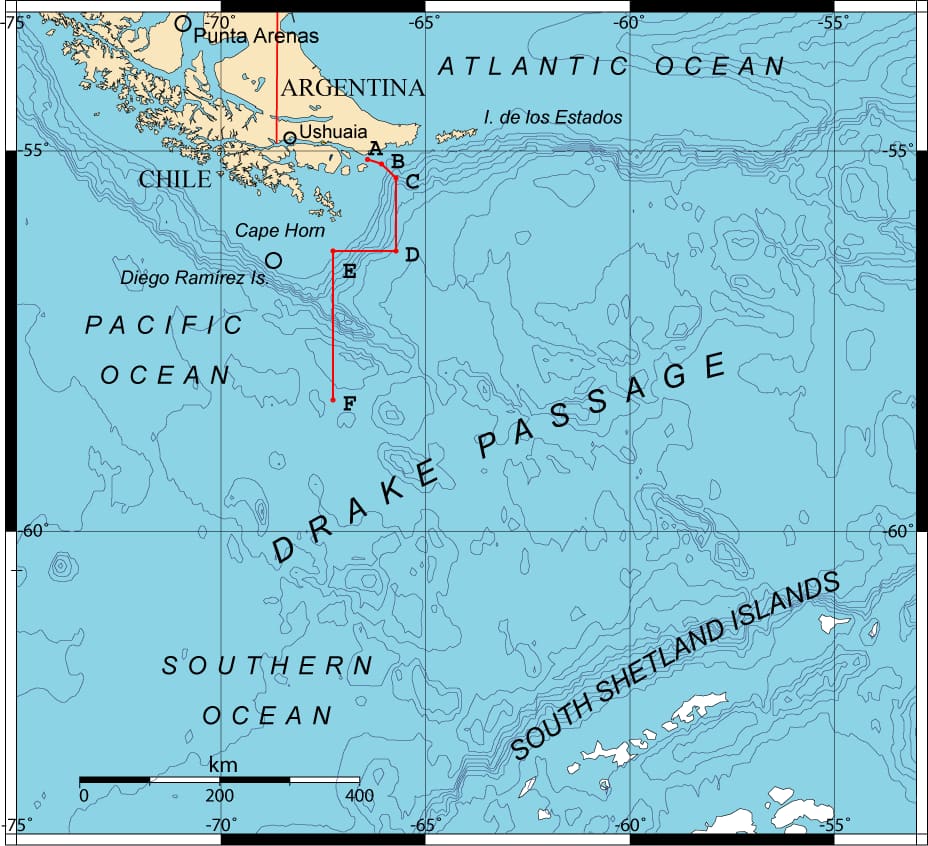
Contrary to popular belief, Cape Horn is not the southernmost point of the South American continent — that title belongs to the Diego Ramírez Islands, located 105 kilometers to the west-southwest. However, Cape Horn remains the southernmost of the great historical sailing capes and the most symbolic nautical waypoint in the Southern Hemisphere.
Precise Coordinates and Strategic Distances
With exact coordinates of 55°58′28″ south latitude and 67°16′10″ west longitude, Cape Horn lies at a unique geographical intersection where the major oceans of the Southern Hemisphere converge:
Distance from Ushuaia (Argentina): 138 km to the north-northwest
Distance from Puerto Williams (Chile): 56 km to the north
Distance from the Antarctic continent: 965 km to the south
Distance from the geographic South Pole: 2,535 km
Geographic map showing Cape Horn at the southern tip of South America, adjacent waters including Drake Passage, and nearby islands located in the Pacific, Atlantic, and Southern Oceans. (Source : Wikipedia)
Geological Formation and Geomorphology
Regional geological context
The Cape Horn region is embedded in the complex geological history of Tierra del Fuego, shaped by Andean orogeny and Quaternary glaciations. The archipelago was formed through a process of collapse and fragmentation of the southern tip of the Andes, amplified by glacial erosion and rising sea levels following the last Ice Age.
The geological formations of Horn Island consist mainly of sedimentary and volcanic strata from the Upper Cretaceous period, bearing witness to the intense tectonic activity related to the closure of the Rocas Verdes marginal basin and the early stages of Andean compression. This explains the rugged topography of the region, characterized by moderate elevations but extremely fragmented coastlines.
Coastal Morphology
To sailors, Cape Horn appears as a 425-meter cliff dropping directly into the ocean. This distinctive coastal morphology is the result of marine erosion, Quaternary glacial-interglacial cycles, and ongoing tectonic activity.
The Magellan-Fagnano Fault, a left-lateral strike-slip fault running east–west through Tierra del Fuego, indirectly influences the geomorphology of the Cape Horn region. With a movement rate of approximately 6.4 mm/year, this fault is a reminder of the continuous tectonic activity that shapes this part of the world.
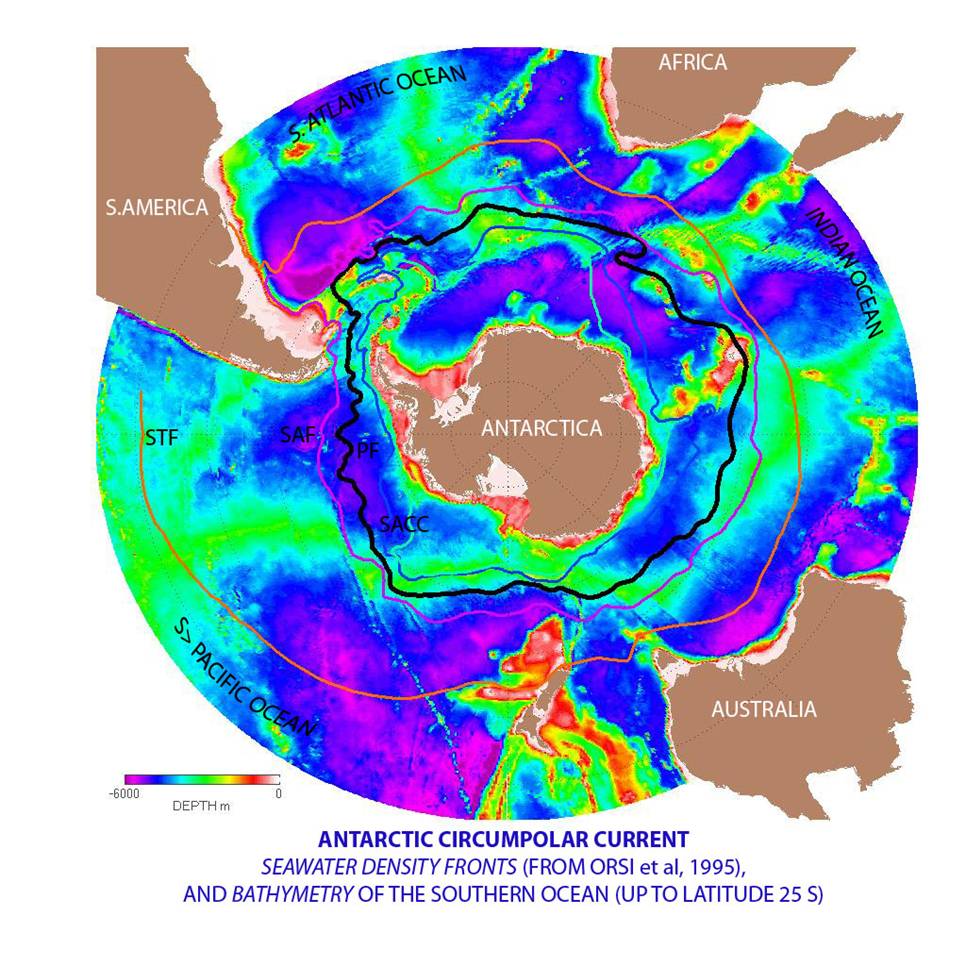
Cape Horn marks the northern boundary of the Drake Passage, an 809-kilometer-wide strait separating South America from the Antarctic Peninsula. This strait represents the shortest distance between Antarctica and any other continental landmass, only 135 kilometers wide at its narrowest point, between Cape Horn and Snow Island in the South Shetlands.
Map of the Antarctic Circumpolar Current and Seawater Density Fronts Around Antarctica, Showing Ocean Depth and Main Fronts Near the Southern Ocean and Surrounding Continents (source : Wikipedia)
Antarctic Circumpolar Current
The Drake Passage is the point of maximum constriction of the Antarctic Circumpolar Current (ACC) — the most powerful ocean current on Earth. The ACC transports an average of 150 million cubic meters of water per second — nearly 100 times the combined flow of all the world’s rivers. Its strength peaks at Cape Horn.
This oceanographic phenomenon is the main driver of the extreme weather conditions in the region. With no continental barriers, the ACC fuels the relentless west winds known as the “Roaring Forties” and “Furious Fifties”.
Subpolar Oceanic Climate
Cape Horn enjoys a subpolar oceanic climate, with relatively stable yet cold year-round temperatures. Average temperatures hover around 5°C, and the area receives up to 2,000 mm of rainfall annually, with nearly 278 days of rain per year.
Wind is the dominant climatic factor, averaging 30 km/h but frequently exceeding 100 km/h during storms. These conditions are directly linked to Cape Horn’s position within the zone of the Furious Fifties — a corridor of uninterrupted westerly winds that circle the Southern Hemisphere.
Biodiversity and Conservation Status
Cape Horn Biosphere Reserve (UNESCO)
Since 2005, Cape Horn has been part of the Cabo de Hornos Biosphere Reserve, recognized by UNESCO under the Man and the Biosphere Programme (MAB). The reserve spans 4,884,273 hectares, encompassing a core area of 1,347,417 hectares composed of the Alberto de Agostini National Park and Cape Horn National Park.
The southernmost part of Horn island during a sailing expedition to cape Horn with SY Milagro (Association Karukinka, 2025)
Cabo de Hornos National Park
The Cabo de Hornos National Park, created on April 26, 1945, spans 63,093 hectares and includes the Wollaston and Hermite archipelagos. It is the southernmost protected area on the planet, hosting unique subantarctic ecosystems adapted to harsh climatic conditions.
Exceptional Biodiversity
The Cape Horn region is home to the southernmost forest ecosystem in the world and harbors 5% of the planet’s bryophyte species (mosses and liverworts).
The flora comprises Magellanic subpolar forests, dominated by Nothofagus species (southern beeches), alongside rich communities of mosses, lichens, and ferns adapted to extreme cold and humidity.
Primary forest in Tekenika Bay (Cape Horn Biosphere Reserve, Karukinka Expedition, 2018)
The marine fauna is equally impressive: humpback whales, southern dolphins, South American sea lions, elephant seals, and orcas are frequently observed. The birdlife is dominated by black-browed albatrosses, giant petrels, Magellanic penguins, imperial cormorants, and even Andean condors.
Whales observed during a sailing expedition through the Patagonian channels (Chile) autumn 2018 (c) Karukinka
Maritime History and European Discovery
The Discovery of 1616
Cape Horn was discovered on January 29, 1616, during a Dutch expedition led by Willem Schouten and Jacob Le Maire. They sought an alternative to the Strait of Magellan to bypass the trade monopoly of the Dutch East India Company.
The cape was named in honor of the Dutch town of Hoorn, the expedition’s port of origin. This discovery profoundly altered maritime trade routes by offering a new corridor — broader than the Strait of Magellan, but vastly more dangerous.
A Historic Trade Route
For nearly three centuries, Cape Horn was a crucial maritime passage for global trade routes. Large sailing ships — known as “Cape Horners” — traversed these waters carrying goods between Europe, the Americas, and Asia: including nitrate, grain, wool, and gold from Australia.
The era of the great sailing ships ended with the opening of the Panama Canal in 1914. The last commercial sailing vessel to round the Horn was the Pamir, in 1949, marking the close of a legendary chapter in maritime history.
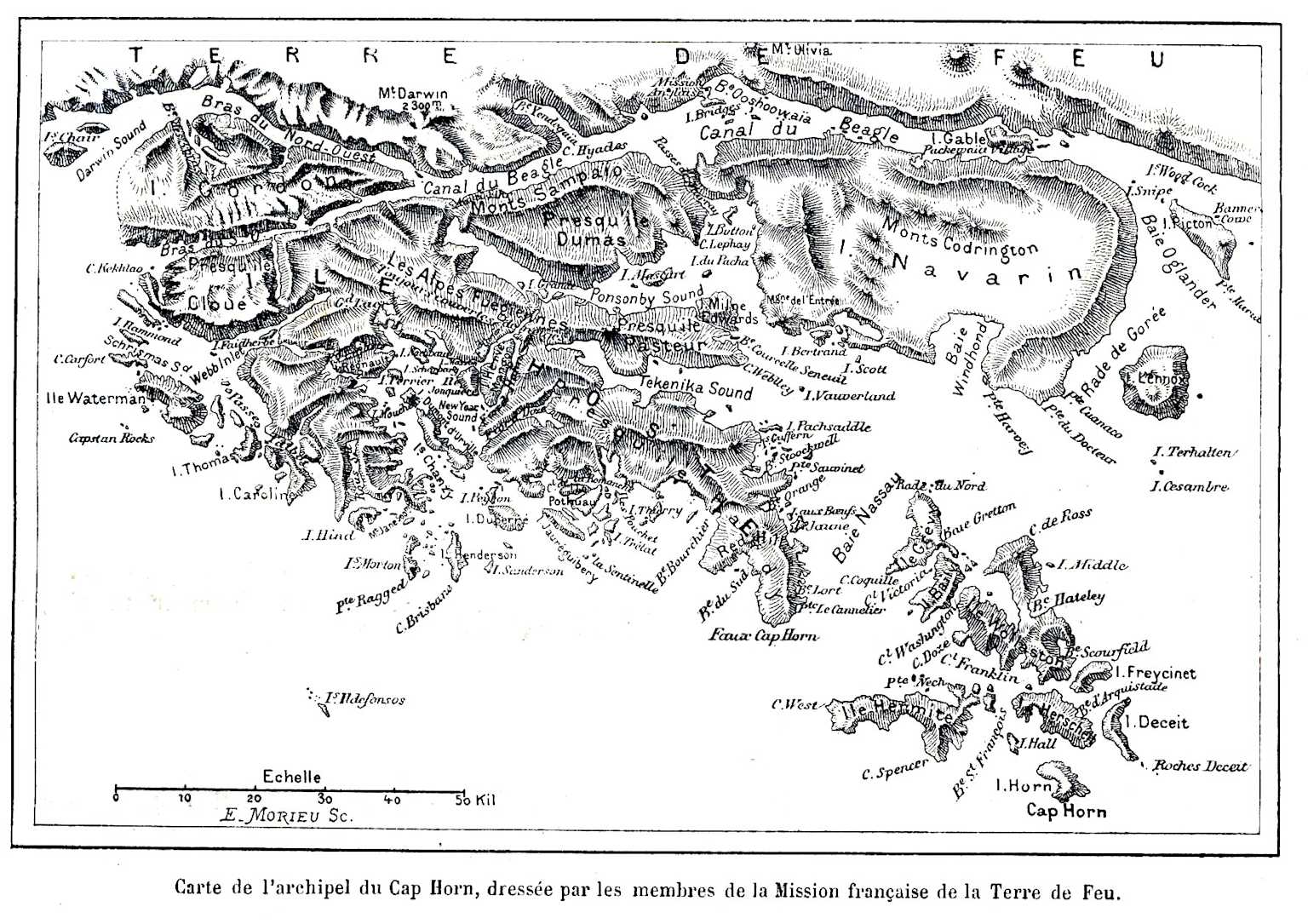
One of the many maps produced during the French Cape Horn Mission (1882–1883) led by Commander Martial
Indigenous Context and Cultural Memory
The First Inhabitants
Before European colonization (1860–1920), the Cape Horn region was solely inhabited by the Yaghan people (also Yámana) — marine nomads who navigated these waterways in bark canoes. These hunter-gatherers developed an extraordinary maritime culture adapted to the severe subantarctic climate.
The Cape Horn promontory was called Loköshpi in the Yaghan language, reflecting a rich indigenous toponymy. According to research by Karukinka Association, over 3,000 indigenous place names (in Yaghan, Haush, and Selk’nam) have been recorded in the area, revealing a detailed and sensitive knowledge of the landscape.
Preservation and Memory Work
For over a decade, the Karukinka Association, founded by Lauriane Lemasson in 2014, has worked to archive, preserve, and honor the memory of the indigenous cultures of the Cape Horn region. Their expeditions in the Patagonian channels, from Tierra del Fuego to Cape Horn, have contributed to sound archives, toponymic mapping, and cultural education.
This work is all the more crucial when one considers that these peoples experienced cultural genocide in the early 20th century, their population declining from over 10,000 individuals to fewer than 500 by 1920.
Contemporary Challenges and Futures
Tourism and Conservation
Cape Horn now attracts a growing number of expedition cruises, mostly departing from Ushuaia or Punta Arenas. While weather constraints limit visitor numbers, increased traffic poses conservation challenges for fragile ecosystems.
Chile maintains a military base on Horn Island, with a garrison, a chapel, and a lighthouse. The lighthouse keeper and their family constitute the only permanent inhabitants of this isolated place.
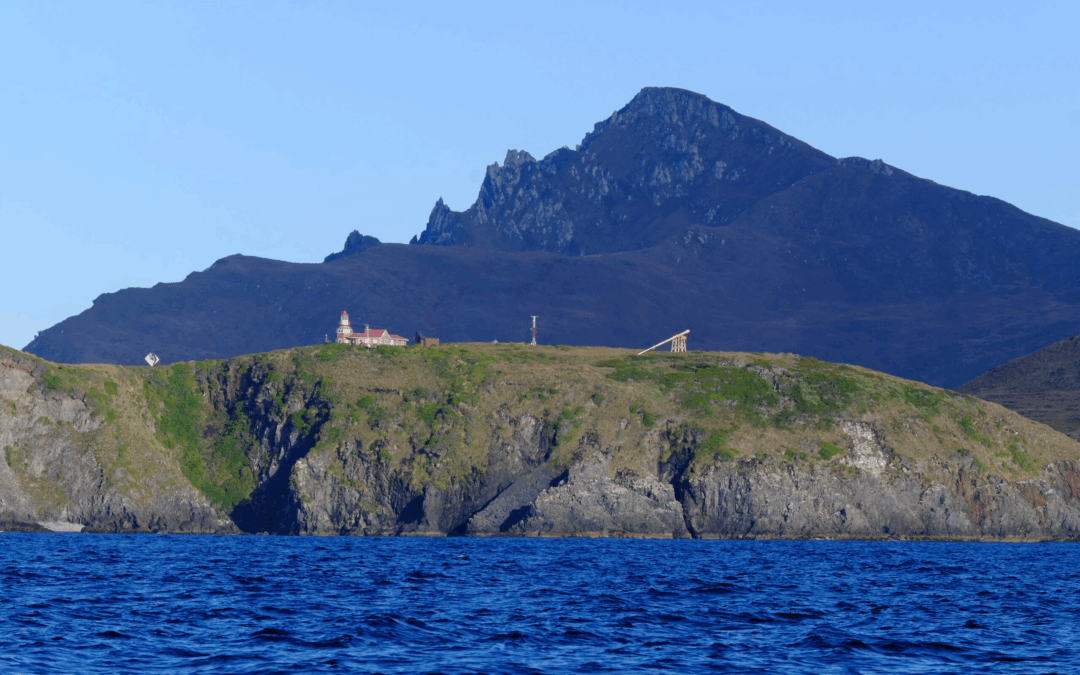
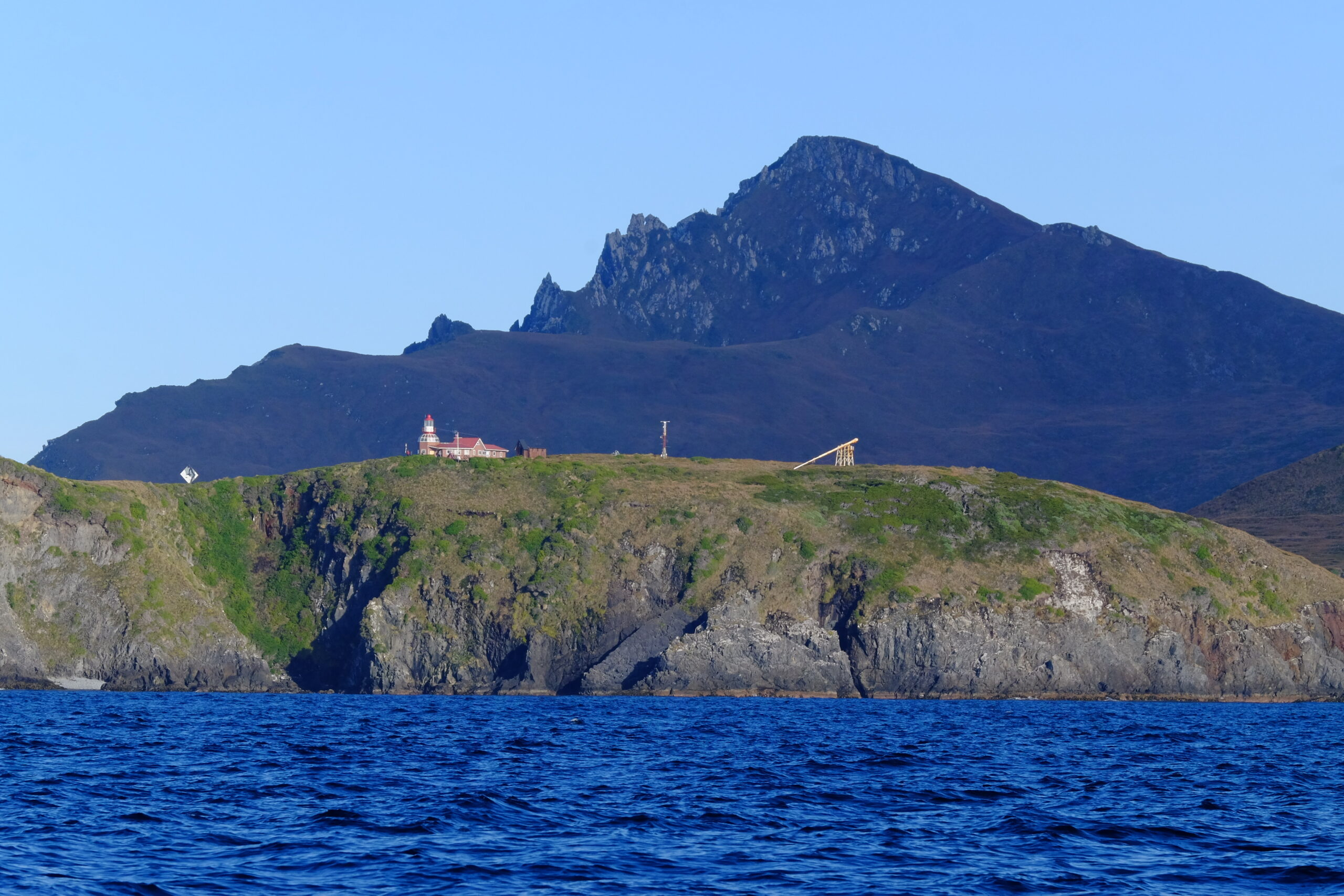
The Cape Horn lighthouse with the Cape promontory in the background during the rounding of Cape Horn by sailboat in April 2025 (Karukinka Expedition, sailing vessel Milagro)
Scientific Research
Cape Horn continues to be a site of important scientific research, particularly regarding climate change, oceanography, and subantarctic biodiversity. The work of the Karukinka Association and its partners contributes to the growing body of knowledge on extreme ecosystems undergoing rapid transformation.
Conclusion
Cape Horn occupies a unique place on the globe — both physically and symbolically. Situated at the southern tip of Horn Island in the Hermite archipelago, at 55°58′ South and 67°16′ West, it marks the symbolic point of convergence between the Atlantic and Pacific Oceans, between the Americas and Antarctica.
Its geographic position explains its extreme oceanographic and climatic conditions, forged over millennia of tectonic, glacial, and atmospheric dynamics. The Antarctic Circumpolar Current, the furious westerly winds, and the legendary nature of the Drake Passage make this one of the most dangerous maritime zones in the world.
Yet beyond the physical landscape lies a story of human history, resilience, tragedy, and conservation — from the Yaghan navigators to the Dutch explorers, from the age of sail to the fight to protect its fragile ecosystems.
To understand Cape Horn is to grasp the essence of a place where extremity meets universality, and where the end of the world becomes a mirror of the planet’s past, present, and future.
An outbreak of avian flu in 2023 hammered a colony of southern elephant seals in Chile’s Tierra del Fuego region, leading to a 50% decline in its population.
But over the 2024-2025 breeding season, the colony’s population recovered, with 33 pups being born.
An alliance between the Chilean branch of the Wildlife Conservation Society and the regional environmental department has been monitoring this particular colony for years, braving the remoteness and extreme weather at the southern tip of the Americas.
Experts posit that the site, Jackson Bay, may serve as a natural refuge from the avian flu because it’s geographically isolated as a fjord.
Year after year, a colony of elephant seals arrives in Jackson Bay, on the islands of Tierra del Fuego at the southern tip of Chile, to molt and breed. However, in 2023, an outbreak of avian flu devastated the region, and the colony’s population dropped by half.
In 2020, when avian flu caused devastating losses in seabird colonies in Europe and Southern Africa, experts initially thought the virus’s spread to mammals would be limited to terrestrial carnivores. However, during the outbreak in 2021 and 2022, the virus affected seals and whales in both Europe and North America. In 2023, when the virus arrived on the South American coast, the pathogen showed that it was capable of causing large-scale mortality among marine mammals. The southern elephant seal (Mirounga leonina) was one of the most heavily impacted species.
But good news arrived in April 2025, when researchers found that the elephant seal population in Jackson Bay had doubled to 200 individuals, including 33 pups.
“It is great news for the conservation of the species, because Jackson [Bay], by being in inland waters of fjords and canals, may act as a protective barrier against pandemics,” says Cristóbal Arredondo, a veterinarian and terrestrial program coordinator for the Wildlife Conservation Society (WCS) Chile,. Since 2008, WCS Chile has monitored this colony alongside the environmental department of the Magallanes region, which encompasses Tierra del Fuego.
Elephant seals in Jackson Bay. Image courtesy of Francisco Brañas.
A refuge from the virus
Jackson Bay is home to “the largest elephant seal colony in Chile,” according to Javiera Constanzo, a veterinarian and the One Health approach manager for WCS Chile. The bay is located between two protected areas: the Multiple Use Marine and Coastal Protected Area Seno Almirantazgo, or Admiralty Sound, which is administered by the Ministry of the Environment, and Karukinka Natural Park, which is a private conservation initiative administered by WCS Chile.
Karukinka Natural Park is a vast natural refuge that spans approximately 300,000 hectares (741,000 acres) of diverse ecosystems. Admiralty Sound, which surrounds the coasts of Karukinka, receives freshwater from several glaciers in the Cordillera Darwin, an ice-capped mountain range. Since Admiralty Sound is a large fjord — a deep, narrow valley with glacial origins that has been filled with seawater — it’s mix of freshwater and saltwater makes it highly productive. And as a government-protected area, Admiralty Sound is vital for the elephant seal population, Constanzo says, by prohibiting activities that could affect the species.
Above all, Jackson Bay’s isolation might make it a refuge for the colony of elephant seals. This hypothesis is still being studied, but “what is being observed is very positive for the conservation of the species,” Constanzo says.
During the most recent season, 33 pups were born. Image courtesy of WCS.
Successful monitoring after 2023 avian flu
Data from satellite transmitters show that some of the Jackson Bay elephant seals stay put while others migrate from different places, coming from the Pacific Ocean or traveling in the Atlantic until they reach the Valdés Peninsula in the central Argentine Patagonia.
In 2023, during the highly pathogenic avian flu outbreak, there was a mass die-off of elephant seals in Argentina: according to a study published in Nature Communications, approximately 17,000 of the animals died.
At Jackson Bay, researchers recorded only about 100 individuals in the colony that year, less than half of the number recorded in prior years.
“We eagerly hoped that in the following season, the colony’s numbers would recover,” Arredondo says. And they did. The 2024-2025 season resolved any doubt: 200 elephant seals were seen in Jackson Bay in December, which is the month when the colony’s population normally peaks. Researchers also recorded the births of more than 30 elephant seal pups, the same number as recorded in 2023.
Researchers from WCS Chile and the Magallanes regional department of the environment in Jackson Bay. Image courtesy of Francisco Brañas.
The colony in Jackson Bay has “now recovered its numbers after the avian flu,” Constanzo says.
Experts attribute the rapid reestablishment of the elephant seal colony in Jackson Bay to several factors. For one, its location in the inland waters of fjords and canals, far from other affected colonies, may have served as a natural barrier against avian flu, reducing the risk of contagion.
The researchers suggest that elephant seals that contracted the highly pathogenic avian flu virus may not have managed to return to Jackson Bay, likely dying before reaching their destination.
About 200 elephant seals were seen in Jackson Bay in December 2024. Image courtesy of WCS.
Monitoring in an extreme area
Wind speeds in Jackson Bay can hit up to 120 kilometers per hour (75 miles per hour), presenting significant challenges for researchers as they disembark. However, this didn’t stop marine biologist Marina Maritza Sepúlveda from traveling to Jackson Bay in 2023 with a team of Chilean and British scientists. They fitted satellite transmitters on several elephant seals arriving in Jackson Bay, part of an ongoing project that WCS Chile is supporting.
Sepúlveda says the transmitters help scientists track the colony as it travels along the Cape Horn Current, one of the “least-studied and [least-]known currents in Chile,” and one that is “extremely important to understand.”
WCS Chile has also joined the team to monitor the colony of elephant seals. Given the high logistical cost of reaching the area, every opportunity to collect data is taken advantage of.
“The opportunity to have the animals there lets us maximize the chance to gather valuable scientific data,” Sepúlveda says. For example, veterinarians like Arredondo and Constanzo collect nasal and anal swabs to study the elephant seals’ microbiome, including their bacteria and virus loads.
Jackson Bay is located in an area where wind speeds can hit up to 120 km/h. Image courtesy of WCS.
The researchers also gather data by using an ultrasound to measure the elephant seals’ fat layers, which allows for an assessment of their body condition. They extract whiskers and fur samples to analyze the seals’ trophic ecology and check for the presence of heavy metals, and they collect droppings to test for parasites.
During the most recent season, researchers also collected samples to confirm the presence of avian flu in the colony. Those samples are now being processed.
“Teamwork allows us to optimize resources, share knowledge and ensure the collection of valuable data that contribute to the understanding and conservation of this colony of elephant seals,” Arredondo says.
Researchers have been monitoring the elephant seal colony in Jackson Bay as a long-term project for more than 16 years.
Every year between October and April, a small team hikes across the entire beach and coastal area. During these inspections, the researchers categorize the elephant seals by age and sex, which helps them understand the population composition of the colony. However, depending on a seal’s position on the ground, some individuals can’t be identified; in those cases, scientists put them into the “sex not determined” category, Constanzo says.
Every year between October and April, a small team of researchers travels across the entire beach and coastal area to gather information about elephant seals. Image courtesy of WCS.
Elephant seals spend most of their lives in the water and only travel onto land to breed and molt, in a process that takes about one month. During this time, they don’t enter the water for food. This means that any change that increases their energy consumption is a problem, according to Arredondo. That’s why the researchers ensure they maintain a safe distance from the seals that “does not disrupt” their behavior.
In addition to counting elephant seals in person, they also used drones to map the area. These help researchers collect detailed images of the locations of the elephant seals.
Francisco Brañas, an expert with the protected areas unit of the regional environmental department, says processing these images can allow researchers to obtain additional information, such as individual measurements. Researchers can estimate the elephant seals’ body weight and evaluate their physical condition to determine whether they have sufficient food, according to Brañas.
“The images captured by the drones provide us with a more complete and precise view of the colony,” he says.
Regular monitoring has been key to evaluating the recovery of the colony, which was first described in 2006. That year, 46 individuals were recorded. Since then, the numbers have grown overall.
The striking increase in the elephant seal population in Jackson Bay is not only a testament to the species’ resilience, but it also reflects the collaborative efforts that are crucial to carrying out this monitoring work in a remote and extreme-weather area.
Elephant seals spend most of their lives in the water and only travel onto land to breed and molt. Image courtesy of Pablo Lloncón.
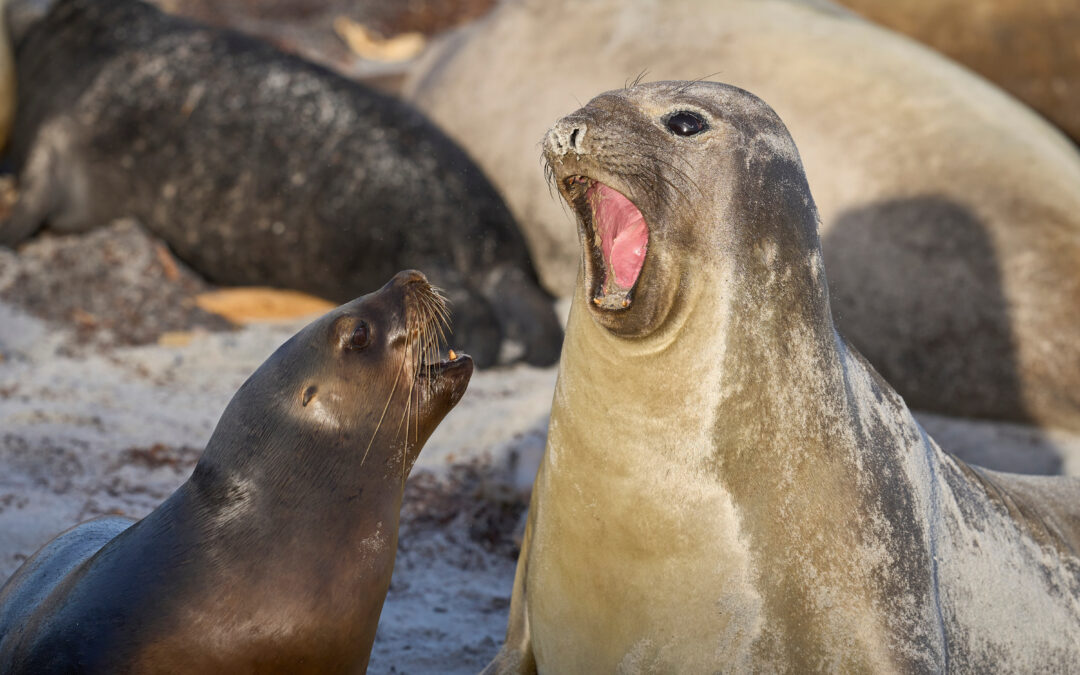
Banner image of an elephant seal in Jackson Bay, courtesy of Francisco Brañas.
This story was first published here in Spanish on May 1, 2025.