
About Karukinka: A Non-Profit Adventure in Patagonia Since 2014

Our story

Our story
Karukinka is an association founded in 2014, emerging from research and fieldwork first carried out in Tierra del Fuego in 2013. It stands at the crossroads of research, sailing, artistic creation, and public outreach, with a particular focus on subantarctic territories and Indigenous cultures.
The name Karukinka comes from Selk’nam and refers to Tierra del Fuego. Choosing this name is not about decorating the project with an “exotic” label, but about starting from territories that were already named, inhabited, travelled, and thought long before colonial maps and narratives.
Where we come from
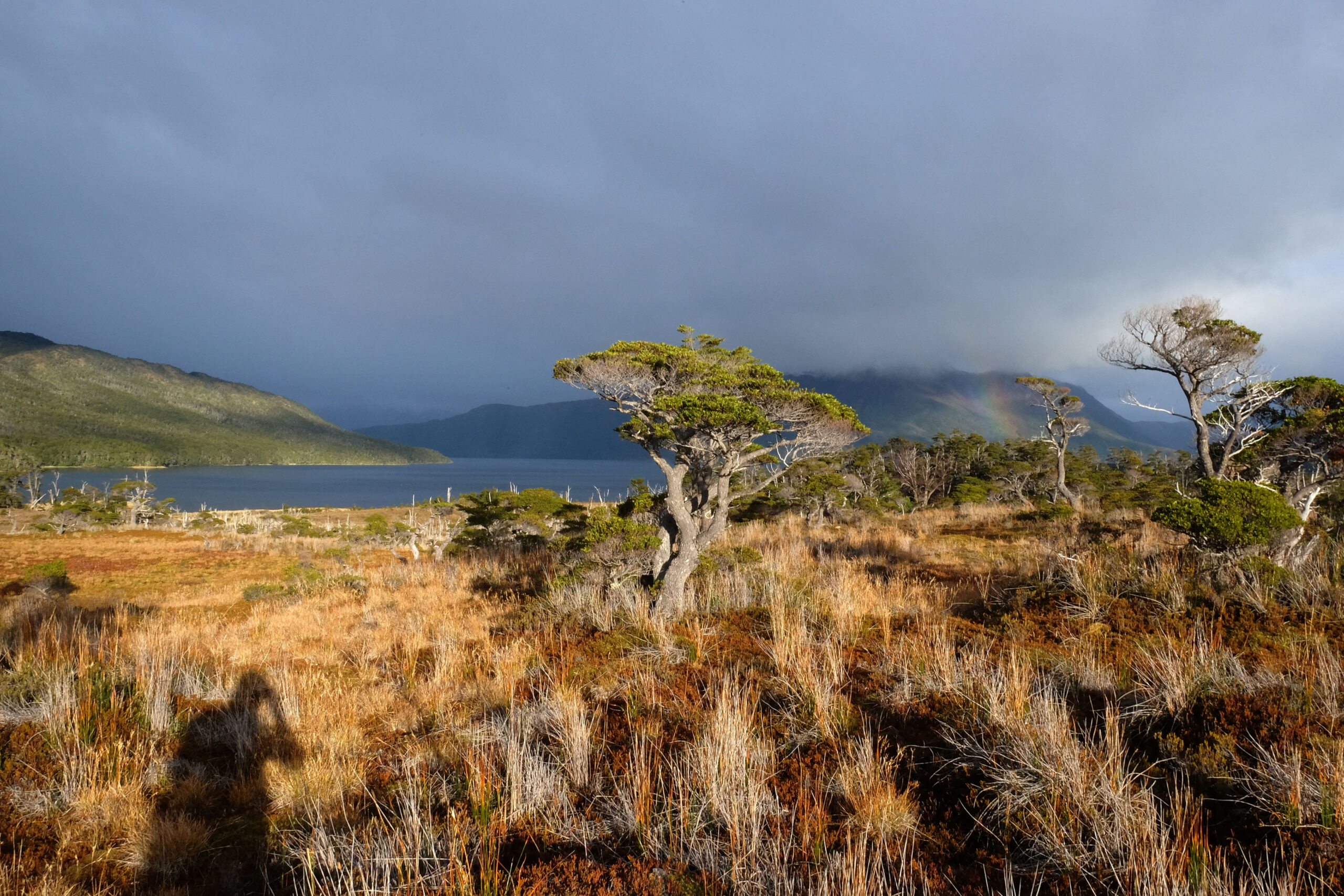
In 2013, a first series of field campaigns in Tierra del Fuego revealed the depth of the ties between landscapes, languages, and Selk’nam, Yaghan and Haush memories, as well as the long-term effects of colonial violence in this region. These experiences, carried out on foot and in autonomy, opened a research program on sound ecology, Indigenous toponymy, European archives, and situated forms of knowledge.
In January 2014, the association Karukinka was formally created. The aim was straightforward: to give these investigations a stable framework, to be able to organise expeditions, to build robust databases, and to share this work with others – researchers, sailors, artists, teachers, local peoples, and broader audiences.
What we do
Karukinka’s activities are organised around several main strands:
-
Research and archives: long-term fieldwork, archival research in Europe and South America, studies on Indigenous toponymy, work on the 1882–1883 French Scientific Mission to Cape Horn and exploration narratives.
-
Mapping and toponymy: building a toponymic database (over 3,000 place names in Selk’nam, Yaghan and Haush), cross-reading colonial, Indigenous, and scientific sources, and producing careful maps of these names.
-
Soundscapes: recording campaigns in Patagonia, Tierra del Fuego and further south, studying links between sound environments, ways of life, rituals, and stories.
-
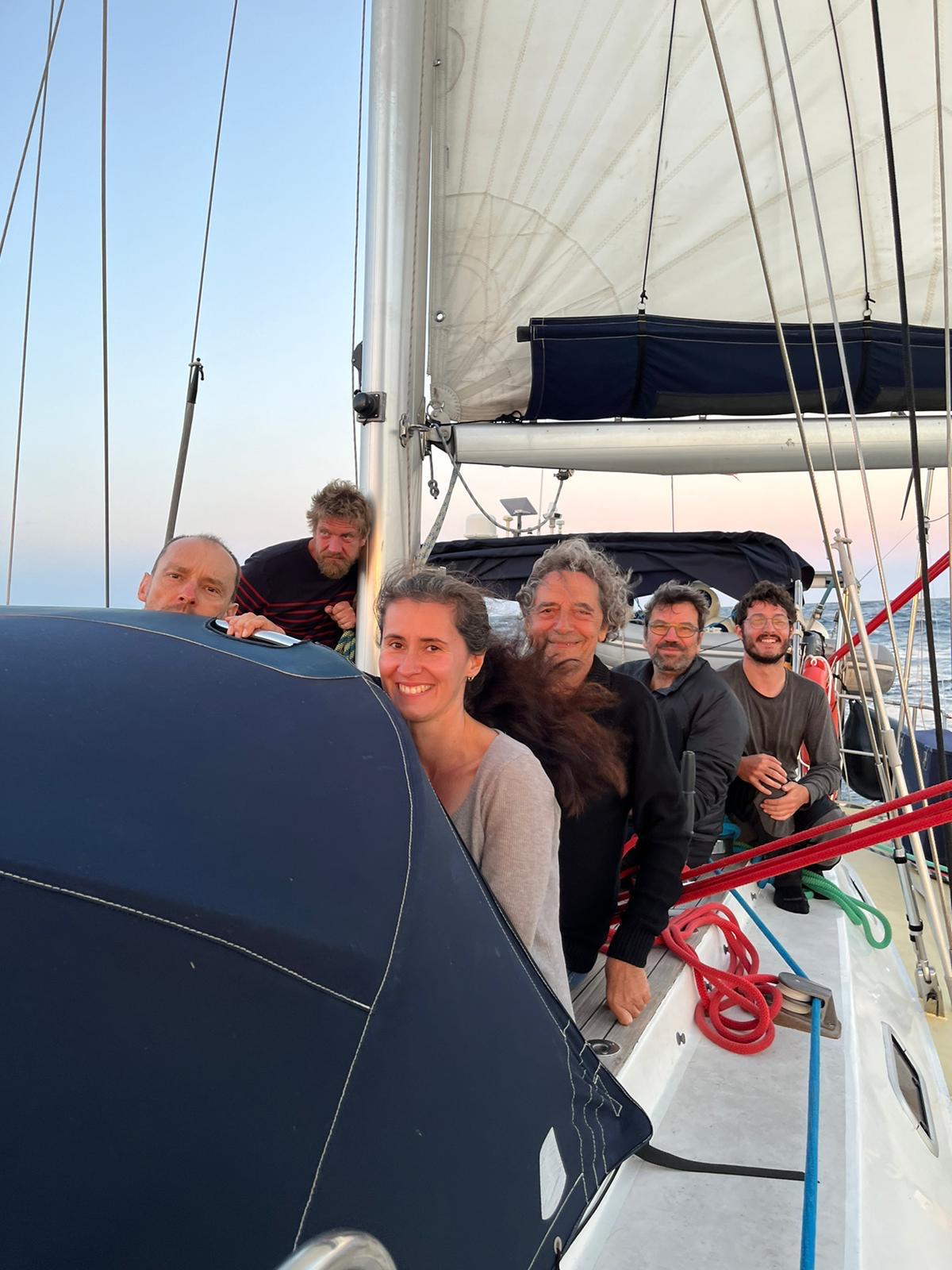
Ship-based expeditions: research and outreach programmes aboard the sailing vessel Milagro in Southern Patagonia, bringing together scientists, sailors, students, artists, and local residents.
-
Transmission: workshops, talks, residencies, exhibitions, and multilingual publications, including restitutions in the territories concerned.
Across these projects, the association seeks to combine documentary rigor, field experience, and responsibility toward the people, languages, and histories involved.
Who we work with
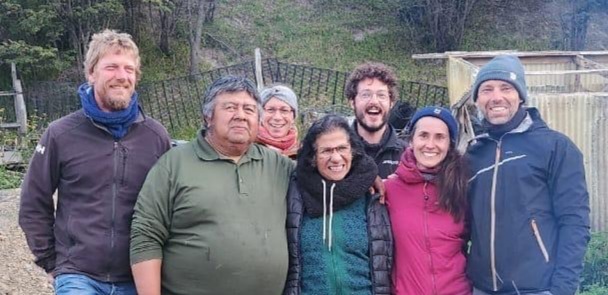
Karukinka brings together people with diverse backgrounds: researchers, sailors, artists, students, teachers, members of Indigenous peoples, coastal residents, and institutional partners.
The association pays careful attention to how contributions are acknowledged: research and writing, logistics, navigation, translation, family or community knowledge, and on-the-ground support are named and distinguished. This attention to roles is a condition for working over the long term and in trust.
Our stance
Karukinka’s work is rooted in the long history of colonial violence in southern Patagonia and Tierra del Fuego. This entails:
-
viewing archives (texts, maps, photographs, collections) as situated objects, produced in contexts of domination;
-
treating languages and place names as contemporary political issues, not merely as frozen “heritage”;
-
moving away from ideas of “discovery” or “the last” representative, and instead foregrounding continuities, ruptures, and current struggles for recognition.
Mapping, recording, documenting, or translating is therefore not about “bringing back to life” a vanished world, but about making links, erasures, conflicting interpretations, and present-day demands more legible.
Today and beyond
Ten years after its creation, Karukinka continues its work between South and North:
-
sailing vessel used as mobile scientific bases in Patagonia;
-
ship-based programmes combining research, outreach, and independent navigation;
-
projects to return archival material and toponyms to the peoples concerned;
-
development of multilingual resources that make this work accessible beyond academic circles.
Karukinka’s ambition is not to tell a heroic story of exploration, but to open spaces for work, listening, and the circulation of knowledge across territories, disciplines, and generations.
Social networks
Contact
+33 2 40 56 31 95
+33 6 72 83 03 94