Law 26.639, also know as Ley de Glaciares and enacted in 2010, established in Argentina the Minimum Budgets Regime for the Preservation of Glaciers and the Periglacial Environment, legally cementing the idea that glaciers are strategic freshwater reserves and public goods. Starting in 2025–2026, the national government pushed forward a project for a comprehensive modification of this norm (File 0161-PE-2025), which obtained half-sanction in the Senate and approval from the Chamber of Deputies, generating strong political and social conflict.
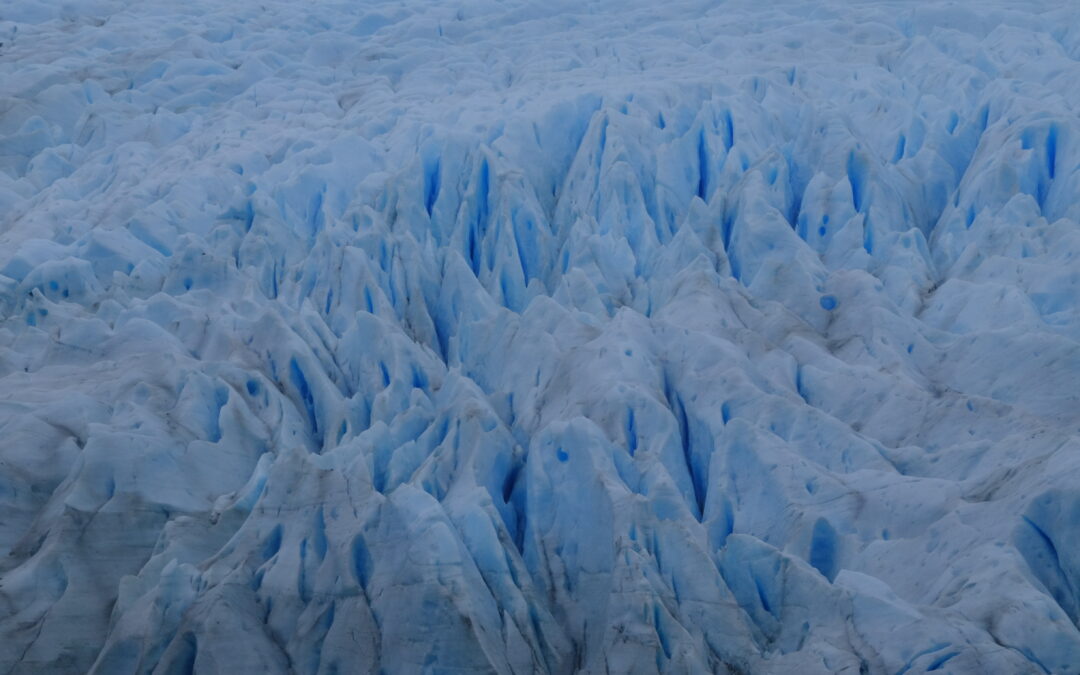
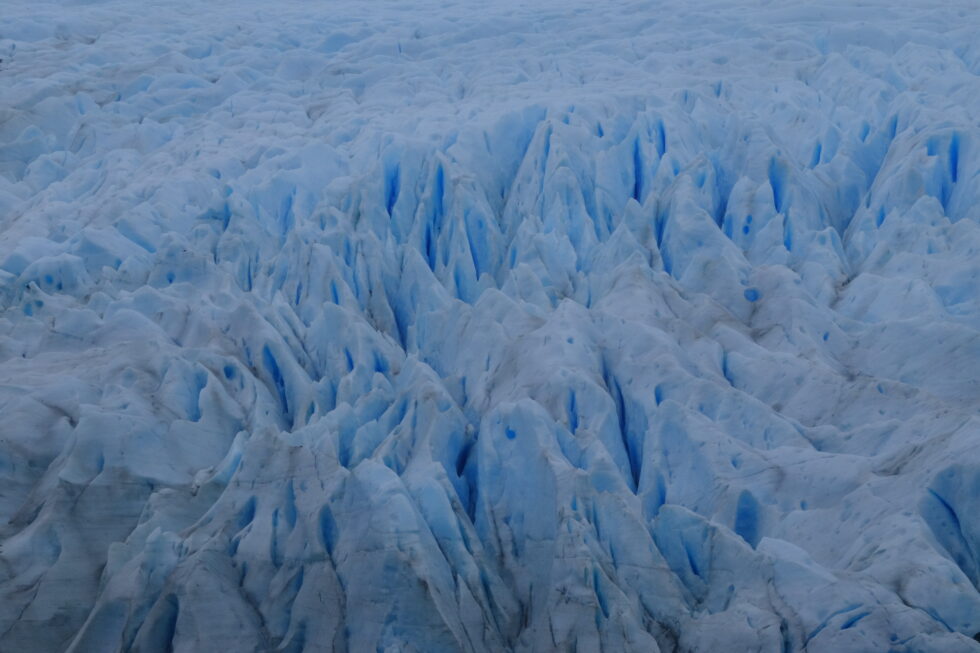
Karukinka Expedition (Fouque Glacier, 2025)
This article outlines the core content of the existing law, the main adopted modifications, the role of the provinces, as well as the social mobilizations and the interventions of Indigenous peoples—notably the Selk'nam jurist Antonela Guevara—who denounce the potential impacts of this reform (risks to water, ecosystems, and territorial rights).
Table of Contents
Law 26.639 (2010): content and scope
Purpose and principles
Article 1 of Law 26.639 sets the objective of establishing minimum budgets for the protection of glaciers and the periglacial environment, recognizing them as strategic reserves of water resources for human consumption, agriculture, watershed recharge, biodiversity protection, scientific research, and tourism. Glaciers are explicitly declared public goods.
The Library of Congress highlights that this law falls under the framework of Article 41 of the National Constitution (right to a healthy environment, national minimum budgets) and the General Environmental Law 25.675, which enshrines the principles of prevention, precaution, and non-regression.
Definitions: glacier and periglacial environment
Article 2 defines a glacier as any perennial ice mass, stable or slowly flowing, formed by the recrystallization of snow, regardless of its shape, dimension, or state of conservation; this includes rocky detrital materials and internal or superficial watercourses.
The periglacial environment is defined, in high mountains, as the area of frozen soils that acts as a water regulator, and in medium and low mountains, as the area with ice-saturated soils that plays the same regulatory role. These very broad definitions extend the scope of protection to forms of ice and frozen soils that go beyond just large visible glaciers.
National Glacier Inventory of Argentina (ING)
Articles 3 and 4 create the National Glacier Inventory, entrusted to the Argentine Institute of Nivology, Glaciology and Environmental Sciences (IANIGLA-CONICET), tasked with identifying all glaciers and periglacial landforms acting as water reserves, including their location, surface area, typology, and the variables necessary for their protection and monitoring.
The Legislative Dossier of the Library of Congress notes that Decree 207/2011 specified the organization of the ING by major glaciological regions (Desert, Central, Northern and Southern Patagonian Andes, Tierra del Fuego, and South Atlantic Islands) and mandated an update at least every five years.
Prohibited activities
Among its most important provisions, the law prohibits certain activities in glaciers and the periglacial environment, particularly:
mining and hydrocarbon exploration and exploitation;
the installation of industries;
the construction of works or infrastructure that could alter the natural dynamics of the ice or water quality (except for scientific research);
the storage or handling of contaminating or hazardous substances.
Any activity that may significantly affect these environments must be subject to a prior environmental impact assessment, in accordance with the General Environmental Law.
The 2025–2026 reform project: objectives and core modifications
Political context and stated objectives
In December 2025, the national executive branch submitted to the Senate Expediente 0161-PE-2025, aiming to amend Law 26.639, arguing the need to correct "interpretative flaws," lift legal uncertainties, and facilitate investments, particularly in mining. According to an analysis by Infobae, the executive presents the reform as a way to strengthen "environmental federalism" by giving provinces a greater role in managing their resources.
The project obtained 40 votes out of 72 in the Senate (40 in favor, 31 against, 1 abstention), with the support of part of the Radical Civic Union, Pro, and Peronist senators from mining provinces, before being passed to the Chamber of Deputies. In the lower house, the reform was ultimately approved by 137 votes in favor, 111 against, and 3 abstentions, and then sent to the executive for promulgation.
Redefinition of the inventory: "that act as reserves"
One of the most significant changes concerns Article 3 of the law, relating to the National Glacier Inventory. The new text, as described by the newspaper Ámbito, now stipulates that the ING will inventory glaciers and periglacial areas that "act as strategic reserves of water resources," instead of those that "fulfill the functions" of a reserve.
This substitution seems minor lexically, but the Library of Congress Dossier points out that it contributes to a re-definition of the extent of protected areas, by conditioning protection on the demonstration of an effective hydrological function rather than the mere presence of perennial ice. Provincial authorities are called upon to play a central role in this assessment.
Precautionary principle and possibility of subsequent exclusion
The reform introduces an Article 3 bis, which specifies, according to the text analyzed by Ámbito, that:
all glaciers and periglacial areas registered in the inventory will be considered part of the protected object until the competent authority verifies the non-existence of the hydrological functions defined in Article 1;
further on, it stipulates that when it is determined, based on technical-scientific studies, that a glacier or periglacial area "does not fulfill the intended functions," it may be considered excluded from the protected object.
We thus shift from a broad presumption of protection (any perennial ice mass in a periglacial environment) to a logic where the Inventory becomes a filtering tool, with the possibility of declassifying glacial units based on specific analyses.
Terminology: from "periglacial environment" to "periglacial landforms"
Several terminological modifications replace the expression "periglacial environment" with "periglacial landforms" (geoformas periglaciares) in the articles relating to the inventory and the competencies of authorities. For critics, this semantic substitution tends to fragment the object of protection (from the environment as a system to isolated landforms), which could reduce the territorial scope of the law.
Provincial competencies and the role of IANIGLA
The reform strengthens the mention of provincial authorities as "competent authorities," tasked with identifying, based on technical-scientific evidence, which glaciers and periglacial areas located in their territory fulfill certain hydrological functions. Where the previous version spoke of "sharing" information with IANIGLA, the new drafting replaces it with "notifying" the institute of the recorded ice bodies.
The Library of Congress Dossier indicates that these changes are at the heart of the debate on environmental non-regression: the fear is that provincial authorities subject to strong economic pressures might reclassify areas based on their hydrological functions, thereby reducing the extent of the protection regime.
Prohibited activities and environmental assessments
Article 6 (prohibited activities) is also amended. The new text maintains the catalog of prohibited activities (activities that "relevantly" alter the natural condition or hydrological functions, destruction, displacement, interference with ice advance, etc.), but now specifies that the severity of the alteration must be assessed "in the terms of Article 27 of the General Environmental Law 25.675," thus referring back to the environmental framework legislation.
The text confirms the obligation to subject any activity in glaciers and periglacial areas to environmental impact assessments, guaranteeing an instance of citizen participation in accordance with Articles 19 to 21 of the General Environmental Law. However, opponents argue that the reduction of the protected area makes these guarantees less effective.
Social mobilizations and territorial resistance
National mobilizations: "The Glacier Law is not to be touched"
The prospect of reforming Law 26.639 triggered a wave of mobilizations starting in late 2025, peaking during the debates in the Senate (February 2026) and the Chamber of Deputies (April 2026). Infobae and other Argentine media outlets reported massive demonstrations in Buenos Aires in front of the Congress, convened under the slogan "La Ley de Glaciares no se toca" ("The Glacier Law is not to be touched"), with a torchlight march and an artistic festival lasting until midnight.
Environmental organizations and citizen assemblies gathered for this day assert that the proposed changes endanger 7 million people and 36 watersheds deemed vital for various regions of the country, by opening the door to extractive activities in currently protected areas. Demonstrators insist that the reform "allows intervention in areas that the current law protects" and that it compromises access to water as a fundamental right.
Territorial mobilizations: the case of El Calafate
In El Calafate (Santa Cruz province), at the foot of the Perito Moreno glacier, mobilizations have followed one another: in February 2026, a new demonstration "in defense of the glaciers" was held simultaneously with the Senate vote, under the slogan "The Glacier Law is Not to Be Touched." According to local media Ahora Calafate, this was the fourth mobilization of the year 2026 in the city, with a march starting from Perito Moreno Square to the governor's official residence.
Organizers emphasize that "water and glaciers are non-negotiable" and announced further actions if the reform is approved, directly linking glacier protection to water security and the regional tourism development model.
Intervention of Indigenous peoples and the role of Antonela Guevara
A Selk'nam voice in the national debate
In this context, the jurist Antonela Guevara, lawyer for the Selk'nam community and a leading figure in the plurinational environmental campaign, became one of the most visible Indigenous voices in the debate over the Glacier Law. In an interview with Radio Provincia relayed by the media outlet Tarde pero Seguro, she stated that the modification of the law was decided "without social license and with a public hearing that was a farce," calling it "anti-regulatory" and "lacking real democracy."
Guevara denounces that more than 100,000 people who participated in the expanded consultation process were "silenced" and that the discussion is presented as purely technical, when "we are talking about water, about the present and future of life." She points out that the Selk'nam people have occupied the territory for over 10,000 years and asserts that the reform is intimately linked to commitments made by the government to the IMF and multinational corporations, rather than to the interest of citizens.
Glaciers, water, and prolonged genocide
In statements relayed on social media by Argentine Indigenous organizations, Antonela Guevara describes the modification of the law as a "new genocide" that threatens not only the glaciers but also the wetlands (humedales) and watersheds upon which Indigenous communities depend. She draws a connection between the current reform and local precedents, such as the salmon farming project in Tierra del Fuego, highlighting a similar logic of decisions made without genuine consultation and last-minute modifications.
Presenting herself as an "Indigenous woman and member of a people who have resisted for centuries," she insists that her participation in the national debate is not motivated by partisan affiliation, but by the defense of future generations, water, and ancestral territories.
Denounced potential impacts
Reduction of protected areas and risk of environmental regression
Analyses by the Library of Congress and Argentine economic media converge in stating that the reform "redefines the extent of protected spaces" by conditioning protection to glaciers and periglacial areas that demonstrate an effective hydrological function. This approach is perceived by many jurists and environmentalists as potentially regressive, contradicting the principle of non-regression enshrined in Argentine environmental doctrine.
Specifically, the fear is that small glaciers, buried ice zones, or frozen soils that play a water storage and regulation role—but are difficult to characterize—could be excluded from the specific regime, paving the way for mining, energy, or infrastructure projects.
Mining pressure and socio-environmental conflicts
Articles from La Nación and Infobae recall that one of the explicit goals of the reform is to "enable mining investments," particularly in copper and lithium, in areas hitherto considered protected by Law 26.639. The Andean provinces with a strong extractive focus (San Juan, Catamarca, Jujuy, Mendoza, etc.) occupy a central place in this debate, with some of their representatives having voted in favor of the reform in the Senate.
Mobilized organizations denounce that by weakening the perimeter of protected spaces, the reform risks intensifying existing socio-environmental conflicts surrounding large high-mountain mining projects, by reducing the legal instruments available to local communities and municipalities opposing them.
Threats to water and wetlands (humedales)
Actors in the "La Ley de Glaciares no se toca" campaign insist that the discussion is not just about visible ice, but the entire water cycle: aquifers, wetlands, catchments, and seasonal regulation. By limiting protection to glaciers and periglacial areas whose hydrological function is proven, the reform could, according to them, neglect complex hydrological systems whose contribution is not immediately quantifiable.
Antonela Guevara and other Indigenous spokespersons emphasize that these environments are intimately linked to the survival of their communities and their cosmologies, meaning that their alteration amounts to a new form of territorial and cultural violence.
CÁMARA DE DIPUTADOS DE LA NACIÓN ARGENTINA. Proyecto de modificación de la Ley 26.639: tratamiento parlamentario 2025–2026 [online]. Buenos Aires: HCDN, 2026 https://www.hcdn.gob.ar/
SENADO DE LA NACIÓN ARGENTINA. Dictamen y votación del proyecto de reforma de la Ley de Glaciares [online]. Buenos Aires: Senado de la Nación, 2026 https://www.senado.gob.ar/
TARDE PERO SEGURO. Antonela Guevara: “La modificación de la Ley de Glaciares se hizo sin licencia social” [online]. Argentina, April 8, 2026. https://tardeperoseguro.com.ar/?p=52515
ORIGINARIOS.AR. Antonela Guevara: intervenciones sobre la reforma de la Ley de Glaciares [online]. Argentine, s. d. https://originarios.ar/
A study conducted by Conicet in the Beagle Channel could be a turning point for aquaculture production in Tierra del Fuego. The analysis of variables such as water temperature, salinity, and oxygen concentration aims to lay the foundations for the first industrial-scale mussel farm in Ushuaia, as part of a project led by Newsan Food. #mussels Beagle Channel
The study is led by Irene Schloss, a specialist in biological oceanography, with a team from the Southern Scientific Research Center (Cadic). The researchers are studying environmental conditions in areas near Puerto Almanza, where mussels already grow naturally, and evaluating other areas with production potential. This species is native to the Beagle Channel and has great potential for regional aquaculture.
The work is part of a High-Level Technological Service (STAN) requested by Newsan Food, which has been developing fishing activities in the province for 15 years and, in the last five years, has made progress in aquaculture for domestic supply according to a sustainable model. Last February, the company led by Rubén Cherñajovsky launched the first national production of industrial mussels.
“Mussels are sensitive marine organisms that require optimal environmental conditions to grow and thrive. It is therefore essential to understand and evaluate the environment in which their cultivation is planned, to ensure the long-term success of the productive activity,” explains Schloss.
The study considers key environmental and biological variables: temperature, salinity, oxygen and ammonium concentration, presence of chlorophyll and phytoplankton, with an emphasis on toxin-producing species (red tide). All this aims to determine whether the conditions in the channel are suitable for the development of this industry.
“Studying the marine environment of the Beagle Channel is important for many reasons, but it is even more valuable that these studies can have a real impact on productive activities in the southernmost region of the continent. When we work together, everyone wins: better decisions are made and science translates into concrete results for society,” adds the researcher.
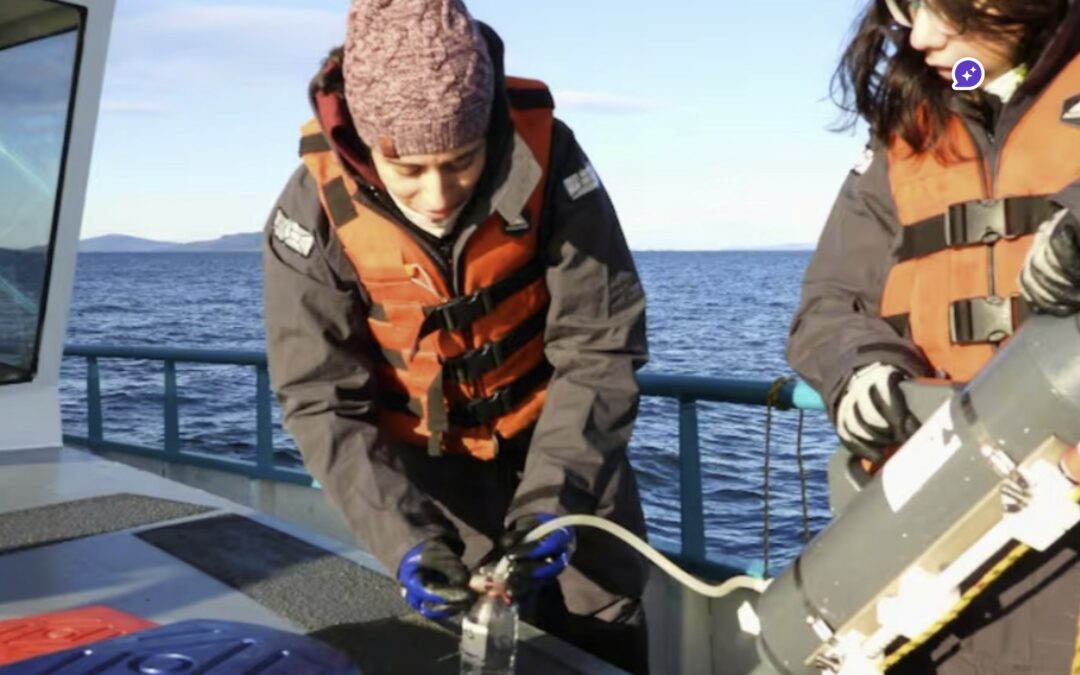
For field operations, the Scientific Research Vessel (BIC) Shenu serves as a base for navigation and surveys, with a monthly campaign at five coastal stations between Puerto Almanza and the east of Gable Island, opposite Puerto Williams (Chile). The project plans twelve campaigns until October. The ship is equipped with multiparameter instruments (CTD, light and chlorophyll sensors) as well as equipment for storing and processing samples taken at depths of between 5 and 8 meters, which are then analyzed in Cadic's laboratories.
On the Newsan Food side, director Fabio Delamata explains: “The company's objective is to conduct a study of the marine environment to consolidate the creation of an aquaculture development hub based on sustainability, environmental protection, and an industrial perspective. Working with Conicet means relying on data and information to achieve a solid, reliable, and long-term result.”
The company has invested nearly $10 million in cultivation lines, boats, and harvesting and seeding platforms, as well as an operational hub in Puerto Almanza. The overall plan calls for a $17 million investment to expand production with new collection and breeding lines.
The project aims to meet local demand, which fluctuates between 300 and 400 tons of mussels per year, currently imported from Chile, and to open the door to exports. Last summer, Newsan sent a batch of 10 tons of mussels cultivated in the Beagle Channel to Buenos Aires, whole, frozen, and pre-cooked in the channel's water.
The results of Conicet's research could not only diversify Tierra del Fuego's productive matrix, but also generate employment and raise environmental awareness in the community. “This would strengthen environmental awareness as an alternative for diversifying the productive matrix and encourage sustainable development in Almanza,” emphasize Cadic members.
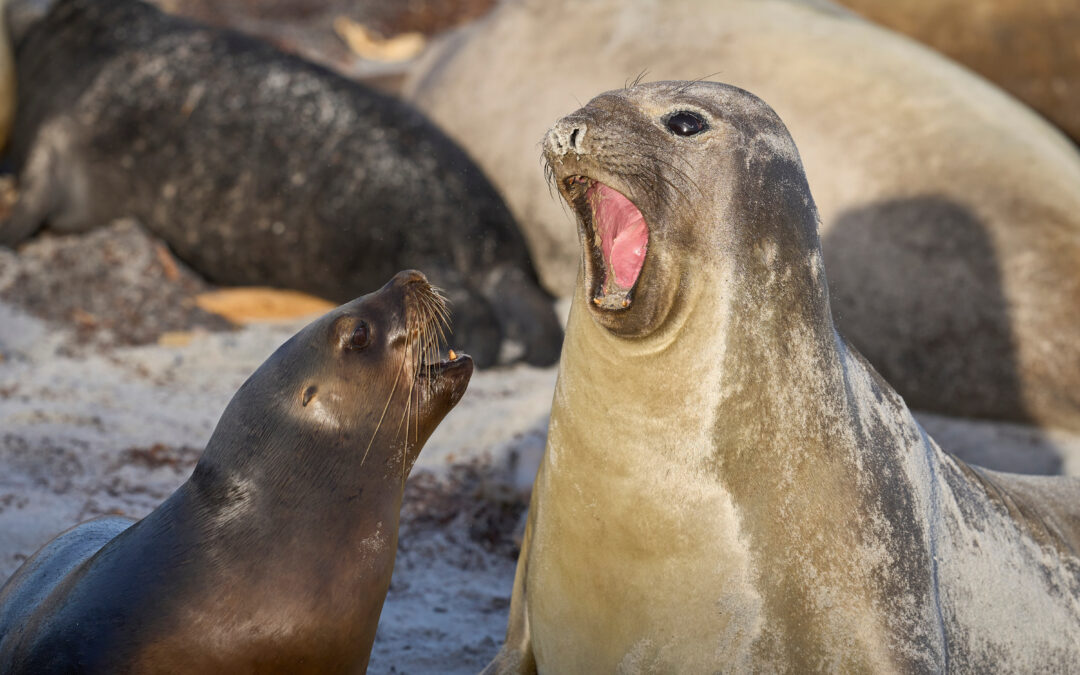
An outbreak of avian flu in 2023 hammered a colony of southern elephant seals in Chile’s Tierra del Fuego region, leading to a 50% decline in its population.
But over the 2024-2025 breeding season, the colony’s population recovered, with 33 pups being born.
An alliance between the Chilean branch of the Wildlife Conservation Society and the regional environmental department has been monitoring this particular colony for years, braving the remoteness and extreme weather at the southern tip of the Americas.
Experts posit that the site, Jackson Bay, may serve as a natural refuge from the avian flu because it’s geographically isolated as a fjord.
Year after year, a colony of elephant seals arrives in Jackson Bay, on the islands of Tierra del Fuego at the southern tip of Chile, to molt and breed. However, in 2023, an outbreak of avian flu devastated the region, and the colony’s population dropped by half.
In 2020, when avian flu caused devastating losses in seabird colonies in Europe and Southern Africa, experts initially thought the virus’s spread to mammals would be limited to terrestrial carnivores. However, during the outbreak in 2021 and 2022, the virus affected seals and whales in both Europe and North America. In 2023, when the virus arrived on the South American coast, the pathogen showed that it was capable of causing large-scale mortality among marine mammals. The southern elephant seal (Mirounga leonina) was one of the most heavily impacted species.
But good news arrived in April 2025, when researchers found that the elephant seal population in Jackson Bay had doubled to 200 individuals, including 33 pups.
“It is great news for the conservation of the species, because Jackson [Bay], by being in inland waters of fjords and canals, may act as a protective barrier against pandemics,” says Cristóbal Arredondo, a veterinarian and terrestrial program coordinator for the Wildlife Conservation Society (WCS) Chile,. Since 2008, WCS Chile has monitored this colony alongside the environmental department of the Magallanes region, which encompasses Tierra del Fuego.
Elephant seals in Jackson Bay. Image courtesy of Francisco Brañas.
A refuge from the virus
Jackson Bay is home to “the largest elephant seal colony in Chile,” according to Javiera Constanzo, a veterinarian and the One Health approach manager for WCS Chile. The bay is located between two protected areas: the Multiple Use Marine and Coastal Protected Area Seno Almirantazgo, or Admiralty Sound, which is administered by the Ministry of the Environment, and Karukinka Natural Park, which is a private conservation initiative administered by WCS Chile.
Karukinka Natural Park is a vast natural refuge that spans approximately 300,000 hectares (741,000 acres) of diverse ecosystems. Admiralty Sound, which surrounds the coasts of Karukinka, receives freshwater from several glaciers in the Cordillera Darwin, an ice-capped mountain range. Since Admiralty Sound is a large fjord — a deep, narrow valley with glacial origins that has been filled with seawater — it’s mix of freshwater and saltwater makes it highly productive. And as a government-protected area, Admiralty Sound is vital for the elephant seal population, Constanzo says, by prohibiting activities that could affect the species.
Above all, Jackson Bay’s isolation might make it a refuge for the colony of elephant seals. This hypothesis is still being studied, but “what is being observed is very positive for the conservation of the species,” Constanzo says.
During the most recent season, 33 pups were born. Image courtesy of WCS.
Successful monitoring after 2023 avian flu
Data from satellite transmitters show that some of the Jackson Bay elephant seals stay put while others migrate from different places, coming from the Pacific Ocean or traveling in the Atlantic until they reach the Valdés Peninsula in the central Argentine Patagonia.
In 2023, during the highly pathogenic avian flu outbreak, there was a mass die-off of elephant seals in Argentina: according to a study published in Nature Communications, approximately 17,000 of the animals died.
At Jackson Bay, researchers recorded only about 100 individuals in the colony that year, less than half of the number recorded in prior years.
“We eagerly hoped that in the following season, the colony’s numbers would recover,” Arredondo says. And they did. The 2024-2025 season resolved any doubt: 200 elephant seals were seen in Jackson Bay in December, which is the month when the colony’s population normally peaks. Researchers also recorded the births of more than 30 elephant seal pups, the same number as recorded in 2023.
Researchers from WCS Chile and the Magallanes regional department of the environment in Jackson Bay. Image courtesy of Francisco Brañas.
The colony in Jackson Bay has “now recovered its numbers after the avian flu,” Constanzo says.
Experts attribute the rapid reestablishment of the elephant seal colony in Jackson Bay to several factors. For one, its location in the inland waters of fjords and canals, far from other affected colonies, may have served as a natural barrier against avian flu, reducing the risk of contagion.
The researchers suggest that elephant seals that contracted the highly pathogenic avian flu virus may not have managed to return to Jackson Bay, likely dying before reaching their destination.
About 200 elephant seals were seen in Jackson Bay in December 2024. Image courtesy of WCS.
Monitoring in an extreme area
Wind speeds in Jackson Bay can hit up to 120 kilometers per hour (75 miles per hour), presenting significant challenges for researchers as they disembark. However, this didn’t stop marine biologist Marina Maritza Sepúlveda from traveling to Jackson Bay in 2023 with a team of Chilean and British scientists. They fitted satellite transmitters on several elephant seals arriving in Jackson Bay, part of an ongoing project that WCS Chile is supporting.
Sepúlveda says the transmitters help scientists track the colony as it travels along the Cape Horn Current, one of the “least-studied and [least-]known currents in Chile,” and one that is “extremely important to understand.”
WCS Chile has also joined the team to monitor the colony of elephant seals. Given the high logistical cost of reaching the area, every opportunity to collect data is taken advantage of.
“The opportunity to have the animals there lets us maximize the chance to gather valuable scientific data,” Sepúlveda says. For example, veterinarians like Arredondo and Constanzo collect nasal and anal swabs to study the elephant seals’ microbiome, including their bacteria and virus loads.
Jackson Bay is located in an area where wind speeds can hit up to 120 km/h. Image courtesy of WCS.
The researchers also gather data by using an ultrasound to measure the elephant seals’ fat layers, which allows for an assessment of their body condition. They extract whiskers and fur samples to analyze the seals’ trophic ecology and check for the presence of heavy metals, and they collect droppings to test for parasites.
During the most recent season, researchers also collected samples to confirm the presence of avian flu in the colony. Those samples are now being processed.
“Teamwork allows us to optimize resources, share knowledge and ensure the collection of valuable data that contribute to the understanding and conservation of this colony of elephant seals,” Arredondo says.
Researchers have been monitoring the elephant seal colony in Jackson Bay as a long-term project for more than 16 years.
Every year between October and April, a small team hikes across the entire beach and coastal area. During these inspections, the researchers categorize the elephant seals by age and sex, which helps them understand the population composition of the colony. However, depending on a seal’s position on the ground, some individuals can’t be identified; in those cases, scientists put them into the “sex not determined” category, Constanzo says.
Every year between October and April, a small team of researchers travels across the entire beach and coastal area to gather information about elephant seals. Image courtesy of WCS.
Elephant seals spend most of their lives in the water and only travel onto land to breed and molt, in a process that takes about one month. During this time, they don’t enter the water for food. This means that any change that increases their energy consumption is a problem, according to Arredondo. That’s why the researchers ensure they maintain a safe distance from the seals that “does not disrupt” their behavior.
In addition to counting elephant seals in person, they also used drones to map the area. These help researchers collect detailed images of the locations of the elephant seals.
Francisco Brañas, an expert with the protected areas unit of the regional environmental department, says processing these images can allow researchers to obtain additional information, such as individual measurements. Researchers can estimate the elephant seals’ body weight and evaluate their physical condition to determine whether they have sufficient food, according to Brañas.
“The images captured by the drones provide us with a more complete and precise view of the colony,” he says.
Regular monitoring has been key to evaluating the recovery of the colony, which was first described in 2006. That year, 46 individuals were recorded. Since then, the numbers have grown overall.
The striking increase in the elephant seal population in Jackson Bay is not only a testament to the species’ resilience, but it also reflects the collaborative efforts that are crucial to carrying out this monitoring work in a remote and extreme-weather area.
Elephant seals spend most of their lives in the water and only travel onto land to breed and molt. Image courtesy of Pablo Lloncón.
Banner image of an elephant seal in Jackson Bay, courtesy of Francisco Brañas.
This story was first published here in Spanish on May 1, 2025.
The closing ceremony of "EMUSH 2025" [International Muralists Meeting in Ushuaia] took place in the Niní Marshall Hall of the House of Culture. The eleven participating artists added their works to the more than 350 murals currently found in the city.
The Secretariat of Culture and Education of the Municipality of Ushuaia organized the closing ceremony of the 6th International Muralists Meeting at the End of the World "EMUSH 2025," held in the Niní Marshall Hall of the House of Culture.
During the event, which was attended by the city's mayor, Walter Vuoto, the works created by the 11 selected artists were showcased, and each of them received a certificate of participation in the Meeting.
On this occasion, the works of Antonela Gualla and Rodrigo Crespo from Ushuaia, Enrique Jorge Bernard and Sofía Hst from Río Grande, Julia Anahí Tiscornia from Río Negro, Adrián Cola and Martín Agazzi from Buenos Aires, Agustina Cantoni from San Juan, Soledad Moisas from Ayacucho, Lucas Artola from La Plata, as well as guest artist Sebastián Daels, were presented, alongside participants including muralists and artists from the city, graduates of the Polivalente de Arte, and Agustín, a young person with a disability who specializes in watercolor and accompanied the work at various locations throughout the city.
“We are proud to share this closing ceremony with the community, continuing this great challenge of an integrated public cultural policy entrusted to us by Mayor Walter Vuoto,” said Ushuaia’s Secretary of Culture and Education, Belén Molina, who confirmed that “Emush now has 60 artistic interventions to its credit, depicting aspects of our identity on our walls.”
The official thanked “all those who made this new edition of Emush possible, the artists and residents who donated their walls, the participants who collaborated and supported the process, as well as Ushuaia’s ambassador and ambassadress, María José Pazos and Omar Lemul, who supported the process throughout.”
The president of the Commission 3 of the Provincial Parliament, Legislator Laura Colazo, conducted a meeting with the indigenous people communities. This is an initiative from the Green deputy to include them in the decision making within the Consultative Commission of the Indigenous Forests (CCIF). « We have the opportunity to acknowledge and make the autochthonous people of our Province visible who have lived and still live on these lands and offer a historical rectification, she declared. She also mentioned the necessity to expand the energetic matrix of the province to support a sustainable production process.
Source: https://www.radiouniversidad.com.ar/2024/08/26/dictamen-para-que-pueblos-originarios-participen-en-el-consejo-consultivo-provincial-de-bosques-nativos/ Translated from Spanish into French by the Karukinka association.
Río Grande. Last Thursday, Legislator María Laura Colazo (Green Party) attended a new meeting of the Natural Resources Commission n°3, which she presided. This was the occasion to discuss her initiative dedicated to “The 109/24 Case” with the aim of promoting the permanent integration of the representatives of the autochthonous people to the Consultative Commission of the Indigenous Forests (CCIF).
To this motive, the Parliamentary appreciated the attendance of the members of the communities: Rafaela Ishton and Paiakoala. “We have the opportunity to acknowledge and make the autochthonous people of our province visible who have lived and still live on these lands, and to offer a historical rectification”, declared Colazo.
The Parliamentary also underlined the utmost importance of the Selk’nam and Yagán people’s voices being part of the CCIF and that they have their place in this consultative body. “This is why we invited them, we wanted to have their support.”
She also added that this way they are “integrated” into the territorial discussion and planning processes. The Selk’nam people is the only autochthonous people who own their community propriety title”, she added.
It’s worth noting that the initiative includes amendments to provincial law n°869. In Article 14 of the aforementioned standard, the paragraph “q” is added, which specifies the integration of a representative for each indigenous community from the province with a legal status registered on national level.
Eleonora Anderson Varela, herself, from Rafaela Ishton’s community was thankful for this space: « We are delighted to have a place at the CCIF, this is a historical event for us. The community owns approximately 36000 hectares of which 80% are made of forests”, she declared.
Another member of the community, Alexis González Palma, told them “It is very important for us because they are giving us back our dignity and the possibility to tackle issues which affect us as autochthonous people of these lands”, he declared.
It’s worth noting that Tarcisio Vargas and Damián Nenes Vargas, from the Yagán people, also attended the Commission meeting as representatives of the Paiakoala community.
« Today, the autochthonous people are beginning to be respected. Taking care of our forests is good not only for the communities but also for the totality of the population. We risk losing the canelo and need to take care of it together”, declared Vargas, a Yagán referent.
Legislatofs Raúl Von Der Ensuren and Lechman (SF), Juan Carlos Pino (PJ), Federico Greve and Federico Sciurano (FORJA), as well as Legislatir Gisela Dos Santos (SF) were present.
Two million dollars for the Native Forests
It’s worth noting that Legislator María Laura Colazo attended the second annual meeting of the Consultative Commission of the Indigenous Forests of which she is a member, and which was held at Tolhuin Tourism Secretary beginning of August.
On that occasion, the working paths which will be followed were analysed, after it was learnt that the “Green fund for the climate» programme, which will be run through United Nations Organisation for food and agriculture (FAO), and rising from an initiative led by the national government and the province and called Reduction of the Emissions related to the Deforestation and Degradation of the forests (REDD).
The programme comes to the Land of Fire with a component which will be dedicated to the forest conservation work with the autochthonous communities, among which the global community Plan with Rafaela Ishton’s Selk’nam community and also at the productive development of the forestry bay of Tolhuin; the other component will also be used for the prevention of wood fire at the interface of Ushuaia. It’s worth noting that, according to the programme of fire prevention at the forest-urban area interface, we mean by fire a “fire which grows in the transition areas between the urban, rural or forestry areas where the structures of the buildings are mingled with the plants».
Approximately two million dollars will be allocated to the Land of Fire province “and the project in general, as mentioned by Engineer Francisco Jofré who is FAO’s representative which is in the province, is approximately 85 million dollars for the totality of the country in this programme called RedMás, a specific programme also related to the climatic change.
Members of the Forest National Board of Management and the FAO for the Payments at Results project attended the meeting, as well as managers of the provincial government and representatives of the institutions forming the CCIF.
It’s worth noting that the United Nations Organisation for the food and agriculture better known as FAO and a specialised agency of UNO leading international activities which aims at eradicating hunger.
The organisation is conducting several projects implemented all around the country. It plays a fundamental role in striving towards food safety, family farming reinforcement, transformation of food-processing systems and sustainable development.
“A lot of families live off the forestry sector”
During a talk with “La Mañana de Tecno”, broadcast on Radio Universidad 93,5 MHz, the Green Parliamentary reminded that the forestry consultative commission “is taking place under the 869 provincial law and is a environment composed of various actors” who are related to everything concerning the use of the whole forestry sector, what is active in our province. So, as a representative of the legislative Assembly, I have to be part of this space.”
Laura Colazo explained that « the members of FAO, an international organisation under the United Nations, benefit from specific financing programmes used to manage several projects in our country. And in this project which is very important and in the making in 23 provinces : we are working on those 3 issues in our province, which are the ones we talked about within the commission in order to grant approval to all the members to make progress in this area, while being able to follow through the community integration plans that the Forestry General Board of Directors works very well with the Selk’nam persons who have set up their authorities very recently, who have held elections. And the truth is that they have very interesting projects to be accomplished in our province, particularly in their community propriety, which represents 35 000 hectares owned in the Tolhuín region. And it is very important to achieve sustainable use, and the truth is that we think it is also important to assist them because it requires means to fulfil these projects.”
« For us, it’s very interesting to provide some assistance, everything needs to be done step by step. The technical advice mission will be carried out by means of organisations such as CIEFAP (Andine centre for the forestry research and vulgarisation of Patagonia), an organisation which has also been working in our province for many years and will provide all the technical advice, so it also seems important to do this. When I say that Tolhuin’s mayor (Daniel Harrington) is present in the area, it’s because it comes down to stimulate the productive development of this sector so that it keeps on generating work sources such as in Tolhuin today.
With regard to this, Legislator Laura Colazo noticed that “a lot of the families live off work in the forestry sector and it seems important to add on value, to be able to create training, to be able to use all these resources in a sustainable way and all the way through the production line, not only in raw wood but also in the use of forestry residues.
She understood that “there is a great opportunity to create more productive companies, to generate more work while taking care of the environment, because we are talking here of forestry residues which, in some cases are burnt and could generate a transformable product, raw material” then able to generate new products which “ can be part of the circular economy paradigm, by salvaging them and reintroducing them into the productive sector».
« Productive matrix and energetic matrix go hand in hand»
The Green Parliamentary understood that “we need to concentrate on the economy laid out by the forestry sector; It is not about generating a product in a linear way where the waste goes to the kip, but it’s rather about considering this waste as a resource and send it back as raw material so that new competitive products are generated into the market sector and creating work».
When asked about the energetic deficit held by Tolhuin to support an industrial process, she recalled that « by the end of 2022, we voted to grant the province the right to access a credit authorized the ACD, the Andine Confederation of Development, and by means of other funds that the province may obtain. Already in 2002, we noticed the necessity to invest in the totality of energetic matrix expansion of the Land of Fire. A few days ago, we learnt that the national government’s approval was under way, to set up credits and invest in equipment. I think this is fundamental for the development and particularly to think about the energetic transition that our province must implement. Today, we are providing gas supply. Gas is a transitional fuel. And all the resources generated by licence fees, as this province is one of first to produced gas from Argentina, these resources generated from the licence fees can be used to develop a new energetic matrix largely fed by renewable energies. And this financing project, which we approved in 2022 at the Legislature, is now going forward with the Nation’s approval and demonstrates all this a little.
“It’s a core issue: if we want to talk about expanding the productive matrix, it must go hand in hand with expanding the province energetic matrix”, she finally declared.
The Assembly has approved a bill to add the Selk'nam people among the list of Indigenous Ethnic Groups recognized by the State.
Before it moved to the Executive for enactment into law, a bill was still waiting on a vote (bulletin 12862) to officially integrate the Selk’nam people to the Indigenous Ethnies recognized by the State.
This was made possible thanks to the Chamber Assembly, who approvel the modifications that were asked by Senate. The requested amendments were mainly about formality.
For the first review, the Chamber had drafted a text that specified the inclusion of the Selk’nam people into the norm of law 19.253 about Protection, Promotion and Development of Indigenous People. The Senate chose to refer to this norm and re-write the bill to include the Selk’nam people.
On this topic, the official bill now states:
“The State recognizes the following as main people or Indigenous ethnies of Chile: Mapuches, Aimara, Rapa Nui or Pascuense, Atacameño, Quechua, Colla, Diaguita, North Chango, Kawashkar or Alacalufe, Yámana or Yagán of the Southern Canals, and Selk’nam. The State recognizes their existence as an integral part of the foundation of the Chilean Nation, as well as their integrity and development, in accordance with their customs and values.”
The initiative started back in 2019 with a motion brought on by Claudia Mix (Comunes), Emilia Nuyado (PS), Camila Rojas (Comunes), Andrés Longton (RN), Jorge Rathgeb (RN) and Cristóbal Urruticoechea (PREP). Former Deputees Jaime Bellolio, Gabriel Boric, Amaro Labra and Gabriel Silber later joined the movement.
Justice for the Selknam people
The debate and original motion were presented by three of the authors: Claudia Mix, Cristóbal Urruticoechea and Emilia Nuyado; as well as independent speakers Hernan Palma and Carlos Bianchi.
The Deputee unanimously supported the proposition and marked the importance of justice and providing those who survived the near extermination of the Ethnic group with rights.
In this context, many turned their speech and their looks towards the benches to recognize the work of Selk’nam community leaders who had long fought to make this legal recognition happen.
The specificity of the Selk’nam people and their unique lifestyle at the Southernmost areas of our country were also highlighted. At the same time, the Chilean State’s role in the relentless hunt of Indigenous people in the 19th and 20th century was reminded. This genocide was motivated by land ownership and livestock farming.
Javiera Toro, Minister of Social Development, declared that this announcement helped repay the debt that the Chilean State owed the Selk’nam people. She also highlighted that the State now recognize them as ‘people’ and not just as an ethnic group.