The Cabo de Hornos Biosphere Reserve (Cape Horn Nature Reserve), established in 2005, is one of the southernmost and largest protected areas in the world, covering more than 4,884,000 hectares of southern lands and waters. It contains unique terrestrial and marine ecosystems, pristine subantarctic forests, remarkable biodiversity—including over 5% of the world’s bryophyte diversity—and the populations of the Yaghan people, who maintain a millennia-old connection with these extreme landscapes.
Table des matières
The Cabo de Hornos Biosphere Reserve was included in UNESCO’s “Man and the Biosphere” program in June 2005, becoming both the southernmost and one of the largest biosphere reserves in South America. Spanning about 4,884,274 hectares, it comprises a terrestrial area of 1,917,238 ha and a marine area of 2,967,036 ha, integrating for the first time in Chile both marine and terrestrial ecosystems under a unified conservation status. The Alberto de Agostini and Cape Horn National Parks form the core protected area, where all infrastructure development is strictly prohibited.
1. Geography and zoning of the Cape Horn nature reserve
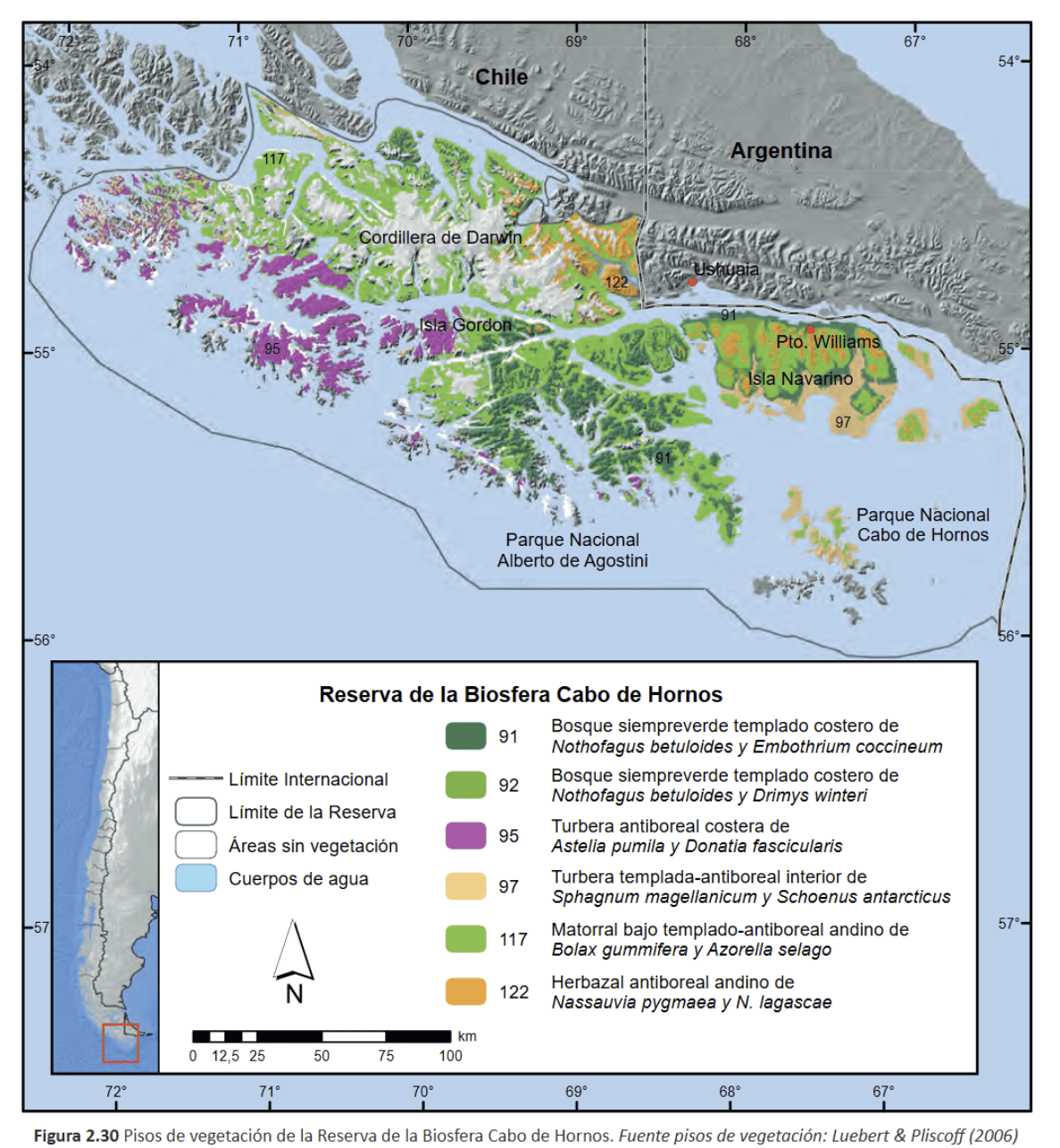
Geographically, the reserve extends across the Tierra del Fuego archipelago, between 54.1° S and 56.2° S latitude, and 66.1° W and 72.5° W longitude. It includes the Wollaston, Hermite, Navarino, and Hoste islands, as well as channels (including the Beagle Channel), fjords, and currents that form a landscape shaped by glaciations and tectonic activity. The UNESCO MAB Reserve zoning (Cabo de Hornos Biosphere Reserve, i.e., the southern Chilean marine reserve) is structured into three areas:
The core zone (Alberto de Agostini National Park including the Darwin Range, and Cape Horn National Park) is strictly protected.
The buffer zone, where light and sustainable activities are allowed.
The transition zone, including isolated villages like Puerto Williams and limited infrastructure under a sustainable development framework.
The reserve’s subantarctic forests are the southernmost on earth. Dominated by three Nothofagus species—N. pumilio, N. betuloides, and N. antarctica—they form both deciduous and evergreen stands, interspersed with peat bogs and alpine heaths. These forests are among the world’s rare examples of non-fragmented temperate forest. The organic-rich soils support vast carpets of bryophytes, typical of the cool, humid environment; these play a crucial role in the hydrological cycle and carbon sequestration.
2.2 Marine and coastal ecosystems
The marine component of the reserve centers around a complex network of fjords, channels, and underwater plateaus. The Humboldt current and the mixing of cold Pacific and Atlantic waters have fostered the development of kelp forests (Macrocystis pyrifera, Durvillaea antarctica) forming “underwater forests” that host diverse invertebrate fauna and fish communities. Intertidal habitats harbor macroalgae species and numerous endemic invertebrates, while the cold, oxygen-rich waters support populations of seals, sea lions, and several cetacean species.
3. Biological diversity and endemism: subantarctic biodiversity
3.1 Bryophytes and lichens
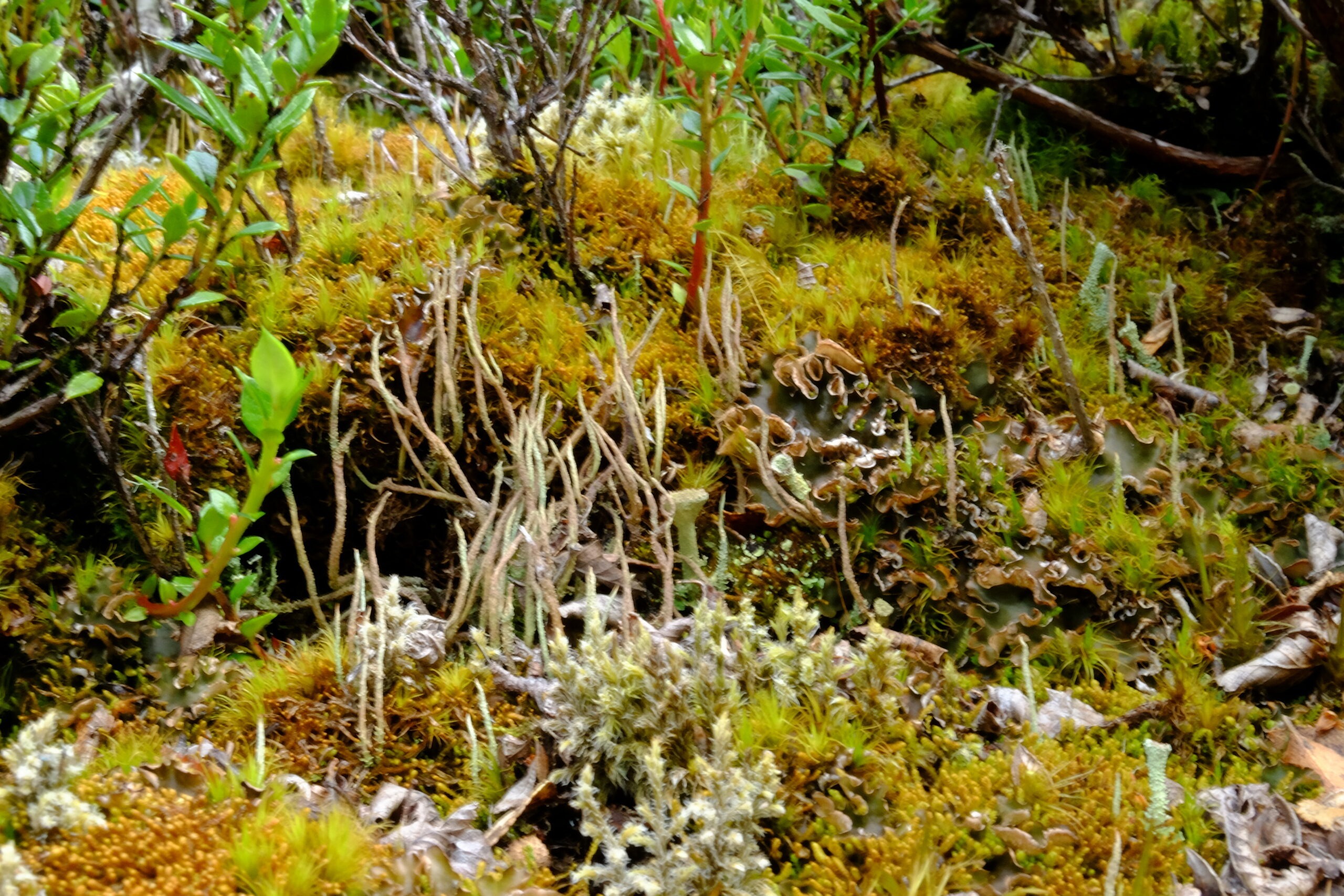
With over 300 species of liverworts and 450 species of mosses, the reserve is a global hotspot for bryophytes, representing more than 5% of global diversity on less than 0.01% of the world’s land surface. These communities, described as “miniature forests,” serve as sentinels for assessing the impacts of climate change and rising UV radiation.
Example of bryophytes / miniature forest (mosses, liverworts, and lichens) from the Cape Horn Biosphere Reserve (MAB-UNESCO); Navarino Island, 2020 (c) Lauriane Lemasson.
3.2 Terrestrial and marine fauna
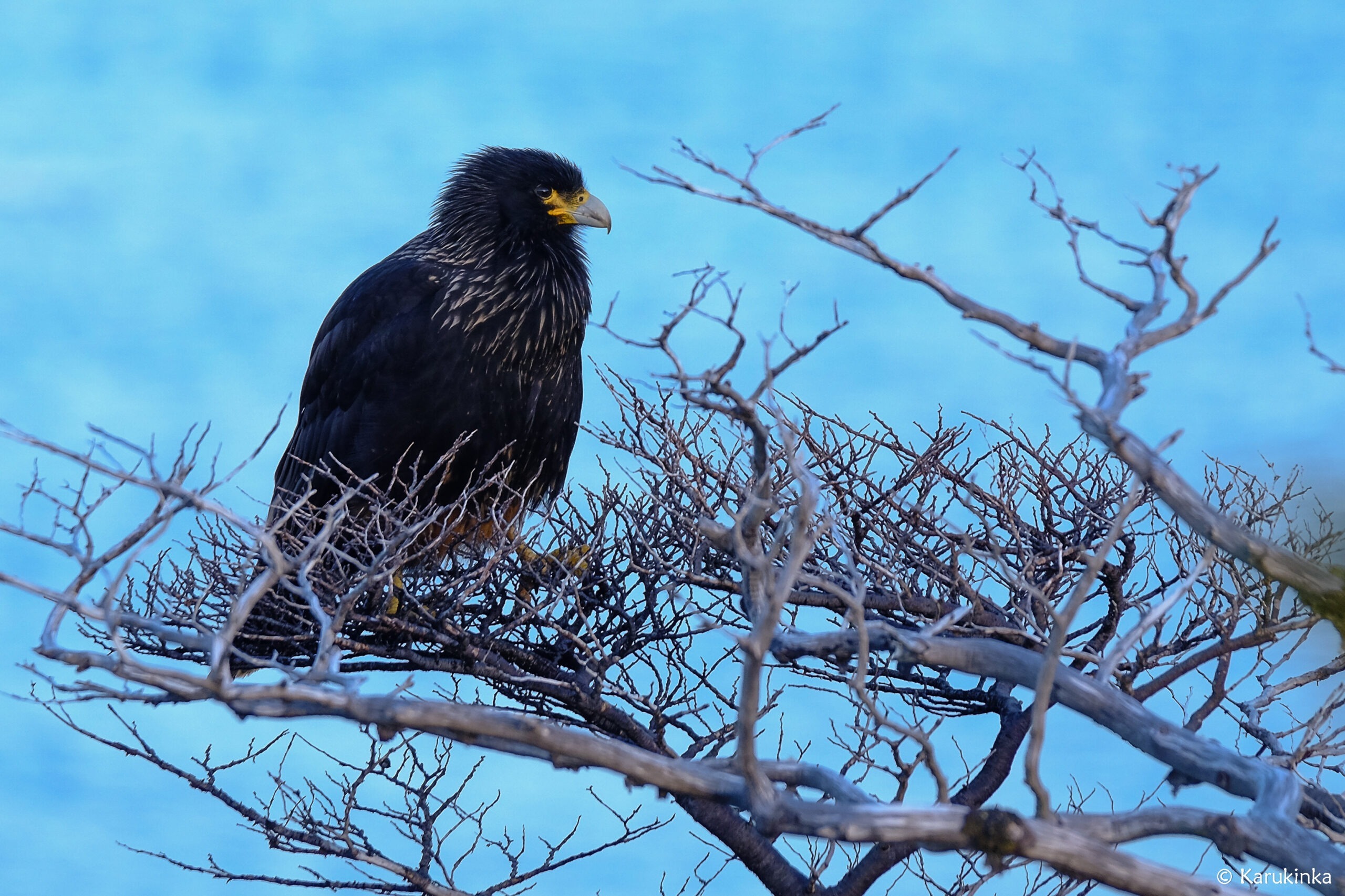
Terrestrial fauna include the southern river otter (Lontra provocax), the Magellanic woodpecker (Campephilus magellanicus), and other endemic birds. In the marine environment, the surrounding waters are home to black-browed albatross, giant petrels, Magellanic penguins, and stable populations of fur seals and leopard seals, highlighting the ecological importance of this protected area.
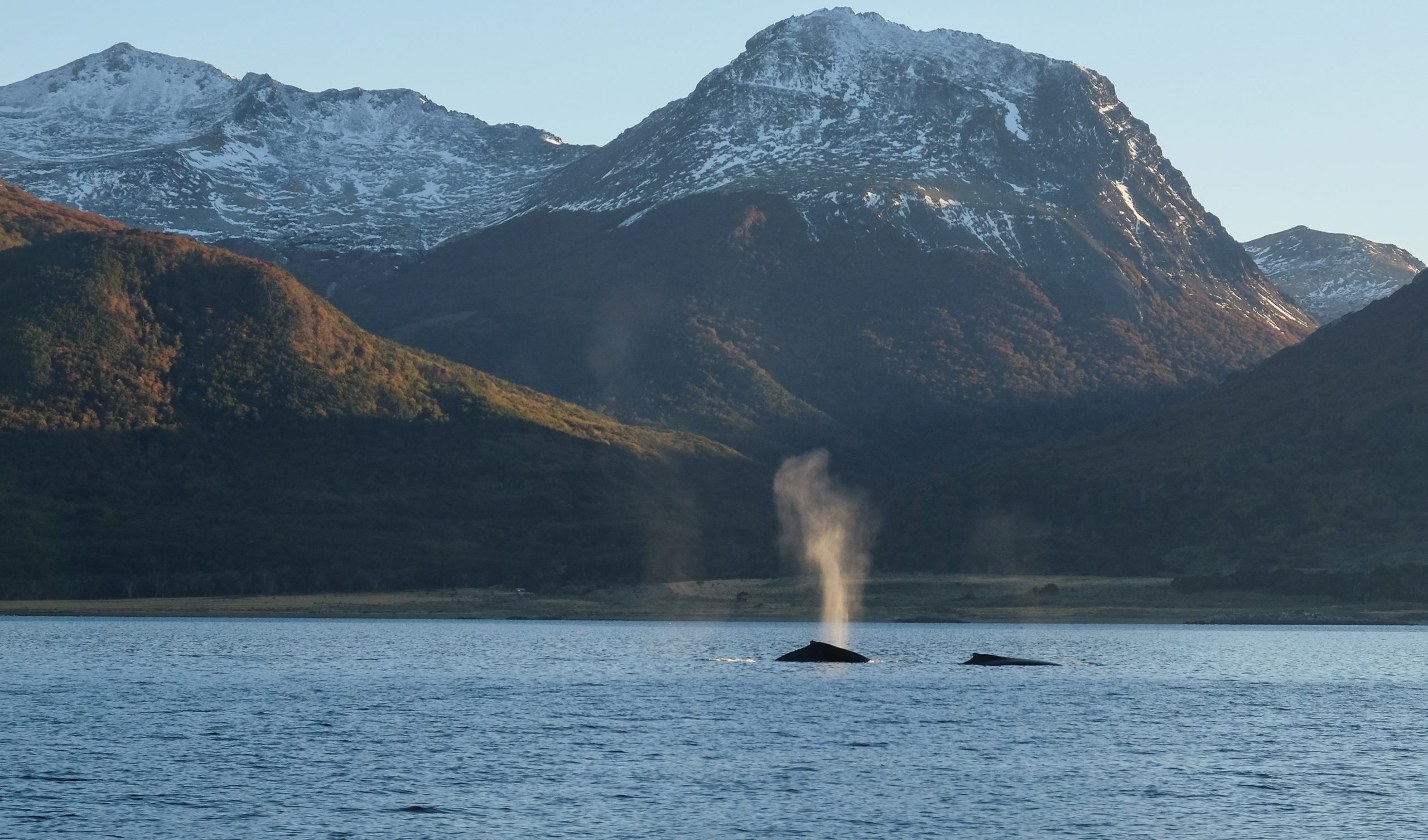
A black Carancho from Martial Bay (Cape Horn Reserve, April 10, 2025, during a sailing expedition at Cape Horn and in the Patagonian channels)Whales in the Beagle Channel during the 2018 expedition (Karukinka Association)
4. Biocultural dimension and Yaghan ethnology
The reserve is also a cultural sanctuary. The Yaghan, nomadic people of the southern channels, are the world’s southernmost indigenous group, with a presence dating back over 7,500 years, as evidenced by archaeological sites on Navarino Island. They continue to possess expert knowledge of canoe navigation and subantarctic ecology, and have actively participated in research within the reserve, particularly through the Omora Ethnobotanical Park near Puerto Williams. Their oral traditions, language, and knowledge of local flora and fauna are incorporated into educational and conservation programs. Ecotourism in Patagonia is also a key activity of the Omora initiative.
5. Governance and management
The reserve is managed by a board chaired by the regional governor, involving public agencies and local organizations. The scientific committee, coordinated by the Omora Park and the University of Magallanes, leads research, ecological monitoring, and participatory conservation efforts. In 2006, the reserve joined UNESCO’s Ibero-MAB network, strengthening transnational cooperation for research and training.
6. Threats and conservation challenges
Despite its isolation, the reserve faces several threats:
Uncontrolled tourism development, particularly southern cruises and increased traffic around Cape Horn, poses risks of pollution and disturbance to marine wildlife.
Intensive salmon farming in northern fjords introduces exotic species and degrades water quality. Salmon now breed in these waters, impacting native species such as the robalo.
The spread of introduced species such as the North American beaver and mink threatens riparian forests, streamside habitats, and shorebird nesting sites.
Long-term monitoring programs, such as the Omora initiative and Long-Term Ecological Research (LTER) stations, assess these pressures and propose adaptive measures. However, monitoring is hampered by the vastness of the reserve and its logistical challenges.
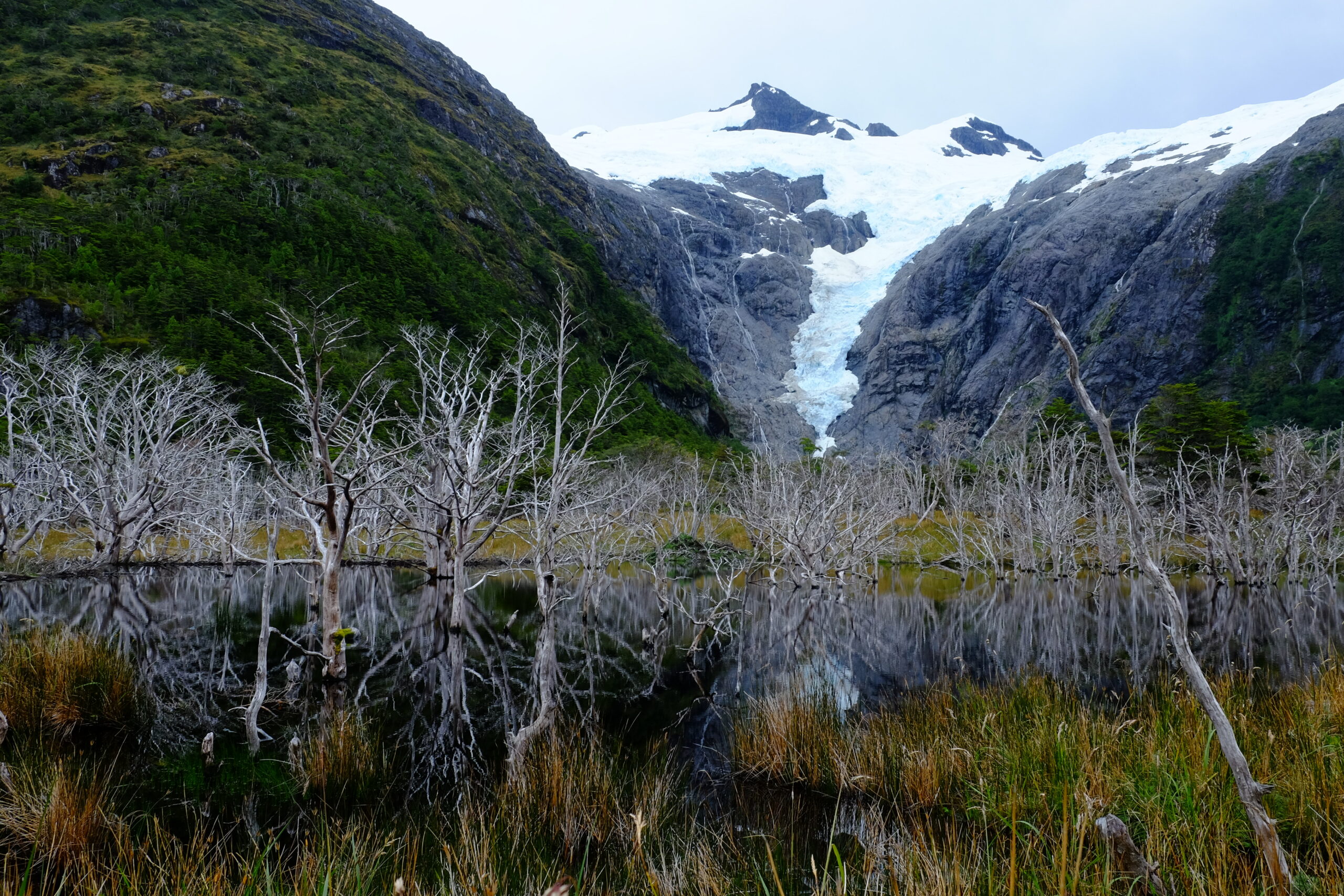
Lake created at the foot of a glacier by beavers, photographed during a sailing expedition in Patagonia (Beagle Channel, Hoste Island, Cape Horn Biosphere Reserve, Chile).
7. Research and education initiatives
7.1 Omora Ethnobotanical Park
Founded in 2000, the Omora Ethnobotanical Park is at the center of a transdisciplinary approach combining ecology, environmental philosophy, and “field philosophy” education. It offers educational trails, including “miniature forests,” to raise public awareness of bryophyte diversity and the link between biodiversity and Yaghan culture.
7.2 Cape Horn International Center (CHIC)
Inaugurated in 2020 in Puerto Williams, CHIC brings together researchers, artists, and indigenous communities to develop a model for biocultural conservation, technical training, and sustainable development. Its programs address the responses of biodiversity to climate change, the management of invasive species, and the formulation of public policy adapted to subantarctic zones.
The Cabo de Hornos Biosphere Reserve remains one of the rare refuges where harmonious coexistence between local inhabitants and ecosystems at the literal edge of the world is fully realized. Securing its future means strengthening participatory governance, managing invasive species, and supervising polar tourism under the banner of responsible ecotourism. Finally, the ongoing integration of Yaghan knowledge in research and education programs will ensure the preservation of both the biological and cultural heritage of this unique subantarctic sanctuary.
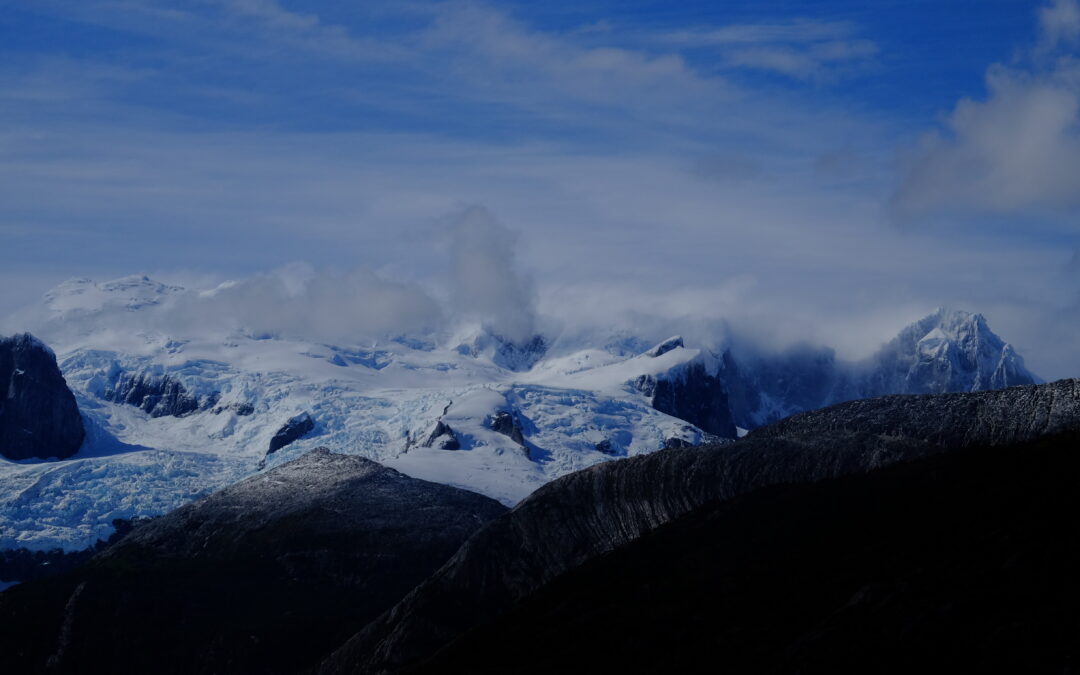
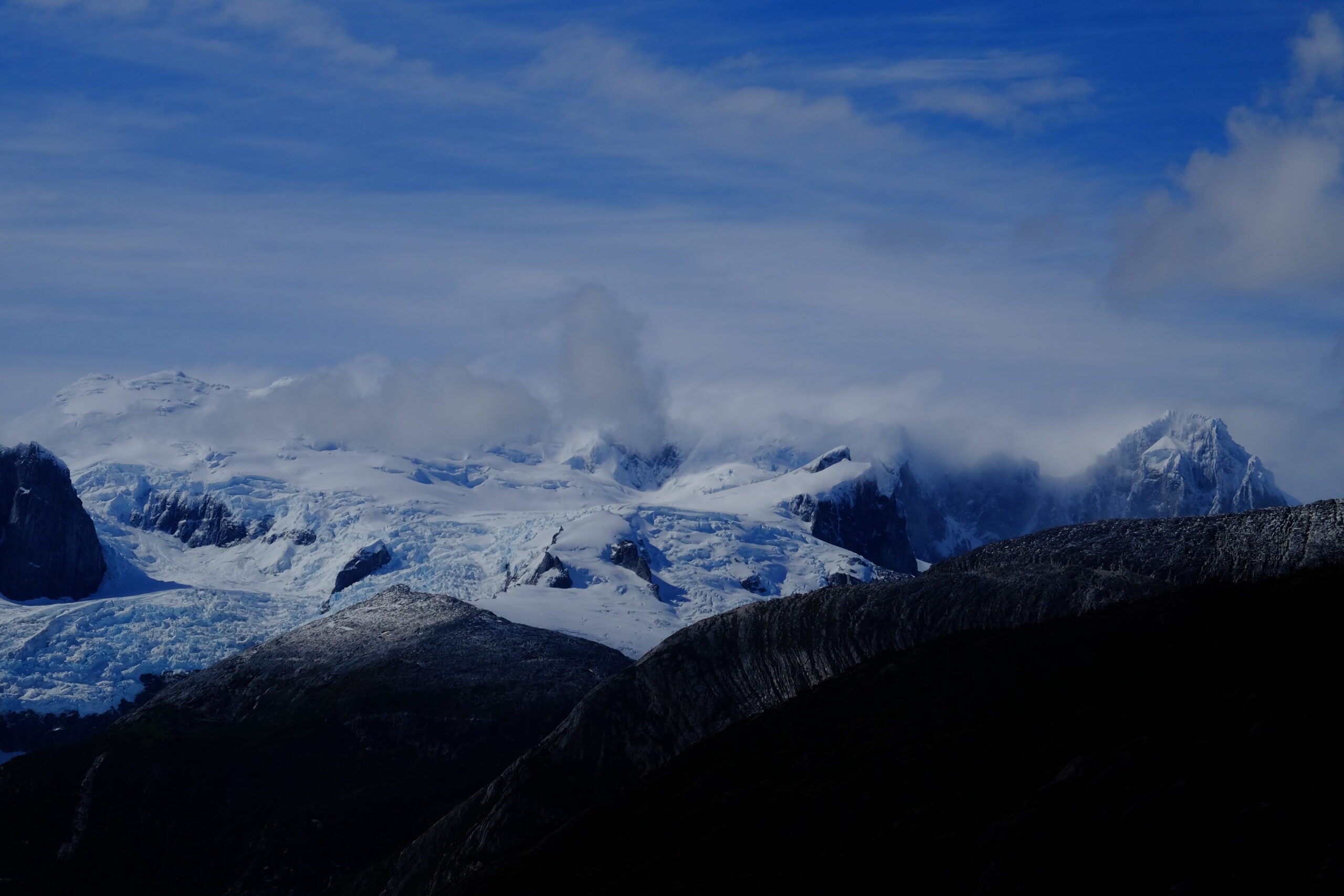
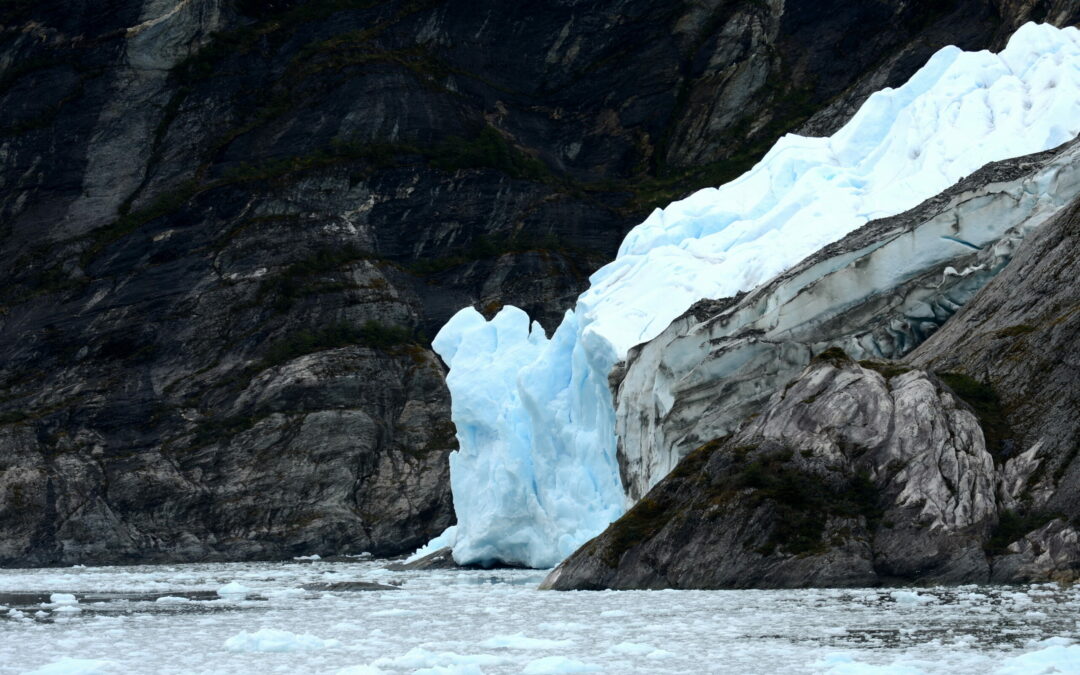
Pia Glacier, Patagonian Channels, Darwin Range, Cape Horn Biosphere Reserve, Magallanes, Chile, 2025
Bibliography
Rozzi, R. et al. (2006). Ten Principles for Biocultural Conservation at the Southern Tip of the Americas: The Cape Horn Biosphere Reserve. Ecology and Society, 11(1). https://www.ecologyandsociety.org/vol11/iss1/art43/
Rozzi, R. et al. (2004). Omora Ethnobotanical Park: A Model for Integrating Biocultural Conservation and Environmental Philosophy in the Cape Horn Biosphere Reserve. Environmental Ethics, 26(2), 131–169. https://doi.org/10.5840/enviroethics200426226
Mittermeier, R. A. et al. (2003). Hotspots: Earth’s Biologically Richest and Most Endangered Terrestrial Ecoregions. Conservation International. https://www.conservation.org
CONAF (Corporación Nacional Forestal). (2023). Reserva de la Biósfera Cabo de Hornos. Gobierno de Chile. https://www.chilebosque.cl
Cape Horn International Center (CHIC). (2021). CHIC Strategic Plan 2021–2026. Universidad de Magallanes. https://www.centrochic.cl
Anderson, C.B. et al. (2011). Exotic ecosystem engineers transform sub-Antarctic forest structure and function. Biological Invasions, 13, 545–561. https://doi.org/10.1007/s10530-010-9841-4
Anderson, C.B. et al. (2019). Cape Horn’s Lessons for Sustainability. Science Advances (UNESCO CHIC/UMAG). https://advances.sciencemag.org/
Rozzi, R. et al. (2010). La Reserva de Biósfera Cabo de Hornos: una propuesta educativa y de desarrollo sustentable en el extremo austral de Chile. Universidad de Magallanes. Disponible sur la bibliothèque CHIC.
Cape Horn (Cabo de Hornos in Spanish, Kaap Hoorn in Dutch, Loköshpi in the Yaghan language) is far more than just a geographic point. Located at 55°58′ south latitude and 67°16′ west longitude, this rocky promontory at 425 meters above sea level marks the southernmost point of the Tierra del Fuego archipelago and symbolically marks the meeting of the Atlantic and Pacific Oceans. At 965 kilometers from the Antarctic continent and just 138 kilometers from Ushuaia, Cape Horn rises as the ultimate sentinel of the Americas before the vastness of the Southern Ocean.
Table des matières
Geographical Position of Cape Horn
Location within the Fuegian archipelago
Cape Horn is situated on Horn Island (Isla Hornos), the southernmost island of the Hermite archipelago, itself part of the vast island complex of Tierra del Fuego. This modestly sized island (approximately 6 km by 2 km) is administratively part of the commune of Cabo de Hornos, in the Antarctic Province, within the Magallanes and Chilean Antarctic Region.
Contrary to popular belief, Cape Horn is not the southernmost point of the South American continent — that title belongs to the Diego Ramírez Islands, located 105 kilometers to the west-southwest. However, Cape Horn remains the southernmost of the great historical sailing capes and the most symbolic nautical waypoint in the Southern Hemisphere.
Precise Coordinates and Strategic Distances
With exact coordinates of 55°58′28″ south latitude and 67°16′10″ west longitude, Cape Horn lies at a unique geographical intersection where the major oceans of the Southern Hemisphere converge:
Distance from Ushuaia (Argentina): 138 km to the north-northwest
Distance from Puerto Williams (Chile): 56 km to the north
Distance from the Antarctic continent: 965 km to the south
Distance from the geographic South Pole: 2,535 km
Geographic map showing Cape Horn at the southern tip of South America, adjacent waters including Drake Passage, and nearby islands located in the Pacific, Atlantic, and Southern Oceans. (Source : Wikipedia)
Geological Formation and Geomorphology
Regional geological context
The Cape Horn region is embedded in the complex geological history of Tierra del Fuego, shaped by Andean orogeny and Quaternary glaciations. The archipelago was formed through a process of collapse and fragmentation of the southern tip of the Andes, amplified by glacial erosion and rising sea levels following the last Ice Age.
The geological formations of Horn Island consist mainly of sedimentary and volcanic strata from the Upper Cretaceous period, bearing witness to the intense tectonic activity related to the closure of the Rocas Verdes marginal basin and the early stages of Andean compression. This explains the rugged topography of the region, characterized by moderate elevations but extremely fragmented coastlines.
Coastal Morphology
To sailors, Cape Horn appears as a 425-meter cliff dropping directly into the ocean. This distinctive coastal morphology is the result of marine erosion, Quaternary glacial-interglacial cycles, and ongoing tectonic activity.
The Magellan-Fagnano Fault, a left-lateral strike-slip fault running east–west through Tierra del Fuego, indirectly influences the geomorphology of the Cape Horn region. With a movement rate of approximately 6.4 mm/year, this fault is a reminder of the continuous tectonic activity that shapes this part of the world.
Cape Horn marks the northern boundary of the Drake Passage, an 809-kilometer-wide strait separating South America from the Antarctic Peninsula. This strait represents the shortest distance between Antarctica and any other continental landmass, only 135 kilometers wide at its narrowest point, between Cape Horn and Snow Island in the South Shetlands.
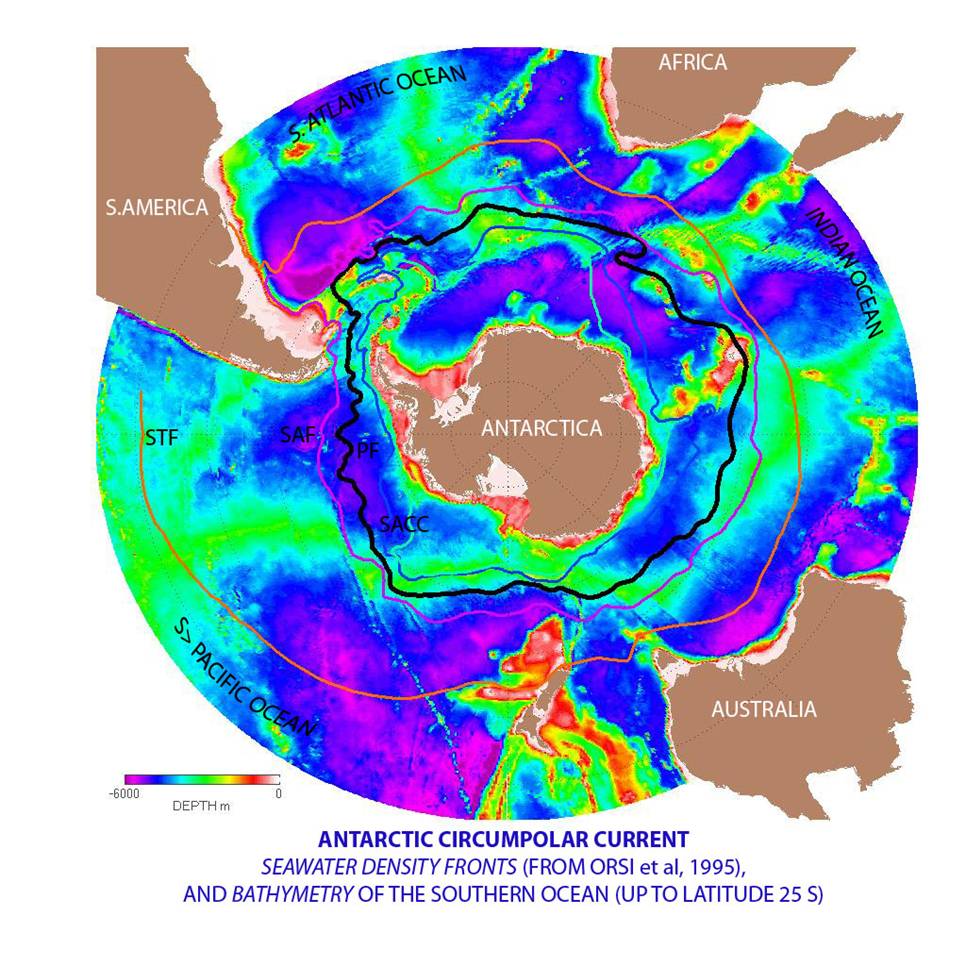
Map of the Antarctic Circumpolar Current and Seawater Density Fronts Around Antarctica, Showing Ocean Depth and Main Fronts Near the Southern Ocean and Surrounding Continents (source : Wikipedia)
Antarctic Circumpolar Current
The Drake Passage is the point of maximum constriction of the Antarctic Circumpolar Current (ACC) — the most powerful ocean current on Earth. The ACC transports an average of 150 million cubic meters of water per second — nearly 100 times the combined flow of all the world’s rivers. Its strength peaks at Cape Horn.
This oceanographic phenomenon is the main driver of the extreme weather conditions in the region. With no continental barriers, the ACC fuels the relentless west winds known as the “Roaring Forties” and “Furious Fifties”.
Subpolar Oceanic Climate
Cape Horn enjoys a subpolar oceanic climate, with relatively stable yet cold year-round temperatures. Average temperatures hover around 5°C, and the area receives up to 2,000 mm of rainfall annually, with nearly 278 days of rain per year.
Wind is the dominant climatic factor, averaging 30 km/h but frequently exceeding 100 km/h during storms. These conditions are directly linked to Cape Horn’s position within the zone of the Furious Fifties — a corridor of uninterrupted westerly winds that circle the Southern Hemisphere.
Biodiversity and Conservation Status
Cape Horn Biosphere Reserve (UNESCO)
Since 2005, Cape Horn has been part of the Cabo de Hornos Biosphere Reserve, recognized by UNESCO under the Man and the Biosphere Programme (MAB). The reserve spans 4,884,273 hectares, encompassing a core area of 1,347,417 hectares composed of the Alberto de Agostini National Park and Cape Horn National Park.
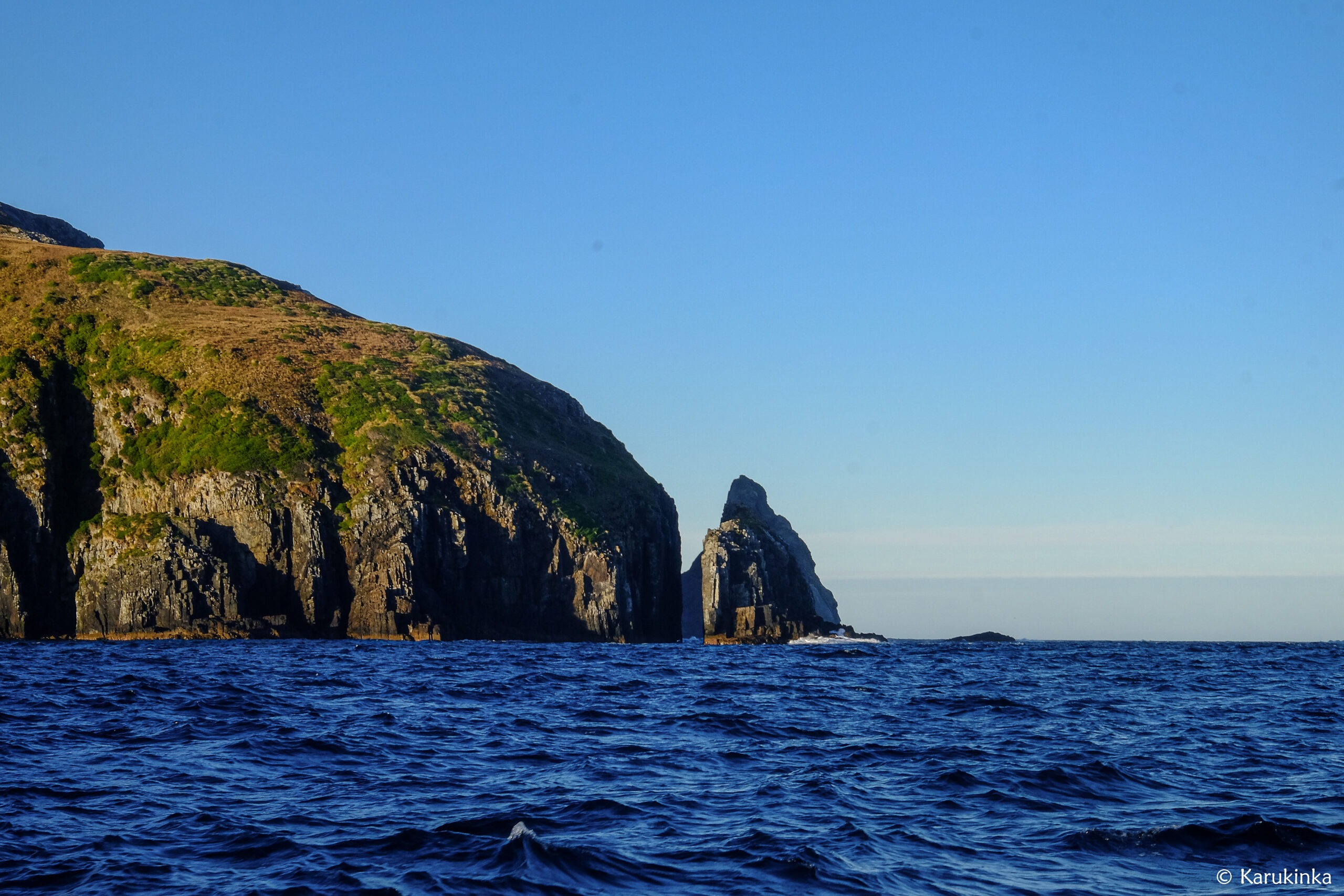
The southernmost part of Horn island during a sailing expedition to cape Horn with SY Milagro (Association Karukinka, 2025)
Cabo de Hornos National Park
The Cabo de Hornos National Park, created on April 26, 1945, spans 63,093 hectares and includes the Wollaston and Hermite archipelagos. It is the southernmost protected area on the planet, hosting unique subantarctic ecosystems adapted to harsh climatic conditions.
Exceptional Biodiversity
The Cape Horn region is home to the southernmost forest ecosystem in the world and harbors 5% of the planet’s bryophyte species (mosses and liverworts).
The flora comprises Magellanic subpolar forests, dominated by Nothofagus species (southern beeches), alongside rich communities of mosses, lichens, and ferns adapted to extreme cold and humidity.
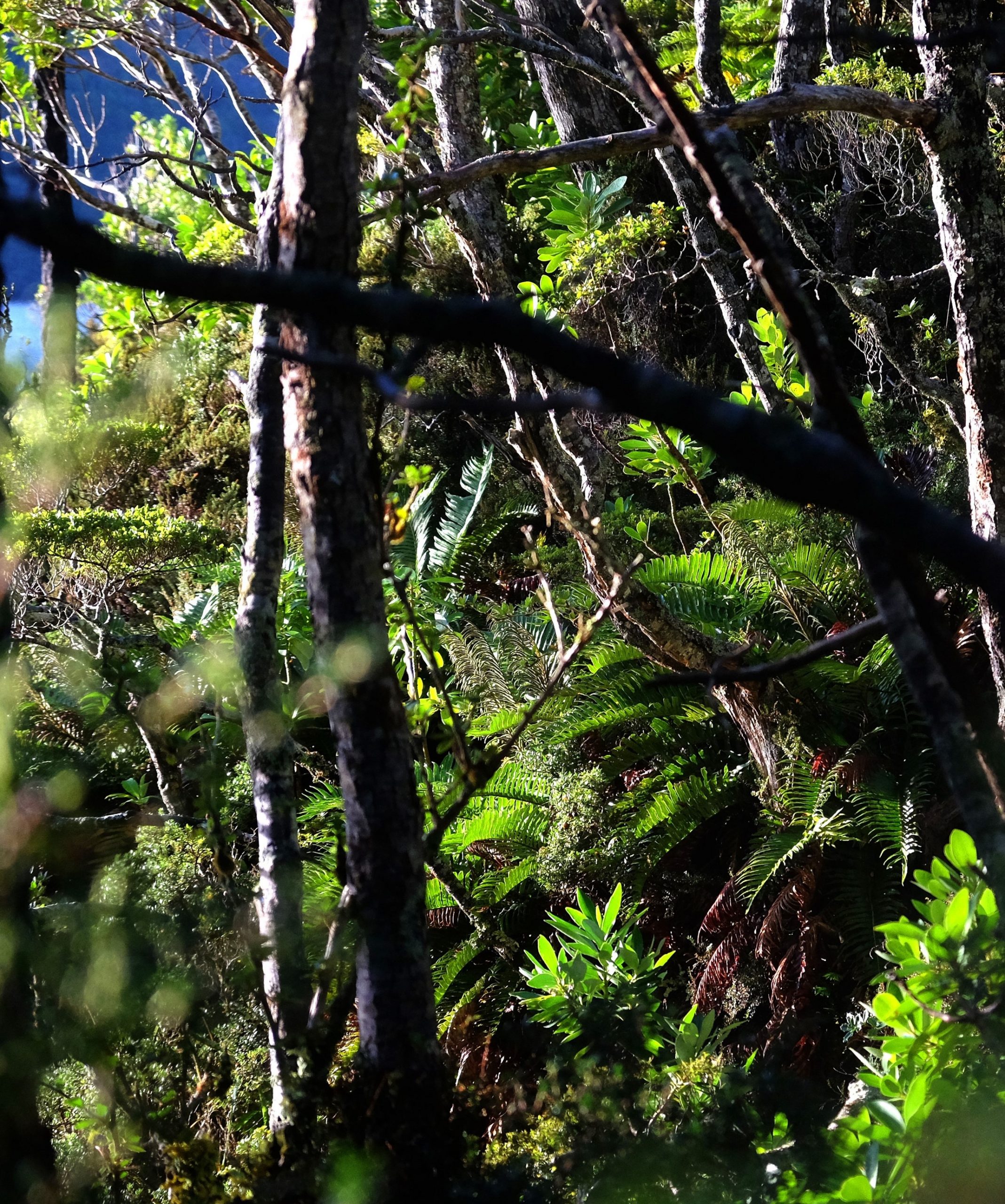
Primary forest in Tekenika Bay (Cape Horn Biosphere Reserve, Karukinka Expedition, 2018)
The marine fauna is equally impressive: humpback whales, southern dolphins, South American sea lions, elephant seals, and orcas are frequently observed. The birdlife is dominated by black-browed albatrosses, giant petrels, Magellanic penguins, imperial cormorants, and even Andean condors.
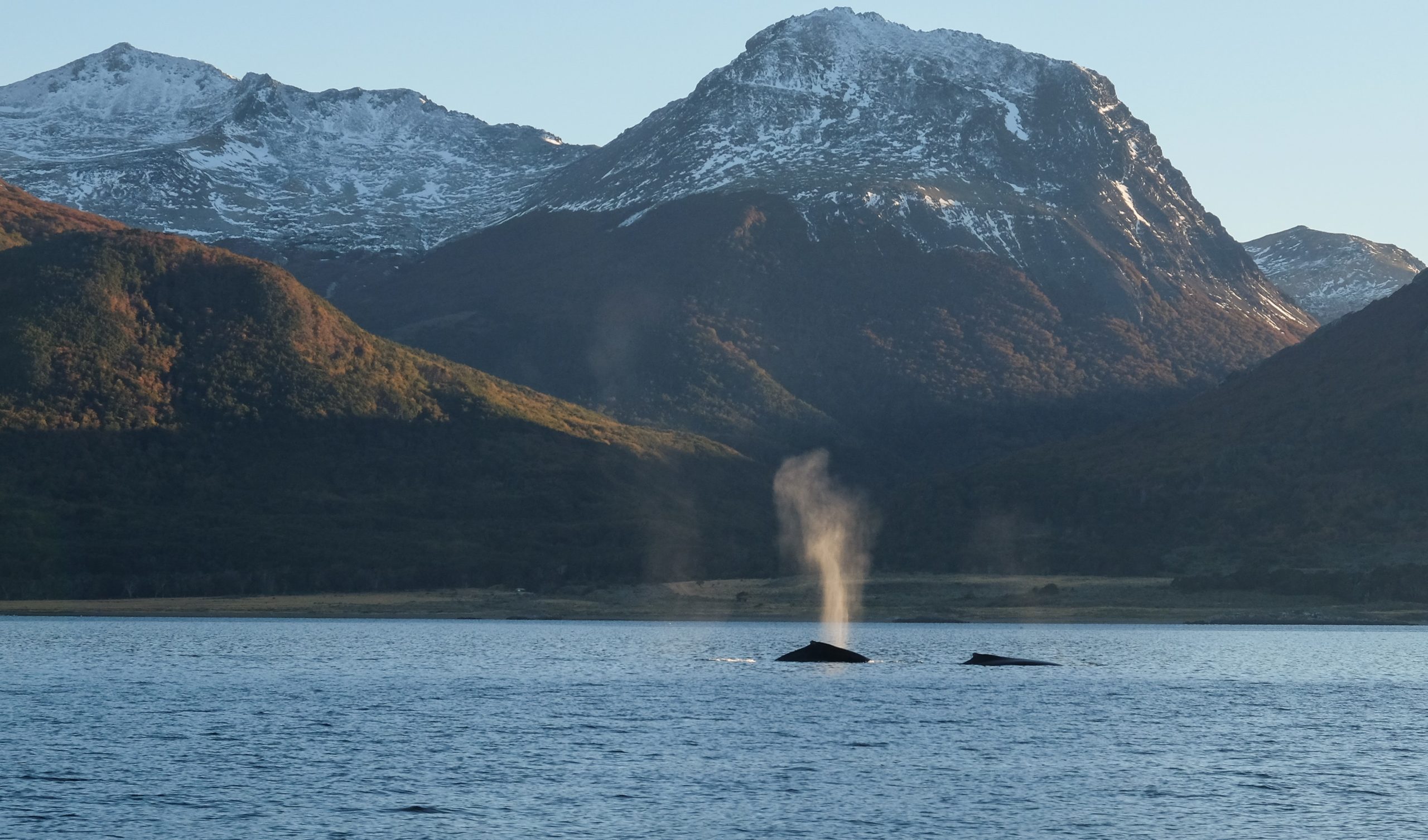
Whales observed during a sailing expedition through the Patagonian channels (Chile) autumn 2018 (c) Karukinka
Maritime History and European Discovery
The Discovery of 1616
Cape Horn was discovered on January 29, 1616, during a Dutch expedition led by Willem Schouten and Jacob Le Maire. They sought an alternative to the Strait of Magellan to bypass the trade monopoly of the Dutch East India Company.
The cape was named in honor of the Dutch town of Hoorn, the expedition’s port of origin. This discovery profoundly altered maritime trade routes by offering a new corridor — broader than the Strait of Magellan, but vastly more dangerous.
A Historic Trade Route
For nearly three centuries, Cape Horn was a crucial maritime passage for global trade routes. Large sailing ships — known as “Cape Horners” — traversed these waters carrying goods between Europe, the Americas, and Asia: including nitrate, grain, wool, and gold from Australia.
The era of the great sailing ships ended with the opening of the Panama Canal in 1914. The last commercial sailing vessel to round the Horn was the Pamir, in 1949, marking the close of a legendary chapter in maritime history.
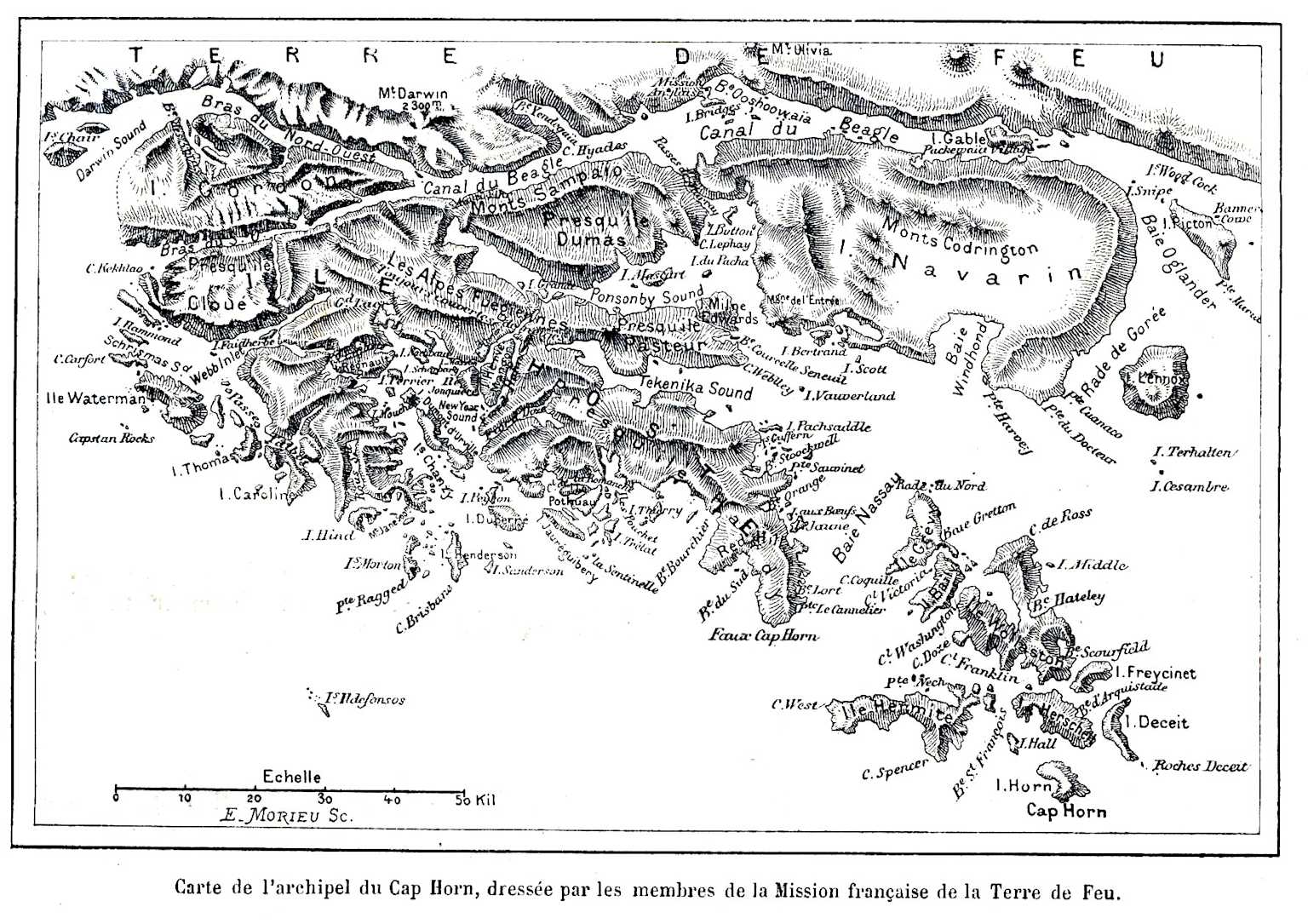
One of the many maps produced during the French Cape Horn Mission (1882–1883) led by Commander Martial
Indigenous Context and Cultural Memory
The First Inhabitants
Before European colonization (1860–1920), the Cape Horn region was solely inhabited by the Yaghan people (also Yámana) — marine nomads who navigated these waterways in bark canoes. These hunter-gatherers developed an extraordinary maritime culture adapted to the severe subantarctic climate.
The Cape Horn promontory was called Loköshpi in the Yaghan language, reflecting a rich indigenous toponymy. According to research by Karukinka Association, over 3,000 indigenous place names (in Yaghan, Haush, and Selk’nam) have been recorded in the area, revealing a detailed and sensitive knowledge of the landscape.
Preservation and Memory Work
For over a decade, the Karukinka Association, founded by Lauriane Lemasson in 2014, has worked to archive, preserve, and honor the memory of the indigenous cultures of the Cape Horn region. Their expeditions in the Patagonian channels, from Tierra del Fuego to Cape Horn, have contributed to sound archives, toponymic mapping, and cultural education.
This work is all the more crucial when one considers that these peoples experienced cultural genocide in the early 20th century, their population declining from over 10,000 individuals to fewer than 500 by 1920.
Contemporary Challenges and Futures
Tourism and Conservation
Cape Horn now attracts a growing number of expedition cruises, mostly departing from Ushuaia or Punta Arenas. While weather constraints limit visitor numbers, increased traffic poses conservation challenges for fragile ecosystems.
Chile maintains a military base on Horn Island, with a garrison, a chapel, and a lighthouse. The lighthouse keeper and their family constitute the only permanent inhabitants of this isolated place.
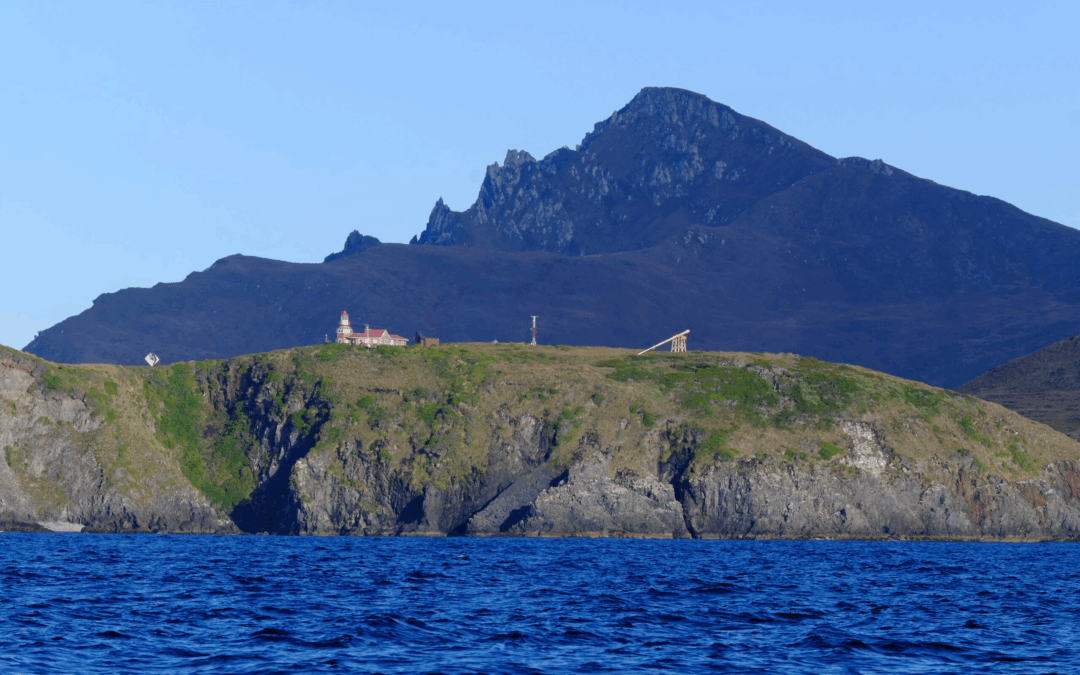
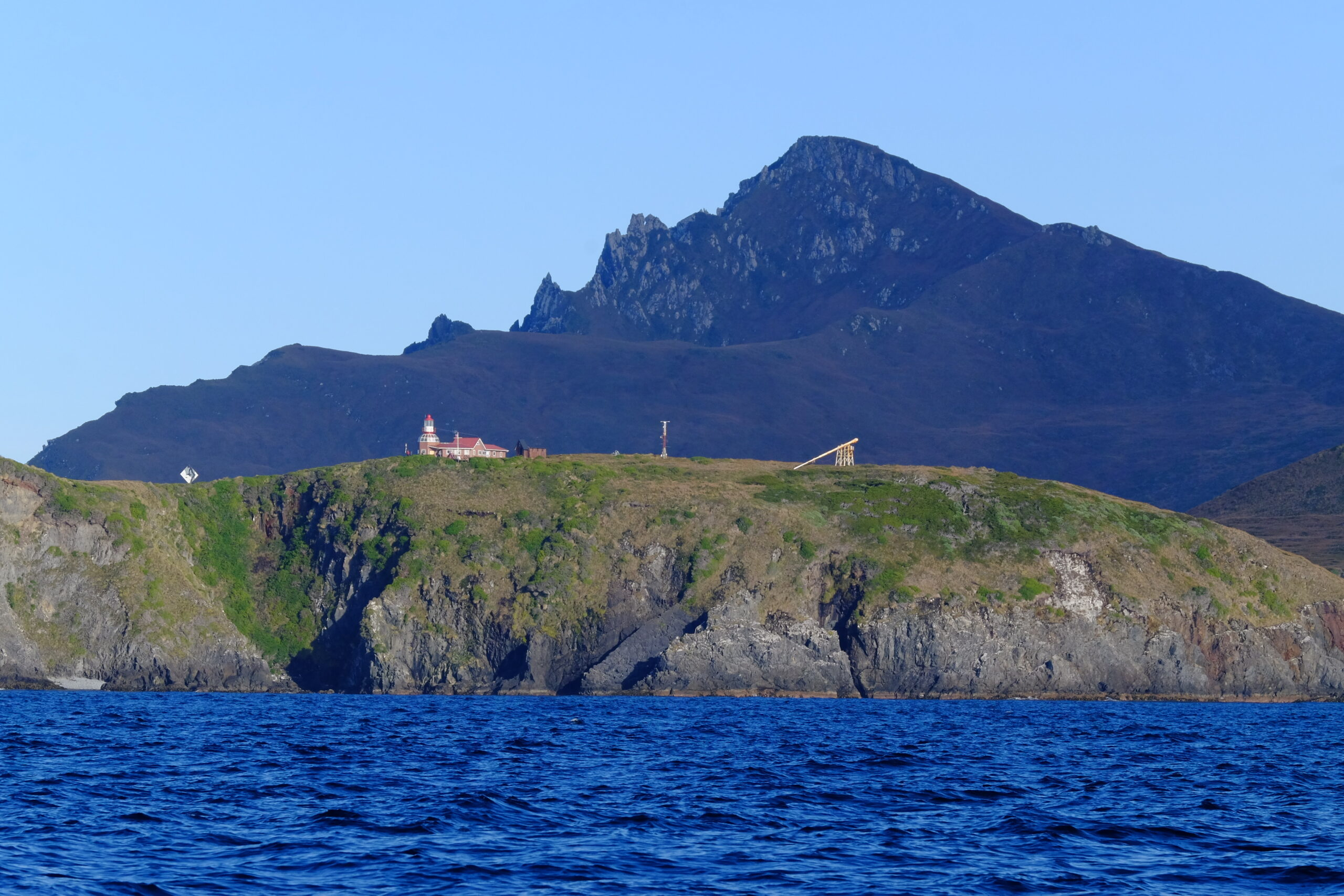
The Cape Horn lighthouse with the Cape promontory in the background during the rounding of Cape Horn by sailboat in April 2025 (Karukinka Expedition, sailing vessel Milagro)
Scientific Research
Cape Horn continues to be a site of important scientific research, particularly regarding climate change, oceanography, and subantarctic biodiversity. The work of the Karukinka Association and its partners contributes to the growing body of knowledge on extreme ecosystems undergoing rapid transformation.
Conclusion
Cape Horn occupies a unique place on the globe — both physically and symbolically. Situated at the southern tip of Horn Island in the Hermite archipelago, at 55°58′ South and 67°16′ West, it marks the symbolic point of convergence between the Atlantic and Pacific Oceans, between the Americas and Antarctica.
Its geographic position explains its extreme oceanographic and climatic conditions, forged over millennia of tectonic, glacial, and atmospheric dynamics. The Antarctic Circumpolar Current, the furious westerly winds, and the legendary nature of the Drake Passage make this one of the most dangerous maritime zones in the world.
Yet beyond the physical landscape lies a story of human history, resilience, tragedy, and conservation — from the Yaghan navigators to the Dutch explorers, from the age of sail to the fight to protect its fragile ecosystems.
To understand Cape Horn is to grasp the essence of a place where extremity meets universality, and where the end of the world becomes a mirror of the planet’s past, present, and future.
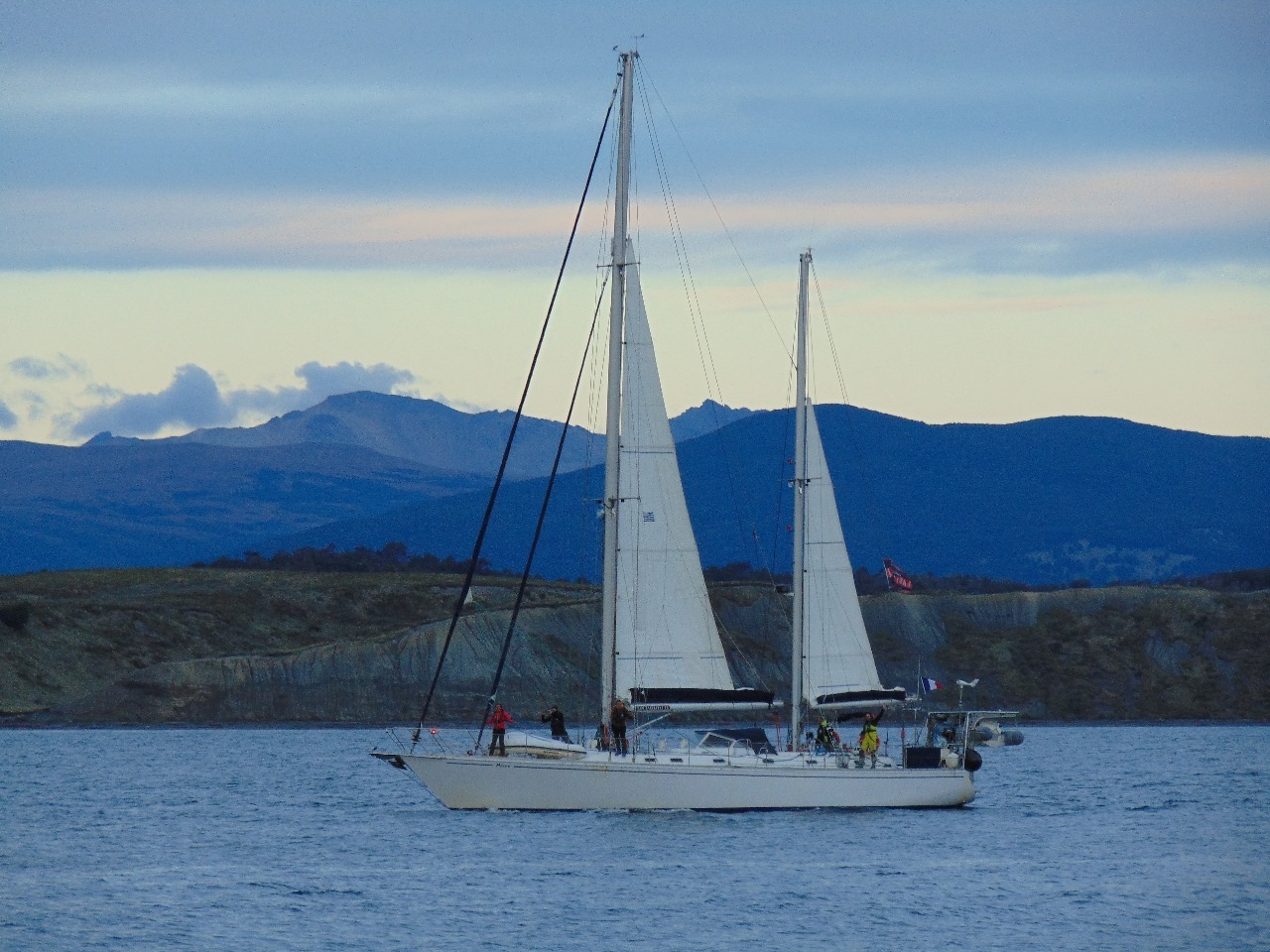
The new vessel, Milagro, serves as a cornerstone for Karukinka’s operations. More than a means of transportation, this 20-meter steel ketch is a fully equipped, autonomous floating base that allows Karukinka to carry out ambitious scientific, artistic, and cultural expeditions in Patagonia, Cape Horn, and even Antarctica #patagonia sailing
A versatile floating base camp in insular Patagonia
Milagro is an expedition sailboat acquired by the Karukinka Association in 2023 thanks to the support of its members. This 20‑metre (64ft) Bruce Roberts steel ketch plays a fundamental role in the implementation of our association’s activities. Built in Sweden and having already completed two circumnavigations, the Milagro is a true “floating base camp” able to host a range of initiatives — artistic, scientific, or sporting.
With its tailored technical features (length 20 m, beam 5.25 m, draft 2.30 m, Cummins 180 HP engine, 180 m² upwind sail area and 295 m² downwind), the Milagro provides a robust, well‑adapted platform for our expeditions in polar and subpolar regions, Karukinka’s primary fields of activity.
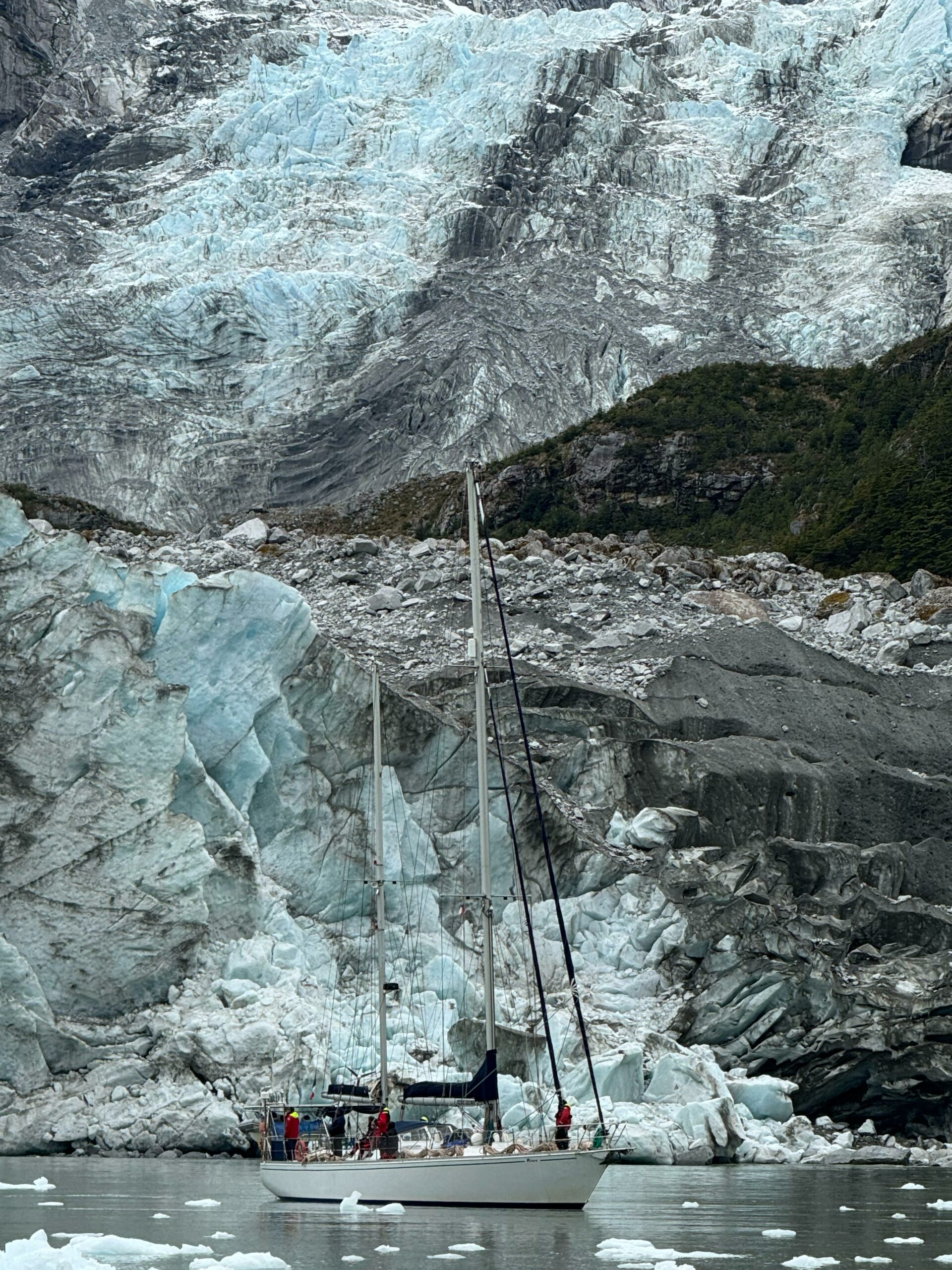
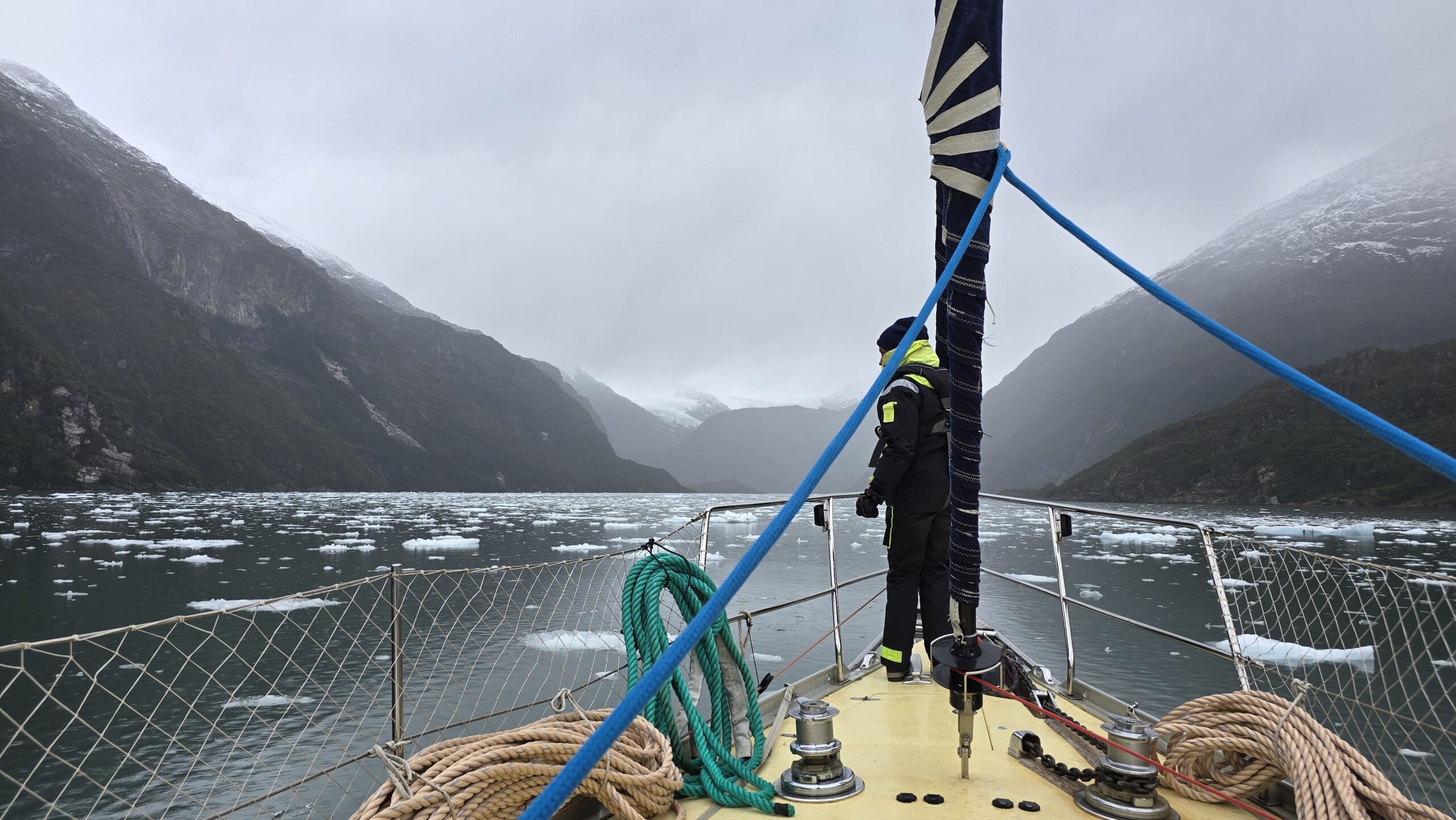
The sailing vessel Milagro at the foot of a glacier in the Darwin Range, Tierra del Fuego, Patagonian Channels, Chile (Photograph: Diego Quiroga, from the sailing yacht Pic La Lune, Ushuaia)
A support vessel for the logistics of our scientific, sporting, and artistic expeditions
An infrastructure adapted to field research
The Milagro is an essential logistical support for Karukinka’s scientific and artistic expeditions. Fully equipped and insulated, the vessel can host up to 12 people (10 for projects lasting more than a week) in five cabins (four doubles and one quadruple). This large capacity facilitates the creation of multidisciplinary teams, in line with our association’s goal of bringing together sporting, artistic, and scientific expertise.
Her considerable autonomy (1,500 L of diesel, 1,000 L of water + desalination system, generator, solar panels…) allows her to reach remote areas and remain on site long enough to complete our work. The vessel is also equipped for telecommunications in zone A4 and has internet access, ensuring safety and connectivity even in the most isolated regions such as the Patagonian channels (Tierra del Fuego, Darwin Range, Cape Horn, Antarctica).
Exploration of a fjord in the Darwin Range (Tierra del Fuego) where one of Patagonia’s many glaciers flows (sailing vessel Milagro, Chilean Fjords, March 2025)
A tool for ambitious projects
Thanks to Milagro, Karukinka has greatly expanded its activities, enabling truly independent scientific and artistic research expeditions and residencies. The vessel is crewed by a volunteer professional team of two to three holders of the French State Sailing Certificate and Merchant Navy qualification.
The acquisition of this yacht made possible, among others, the North Cape to Cape Horn Expedition (2023‑2025), a major project supported by the French Ministry of Culture’s “Mondes Nouveaux” programme. This voyage, linking Norway’s North Cape to Cape Horn under sail, concluded with arrival in Tierra del Fuego on 24 January 2025, after travelling over 15,000 nautical miles and rounding Cape Horn under sail in March and April 2025.
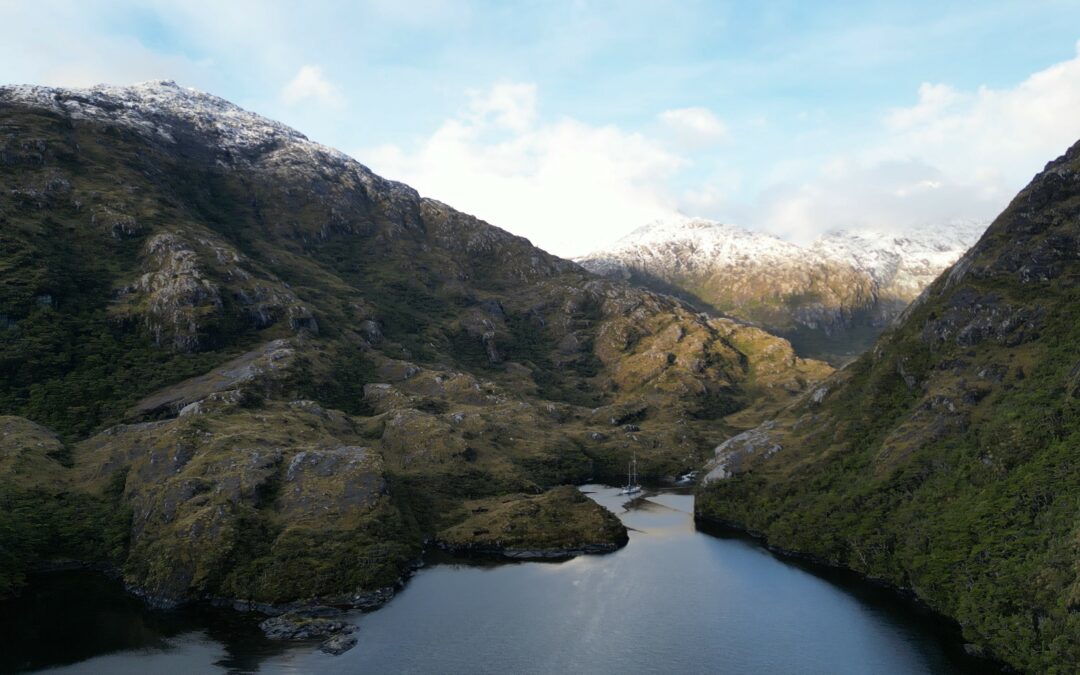
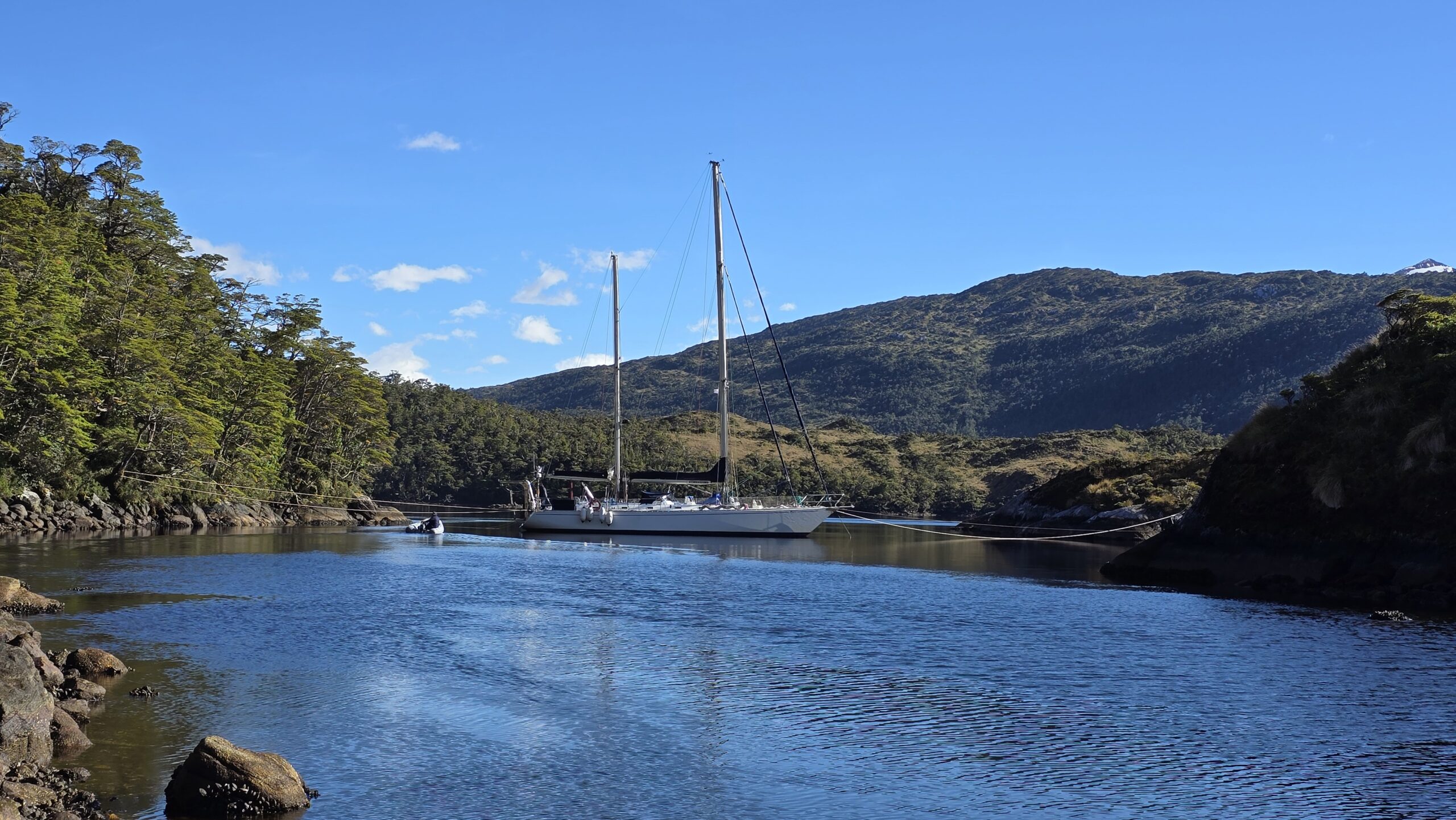
Milagro at anchor in one of the many bays of the Cape Horn Biosphere Reserve (2025)
Funding the association’s activities
A sailing section for self‑financing
Since 2023, Karukinka has had a sailing section affiliated with the French Sailing Federation. The association offers sailing courses reserved for its members, which help fund its actions in support of indigenous peoples and ensure the delivery of ambitious projects.
Given the budget required to maintain and operate a 20‑metre yacht — and the scope of the association’s long‑term projects (digitising documents and archives, creating online databases, funding travel to Europe for members of indigenous communities) — Karukinka’s Annual General Assembly sets the membership fee needed to take part in the various sailing activities and thus sustain its work.
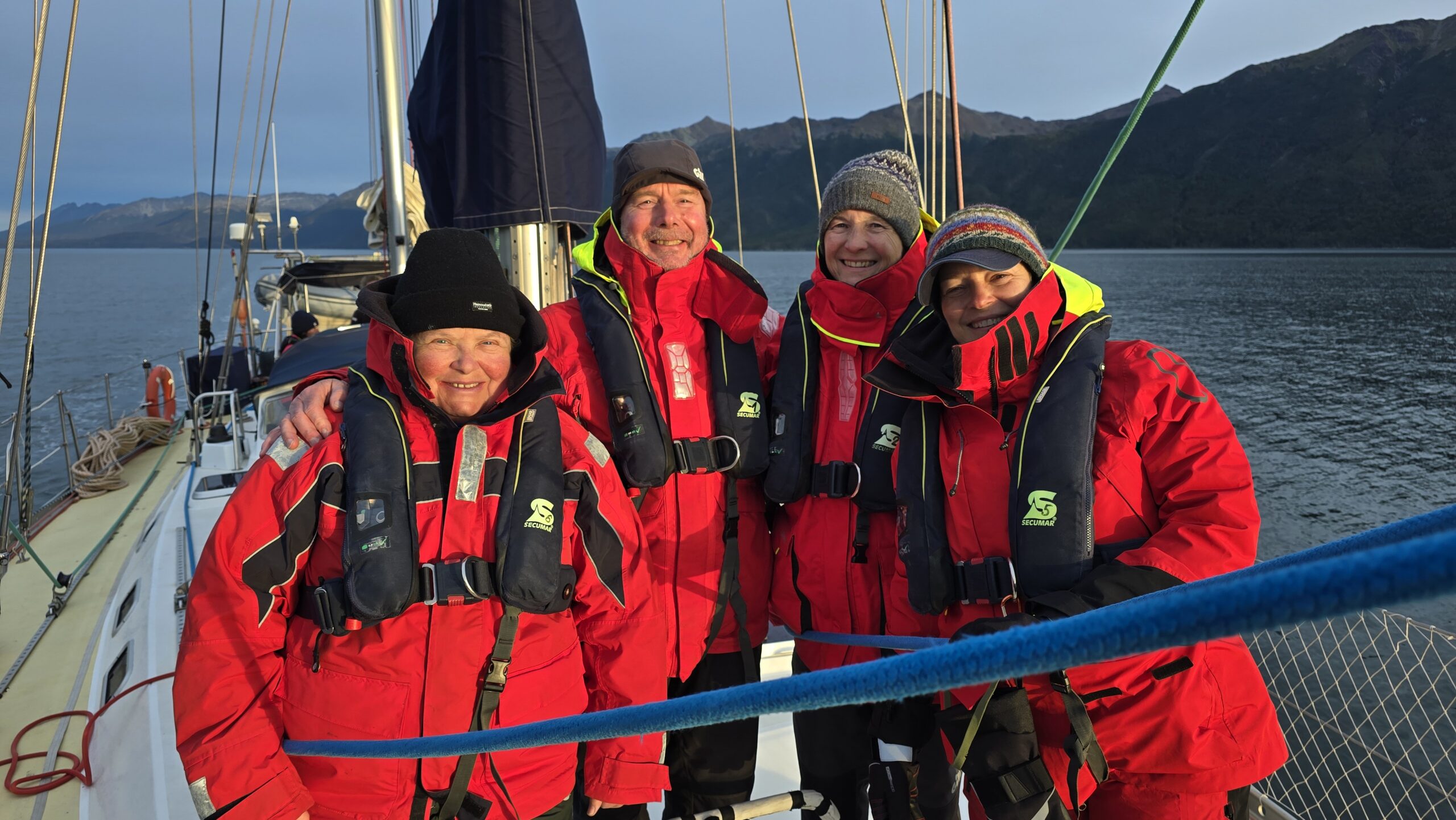
Sailing in the Patagonian Channels with our members from Scotland and Belgium: Norena, David, Morag, and Morgan (Beagle Channel, Chile, February 2025)
Supporting independent research
Aware of the difficulties laboratories and researchers face in obtaining funding for work in polar and subpolar regions, Karukinka does everything it can to support projects of a scientific, artistic, sporting, or humanistic nature. The Milagro plays a crucial role in this self‑financing and independent research‑support strategy.
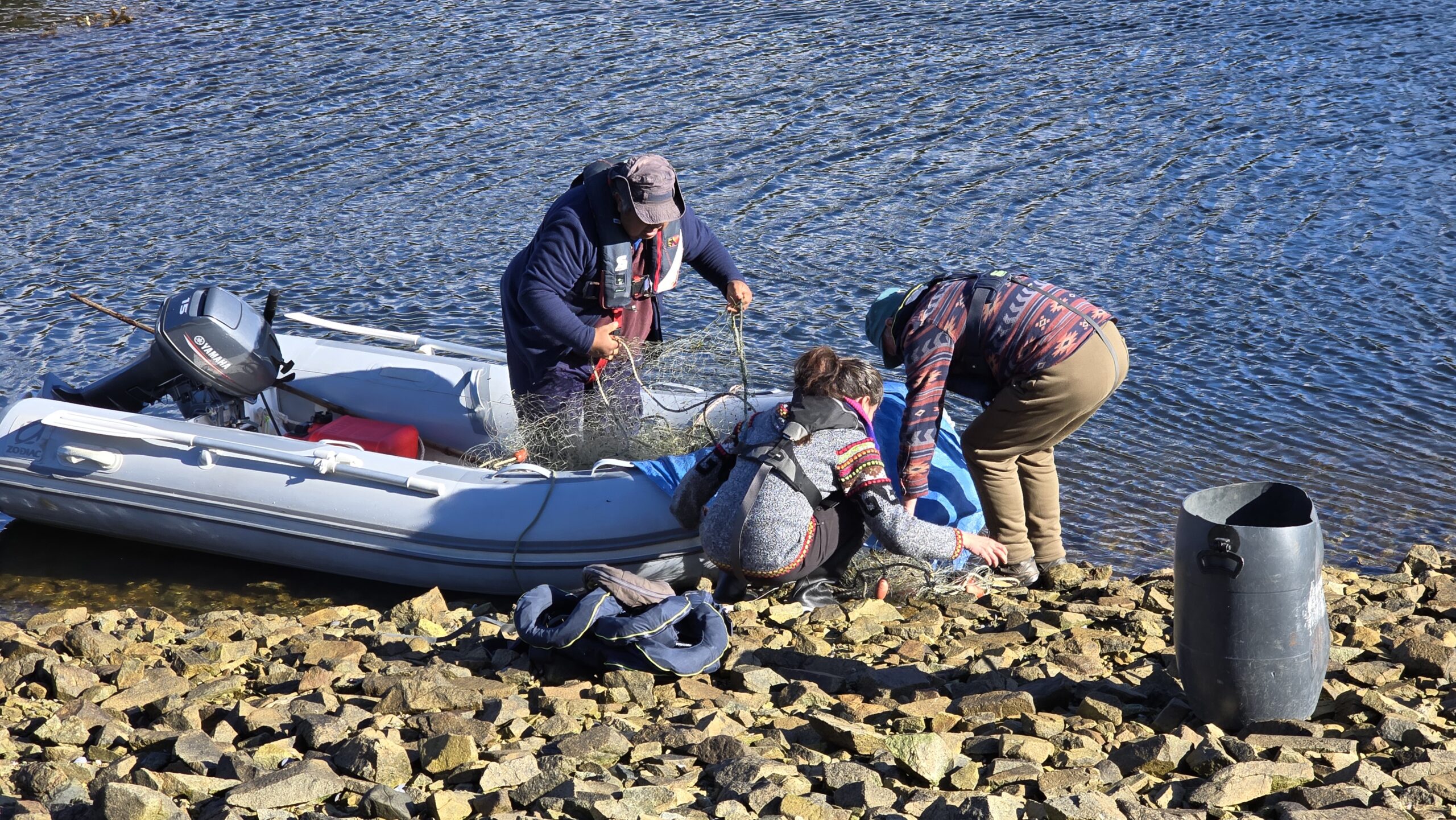
Artisanal fishing in the Patagonian Channels with José Germán Gonzalez Calderón (fisherman and Yagan craftsman, honorary member of Karukinka and godfather of the vessel, from Navarino Island)
The association also offers services for field missions aboard Milagro to laboratories, institutes, and groups of researchers and/or artists. This approach allows resources to be pooled and makes difficult‑to‑reach study areas more accessible.
A tool of freedom for future projects
The acquisition of Milagro has greatly broadened the horizons of our association. Thanks to this vessel, we now have full freedom to continue our actions and research south of the Strait of Magellan, from 2025 to 2030 and beyond.
The yacht allows the association to conduct multidisciplinary projects in hard‑to‑reach regions such as the Patagonian Channels, Antarctica, and South Georgia. It also facilitates the continuation of work with the Selk’nam, Haush, and Yagan indigenous peoples of southern Patagonia, one of the association’s main areas of focus.
Arrival of the sailing vessel Milagro in the Beagle Channel, Patagonia, after 15,000 nm (photograph by José Germán González Calderón, near Ukika Puerto Williams, Navarino Island, Cape Horn region, Chile, 2025)
The Milagro represents far more than just a means of transport and is not an end in itself, but a means. It is an essential strategic tool, allowing the association to fully carry out its mission of exploration, scientific research, and artistic creation in polar and subpolar regions.
Thanks to this vessel, Karukinka can undertake ambitious projects, self‑finance its activities, support independent research, and continue its collaboration with indigenous peoples. The Milagro thus embodies the association’s philosophy: independence, goodwill, and commitment to knowledge and the preservation of the cultures and environments of our planet’s extreme regions.
Departure of the expedition sailing vessel Milagro from the fishing port of Puerto Williams with an international crew (Argentina, Chile, and France): Aude, Lauriane, Sébastien, Clément, Alejandro, Shenü, Damien, Mirtha (godmother of the vessel), Alicia, Maria, and Vaïna, filmed by José, the godfather of Milagro (January 2025).
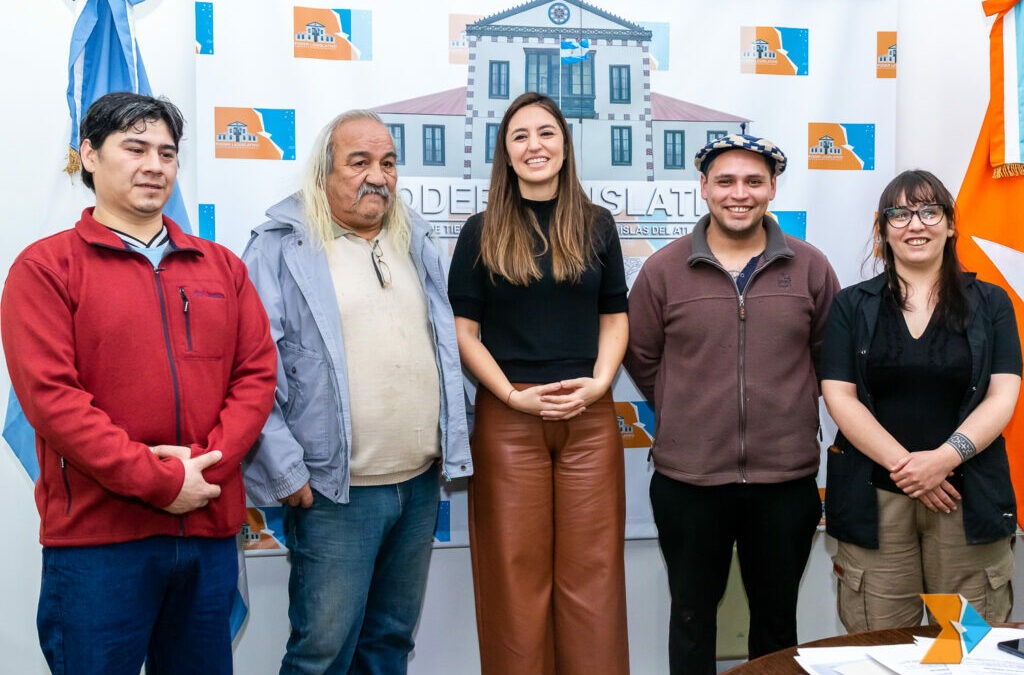
The president of the Commission 3 of the Provincial Parliament, Legislator Laura Colazo, conducted a meeting with the indigenous people communities. This is an initiative from the Green deputy to include them in the decision making within the Consultative Commission of the Indigenous Forests (CCIF). « We have the opportunity to acknowledge and make the autochthonous people of our Province visible who have lived and still live on these lands and offer a historical rectification, she declared. She also mentioned the necessity to expand the energetic matrix of the province to support a sustainable production process.
Source: https://www.radiouniversidad.com.ar/2024/08/26/dictamen-para-que-pueblos-originarios-participen-en-el-consejo-consultivo-provincial-de-bosques-nativos/ Translated from Spanish into French by the Karukinka association.
Río Grande. Last Thursday, Legislator María Laura Colazo (Green Party) attended a new meeting of the Natural Resources Commission n°3, which she presided. This was the occasion to discuss her initiative dedicated to “The 109/24 Case” with the aim of promoting the permanent integration of the representatives of the autochthonous people to the Consultative Commission of the Indigenous Forests (CCIF).
To this motive, the Parliamentary appreciated the attendance of the members of the communities: Rafaela Ishton and Paiakoala. “We have the opportunity to acknowledge and make the autochthonous people of our province visible who have lived and still live on these lands, and to offer a historical rectification”, declared Colazo.
The Parliamentary also underlined the utmost importance of the Selk’nam and Yagán people’s voices being part of the CCIF and that they have their place in this consultative body. “This is why we invited them, we wanted to have their support.”
She also added that this way they are “integrated” into the territorial discussion and planning processes. The Selk’nam people is the only autochthonous people who own their community propriety title”, she added.
It’s worth noting that the initiative includes amendments to provincial law n°869. In Article 14 of the aforementioned standard, the paragraph “q” is added, which specifies the integration of a representative for each indigenous community from the province with a legal status registered on national level.
Eleonora Anderson Varela, herself, from Rafaela Ishton’s community was thankful for this space: « We are delighted to have a place at the CCIF, this is a historical event for us. The community owns approximately 36000 hectares of which 80% are made of forests”, she declared.
Another member of the community, Alexis González Palma, told them “It is very important for us because they are giving us back our dignity and the possibility to tackle issues which affect us as autochthonous people of these lands”, he declared.
It’s worth noting that Tarcisio Vargas and Damián Nenes Vargas, from the Yagán people, also attended the Commission meeting as representatives of the Paiakoala community.
« Today, the autochthonous people are beginning to be respected. Taking care of our forests is good not only for the communities but also for the totality of the population. We risk losing the canelo and need to take care of it together”, declared Vargas, a Yagán referent.
Legislatofs Raúl Von Der Ensuren and Lechman (SF), Juan Carlos Pino (PJ), Federico Greve and Federico Sciurano (FORJA), as well as Legislatir Gisela Dos Santos (SF) were present.
Two million dollars for the Native Forests
It’s worth noting that Legislator María Laura Colazo attended the second annual meeting of the Consultative Commission of the Indigenous Forests of which she is a member, and which was held at Tolhuin Tourism Secretary beginning of August.
On that occasion, the working paths which will be followed were analysed, after it was learnt that the “Green fund for the climate» programme, which will be run through United Nations Organisation for food and agriculture (FAO), and rising from an initiative led by the national government and the province and called Reduction of the Emissions related to the Deforestation and Degradation of the forests (REDD).
The programme comes to the Land of Fire with a component which will be dedicated to the forest conservation work with the autochthonous communities, among which the global community Plan with Rafaela Ishton’s Selk’nam community and also at the productive development of the forestry bay of Tolhuin; the other component will also be used for the prevention of wood fire at the interface of Ushuaia. It’s worth noting that, according to the programme of fire prevention at the forest-urban area interface, we mean by fire a “fire which grows in the transition areas between the urban, rural or forestry areas where the structures of the buildings are mingled with the plants».
Approximately two million dollars will be allocated to the Land of Fire province “and the project in general, as mentioned by Engineer Francisco Jofré who is FAO’s representative which is in the province, is approximately 85 million dollars for the totality of the country in this programme called RedMás, a specific programme also related to the climatic change.
Members of the Forest National Board of Management and the FAO for the Payments at Results project attended the meeting, as well as managers of the provincial government and representatives of the institutions forming the CCIF.
It’s worth noting that the United Nations Organisation for the food and agriculture better known as FAO and a specialised agency of UNO leading international activities which aims at eradicating hunger.
The organisation is conducting several projects implemented all around the country. It plays a fundamental role in striving towards food safety, family farming reinforcement, transformation of food-processing systems and sustainable development.
“A lot of families live off the forestry sector”
During a talk with “La Mañana de Tecno”, broadcast on Radio Universidad 93,5 MHz, the Green Parliamentary reminded that the forestry consultative commission “is taking place under the 869 provincial law and is a environment composed of various actors” who are related to everything concerning the use of the whole forestry sector, what is active in our province. So, as a representative of the legislative Assembly, I have to be part of this space.”
Laura Colazo explained that « the members of FAO, an international organisation under the United Nations, benefit from specific financing programmes used to manage several projects in our country. And in this project which is very important and in the making in 23 provinces : we are working on those 3 issues in our province, which are the ones we talked about within the commission in order to grant approval to all the members to make progress in this area, while being able to follow through the community integration plans that the Forestry General Board of Directors works very well with the Selk’nam persons who have set up their authorities very recently, who have held elections. And the truth is that they have very interesting projects to be accomplished in our province, particularly in their community propriety, which represents 35 000 hectares owned in the Tolhuín region. And it is very important to achieve sustainable use, and the truth is that we think it is also important to assist them because it requires means to fulfil these projects.”
« For us, it’s very interesting to provide some assistance, everything needs to be done step by step. The technical advice mission will be carried out by means of organisations such as CIEFAP (Andine centre for the forestry research and vulgarisation of Patagonia), an organisation which has also been working in our province for many years and will provide all the technical advice, so it also seems important to do this. When I say that Tolhuin’s mayor (Daniel Harrington) is present in the area, it’s because it comes down to stimulate the productive development of this sector so that it keeps on generating work sources such as in Tolhuin today.
With regard to this, Legislator Laura Colazo noticed that “a lot of the families live off work in the forestry sector and it seems important to add on value, to be able to create training, to be able to use all these resources in a sustainable way and all the way through the production line, not only in raw wood but also in the use of forestry residues.
She understood that “there is a great opportunity to create more productive companies, to generate more work while taking care of the environment, because we are talking here of forestry residues which, in some cases are burnt and could generate a transformable product, raw material” then able to generate new products which “ can be part of the circular economy paradigm, by salvaging them and reintroducing them into the productive sector».
« Productive matrix and energetic matrix go hand in hand»
The Green Parliamentary understood that “we need to concentrate on the economy laid out by the forestry sector; It is not about generating a product in a linear way where the waste goes to the kip, but it’s rather about considering this waste as a resource and send it back as raw material so that new competitive products are generated into the market sector and creating work».
When asked about the energetic deficit held by Tolhuin to support an industrial process, she recalled that « by the end of 2022, we voted to grant the province the right to access a credit authorized the ACD, the Andine Confederation of Development, and by means of other funds that the province may obtain. Already in 2002, we noticed the necessity to invest in the totality of energetic matrix expansion of the Land of Fire. A few days ago, we learnt that the national government’s approval was under way, to set up credits and invest in equipment. I think this is fundamental for the development and particularly to think about the energetic transition that our province must implement. Today, we are providing gas supply. Gas is a transitional fuel. And all the resources generated by licence fees, as this province is one of first to produced gas from Argentina, these resources generated from the licence fees can be used to develop a new energetic matrix largely fed by renewable energies. And this financing project, which we approved in 2022 at the Legislature, is now going forward with the Nation’s approval and demonstrates all this a little.
“It’s a core issue: if we want to talk about expanding the productive matrix, it must go hand in hand with expanding the province energetic matrix”, she finally declared.
As you may have noticed, the internship programme for the 2024-2025 season is online. Featuring coastal and offshore navigations north and south, there is something for everyone!
Milagro is currently in Ireland and Scotland for coastal internships departing from Dublin until mid-September, then it will be time for the offshore navigations with two return trips between Dublin and the Loire-Atlantique in September and Octobre, before taking course south towards Patagonia, the end of the world to which Karukinka has been dedicated since its beginning.
Karukinka means Land of Fire in Selk’nam, a tribe living between south of Magellan Strait and Beagle canal. Some work indicate it would also mean “the last land of men” which, in the history of migrations, takes its full meaning since it is the last land reached by foot in all the history of human migrations.
So, this year we will go back to the canals of Patagonia of the biosphere reserve of the Cape Horn, in order to complement Lauriane’s work under the “Cape North – Cap Horn” project that started in 2022. We also propose four 18-day sailing internships departing from Ushuaia or Puerto Williams between February and April 2025 to explore together these islands, fjords, mountains and glaciers as beautiful as they are fascinating.
And before that, between October 2024 and January 2025, we are proposing a series of offshore internships during the +7000 nm composing this trip, with beautiful upcoming stopovers: Brittany – the Canaries (14 days), the Canaries – Cabo Verde (9 days), Cabo Verde – Brazil Transatlantic (20 days), Brazil – Argentina (15 days) and Buenos Aires – Land of Fire (21 days).
For the last few weeks, you now have the possibility to book our internships directly online using the HelloAsso platform, all the dates are indicated on the internship pages, with a summary of the prices and terms & conditions in the “Booking request” tab. Should you have any question, you can also reach us by email (contact@karukinka.eu), telephone and WhatsApp (+33 6 72 83 03 94).
We look forward to sailing together “here”, “there”, or “over there”: we always count on you to keep spreading the word and quench your thirst of adventure so that we keep on building such great teams on board!
Damien
PS: we plan on careening the Milagro at La Turballe the second half of September: anyone who is up to spending elbow grease to come and help us, will be welcome!
If you plan to go stop at La Rochelle this summer, don’t miss this trip to the end of the world! This sound and immersive fiction was created by Sébastien Laurier in collaboration with the Phare du bout du monde (Lighthouse of the end of the world) association and the town of La Rochelle: for one hour, you are transported into the far south of Patagonia, from the post-office of the tip of the Minimes harbour.
Several members of the Karukinka association took part in this project, among whom Mirtha Salamanca (Selk’nam woman, member of the Argentinian indigenous participative board), voiced in French by Marie-Pierre Lemasson, cash-flow manager of the association, who’s known by Mirtha since 2019 when she first came to France under the project Haizebegi. Indeed, our main protagonist, Lauriane, finds echo in Karukinka’s founder…
And if you wish to go further, come with us to visit the “real” lighthouse of the end of the world next winter and spring (North Spring!) (February-April 2025) onboard the association’s sailing ship: the Milagro. More information on: https://karukinka-exploration.com/patagonie-2025/