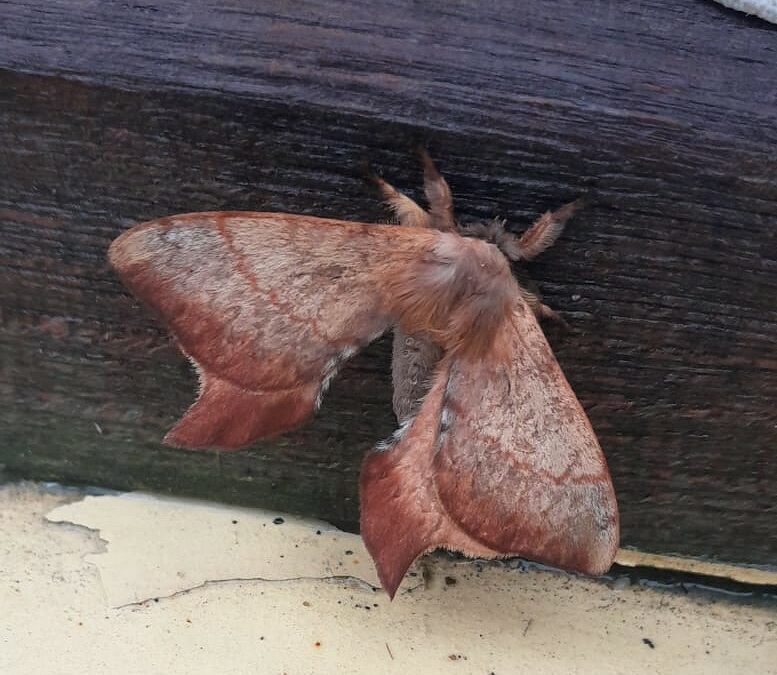
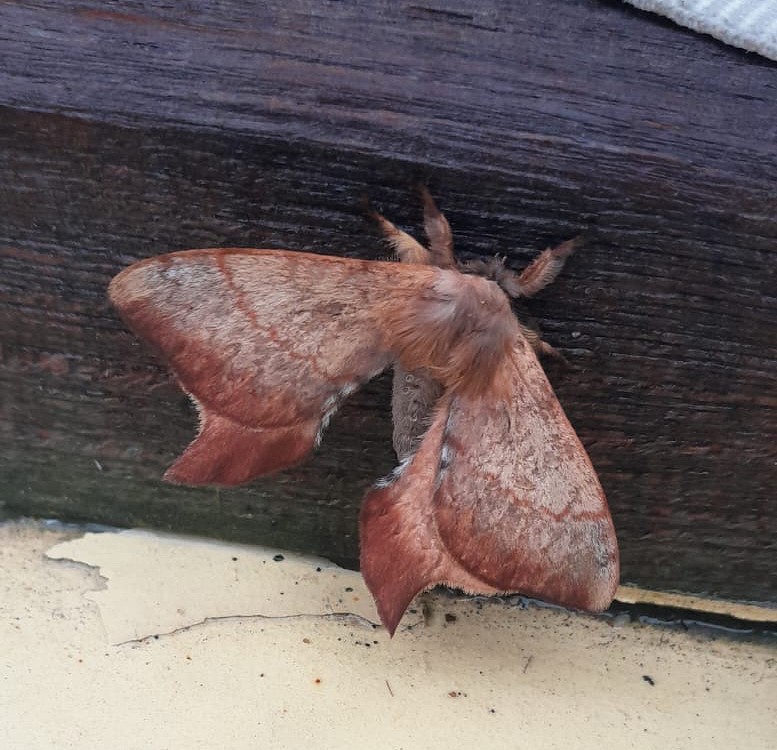
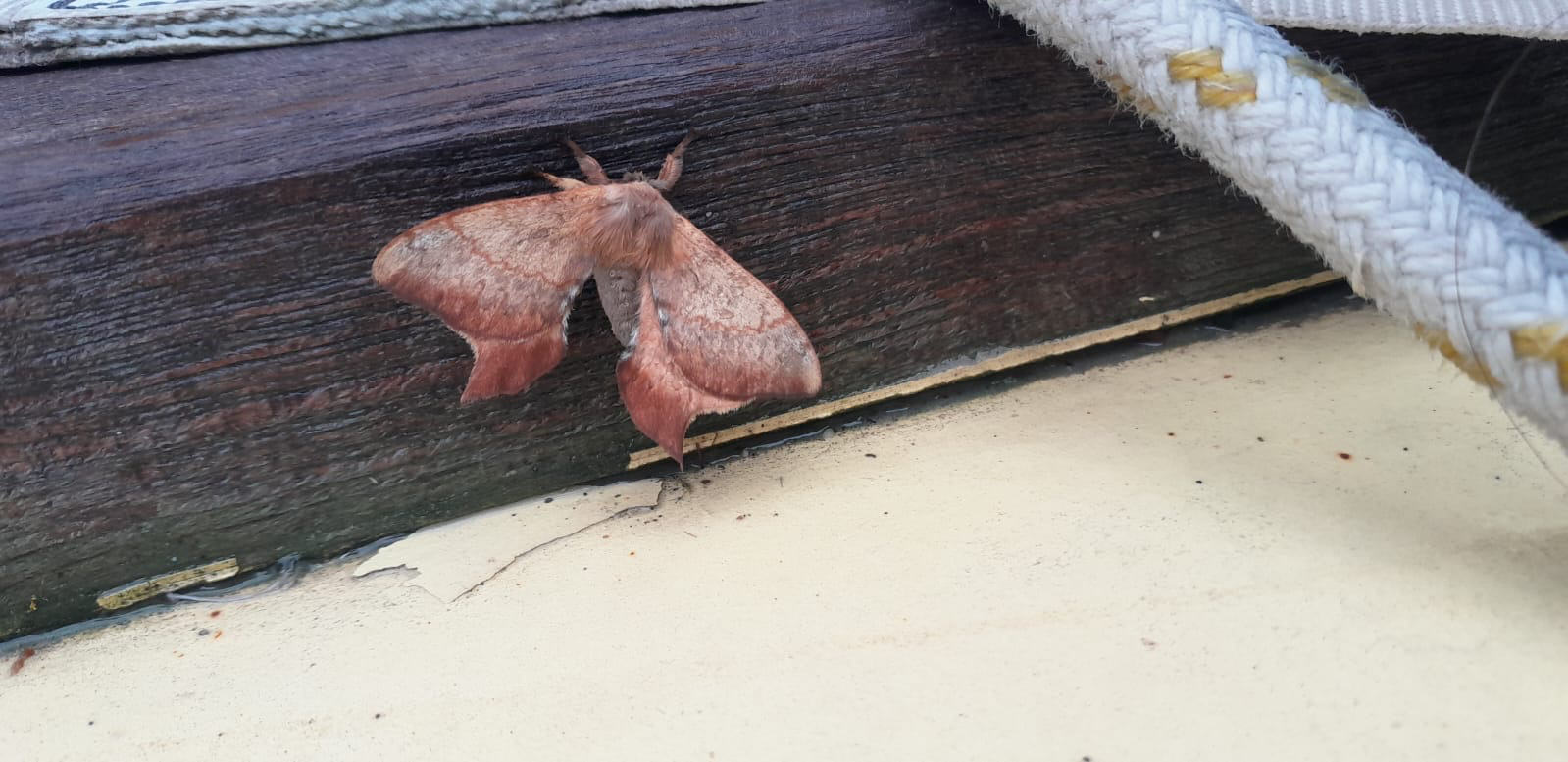
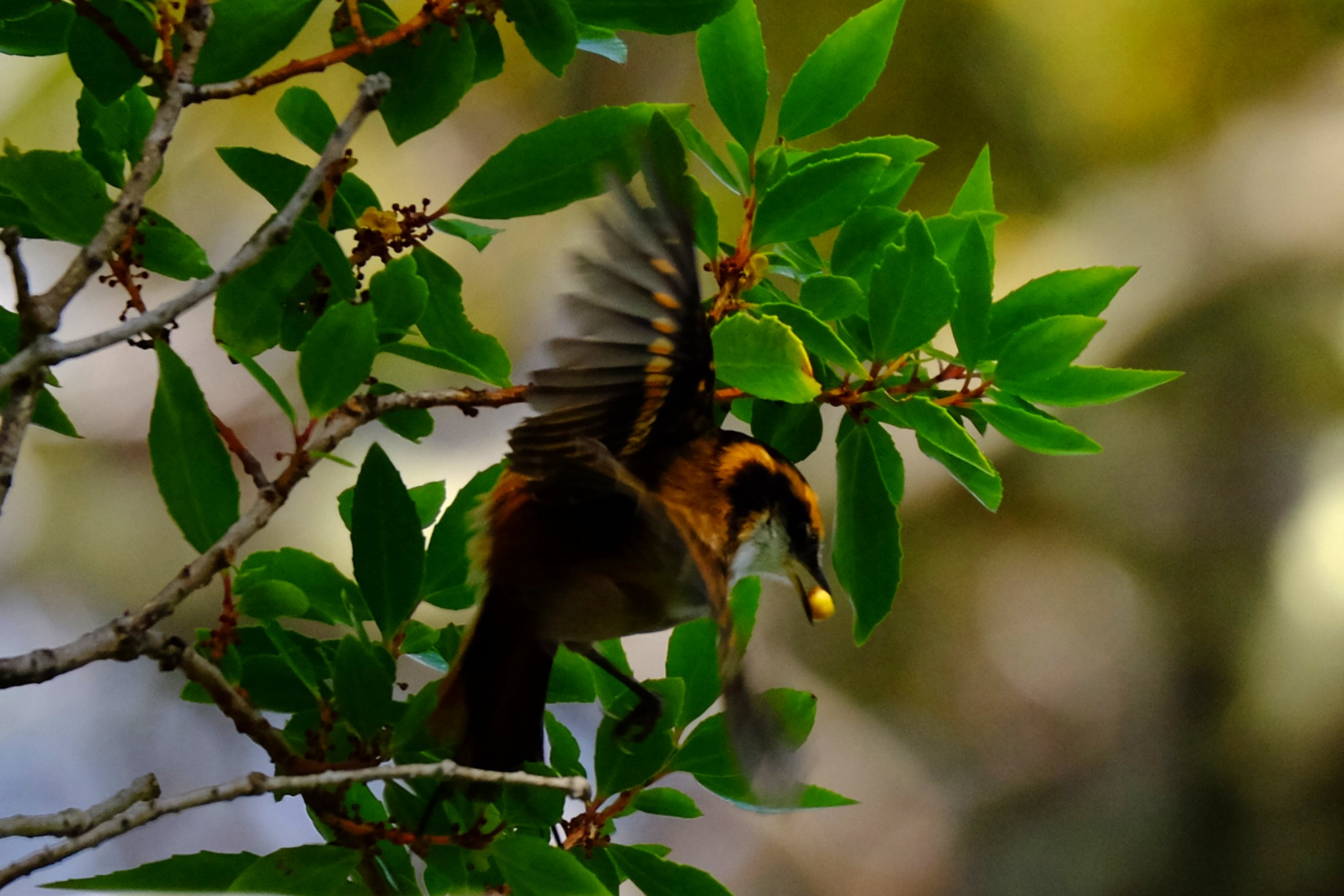
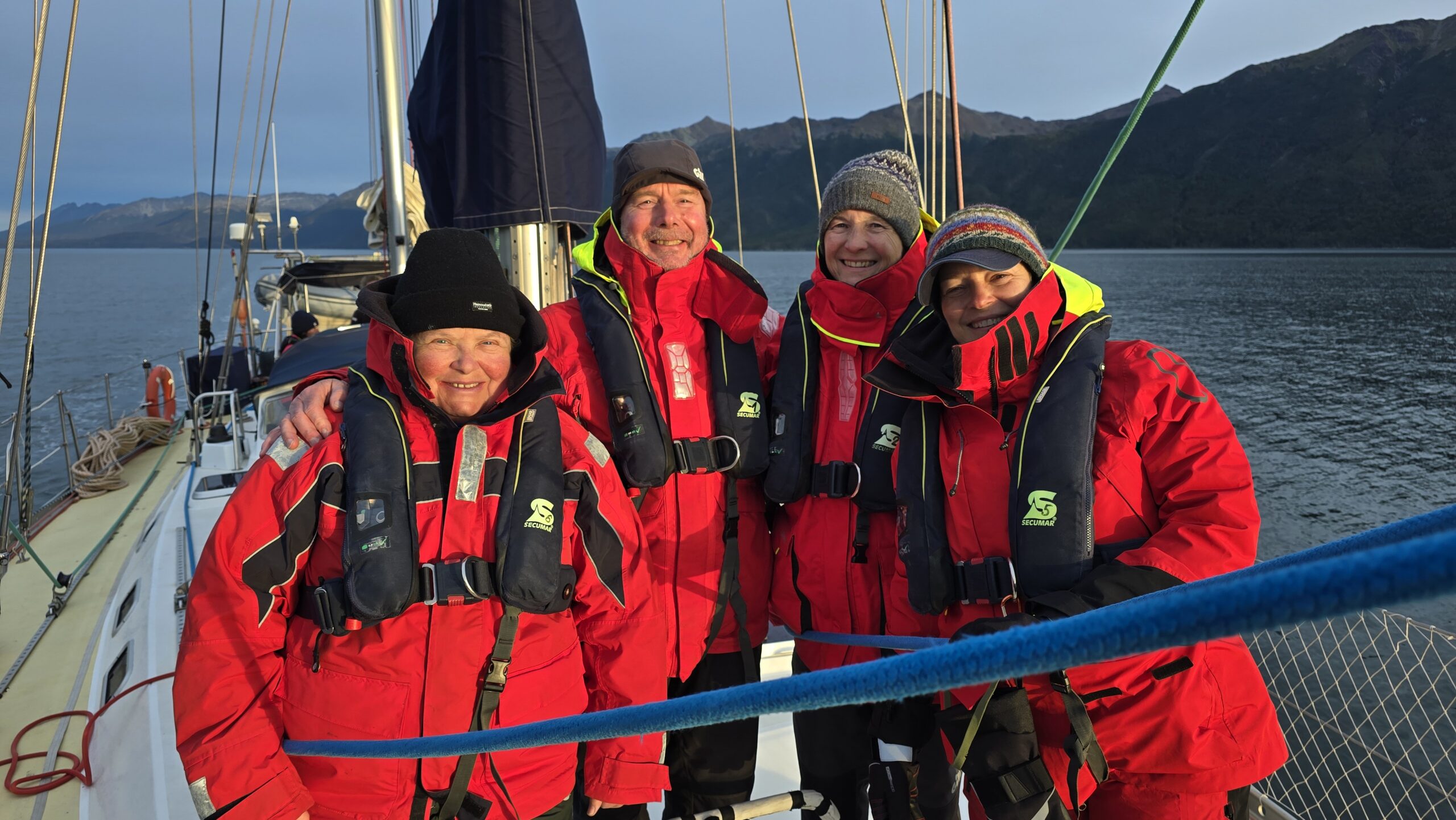
Once is not always the norm aboard the sailing vessel Milagro — and following Callisphyris leptopus Philippi: in mid-April 2026, with Ben, Milena, Gabriel, Damien and Lauriane, as we were leaving one of the arms of Bahía Tres Brazos, a bay located to the north-west of Gordon Island, we received a new visitor that would give us quite a headache: an adult male Cercophana frauenfeldii.
We will not hide from you that identifying this species was no easy feat — friends and acquaintances alike were all astonished by our photographs. After checking the GBIF database, we found that our observation appears to be among the southernmost research‑grade records of Cercophana frauenfeldii currently available there. This underlines how integrating opportunistic observations into open platforms such as iNaturalist and GBIF can complement existing Chilean work by documenting species in remote places where access and sampling are logistically demanding.
Photographed aboard the sailing vessel Milagro, mid-April 2026 in the morning, during an expedition in the canals of the Cape Horn Biosphere Reserve.
Here a detailed spotlight on an uncommonly encountered nocturnal visitor in these waters!
Table of Content
Introduction
Cercophana frauenfeldii Felder, 1862 is a large Neotropical Saturniidae endemic to Chile, also known by the English common name "Andean Moon Moth" on account of its Andean range and its resemblance to a "lunar sphinx". Over the last decades, Chilean and South American entomologists have provided key information on the taxonomy, life cycle and host plants of C. frauenfeldii, from its northern range to Magallanes. Recent work has clarified the immature stages, phenology and host associations, laying the groundwork for interpreting new records such as ours.
In the second half of the 20th century, C. frauenfeldii was incorporated into syntheses on the Chilean Saturniidae fauna, particularly in revisional works on the family and the genera Cercophana and Neocercophana. More recent studies (2021) have complemented these approaches by describing the immature stages (egg, larva, caterpillar, cocoon…), the phenology, the species' distribution and its host plants.
Taxonomy, Morphological Characters and Developmental Stages
1. Original Description and Nomenclatural Status
The species was described by Felder in 1862 under the name Cercophana frauenfeldi, based on material from continental Chile, making it one of the first South American Saturniidae to be formally described. Modern catalogues of the Saturniidae family in Chile confirm this status, retaining the spelling frauenfeldii (with a double "i") as valid and placing it in the genus Cercophana Felder, 1862.
Revisions of the family in South America recognise Cercophana as a small Andean genus restricted to Chile, grouping C. frauenfeldii and a few closely related species including Cercophana venusta, distinct from the neighbouring genus Neocercophana described later for related taxa. Regional catalogues of Argentine Saturniidae also list this species as an element of the trans-border Andean fauna.
2. General Morphological Characters
Works on Chilean Saturniidae describe Cercophana frauenfeldii as a large nocturnal moth with broadly developed wings, varying from brown-ochre to greenish in colour, with lighter patterns and variable transparent or hyaline markings. In adults, sexual dimorphism is expressed through strongly bipectinate antennae in the male, adapted for pheromone detection, while females typically have a more voluminous abdomen associated with egg production.
A recent article in the Brazilian Journal of Entomology, dedicated to the immature stages, describes in detail the egg, the four larval stages, the pupa and the cocoon, providing a complete morphological basis for identification at all stages of development.
3. Immature Stages and Development
The detailed study of the immature stages of Cercophana frauenfeldii shows that larval development comprises four well-differentiated instars, generally spanning from November to late January throughout most of the species' range. The caterpillars feed on the leaves of their host plants, displaying primarily nocturnal activity and concealing themselves among foliage during the day.
Pupation occurs within a silken cocoon whose structure and location may vary depending on habitat conditions, but which is generally situated in the leaf litter or on low-hanging branches.
Geographical Distribution in Chile
1. Latitudinal Gradient and Biogeographical Provinces
Chilean catalogues and syntheses record Cercophana frauenfeldii from the centre of the country to the humid temperate regions of the south, particularly in the Maule, Biobío, La Araucanía, Los Lagos and Aysén regions. A recent compilation of field data and naturalist collections confirms that the species follows an Andean-coastal gradient associated with temperate forests.
TA synthesis of published records and naturalist collections suggests two broad phenological and biogeographical groupings: the northern group, where adults fly mainly from February to mid-April, and the southern group (temperate rainforests), where the main flight period shifts to between April and June (the case of our visitor).
2. Southward Extension and the Magallanes Region
Works specifically addressing the Magallanes region highlight that C. frauenfeldii reaches the southern part of continental Chile, where it remains more localised. An article focused on the host plants of this moth confirms the presence of populations in temperate forests close to the southern limit of distribution of the host tree species, primarily belonging to three families: Gomortegaceae, Lauraceae and Winteraceae. The plants most represented in the studies conducted are Cryptocarya alba, Beilschmiedia miersii, Gomortega keule and Persea americana, all of which develop further north than our visitor.
While published records are concentrated mainly at sites further north than the Chilean Antarctic province where we explore, records from the Magallanes region make the species' presence in sub-Antarctic archipelagos plausible. According to observations made in 2003 in Parque Omora (Puerto Williams), this moth also uses the canelo or Magellan pepper (Drimys winteri) as a host plant, and this tree is ubiquitous in the Province of Cabo de Hornos.
The most recent works stress the need to better document the fine-scale distribution, phenotypic variability and population genetics of Cercophana frauenfeldii from the north-central to the far south of Chile.
Scientific Significance of This Local Record
Although this record has not yet been incorporated into Chilean academic syntheses, it is fully consistent with the documented distribution of C. frauenfeldii as far south as Magallanes and with the continuity of native forests in the region. Rather than revealing a major range extension, the observation adds a documented island locality within the Cape Horn Biosphere Reserve, in line with previous work from Magallanes and with the widespread presence of the host tree Drimys winteri in the Province of Cabo de Hornos.
This single opportunistic record does not allow any inference about population size, persistence or trends on Gordon Island. It should therefore be interpreted as an initial indication of presence rather than the result of a systematic survey. Nevertheless, it illustrates how small‑scale observations can help refine the fine‑scale distribution of forest‑associated moths in southern Chile, especially in sub‑Antarctic archipelagos that are logistically difficult to sample.
In the far south of Patagonia, targeted nocturnal sampling campaigns—combining light‑based methods with searches for larvae on potential host plants, ideally in collaboration with Chilean entomologists and institutions—would be needed to confirm and quantify the presence of C. frauenfeldii on Gordon Island and neighbouring islands. On‑board naturalist monitoring programmes such as those conducted by Association Karukinka can contribute complementary observations to national and international entomological databases, but they are best seen as a small part of a broader, long‑term research effort led by Chilean teams.
The genus Aphrastura (family Furnariidae) groups together small insectivorous passerines endemic to the southwestern part of South America. It historically comprises two species: the thorn‑tailed rayadito (Aphrastura spinicauda, synallaxis rayadito or espinoso rayadito), widely distributed in the temperate forests of Chile and southern Argentina, and the Masafuera rayadito (Aphrastura masafuerae), microendemic to Alejandro Selkirk Island in the Juan Fernández Archipelago.
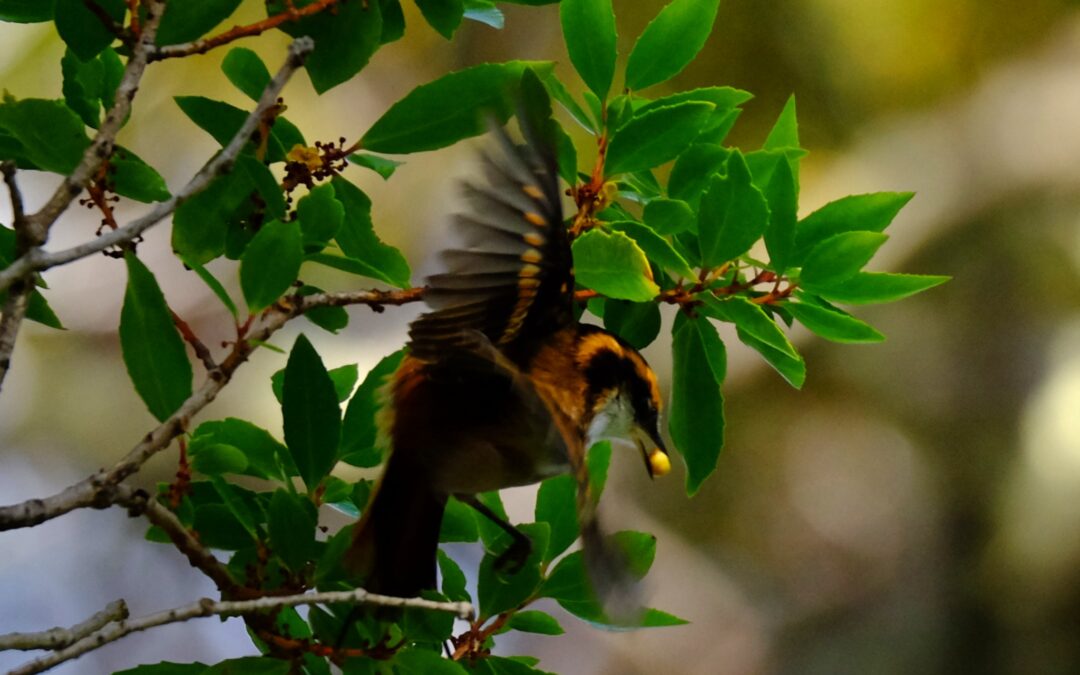
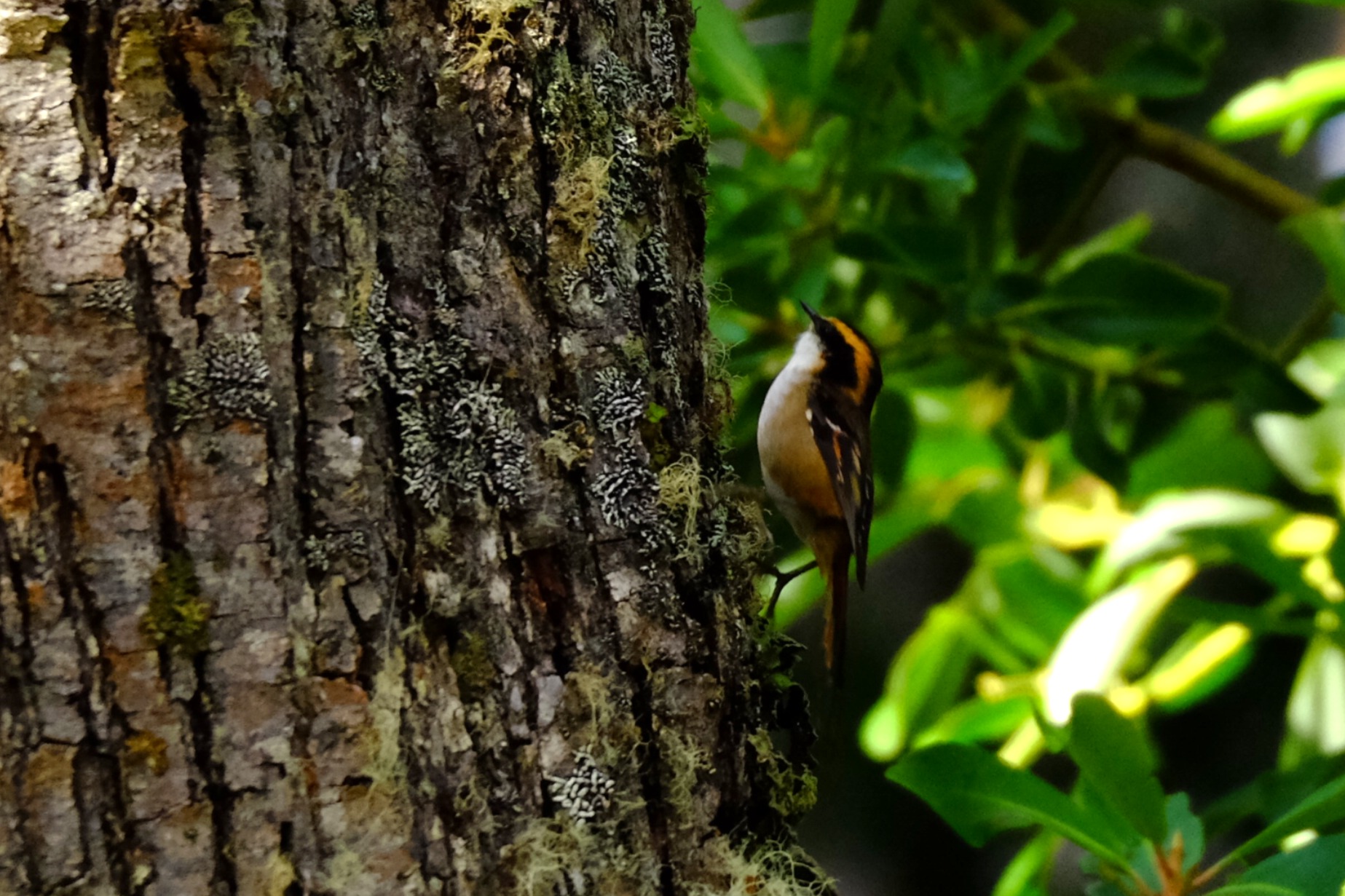
Rayadito (Aphrastura spinicauda) photographed during a Karukinka expedition in the channels of the Cape Horn Biosphere Reserve (Chile, April 2025).
The rayaditos (in Yagán: tachikatchina) play a central role in the biology of southern temperate forests, where A. spinicauda is one of the most abundant tree‑cavity birds (and one of the most vocal!) in the Nothofagus forests, up to the southernmost limits of the Cape Horn Biosphere Reserve.
Within this subantarctic context, the recent discovery of the subantarctic rayadito (Aphrastura subantarctica) in the Diego Ramírez archipelago, to the southwest of Cape Horn, has revealed a remarkable case of island diversification within a treeless environment.
Table of contents
Distribution, diversity and ecosystems
Recent studies on the community of cavity‑using birds show that A. spinicauda is one of the most abundant passerines in southern temperate forests, with densities exceeding 9 individuals per hectare and a strong dependence on cavities excavated by the Magellanic woodpecker (Campephilus magellanicus). In contrast, A. subantarctica inhabits an herbaceous archipelago dominated by Poa flabellata and uses ground cavities or the structures of seabird nests for breeding, in the absence of terrestrial mammalian predators.
Morphology, ecology and behaviour
A. spinicauda is a small passerine of about 12 g, with a long, slender tail employed in its acrobatic movements on trunks and branches. Its streaked, brown‑reddish plumage provides excellent camouflage against bark and foliage, and it feeds primarily on insects and larvae, exploring bark and understory vegetation.
A. subantarctica, on the other hand, averages 16 g, with a longer bill, heavier legs, a shorter tail and a behaviour focused close to the ground, reflecting adaptation to a wind‑exposed, herbaceous habitat.
The behaviour of the rayadito in Yagán territory is illustrated by these words from Ursula Calderon: “Tachikatchina is a bird that sings in the mountains during the day, warning that someone is hidden: a wicked man, a sorcerer. It thus announces to the walker the presence of these people, or of a dog, of a cat… in short, of someone hidden. Its calls, when they sing together, are frightening, tsch‑tsch‑tsch, since they do not announce anything good” (p. 70, réf. 10).
Rayadito or Tachikatchina, photographed in April 2025 in Caleta Borracho (sailing expedition through the Patagonian channels, Chile).
Genetics, speciation and conservation
Genetic analyses show a clear differentiation between A. spinicauda and A. subantarctica, which justifies proposing A. subantarctica as a new emblematic species of subantarctic biodiversity. This distinction, combined with morphological and behavioural differences, places the Diego Ramírez archipelago as a natural laboratory of speciation and conservation, now protected by the Diego Ramírez–Drake Passage Marine Park.
For A. spinicauda, the conservation of old‑growth, cavity‑rich forests and the preservation of the Magellanic woodpecker population are essential to maintain the structure of rayadito populations within the Cape Horn Biosphere Reserve.
Sources :
Rozzi, R. et al. (2022). “The Subantarctic Rayadito (Aphrastura subantarctica), a new bird species on the southernmost islands of the Americas”. Scientific Reports 12, 13957. https://doi.org/10.1038/s41598-022-17985-4
Rozzi, R. et al. (2023). “The subantarctic rayadito (Aphrastura subantarctica), a new bird species on the southernmost islands of the Americas (repositorio UChile version)”. Repositorio UChile. https://repositorio.uchile.cl/handle/2250/194760
Ramírez‑D’Crego, R. (2022). “The Subantarctic Rayadito (Aphrastura subantarctica), a new bird species on the southernmost islands of the Americas”. CECS research‑related article. https://ramirodcrego.com/papers/article29/
Zenodo (2022). Dataset “The Subantarctic Rayadito (Aphrastura subantarctica), a new bird species on the southernmost islands of the Americas”. Morphological and genetic data. https://zenodo.org/records/6983420
Rozzi, R. et al. (2022). “The Subantarctic Rayadito (Aphrastura subantarctica), a new bird species on the southernmost islands of the Americas”. PMC version (NIH‑NIHMS). https://pmc.ncbi.nlm.nih.gov/articles/PMC9418250/
Rozzi, R. et al. (2022). Taxonomic description of Aphrastura subantarctica (Wikispecies).
Marine, R. H. et al. (2022). “The extreme rainfall gradient of the Cape Horn Biosphere Reserve”. Science of the Total Environment ou équivalent (étude de biodiversité et de rayaditos dans les canaux).
Rozzi, R. et al. (2018). “Marine biodiversity at the end of the world: Cape Horn and Diego Ramírez islands”. PLOS ONE ou revue équivalente, décrivant la diversité des îles Diego Ramírez et la contexte écologique.
Rozzi, R. et al. (2017). "Guia Multi-Etnica de Aves de los Bosques Subantarticos de Sudamérica". Ediciones Universidad de Magallanes.
The Cabo de Hornos Biosphere Reserve (Cape Horn Nature Reserve), established in 2005, is one of the southernmost and largest protected areas in the world, covering more than 4,884,000 hectares of southern lands and waters. It contains unique terrestrial and marine ecosystems, pristine subantarctic forests, remarkable biodiversity—including over 5% of the world’s bryophyte diversity—and the populations of the Yaghan people, who maintain a millennia-old connection with these extreme landscapes.
Table des matières
The Cabo de Hornos Biosphere Reserve was included in UNESCO’s “Man and the Biosphere” program in June 2005, becoming both the southernmost and one of the largest biosphere reserves in South America. Spanning about 4,884,274 hectares, it comprises a terrestrial area of 1,917,238 ha and a marine area of 2,967,036 ha, integrating for the first time in Chile both marine and terrestrial ecosystems under a unified conservation status. The Alberto de Agostini and Cape Horn National Parks form the core protected area, where all infrastructure development is strictly prohibited.
1. Geography and zoning of the Cape Horn nature reserve
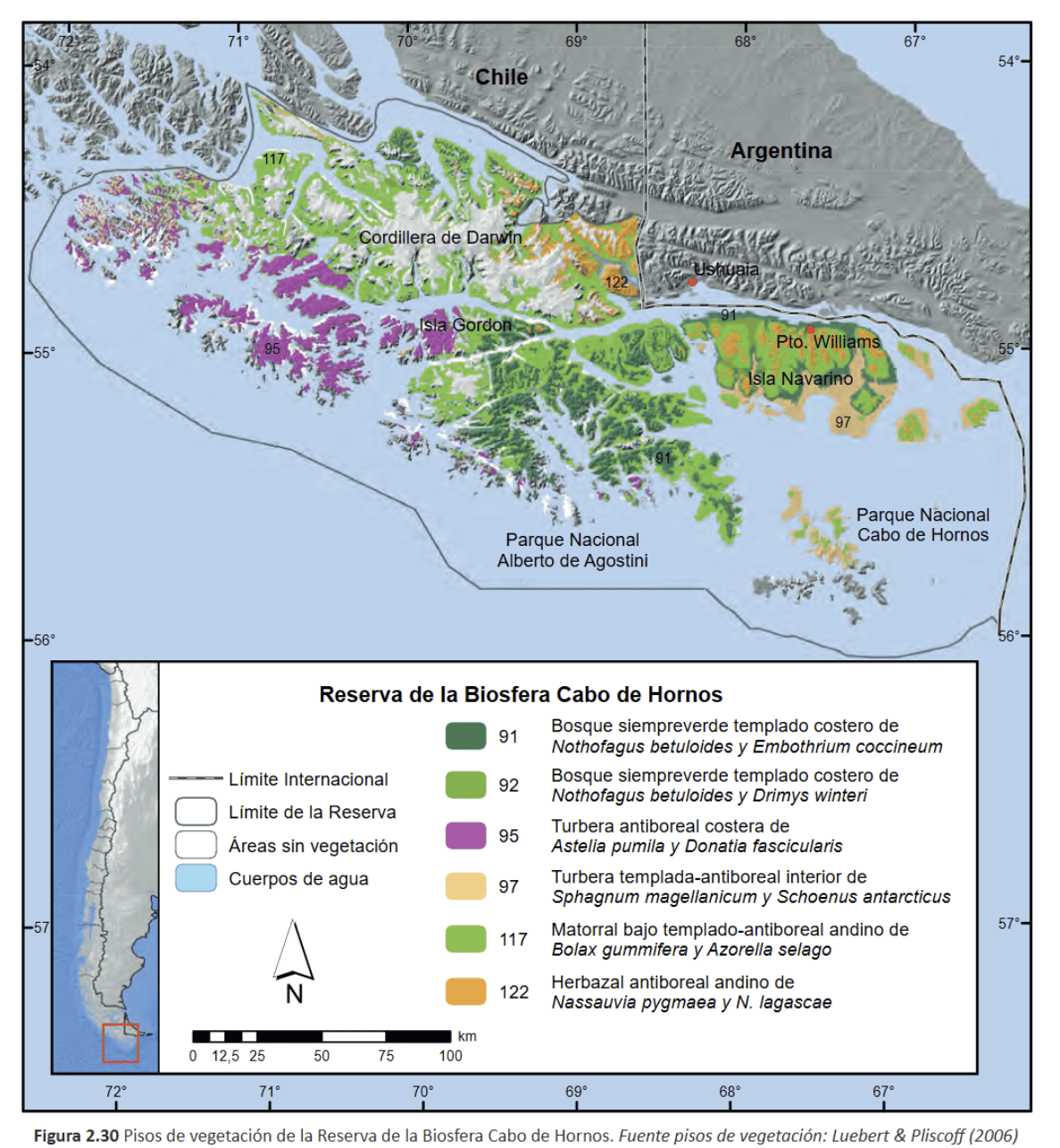
Geographically, the reserve extends across the Tierra del Fuego archipelago, between 54.1° S and 56.2° S latitude, and 66.1° W and 72.5° W longitude. It includes the Wollaston, Hermite, Navarino, and Hoste islands, as well as channels (including the Beagle Channel), fjords, and currents that form a landscape shaped by glaciations and tectonic activity. The UNESCO MAB Reserve zoning (Cabo de Hornos Biosphere Reserve, i.e., the southern Chilean marine reserve) is structured into three areas:
The core zone (Alberto de Agostini National Park including the Darwin Range, and Cape Horn National Park) is strictly protected.
The buffer zone, where light and sustainable activities are allowed.
The transition zone, including isolated villages like Puerto Williams and limited infrastructure under a sustainable development framework.
The reserve’s subantarctic forests are the southernmost on earth. Dominated by three Nothofagus species—N. pumilio, N. betuloides, and N. antarctica—they form both deciduous and evergreen stands, interspersed with peat bogs and alpine heaths. These forests are among the world’s rare examples of non-fragmented temperate forest. The organic-rich soils support vast carpets of bryophytes, typical of the cool, humid environment; these play a crucial role in the hydrological cycle and carbon sequestration.
2.2 Marine and coastal ecosystems
The marine component of the reserve centers around a complex network of fjords, channels, and underwater plateaus. The Humboldt current and the mixing of cold Pacific and Atlantic waters have fostered the development of kelp forests (Macrocystis pyrifera, Durvillaea antarctica) forming “underwater forests” that host diverse invertebrate fauna and fish communities. Intertidal habitats harbor macroalgae species and numerous endemic invertebrates, while the cold, oxygen-rich waters support populations of seals, sea lions, and several cetacean species.
3. Biological diversity and endemism: subantarctic biodiversity
3.1 Bryophytes and lichens
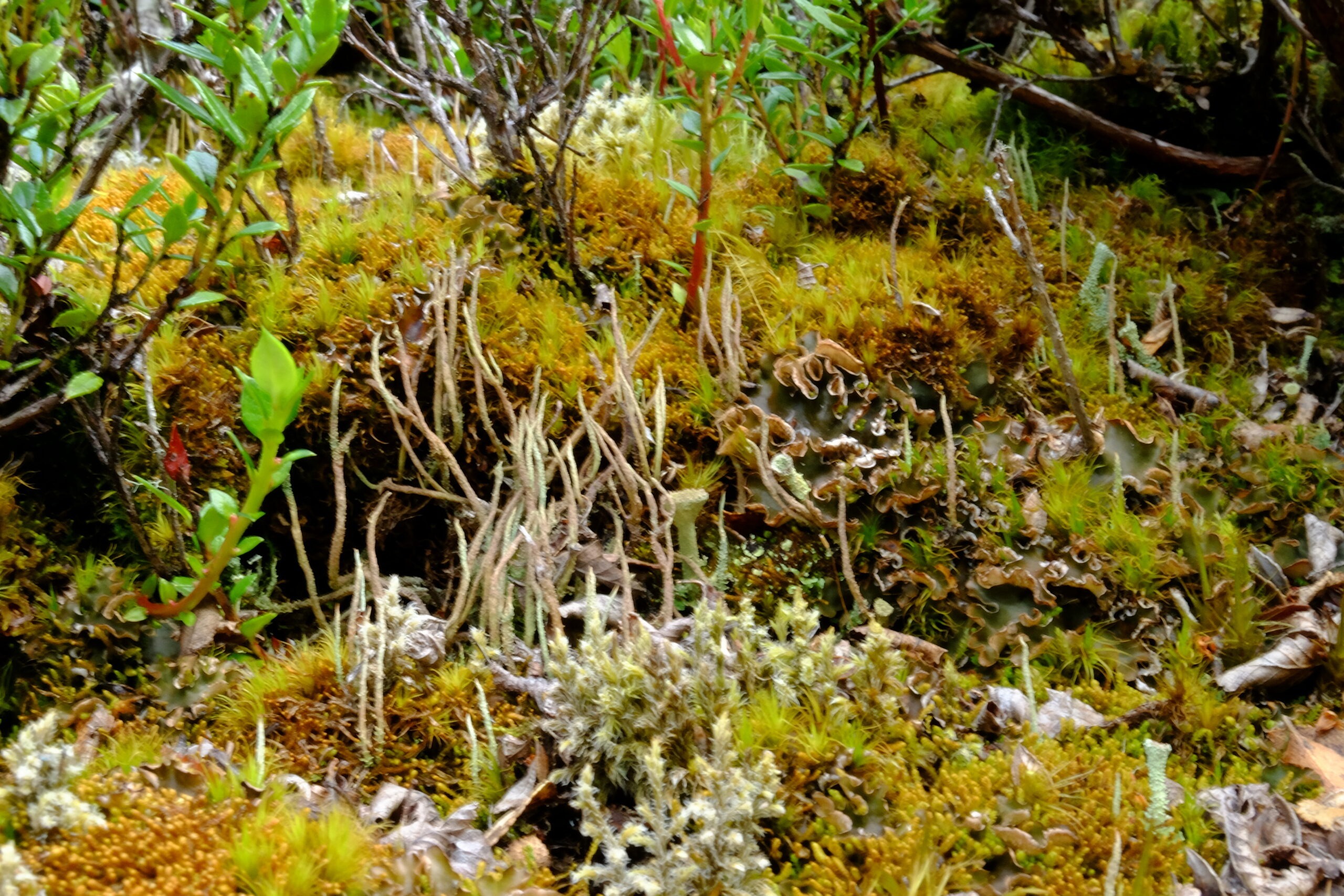
With over 300 species of liverworts and 450 species of mosses, the reserve is a global hotspot for bryophytes, representing more than 5% of global diversity on less than 0.01% of the world’s land surface. These communities, described as “miniature forests,” serve as sentinels for assessing the impacts of climate change and rising UV radiation.
Example of bryophytes / miniature forest (mosses, liverworts, and lichens) from the Cape Horn Biosphere Reserve (MAB-UNESCO); Navarino Island, 2020 (c) Lauriane Lemasson.
3.2 Terrestrial and marine fauna
Terrestrial fauna include the southern river otter (Lontra provocax), the Magellanic woodpecker (Campephilus magellanicus), and other endemic birds. In the marine environment, the surrounding waters are home to black-browed albatross, giant petrels, Magellanic penguins, and stable populations of fur seals and leopard seals, highlighting the ecological importance of this protected area.
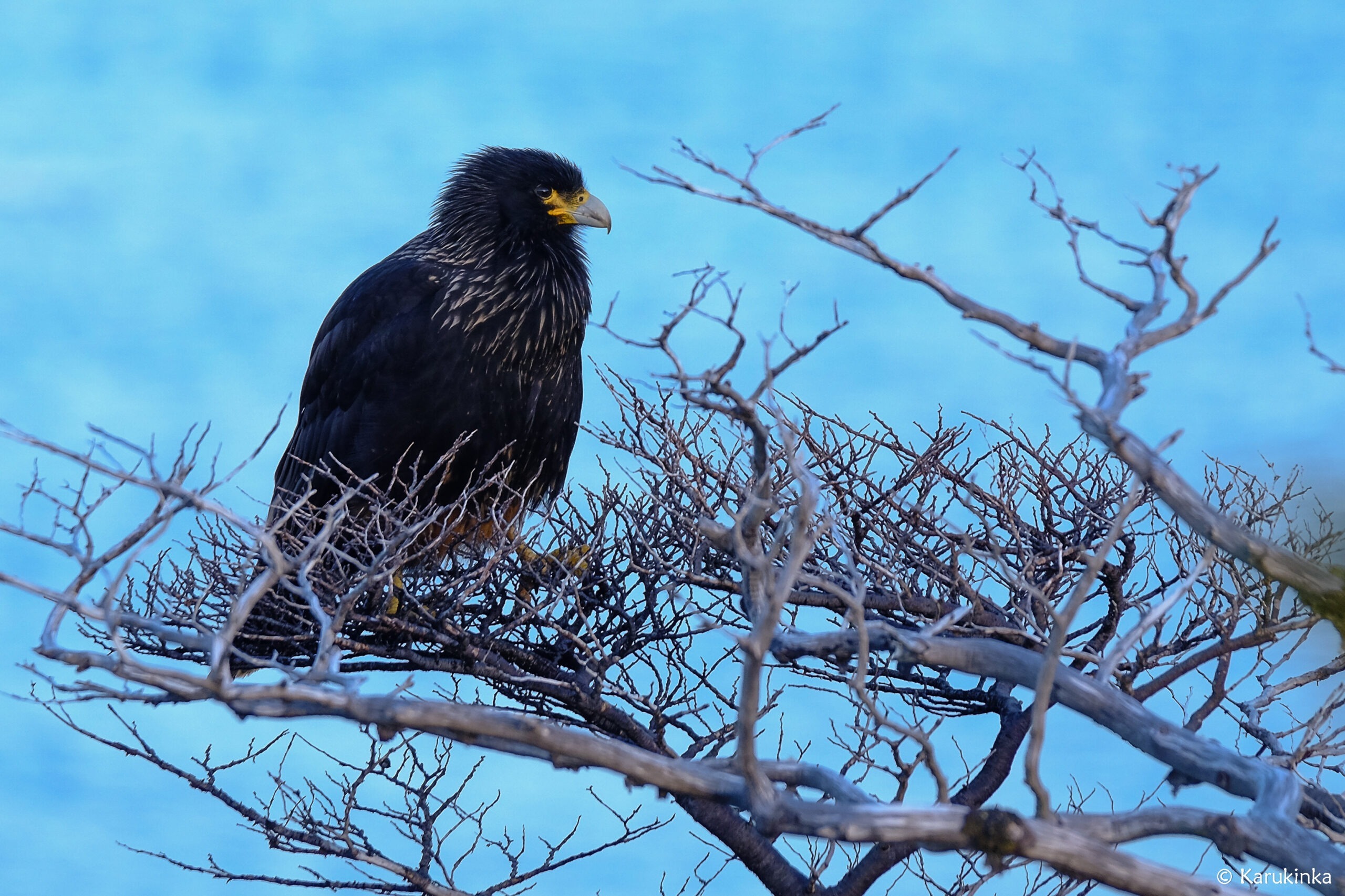
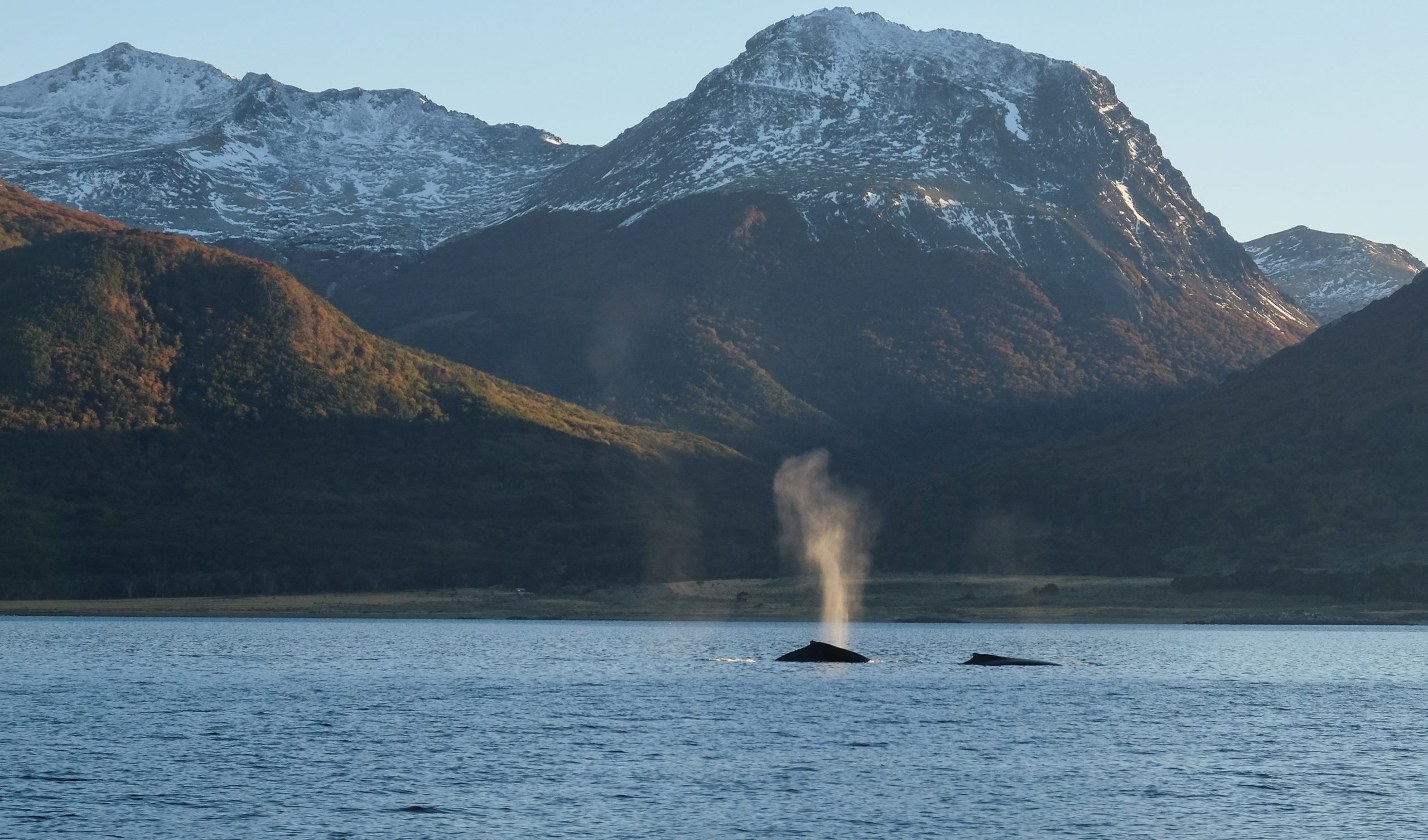
A black Carancho from Martial Bay (Cape Horn Reserve, April 10, 2025, during a sailing expedition at Cape Horn and in the Patagonian channels)Whales in the Beagle Channel during the 2018 expedition (Karukinka Association)
4. Biocultural dimension and Yaghan ethnology
The reserve is also a cultural sanctuary. The Yaghan, nomadic people of the southern channels, are the world’s southernmost indigenous group, with a presence dating back over 7,500 years, as evidenced by archaeological sites on Navarino Island. They continue to possess expert knowledge of canoe navigation and subantarctic ecology, and have actively participated in research within the reserve, particularly through the Omora Ethnobotanical Park near Puerto Williams. Their oral traditions, language, and knowledge of local flora and fauna are incorporated into educational and conservation programs. Ecotourism in Patagonia is also a key activity of the Omora initiative.
5. Governance and management
The reserve is managed by a board chaired by the regional governor, involving public agencies and local organizations. The scientific committee, coordinated by the Omora Park and the University of Magallanes, leads research, ecological monitoring, and participatory conservation efforts. In 2006, the reserve joined UNESCO’s Ibero-MAB network, strengthening transnational cooperation for research and training.
6. Threats and conservation challenges
Despite its isolation, the reserve faces several threats:
Uncontrolled tourism development, particularly southern cruises and increased traffic around Cape Horn, poses risks of pollution and disturbance to marine wildlife.
Intensive salmon farming in northern fjords introduces exotic species and degrades water quality. Salmon now breed in these waters, impacting native species such as the robalo.
The spread of introduced species such as the North American beaver and mink threatens riparian forests, streamside habitats, and shorebird nesting sites.
Long-term monitoring programs, such as the Omora initiative and Long-Term Ecological Research (LTER) stations, assess these pressures and propose adaptive measures. However, monitoring is hampered by the vastness of the reserve and its logistical challenges.
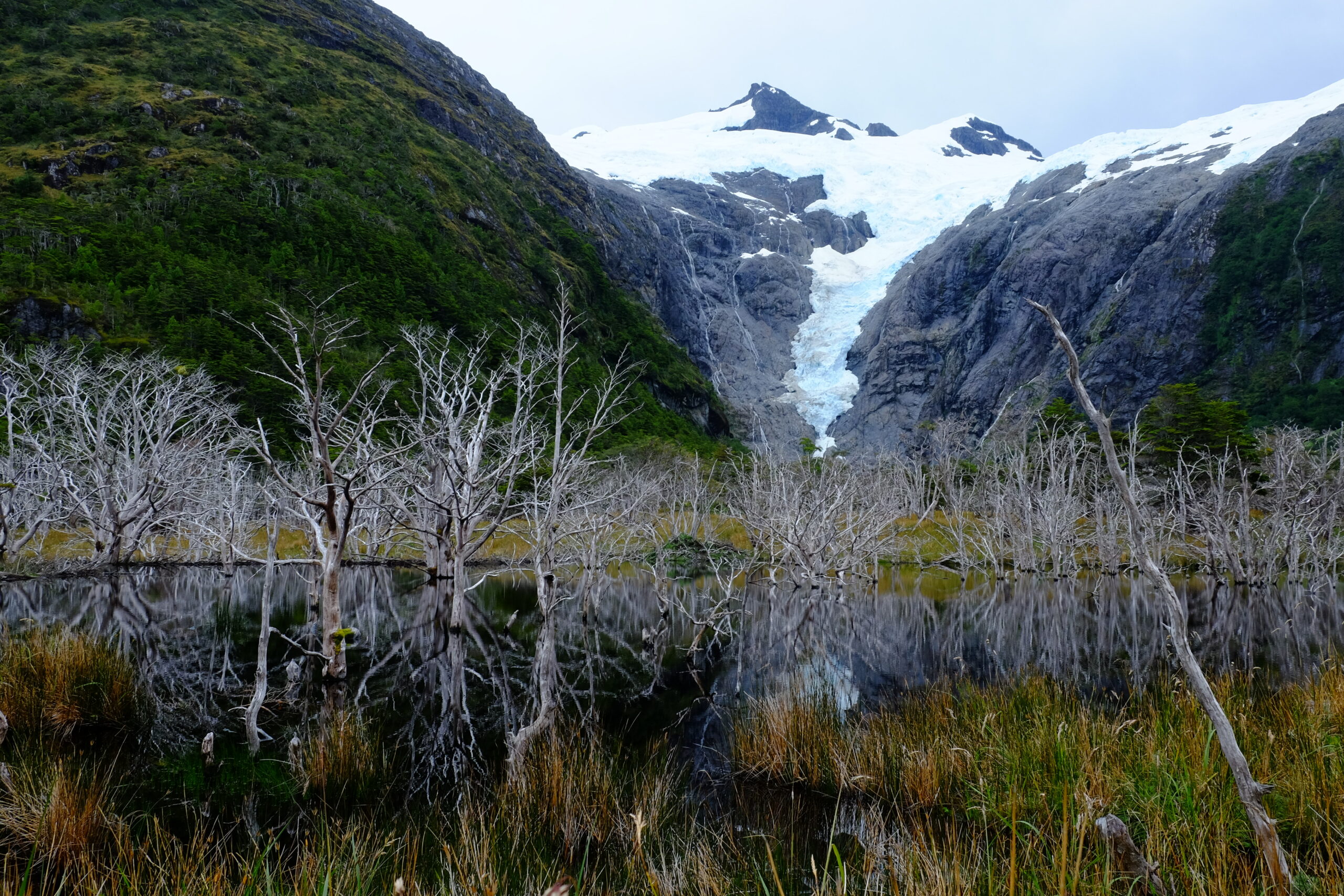
Lake created at the foot of a glacier by beavers, photographed during a sailing expedition in Patagonia (Beagle Channel, Hoste Island, Cape Horn Biosphere Reserve, Chile).
7. Research and education initiatives
7.1 Omora Ethnobotanical Park
Founded in 2000, the Omora Ethnobotanical Park is at the center of a transdisciplinary approach combining ecology, environmental philosophy, and “field philosophy” education. It offers educational trails, including “miniature forests,” to raise public awareness of bryophyte diversity and the link between biodiversity and Yaghan culture.
7.2 Cape Horn International Center (CHIC)
Inaugurated in 2020 in Puerto Williams, CHIC brings together researchers, artists, and indigenous communities to develop a model for biocultural conservation, technical training, and sustainable development. Its programs address the responses of biodiversity to climate change, the management of invasive species, and the formulation of public policy adapted to subantarctic zones.
The Cabo de Hornos Biosphere Reserve remains one of the rare refuges where harmonious coexistence between local inhabitants and ecosystems at the literal edge of the world is fully realized. Securing its future means strengthening participatory governance, managing invasive species, and supervising polar tourism under the banner of responsible ecotourism. Finally, the ongoing integration of Yaghan knowledge in research and education programs will ensure the preservation of both the biological and cultural heritage of this unique subantarctic sanctuary.
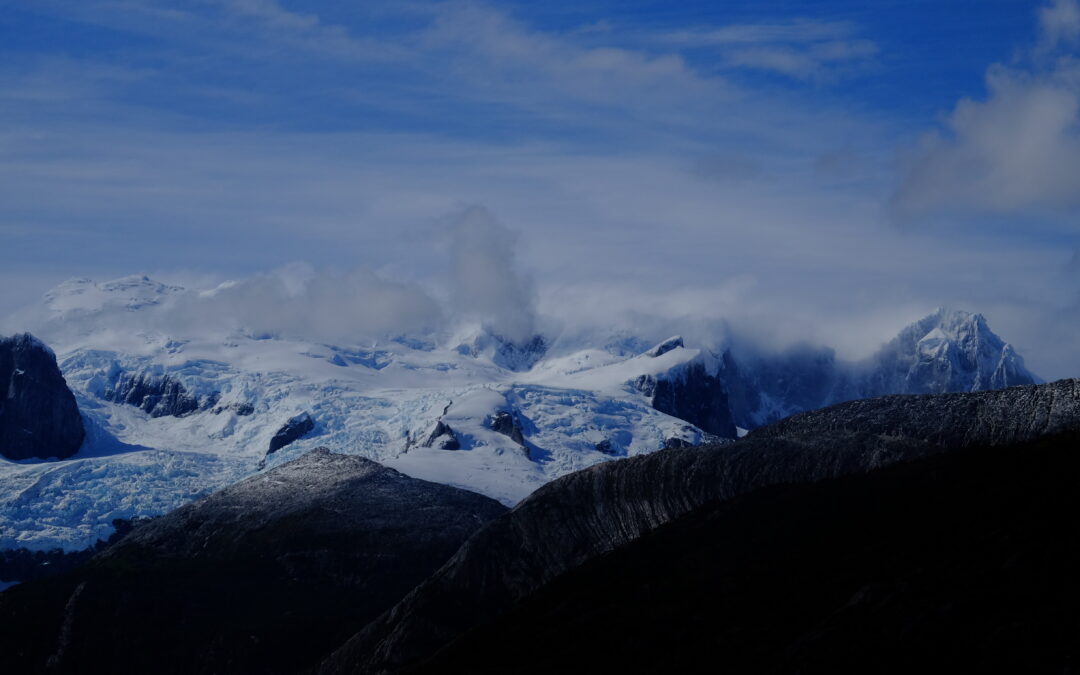
Pia Glacier, Patagonian Channels, Darwin Range, Cape Horn Biosphere Reserve, Magallanes, Chile, 2025
Bibliography
Rozzi, R. et al. (2006). Ten Principles for Biocultural Conservation at the Southern Tip of the Americas: The Cape Horn Biosphere Reserve. Ecology and Society, 11(1). https://www.ecologyandsociety.org/vol11/iss1/art43/
Rozzi, R. et al. (2004). Omora Ethnobotanical Park: A Model for Integrating Biocultural Conservation and Environmental Philosophy in the Cape Horn Biosphere Reserve. Environmental Ethics, 26(2), 131–169. https://doi.org/10.5840/enviroethics200426226
Mittermeier, R. A. et al. (2003). Hotspots: Earth’s Biologically Richest and Most Endangered Terrestrial Ecoregions. Conservation International. https://www.conservation.org
CONAF (Corporación Nacional Forestal). (2023). Reserva de la Biósfera Cabo de Hornos. Gobierno de Chile. https://www.chilebosque.cl
Cape Horn International Center (CHIC). (2021). CHIC Strategic Plan 2021–2026. Universidad de Magallanes. https://www.centrochic.cl
Anderson, C.B. et al. (2011). Exotic ecosystem engineers transform sub-Antarctic forest structure and function. Biological Invasions, 13, 545–561. https://doi.org/10.1007/s10530-010-9841-4
Anderson, C.B. et al. (2019). Cape Horn’s Lessons for Sustainability. Science Advances (UNESCO CHIC/UMAG). https://advances.sciencemag.org/
Rozzi, R. et al. (2010). La Reserva de Biósfera Cabo de Hornos: una propuesta educativa y de desarrollo sustentable en el extremo austral de Chile. Universidad de Magallanes. Disponible sur la bibliothèque CHIC.
The new vessel, Milagro, serves as a cornerstone for Karukinka’s operations. More than a means of transportation, this 20-meter steel ketch is a fully equipped, autonomous floating base that allows Karukinka to carry out ambitious scientific, artistic, and cultural expeditions in Patagonia, Cape Horn, and even Antarctica #patagonia sailing
A versatile floating base camp in insular Patagonia
Milagro is an expedition sailboat acquired by the Karukinka Association in 2023 thanks to the support of its members. This 20‑metre (64ft) Bruce Roberts steel ketch plays a fundamental role in the implementation of our association’s activities. Built in Sweden and having already completed two circumnavigations, the Milagro is a true “floating base camp” able to host a range of initiatives — artistic, scientific, or sporting.
With its tailored technical features (length 20 m, beam 5.25 m, draft 2.30 m, Cummins 180 HP engine, 180 m² upwind sail area and 295 m² downwind), the Milagro provides a robust, well‑adapted platform for our expeditions in polar and subpolar regions, Karukinka’s primary fields of activity.
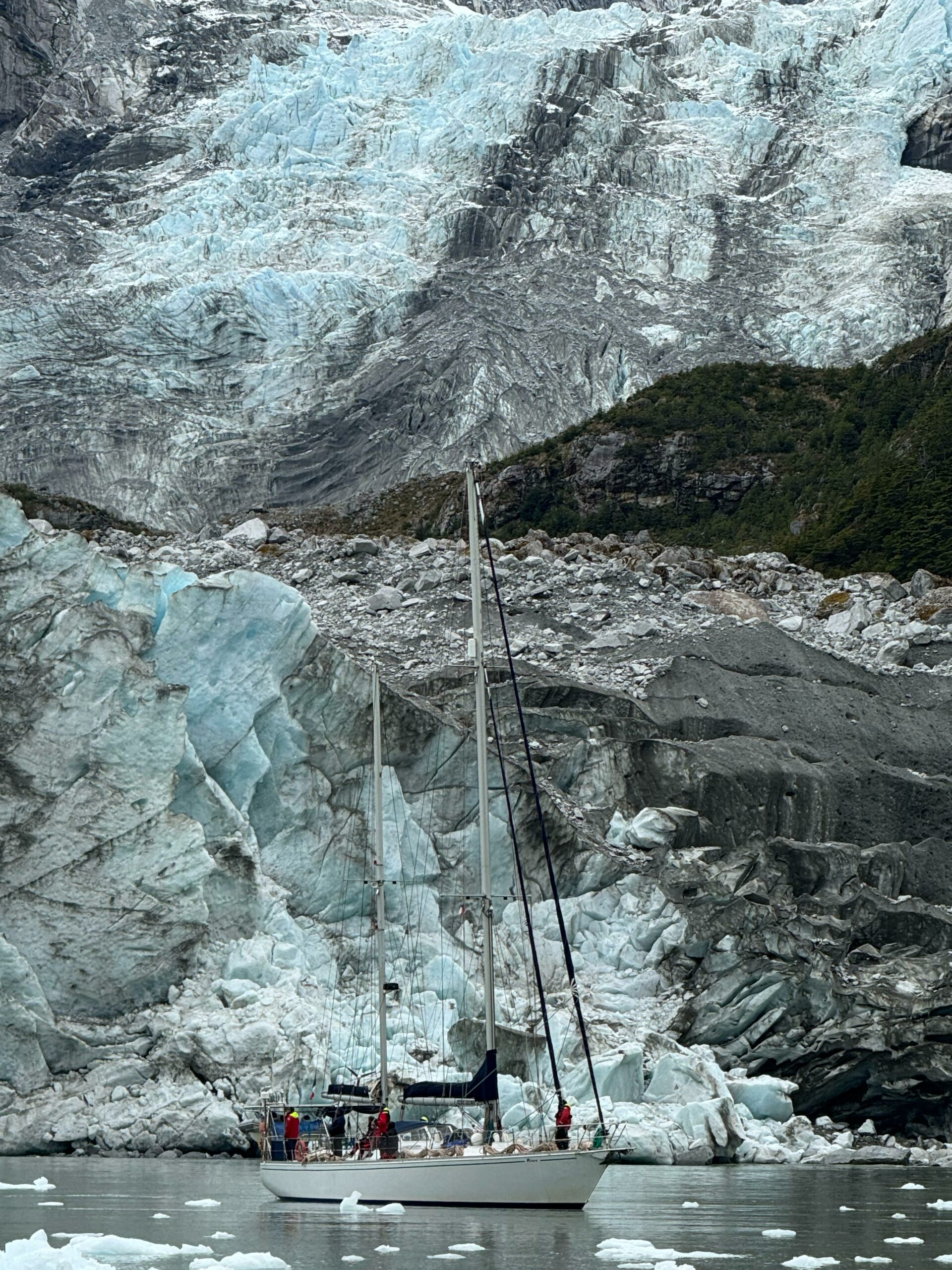
The sailing vessel Milagro at the foot of a glacier in the Darwin Range, Tierra del Fuego, Patagonian Channels, Chile (Photograph: Diego Quiroga, from the sailing yacht Pic La Lune, Ushuaia)
A support vessel for the logistics of our scientific, sporting, and artistic expeditions
An infrastructure adapted to field research
The Milagro is an essential logistical support for Karukinka’s scientific and artistic expeditions. Fully equipped and insulated, the vessel can host up to 12 people (10 for projects lasting more than a week) in five cabins (four doubles and one quadruple). This large capacity facilitates the creation of multidisciplinary teams, in line with our association’s goal of bringing together sporting, artistic, and scientific expertise.
Her considerable autonomy (1,500 L of diesel, 1,000 L of water + desalination system, generator, solar panels…) allows her to reach remote areas and remain on site long enough to complete our work. The vessel is also equipped for telecommunications in zone A4 and has internet access, ensuring safety and connectivity even in the most isolated regions such as the Patagonian channels (Tierra del Fuego, Darwin Range, Cape Horn, Antarctica).
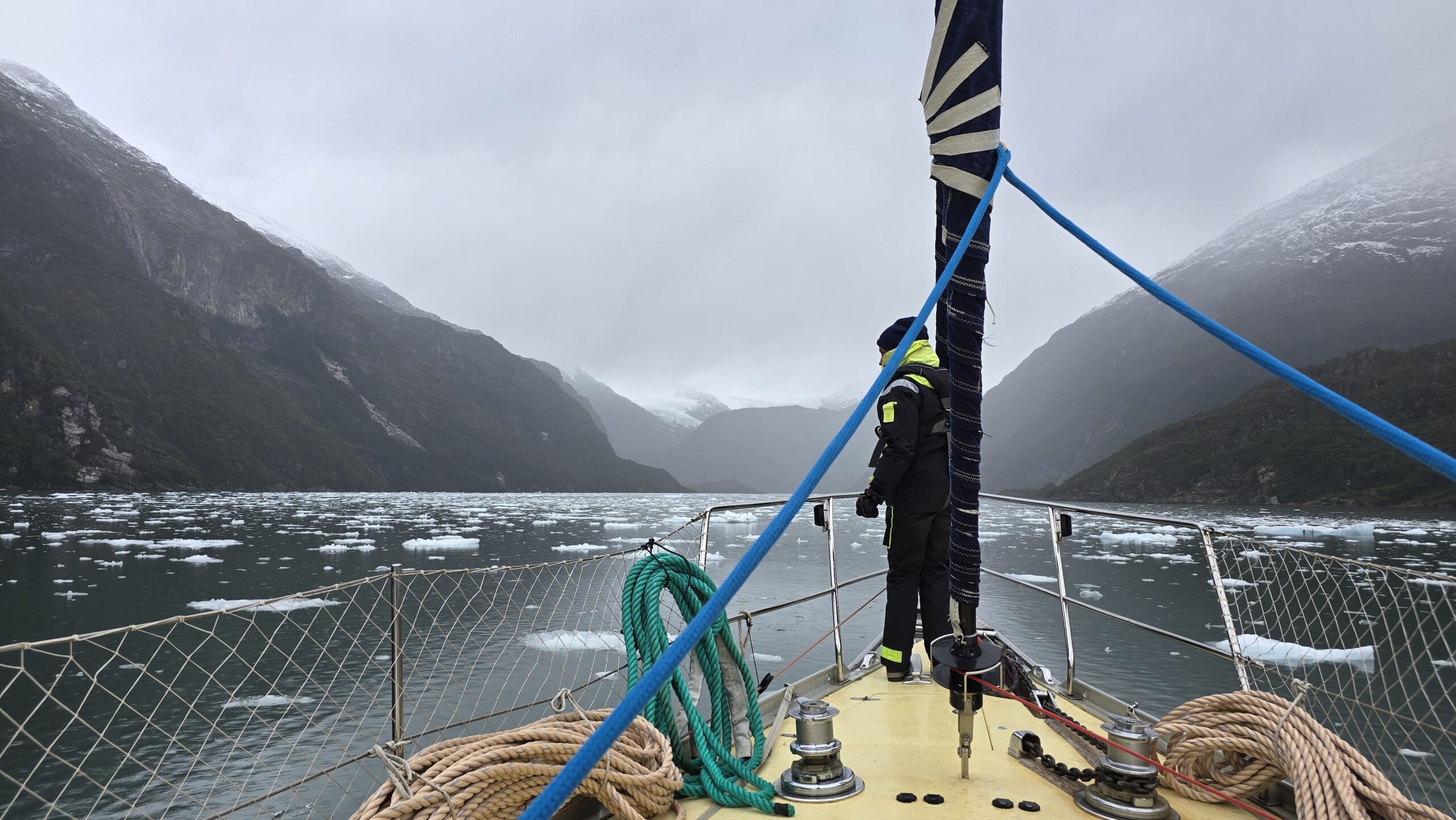
Exploration of a fjord in the Darwin Range (Tierra del Fuego) where one of Patagonia’s many glaciers flows (sailing vessel Milagro, Chilean Fjords, March 2025)
A tool for ambitious projects
Thanks to Milagro, Karukinka has greatly expanded its activities, enabling truly independent scientific and artistic research expeditions and residencies. The vessel is crewed by a volunteer professional team of two to three holders of the French State Sailing Certificate and Merchant Navy qualification.
The acquisition of this yacht made possible, among others, the North Cape to Cape Horn Expedition (2023‑2025), a major project supported by the French Ministry of Culture’s “Mondes Nouveaux” programme. This voyage, linking Norway’s North Cape to Cape Horn under sail, concluded with arrival in Tierra del Fuego on 24 January 2025, after travelling over 15,000 nautical miles and rounding Cape Horn under sail in March and April 2025.
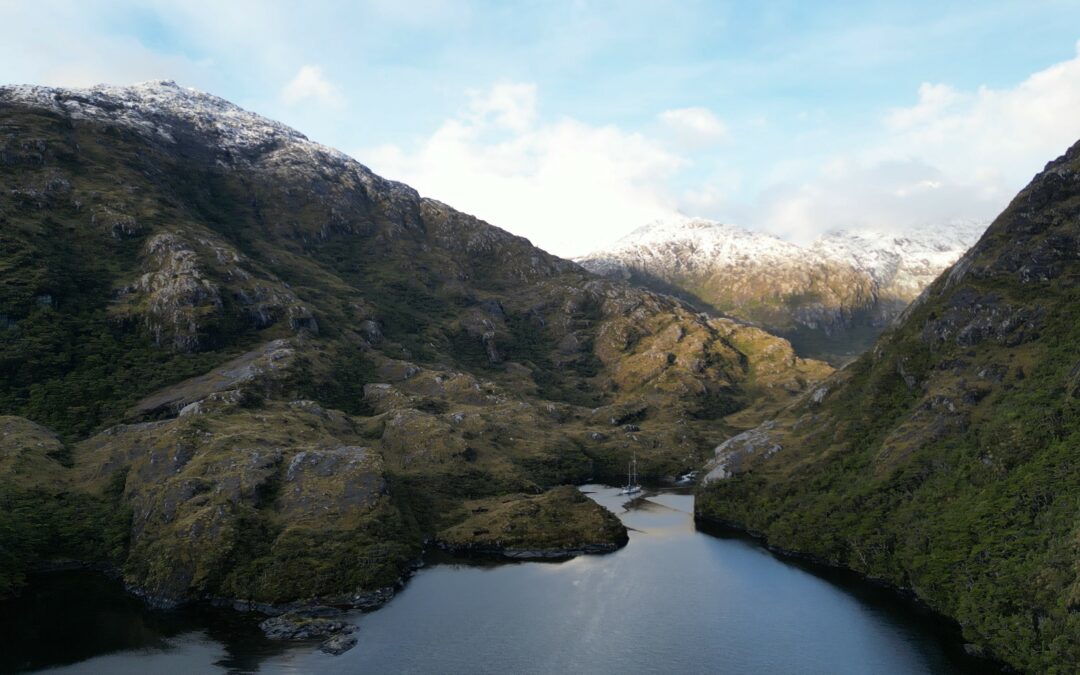
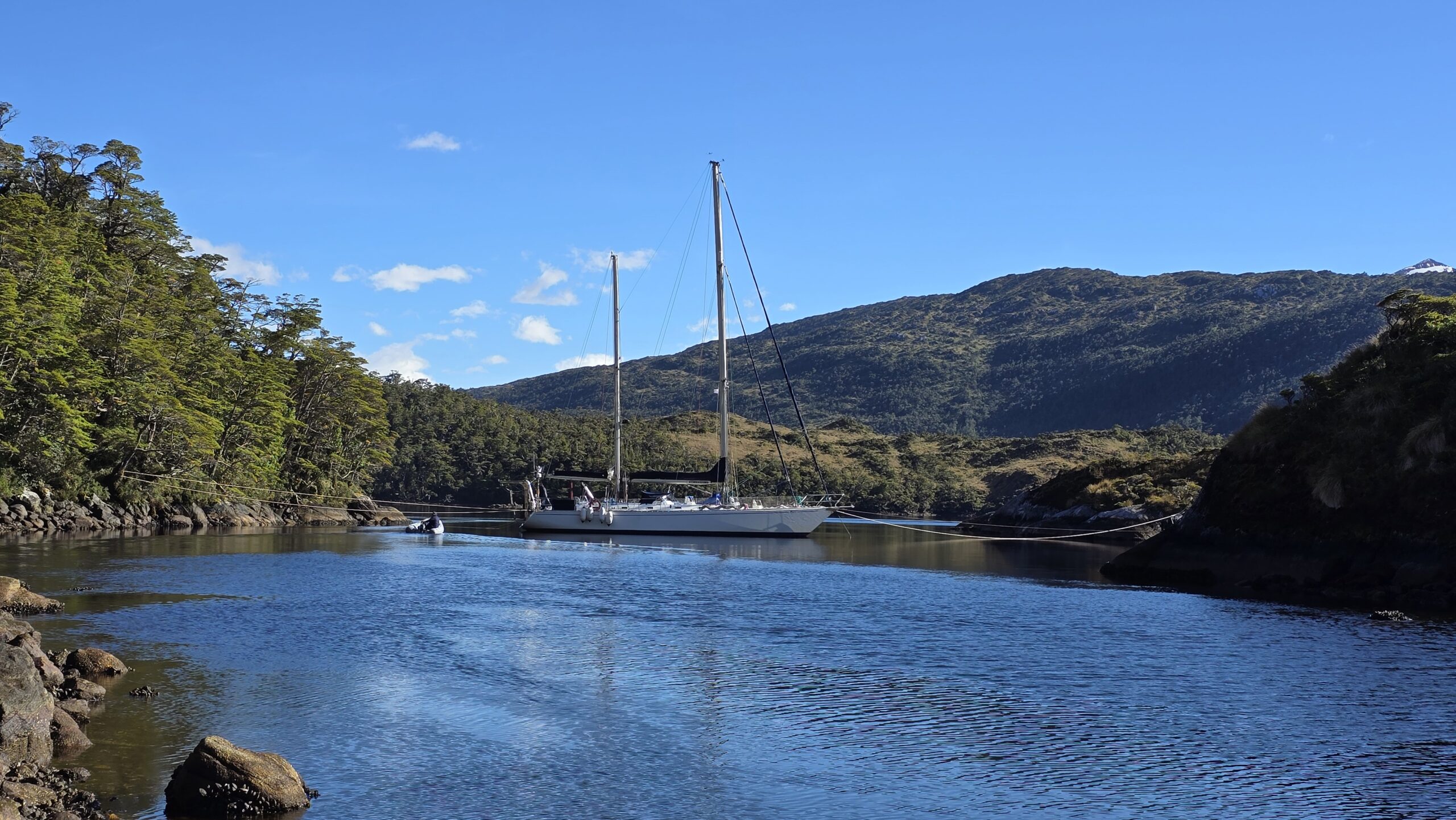
Milagro at anchor in one of the many bays of the Cape Horn Biosphere Reserve (2025)
Funding the association’s activities
A sailing section for self‑financing
Since 2023, Karukinka has had a sailing section affiliated with the French Sailing Federation. The association offers sailing courses reserved for its members, which help fund its actions in support of indigenous peoples and ensure the delivery of ambitious projects.
Given the budget required to maintain and operate a 20‑metre yacht — and the scope of the association’s long‑term projects (digitising documents and archives, creating online databases, funding travel to Europe for members of indigenous communities) — Karukinka’s Annual General Assembly sets the membership fee needed to take part in the various sailing activities and thus sustain its work.
Sailing in the Patagonian Channels with our members from Scotland and Belgium: Norena, David, Morag, and Morgan (Beagle Channel, Chile, February 2025)
Supporting independent research
Aware of the difficulties laboratories and researchers face in obtaining funding for work in polar and subpolar regions, Karukinka does everything it can to support projects of a scientific, artistic, sporting, or humanistic nature. The Milagro plays a crucial role in this self‑financing and independent research‑support strategy.
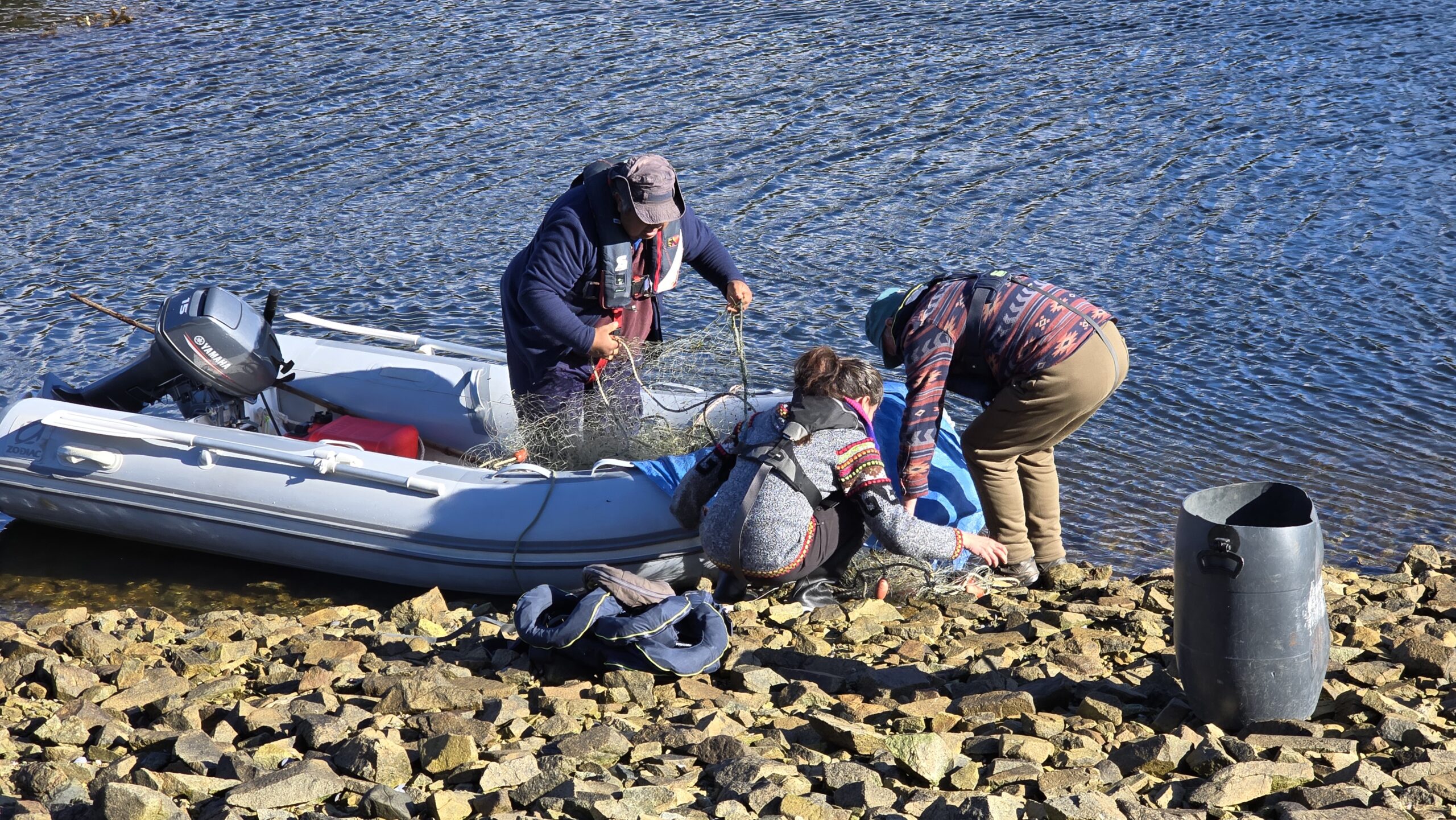
Artisanal fishing in the Patagonian Channels with José Germán Gonzalez Calderón (fisherman and Yagan craftsman, honorary member of Karukinka and godfather of the vessel, from Navarino Island)
The association also offers services for field missions aboard Milagro to laboratories, institutes, and groups of researchers and/or artists. This approach allows resources to be pooled and makes difficult‑to‑reach study areas more accessible.
A tool of freedom for future projects
The acquisition of Milagro has greatly broadened the horizons of our association. Thanks to this vessel, we now have full freedom to continue our actions and research south of the Strait of Magellan, from 2025 to 2030 and beyond.
The yacht allows the association to conduct multidisciplinary projects in hard‑to‑reach regions such as the Patagonian Channels, Antarctica, and South Georgia. It also facilitates the continuation of work with the Selk’nam, Haush, and Yagan indigenous peoples of southern Patagonia, one of the association’s main areas of focus.
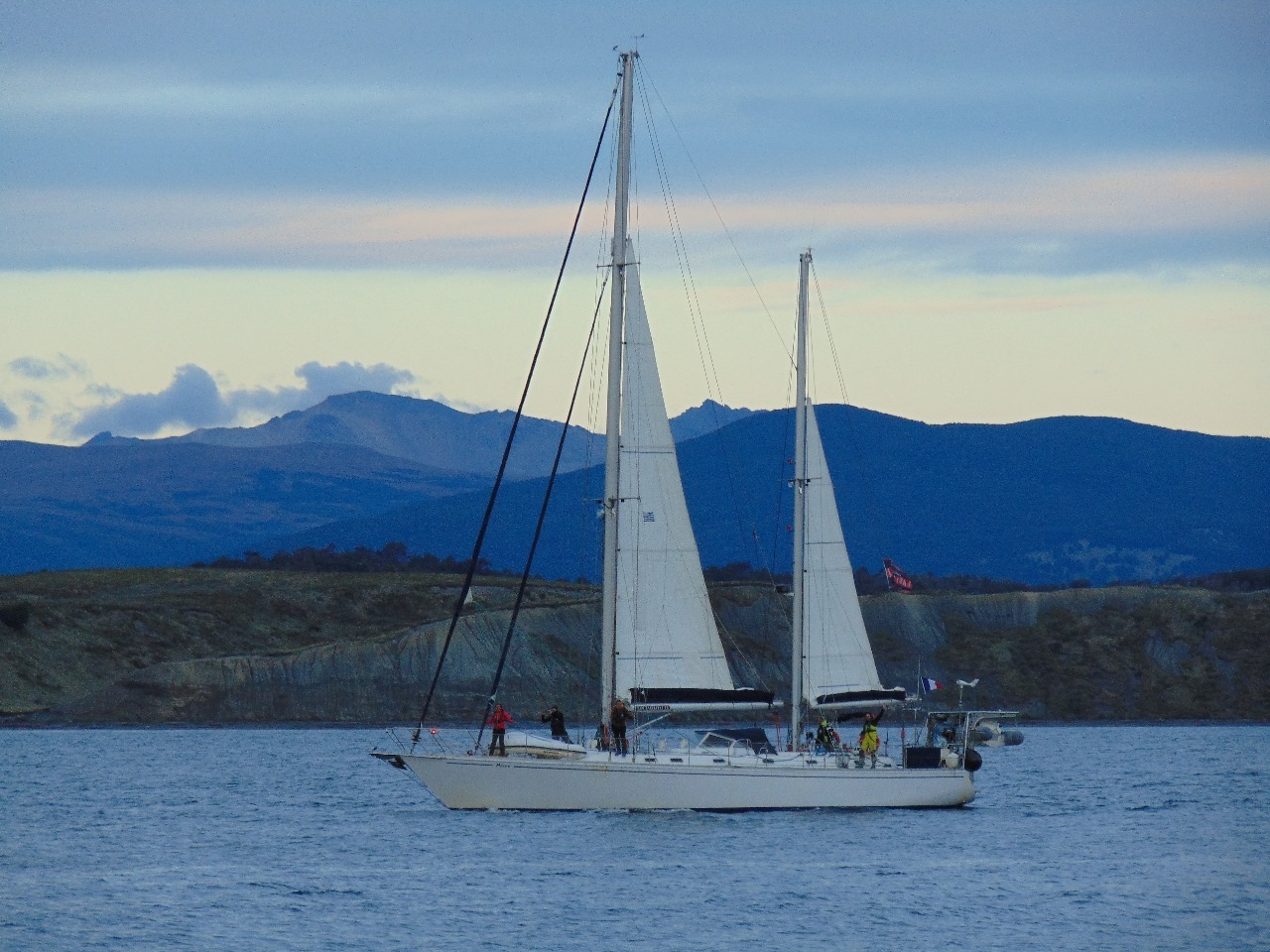
Arrival of the sailing vessel Milagro in the Beagle Channel, Patagonia, after 15,000 nm (photograph by José Germán González Calderón, near Ukika Puerto Williams, Navarino Island, Cape Horn region, Chile, 2025)
The Milagro represents far more than just a means of transport and is not an end in itself, but a means. It is an essential strategic tool, allowing the association to fully carry out its mission of exploration, scientific research, and artistic creation in polar and subpolar regions.
Thanks to this vessel, Karukinka can undertake ambitious projects, self‑finance its activities, support independent research, and continue its collaboration with indigenous peoples. The Milagro thus embodies the association’s philosophy: independence, goodwill, and commitment to knowledge and the preservation of the cultures and environments of our planet’s extreme regions.
Departure of the expedition sailing vessel Milagro from the fishing port of Puerto Williams with an international crew (Argentina, Chile, and France): Aude, Lauriane, Sébastien, Clément, Alejandro, Shenü, Damien, Mirtha (godmother of the vessel), Alicia, Maria, and Vaïna, filmed by José, the godfather of Milagro (January 2025).
A scientific team listens to the white continent’s sea wildlife by immersing microphones in its depths. This is a fascinating journey.
In the depths of the Antarctic Ocean, immersed microphones record sounds of “spaceshifts” and a range of “impressive” buzzing. This is what the Colombian scientist Andrea Bonilla explains, while she monitors sea life during an expedition to the edges of the white continent.
500 meters below surface
This biologist from the New York Cornell University immerses hydrophones 500 meters deep. They are wrapped with titanium and will register these depths’ soundwaves during one whole year.
Once the soundwaves are deciphered, they will help to understand the sea mammals’ behavior and their movements during austral winter, when the Antarctic becomes almost uninhabitable.
“Here, you can find species whose sound is impressive, literally like in Star Wars, they sound like spaceships. Very few ears have the privilege to hear them.” the 32-year-old scientist reports aboard the ARC Simon Bolivar, a Colombian navy’s ship.
Tension and excitement
Andrea Bonilla – who holds a PhD in marine acoustics – and the other scientists aboard the tenth Colombian expedition in the Antarctic also gather the microphones that were left the year before during a mission operated by the Turkish Navy.
Guided by the GPS, the boat is entering the meeting zone. In order to make the hydrophone come back to the surface, Andrea Bonilla is releasing the anchor that keeps it immerged. The whole team is now peering into the quiet waters during eight long minutes until a little flag unfurls at the surface, welcomed by joy.
She’s warmly congratulated by her co-workers and expresses relief. “I’m really excited because it was the first time we did this operation in those waters. Everything turned out great.” the Colombian scientist says delightedly.
Assessing the impact of human activity
Once back onto dry land, she will analyze one year of recording. “In a marine environment, sound is one of the core elements.” she says. It is, because noise or auditory disturbances can affect intraspecies communication or hinder the normal continuity of natural activities such as hunting.
Illustration photo Sipa/Chine Nouvelle
These investigations also intend to assess the impact of human activity and of the pollution to which mammals are exposed in one of the most preserved spots on earth.
“Protected marine area »
Another purpose is to support the proposal, which has been promoted by Chili and Argentina since 2012, to make the Antarctic peninsula “a protected marine area”. Andrea Bonilla works with spectrographs who visually represent the sound frequencies. Medium and high frequencies arise from animals of different sizes.
Her discoveries won’t just be used to monitor the sea mammals, they will help as well geophysical research: the microphones capture low frequencies that are emitted by Earth movements and melting ice.
Penguins and whale
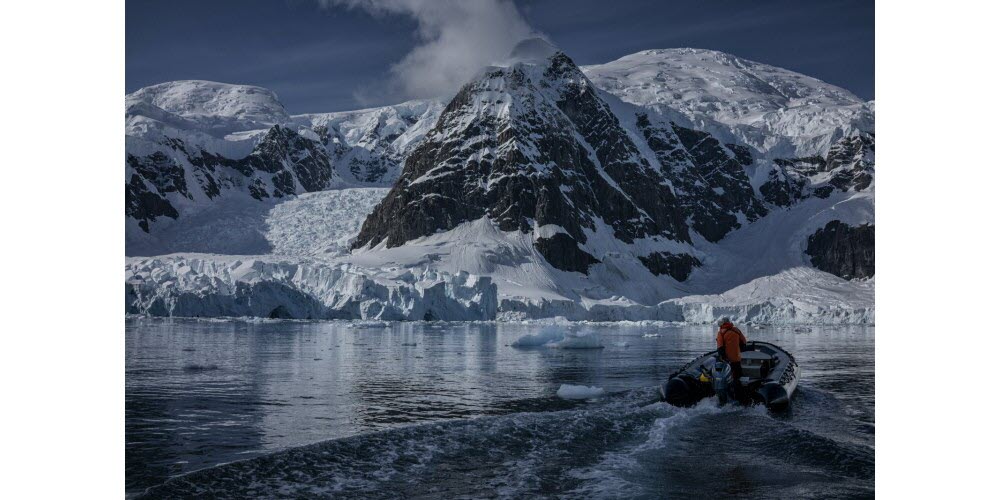
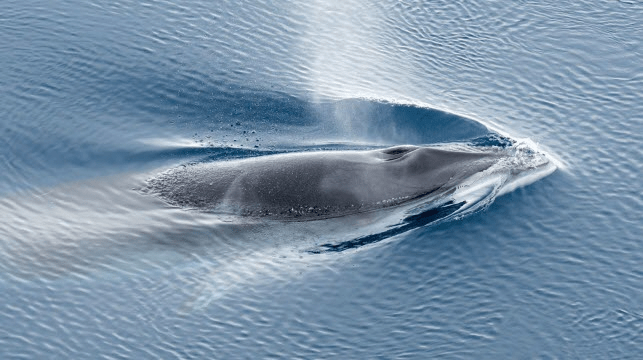
Not far from the ship, a penguin colony is walking on a giant toboggan-shaped ice block while on the surface, the scientists are watching a humpback whale take a last breath before winter makes it leave towards Pacific’s warmer waters.
Illustration photo Sipa/Chine Nouvelle
“My first encounter with a whale happened with a singing whale, and I think it changed my life”, the scientist remembers.
After having eaten for months in the Antarctic peninsula and the Strait of Magellan in Chile, thousands of these large mammals meet between June and October in order to breed, in a sea corridor which stretches from South Costa Rica to North Peru.
Melodious animal songs
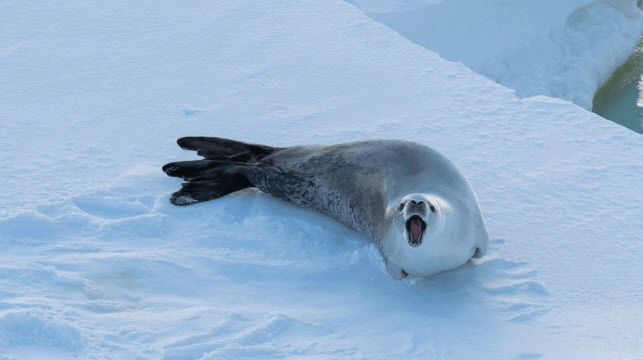
But “there are also species which live only here”, she stresses, such as Weddell seals and leopard seals, which make high-pitched songs of various tones and melodious compositions which provide information about their behavior.
Andrea Bonilla is getting ready to drop new hydrophones and is tying on top of the titanium tank a red flag which will be used to detect it in the midst of the waters when she comes back next year. During the expedition, three microphones have been immersed, two in the Strait of Bransfield and one in the Drake Passage.
Source: https://www.leprogres.fr/environnement/2024/02/18/des-micros-dans-les-fonds-de-l-antarctique-pour-comprendre-la-vie-marine#Echobox=1708238993 (translated from French by the Karukinka association)
Supporting Antarctic scientific investigation is the job of the national Antarctic programmes, the government entities charged with delivering their countries’ Antarctic research strategies. This requires sustained investment in people, innovative technologies, Antarctic infrastructures, and vessels with icebreaking capabilities. The recent endorsement of the International Maritime Organization (IMO) Polar Code (2015) means that countries must address challenges related to an ageing icebreaking vessel fleet. Many countries have recently invested in and begun, or completed, builds on new icebreaking Polar research vessels. These vessels incorporate innovative technologies to increase fuel efficiency, to reduce noise output, and to address ways to protect the Antarctic environment in their design. This paper is a result of a Council of Managers of National Antarctic Programs (COMNAP) project on new vessel builds which began in 2018. It considers the recent vessel builds of Australia’s RSV Nuyina, China’s MV Xue Long 2, France’s L’Astrolabe, Norway’s RV Kronprins Haakon, Peru’s BAP Carrasco, and the United Kingdom’s RRS Sir David Attenborough. The paper provides examples of purposeful consideration of science support requirements and environmental sustainability in vessel designs and operations.
Read more : https://www.cambridge.org/core/journals/polar-record/article/icebreaking-polar-class-research-vessels-new-antarctic-fleet-capabilities/9177AFA1FDFAD8B9E5AE5DC68A5C8F80