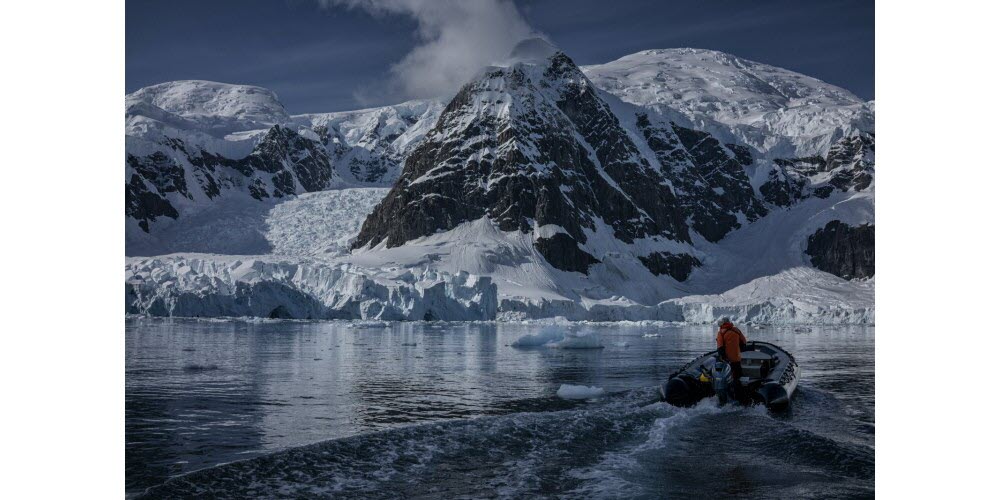
A scientific team listens to the white continent’s sea wildlife by immersing microphones in its depths. This is a fascinating journey.
In the depths of the Antarctic Ocean, immersed microphones record sounds of “spaceshifts” and a range of “impressive” buzzing. This is what the Colombian scientist Andrea Bonilla explains, while she monitors sea life during an expedition to the edges of the white continent.
500 meters below surface
This biologist from the New York Cornell University immerses hydrophones 500 meters deep. They are wrapped with titanium and will register these depths’ soundwaves during one whole year.
Once the soundwaves are deciphered, they will help to understand the sea mammals’ behavior and their movements during austral winter, when the Antarctic becomes almost uninhabitable.
“Here, you can find species whose sound is impressive, literally like in Star Wars, they sound like spaceships. Very few ears have the privilege to hear them.” the 32-year-old scientist reports aboard the ARC Simon Bolivar, a Colombian navy’s ship.
Tension and excitement
Andrea Bonilla – who holds a PhD in marine acoustics – and the other scientists aboard the tenth Colombian expedition in the Antarctic also gather the microphones that were left the year before during a mission operated by the Turkish Navy.
Guided by the GPS, the boat is entering the meeting zone. In order to make the hydrophone come back to the surface, Andrea Bonilla is releasing the anchor that keeps it immerged. The whole team is now peering into the quiet waters during eight long minutes until a little flag unfurls at the surface, welcomed by joy.
She’s warmly congratulated by her co-workers and expresses relief. “I’m really excited because it was the first time we did this operation in those waters. Everything turned out great.” the Colombian scientist says delightedly.
Assessing the impact of human activity
Once back onto dry land, she will analyze one year of recording. “In a marine environment, sound is one of the core elements.” she says. It is, because noise or auditory disturbances can affect intraspecies communication or hinder the normal continuity of natural activities such as hunting.
Illustration photo Sipa/Chine Nouvelle
These investigations also intend to assess the impact of human activity and of the pollution to which mammals are exposed in one of the most preserved spots on earth.
“Protected marine area »
Another purpose is to support the proposal, which has been promoted by Chili and Argentina since 2012, to make the Antarctic peninsula “a protected marine area”. Andrea Bonilla works with spectrographs who visually represent the sound frequencies. Medium and high frequencies arise from animals of different sizes.
Her discoveries won’t just be used to monitor the sea mammals, they will help as well geophysical research: the microphones capture low frequencies that are emitted by Earth movements and melting ice.
Penguins and whale
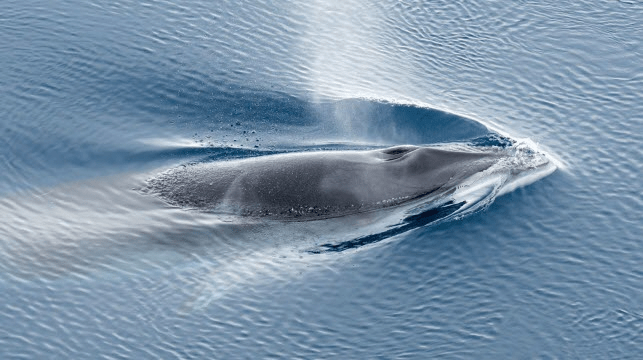
Not far from the ship, a penguin colony is walking on a giant toboggan-shaped ice block while on the surface, the scientists are watching a humpback whale take a last breath before winter makes it leave towards Pacific’s warmer waters.
Illustration photo Sipa/Chine Nouvelle
“My first encounter with a whale happened with a singing whale, and I think it changed my life”, the scientist remembers.
After having eaten for months in the Antarctic peninsula and the Strait of Magellan in Chile, thousands of these large mammals meet between June and October in order to breed, in a sea corridor which stretches from South Costa Rica to North Peru.
Melodious animal songs
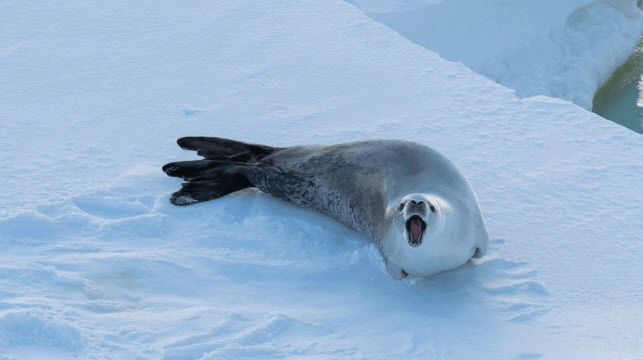
But “there are also species which live only here”, she stresses, such as Weddell seals and leopard seals, which make high-pitched songs of various tones and melodious compositions which provide information about their behavior.
Andrea Bonilla is getting ready to drop new hydrophones and is tying on top of the titanium tank a red flag which will be used to detect it in the midst of the waters when she comes back next year. During the expedition, three microphones have been immersed, two in the Strait of Bransfield and one in the Drake Passage.
Source: https://www.leprogres.fr/environnement/2024/02/18/des-micros-dans-les-fonds-de-l-antarctique-pour-comprendre-la-vie-marine#Echobox=1708238993 (translated from French by the Karukinka association)
Through travelling light projection, Corporation Traitraico and Delight Lab artists help highlight the depossession history of the Selk’nam people and the fight for their recognition and repair.
Translated from Spanish – Article from the El Mostrador newspaper (Chile)
A light art piece travelled through the Chilean South Patagonia to shine light on the recognition and repair of the Selk’nam people.
The Selk’nam people has been indigenous to Patagonia for thousands of years. During colonization, they suffered persecution, murder, rape and hostage to be shown in European human zoos. The Church banished them and forced them to abandon their culture; and the Chilean State did not recognize them as subjects to rights and later even considered the culture as extinct.
Thanks to two decades of fight, the Chilean Congress finally approved, in September 2023, bill 19.253 for the State to recognize the Selk’nam as an Indigenous people and its culture as living, adding them to the list of other ethnic groups such as Mapuche and Aimara.
« We will now be able to promote our culture more heavily. We need a political presence, and laws to protect our heritage because we suffer from a lot of cultural appropriation. It is the responsibility of the State to repair, through education, the content that is taught today and that leave the Selk’nam people for dead”, says Mauricio Astroza, young Selk’nam individual and member of the Telkacher Assembly.
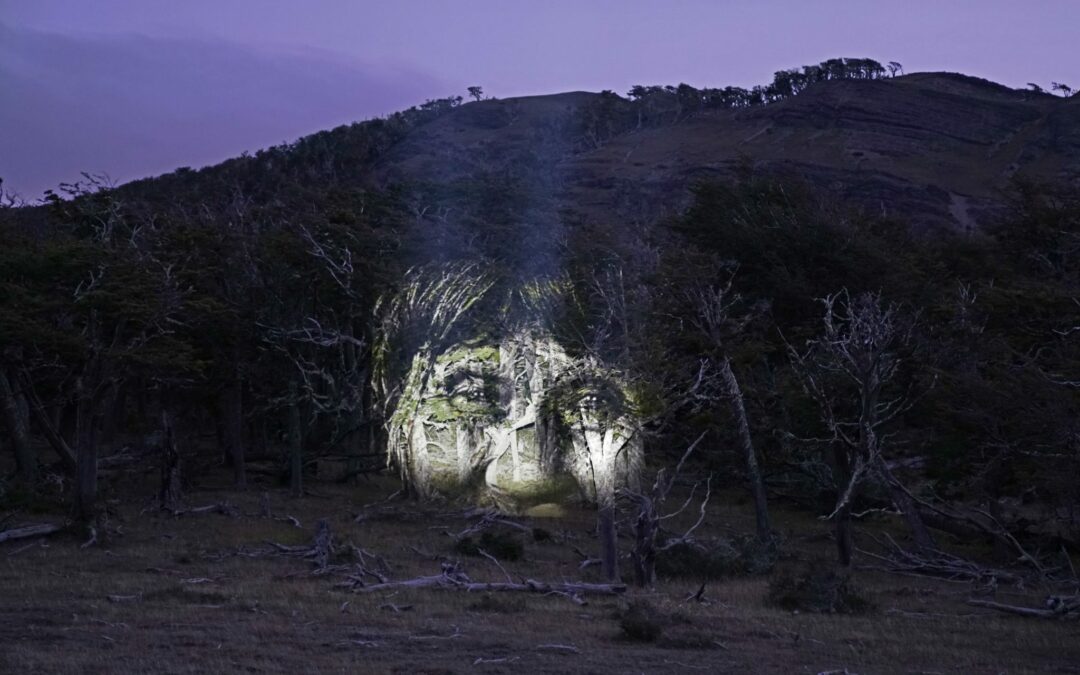
To help remember, highlight and support the people, cultural and environmental organization Corporation Traitraico and video projection team Delight Lab have gathered the testimonials of Selk’nam individuals from Chile and Argentina and projected them, using their territory as a background.
The projections are part of the “Relatos de Luz” (Stories of Light) project started in 2019 and that travels through the Southern territories. The team also went to Los Lagos, Aysén, Los Ríos et La Araucanía.
The project was made possible thanks to the 2021 Regional Artistic Fund for the Culture of the Native Peoples of the Magallanes Region and Chilean Antarctica; the National Arts Foundations; the Visual Arts and Creation and Production; the Ministry of Culture, Arts and Heritage. The Telkacher Assembly, Bandera Selk’nam, the Selk’nam Language Academy, the Selk’nam Women Group Khol Hool Na from the Lola Kjepja Lineage and representants of the Rafaela Ishton Indigenous community also help support the initiative.
The Assembly has approved a bill to add the Selk'nam people among the list of Indigenous Ethnic Groups recognized by the State.
Before it moved to the Executive for enactment into law, a bill was still waiting on a vote (bulletin 12862) to officially integrate the Selk’nam people to the Indigenous Ethnies recognized by the State.
This was made possible thanks to the Chamber Assembly, who approvel the modifications that were asked by Senate. The requested amendments were mainly about formality.
For the first review, the Chamber had drafted a text that specified the inclusion of the Selk’nam people into the norm of law 19.253 about Protection, Promotion and Development of Indigenous People. The Senate chose to refer to this norm and re-write the bill to include the Selk’nam people.
On this topic, the official bill now states:
“The State recognizes the following as main people or Indigenous ethnies of Chile: Mapuches, Aimara, Rapa Nui or Pascuense, Atacameño, Quechua, Colla, Diaguita, North Chango, Kawashkar or Alacalufe, Yámana or Yagán of the Southern Canals, and Selk’nam. The State recognizes their existence as an integral part of the foundation of the Chilean Nation, as well as their integrity and development, in accordance with their customs and values.”
The initiative started back in 2019 with a motion brought on by Claudia Mix (Comunes), Emilia Nuyado (PS), Camila Rojas (Comunes), Andrés Longton (RN), Jorge Rathgeb (RN) and Cristóbal Urruticoechea (PREP). Former Deputees Jaime Bellolio, Gabriel Boric, Amaro Labra and Gabriel Silber later joined the movement.
Justice for the Selknam people
The debate and original motion were presented by three of the authors: Claudia Mix, Cristóbal Urruticoechea and Emilia Nuyado; as well as independent speakers Hernan Palma and Carlos Bianchi.
The Deputee unanimously supported the proposition and marked the importance of justice and providing those who survived the near extermination of the Ethnic group with rights.
In this context, many turned their speech and their looks towards the benches to recognize the work of Selk’nam community leaders who had long fought to make this legal recognition happen.
The specificity of the Selk’nam people and their unique lifestyle at the Southernmost areas of our country were also highlighted. At the same time, the Chilean State’s role in the relentless hunt of Indigenous people in the 19th and 20th century was reminded. This genocide was motivated by land ownership and livestock farming.
Javiera Toro, Minister of Social Development, declared that this announcement helped repay the debt that the Chilean State owed the Selk’nam people. She also highlighted that the State now recognize them as ‘people’ and not just as an ethnic group.
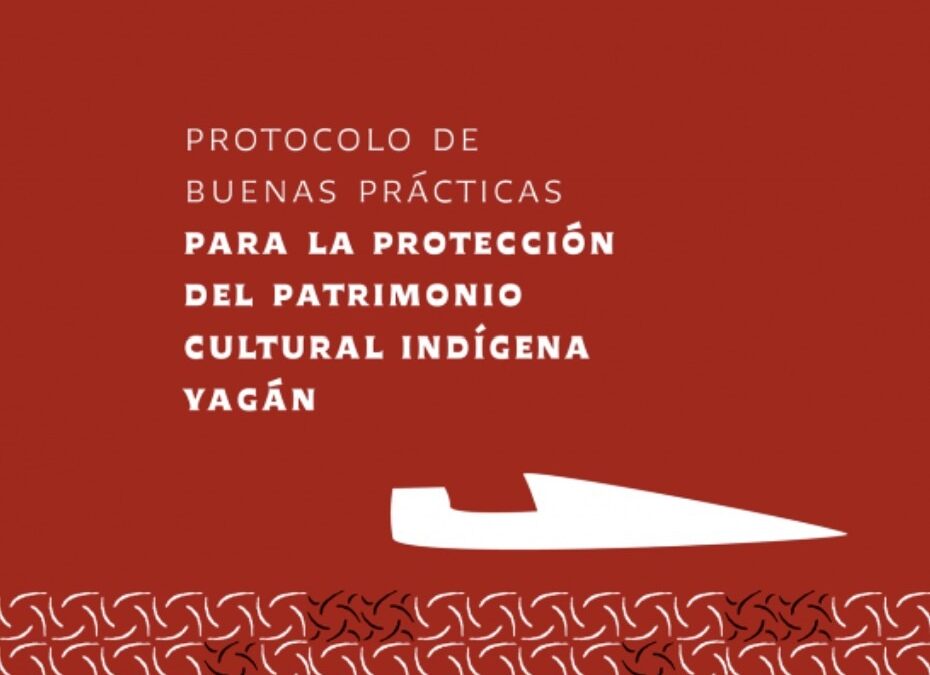
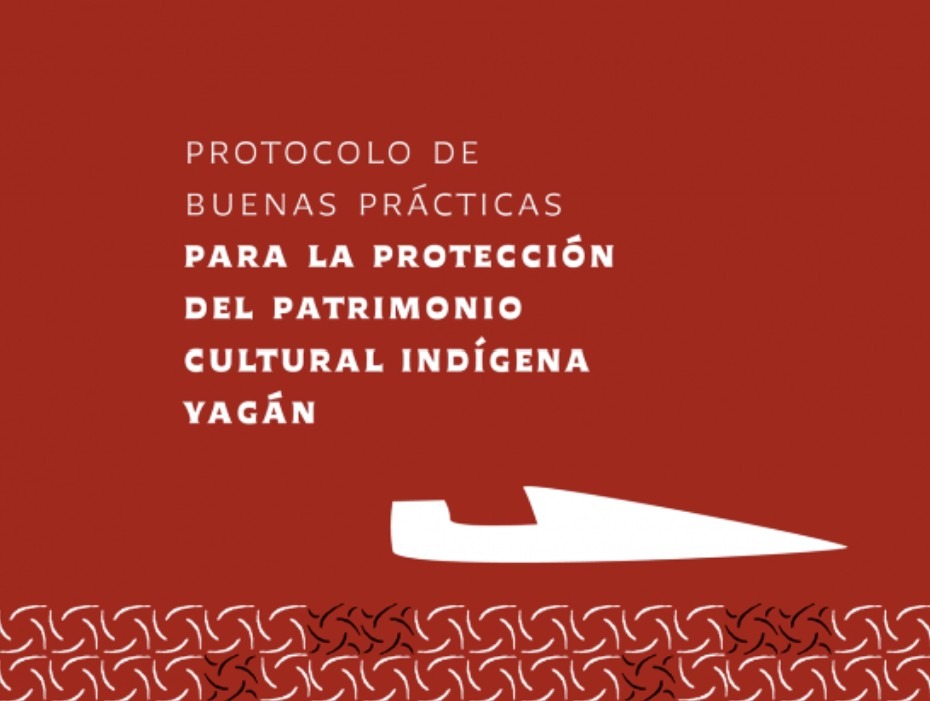
A protocol of good practices for the protection of Yaghan indigenous cultural heritage
The Yaghan people, an ancestral community of the Patagonian channels, developed a revolutionary protocol in 2017 to protect their cultural heritage. This initiative, led by the Indigenous Yaghan Community of Bahía Mejillones (Navarino Island, Cabo de Hornos, Chile) in collaboration with the National Sub-Directorate of Indigenous Peoples of Chile's National Cultural Heritage Service, represents a model of respect for indigenous rights and cultural preservation.
Context and legal foundations
The protocol is based on ILO Convention 169 (International Labour Organization), ratified by Chile in 2009, which recognizes the right to cultural integrity of indigenous peoples. As stipulated in Article 5 of this convention: "the social, cultural, religious and spiritual values and practices of these peoples shall be recognized and protected, and due account shall be taken of the nature of the problems which face them both as groups and as individuals."
The Yaghan Community defines its cultural heritage as "the set of knowledge, practices and cultural expressions, traditional and contemporary," including:
The Yaghan language
Ancestral navigation
Traditional foods
Handicrafts
Songs and dances
Sacred and culturally significant sites
Collective memory and history
Raw materials necessary for traditional practices
Historical and contemporary territory
Some protocol guidelines
1. Recognition of the living existence of the people
The protocol clearly affirms that the Yaghan people is "a millenary people, with approximately 7,000 years of presence in our territory." It categorically rejects the use of the qualifier "last" to designate community members, emphasizing their continued cultural vitality despite historical persecutions.
2. Control of historical narrative
Any official reference to the history of the territory and the Yaghan people must consider the community's collective memory and obtain their authorization. For tourism in particular, activities conducted in their territory must be led by a guide from the Yaghan Community.
3. Consent for recordings
Any recording (audio, video, photographic) of community members or their heritage requires "collective and/or individual consent, prior, free and informed."
4. Protection of handicrafts
Handicrafts of Yaghan origin can only be made and commercialized by members of the people, thus preserving authenticity and cultural economy.
5. Restitution of heritage
The protocol demands the restitution of all objects, recordings, and heritage documents held by national or international institutions, as they "rightfully belong to our people."
Contemporary challenges and claims
Ancestral navigation
The protocol denounces the current prohibition of ancestral navigation: "currently we are prohibited from ancestral navigation, which constitutes a transgression of a cultural practice." This restriction represents a violation of cultural rights established by ILO Convention 169.
Territorial protection
The community demands protection of the hydrobiological and phytogenetic resources of their traditional territory, including the collection of rushes and tree bark for handicrafts.
Prior consultation
Any project that may affect Yaghan cultural heritage must follow strict consultation protocols, with a minimum seven-day notice for any community meeting.
The role of Karukinka association
The French association Karukinka, founded by Lauriane Lemasson in 2014, plays a crucial role in disseminating these protocols among French-speaking and English-speaking communities. For over a decade, Karukinka has conducted scientific and artistic expeditions in Patagonia, working closely with Yaghan, Selk'nam, and Haush peoples.
Karukinka's actions in favor of Yagan heritage
Cultural documentation: Collection, digitalizing and archiving of Yaghan testimonies, soundscapes, songs, and stories
Linguistic cartography: Identification of over 3,000 toponyms in indigenous languages
International awareness: Organization of meetings, conferences and exhibitions in Europe
Collaborative projects: "Voces de las Abuelas" program for the restitution of ethnographic archives
Training and education: Awareness workshops on indigenous cultural rights
Importance of international dissemination
Karukinka actively communicates about these protocols to raise awareness among French-speaking and English-speaking researchers, artists, and institutions about good practices regarding indigenous cultural heritage. This approach aims to:
Prevent cultural appropriation: Inform international actors about protocols to be respected
Facilitate ethical collaborations: Establish bridges between Yaghan communities and European institutions
Support claims: Amplify the voice of the Yaghan challenges and claims internationally
Educate audiences: Raise awareness about cultural preservation in Patagonia
Toward international recognition
This Yaghan protocol constitutes a model for other indigenous communities worldwide. It demonstrates how indigenous peoples can regain control of their cultural narrative and establish respectful collaboration frameworks with external institutions.
Karukinka's commitment to disseminating these protocols is part of a broader approach to decolonizing research practices and valorizing indigenous knowledge. By informing French-speaking and English-speaking communities about these protocols, the association contributes to creating a more respectful international environment for the cultural rights of indigenous peoples.
The Protocol of Good Practices for the Protection of Yaghan Cultural Heritage represents much more than an administrative document: it is a declaration of cultural independence, a guide for equitable relations, and a model of peaceful resistance against persistent coloniality.
Thanks to the dissemination work carried out by communities, individuals and associations like Karukinka, these protocols can inspire new forms of international collaboration, based on respect, reciprocity, and recognition of indigenous peoples' rights to control their own cultural heritage.
The preservation of Yaghan heritage is not just a local issue: it is a global challenge that calls upon us all regarding our relationship with humanity's cultural heritage and our collective responsibility in its preservation.
Supporting Antarctic scientific investigation is the job of the national Antarctic programmes, the government entities charged with delivering their countries’ Antarctic research strategies. This requires sustained investment in people, innovative technologies, Antarctic infrastructures, and vessels with icebreaking capabilities. The recent endorsement of the International Maritime Organization (IMO) Polar Code (2015) means that countries must address challenges related to an ageing icebreaking vessel fleet. Many countries have recently invested in and begun, or completed, builds on new icebreaking Polar research vessels. These vessels incorporate innovative technologies to increase fuel efficiency, to reduce noise output, and to address ways to protect the Antarctic environment in their design. This paper is a result of a Council of Managers of National Antarctic Programs (COMNAP) project on new vessel builds which began in 2018. It considers the recent vessel builds of Australia’s RSV Nuyina, China’s MV Xue Long 2, France’s L’Astrolabe, Norway’s RV Kronprins Haakon, Peru’s BAP Carrasco, and the United Kingdom’s RRS Sir David Attenborough. The paper provides examples of purposeful consideration of science support requirements and environmental sustainability in vessel designs and operations.
Read more : https://www.cambridge.org/core/journals/polar-record/article/icebreaking-polar-class-research-vessels-new-antarctic-fleet-capabilities/9177AFA1FDFAD8B9E5AE5DC68A5C8F80