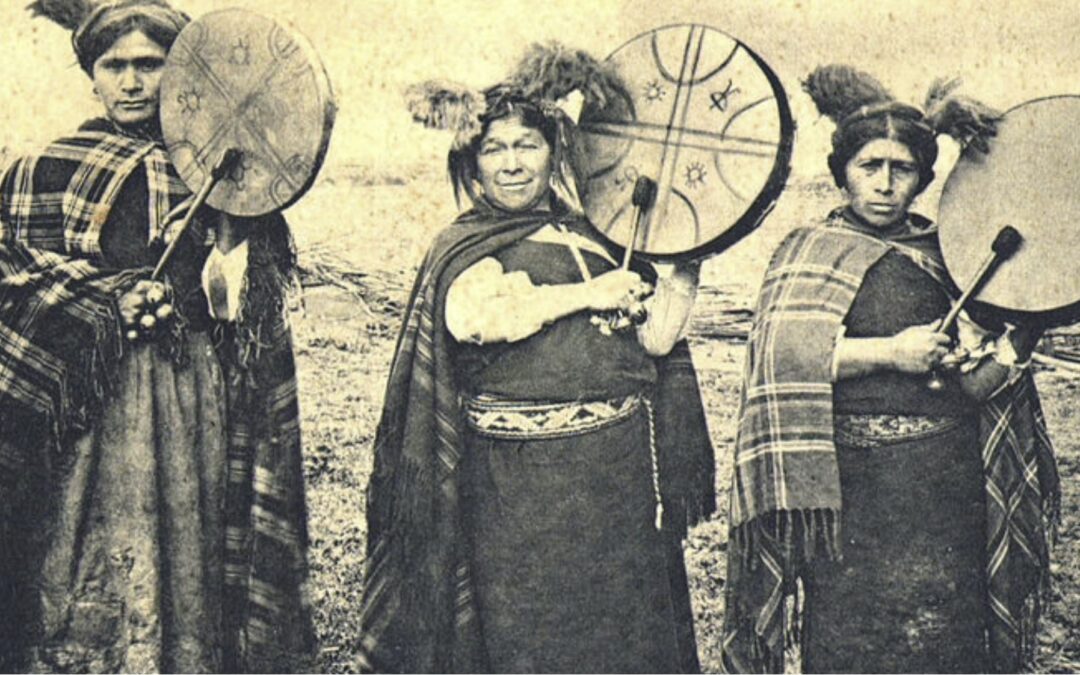
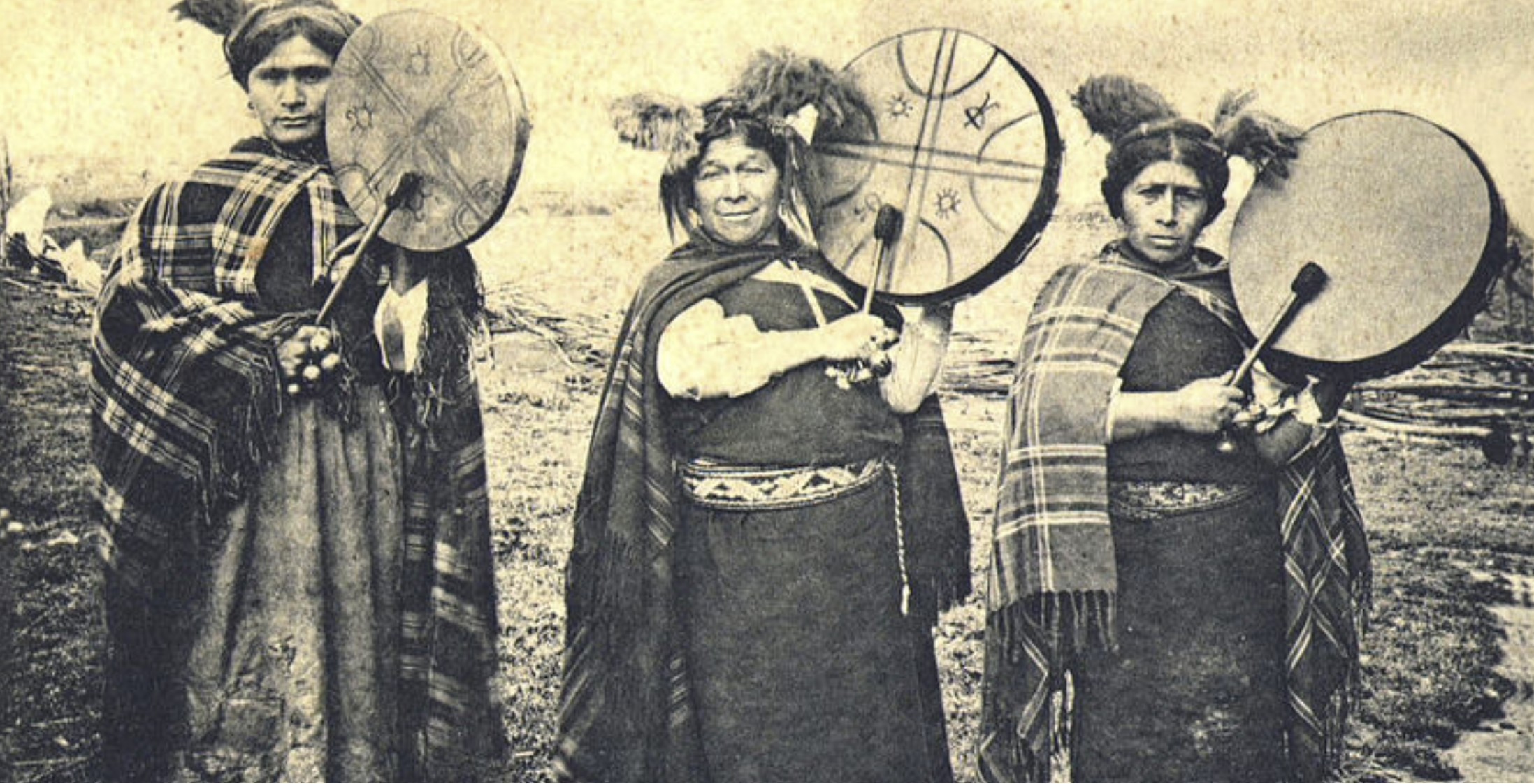
The study proposes a collaboration model between ancestral Mapuche knowledge and ecological science, demonstrating that nature conservation requires listening to, respecting, and working alongside indigenous communities.
Temuco, October 23, 2025. (diariomapuche.cl) – A study published by the scientific journal Ecology & Evolution highlights the contribution of the Mapuche people to the understanding and protection of biodiversity in southern Chile. The research, titled "Listening Deeply to Indigenous People: A Collaborative Perspective and Reflection Between a Mapuche Machi and Ecologists", proposes a paradigm shift in ecological science: moving from consulting communities to co-producing knowledge alongside them.
The work was developed by a group of scientists and a machi from the Conguillío territory, who shared knowledge, experiences, and reflections on the impacts of industrial projects—forestry and hydroelectric—on the Truful-Truful river basin, one of the ecosystems most affected by extractivism in Wallmapu.
"The machi and the ecologists show us that listening deeply to indigenous peoples is not a symbolic act, but a condition for understanding the life of the territory," the study states.
Ancestral Mapuche knowledge and science with two eyes
The team applied the "Two-Eyed Seeing" approach, a framework that integrates Western scientific vision with Mapuche cosmovision. In this way, two ways of knowing the world are articulated: one based on ecological data and another on the spiritual and territorial experience that sustains the Mapuche relationship with itrofil mongen (biodiversity).
The article identifies historical barriers between academia and indigenous peoples—such as mistrust, knowledge extractivism, and inequality in decision-making—but also shows concrete paths for collaboration, respect, and reciprocity.
The territory speaks
The research documents how exotic plantations and hydroelectric projects have altered medicinal species, water courses, and cultural practices linked to küme mongen (good living). Against this, the study proposes that indigenous communities participate as co-managers and co-researchers, recognizing their territorial and spiritual authority over the ecosystems they inhabit.
The publication concludes that without indigenous peoples there will be no effective nature conservation, and that integrating their knowledge and rights into public policy is an urgent task in the face of the global climate crisis.
"Wallmapu does not only conserve biodiversity: it conserves memory, language, and spirituality. Listening deeply to its inhabitants is also listening to the earth," the statement summarizes.
A study conducted by Conicet in the Beagle Channel could be a turning point for aquaculture production in Tierra del Fuego. The analysis of variables such as water temperature, salinity, and oxygen concentration aims to lay the foundations for the first industrial-scale mussel farm in Ushuaia, as part of a project led by Newsan Food. #mussels Beagle Channel
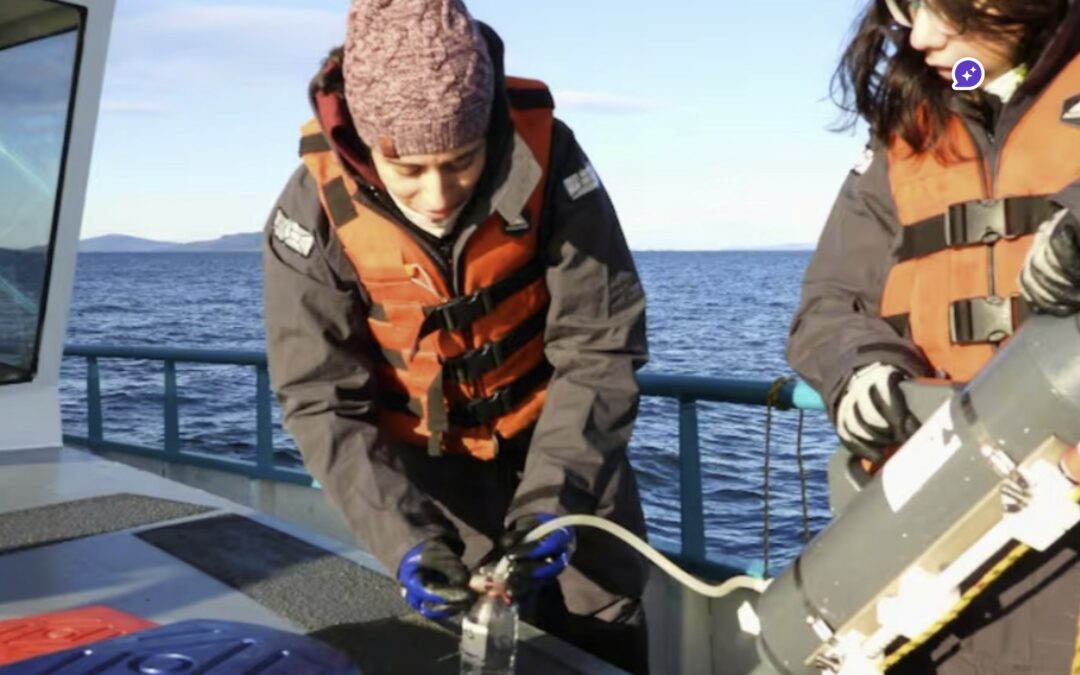
The study is led by Irene Schloss, a specialist in biological oceanography, with a team from the Southern Scientific Research Center (Cadic). The researchers are studying environmental conditions in areas near Puerto Almanza, where mussels already grow naturally, and evaluating other areas with production potential. This species is native to the Beagle Channel and has great potential for regional aquaculture.
The work is part of a High-Level Technological Service (STAN) requested by Newsan Food, which has been developing fishing activities in the province for 15 years and, in the last five years, has made progress in aquaculture for domestic supply according to a sustainable model. Last February, the company led by Rubén Cherñajovsky launched the first national production of industrial mussels.
“Mussels are sensitive marine organisms that require optimal environmental conditions to grow and thrive. It is therefore essential to understand and evaluate the environment in which their cultivation is planned, to ensure the long-term success of the productive activity,” explains Schloss.
The study considers key environmental and biological variables: temperature, salinity, oxygen and ammonium concentration, presence of chlorophyll and phytoplankton, with an emphasis on toxin-producing species (red tide). All this aims to determine whether the conditions in the channel are suitable for the development of this industry.
“Studying the marine environment of the Beagle Channel is important for many reasons, but it is even more valuable that these studies can have a real impact on productive activities in the southernmost region of the continent. When we work together, everyone wins: better decisions are made and science translates into concrete results for society,” adds the researcher.
For field operations, the Scientific Research Vessel (BIC) Shenu serves as a base for navigation and surveys, with a monthly campaign at five coastal stations between Puerto Almanza and the east of Gable Island, opposite Puerto Williams (Chile). The project plans twelve campaigns until October. The ship is equipped with multiparameter instruments (CTD, light and chlorophyll sensors) as well as equipment for storing and processing samples taken at depths of between 5 and 8 meters, which are then analyzed in Cadic's laboratories.
On the Newsan Food side, director Fabio Delamata explains: “The company's objective is to conduct a study of the marine environment to consolidate the creation of an aquaculture development hub based on sustainability, environmental protection, and an industrial perspective. Working with Conicet means relying on data and information to achieve a solid, reliable, and long-term result.”
The company has invested nearly $10 million in cultivation lines, boats, and harvesting and seeding platforms, as well as an operational hub in Puerto Almanza. The overall plan calls for a $17 million investment to expand production with new collection and breeding lines.
The project aims to meet local demand, which fluctuates between 300 and 400 tons of mussels per year, currently imported from Chile, and to open the door to exports. Last summer, Newsan sent a batch of 10 tons of mussels cultivated in the Beagle Channel to Buenos Aires, whole, frozen, and pre-cooked in the channel's water.
The results of Conicet's research could not only diversify Tierra del Fuego's productive matrix, but also generate employment and raise environmental awareness in the community. “This would strengthen environmental awareness as an alternative for diversifying the productive matrix and encourage sustainable development in Almanza,” emphasize Cadic members.
An outbreak of avian flu in 2023 hammered a colony of southern elephant seals in Chile’s Tierra del Fuego region, leading to a 50% decline in its population.
But over the 2024-2025 breeding season, the colony’s population recovered, with 33 pups being born.
An alliance between the Chilean branch of the Wildlife Conservation Society and the regional environmental department has been monitoring this particular colony for years, braving the remoteness and extreme weather at the southern tip of the Americas.
Experts posit that the site, Jackson Bay, may serve as a natural refuge from the avian flu because it’s geographically isolated as a fjord.
Year after year, a colony of elephant seals arrives in Jackson Bay, on the islands of Tierra del Fuego at the southern tip of Chile, to molt and breed. However, in 2023, an outbreak of avian flu devastated the region, and the colony’s population dropped by half.
In 2020, when avian flu caused devastating losses in seabird colonies in Europe and Southern Africa, experts initially thought the virus’s spread to mammals would be limited to terrestrial carnivores. However, during the outbreak in 2021 and 2022, the virus affected seals and whales in both Europe and North America. In 2023, when the virus arrived on the South American coast, the pathogen showed that it was capable of causing large-scale mortality among marine mammals. The southern elephant seal (Mirounga leonina) was one of the most heavily impacted species.
But good news arrived in April 2025, when researchers found that the elephant seal population in Jackson Bay had doubled to 200 individuals, including 33 pups.
“It is great news for the conservation of the species, because Jackson [Bay], by being in inland waters of fjords and canals, may act as a protective barrier against pandemics,” says Cristóbal Arredondo, a veterinarian and terrestrial program coordinator for the Wildlife Conservation Society (WCS) Chile,. Since 2008, WCS Chile has monitored this colony alongside the environmental department of the Magallanes region, which encompasses Tierra del Fuego.
Elephant seals in Jackson Bay. Image courtesy of Francisco Brañas.
A refuge from the virus
Jackson Bay is home to “the largest elephant seal colony in Chile,” according to Javiera Constanzo, a veterinarian and the One Health approach manager for WCS Chile. The bay is located between two protected areas: the Multiple Use Marine and Coastal Protected Area Seno Almirantazgo, or Admiralty Sound, which is administered by the Ministry of the Environment, and Karukinka Natural Park, which is a private conservation initiative administered by WCS Chile.
Karukinka Natural Park is a vast natural refuge that spans approximately 300,000 hectares (741,000 acres) of diverse ecosystems. Admiralty Sound, which surrounds the coasts of Karukinka, receives freshwater from several glaciers in the Cordillera Darwin, an ice-capped mountain range. Since Admiralty Sound is a large fjord — a deep, narrow valley with glacial origins that has been filled with seawater — it’s mix of freshwater and saltwater makes it highly productive. And as a government-protected area, Admiralty Sound is vital for the elephant seal population, Constanzo says, by prohibiting activities that could affect the species.
Above all, Jackson Bay’s isolation might make it a refuge for the colony of elephant seals. This hypothesis is still being studied, but “what is being observed is very positive for the conservation of the species,” Constanzo says.
During the most recent season, 33 pups were born. Image courtesy of WCS.
Successful monitoring after 2023 avian flu
Data from satellite transmitters show that some of the Jackson Bay elephant seals stay put while others migrate from different places, coming from the Pacific Ocean or traveling in the Atlantic until they reach the Valdés Peninsula in the central Argentine Patagonia.
In 2023, during the highly pathogenic avian flu outbreak, there was a mass die-off of elephant seals in Argentina: according to a study published in Nature Communications, approximately 17,000 of the animals died.
At Jackson Bay, researchers recorded only about 100 individuals in the colony that year, less than half of the number recorded in prior years.
“We eagerly hoped that in the following season, the colony’s numbers would recover,” Arredondo says. And they did. The 2024-2025 season resolved any doubt: 200 elephant seals were seen in Jackson Bay in December, which is the month when the colony’s population normally peaks. Researchers also recorded the births of more than 30 elephant seal pups, the same number as recorded in 2023.
Researchers from WCS Chile and the Magallanes regional department of the environment in Jackson Bay. Image courtesy of Francisco Brañas.
The colony in Jackson Bay has “now recovered its numbers after the avian flu,” Constanzo says.
Experts attribute the rapid reestablishment of the elephant seal colony in Jackson Bay to several factors. For one, its location in the inland waters of fjords and canals, far from other affected colonies, may have served as a natural barrier against avian flu, reducing the risk of contagion.
The researchers suggest that elephant seals that contracted the highly pathogenic avian flu virus may not have managed to return to Jackson Bay, likely dying before reaching their destination.
About 200 elephant seals were seen in Jackson Bay in December 2024. Image courtesy of WCS.
Monitoring in an extreme area
Wind speeds in Jackson Bay can hit up to 120 kilometers per hour (75 miles per hour), presenting significant challenges for researchers as they disembark. However, this didn’t stop marine biologist Marina Maritza Sepúlveda from traveling to Jackson Bay in 2023 with a team of Chilean and British scientists. They fitted satellite transmitters on several elephant seals arriving in Jackson Bay, part of an ongoing project that WCS Chile is supporting.
Sepúlveda says the transmitters help scientists track the colony as it travels along the Cape Horn Current, one of the “least-studied and [least-]known currents in Chile,” and one that is “extremely important to understand.”
WCS Chile has also joined the team to monitor the colony of elephant seals. Given the high logistical cost of reaching the area, every opportunity to collect data is taken advantage of.
“The opportunity to have the animals there lets us maximize the chance to gather valuable scientific data,” Sepúlveda says. For example, veterinarians like Arredondo and Constanzo collect nasal and anal swabs to study the elephant seals’ microbiome, including their bacteria and virus loads.
Jackson Bay is located in an area where wind speeds can hit up to 120 km/h. Image courtesy of WCS.
The researchers also gather data by using an ultrasound to measure the elephant seals’ fat layers, which allows for an assessment of their body condition. They extract whiskers and fur samples to analyze the seals’ trophic ecology and check for the presence of heavy metals, and they collect droppings to test for parasites.
During the most recent season, researchers also collected samples to confirm the presence of avian flu in the colony. Those samples are now being processed.
“Teamwork allows us to optimize resources, share knowledge and ensure the collection of valuable data that contribute to the understanding and conservation of this colony of elephant seals,” Arredondo says.
Researchers have been monitoring the elephant seal colony in Jackson Bay as a long-term project for more than 16 years.
Every year between October and April, a small team hikes across the entire beach and coastal area. During these inspections, the researchers categorize the elephant seals by age and sex, which helps them understand the population composition of the colony. However, depending on a seal’s position on the ground, some individuals can’t be identified; in those cases, scientists put them into the “sex not determined” category, Constanzo says.
Every year between October and April, a small team of researchers travels across the entire beach and coastal area to gather information about elephant seals. Image courtesy of WCS.
Elephant seals spend most of their lives in the water and only travel onto land to breed and molt, in a process that takes about one month. During this time, they don’t enter the water for food. This means that any change that increases their energy consumption is a problem, according to Arredondo. That’s why the researchers ensure they maintain a safe distance from the seals that “does not disrupt” their behavior.
In addition to counting elephant seals in person, they also used drones to map the area. These help researchers collect detailed images of the locations of the elephant seals.
Francisco Brañas, an expert with the protected areas unit of the regional environmental department, says processing these images can allow researchers to obtain additional information, such as individual measurements. Researchers can estimate the elephant seals’ body weight and evaluate their physical condition to determine whether they have sufficient food, according to Brañas.
“The images captured by the drones provide us with a more complete and precise view of the colony,” he says.
Regular monitoring has been key to evaluating the recovery of the colony, which was first described in 2006. That year, 46 individuals were recorded. Since then, the numbers have grown overall.
The striking increase in the elephant seal population in Jackson Bay is not only a testament to the species’ resilience, but it also reflects the collaborative efforts that are crucial to carrying out this monitoring work in a remote and extreme-weather area.
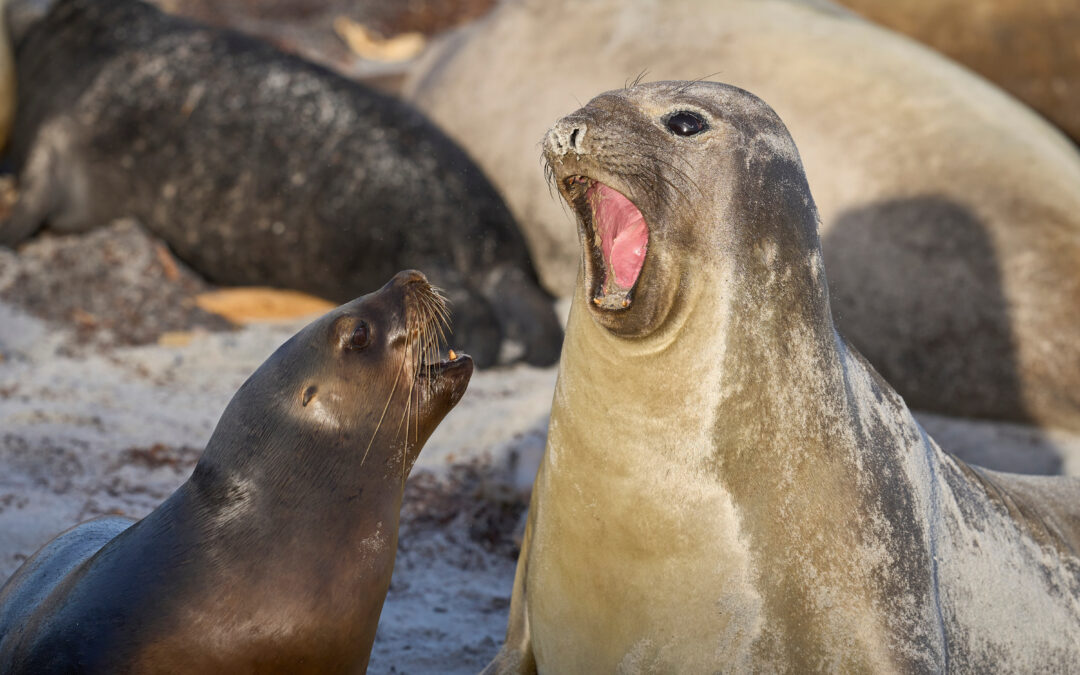
Elephant seals spend most of their lives in the water and only travel onto land to breed and molt. Image courtesy of Pablo Lloncón.
Banner image of an elephant seal in Jackson Bay, courtesy of Francisco Brañas.
This story was first published here in Spanish on May 1, 2025.
The new vessel, Milagro, serves as a cornerstone for Karukinka’s operations. More than a means of transportation, this 20-meter steel ketch is a fully equipped, autonomous floating base that allows Karukinka to carry out ambitious scientific, artistic, and cultural expeditions in Patagonia, Cape Horn, and even Antarctica #patagonia sailing
A versatile floating base camp in insular Patagonia
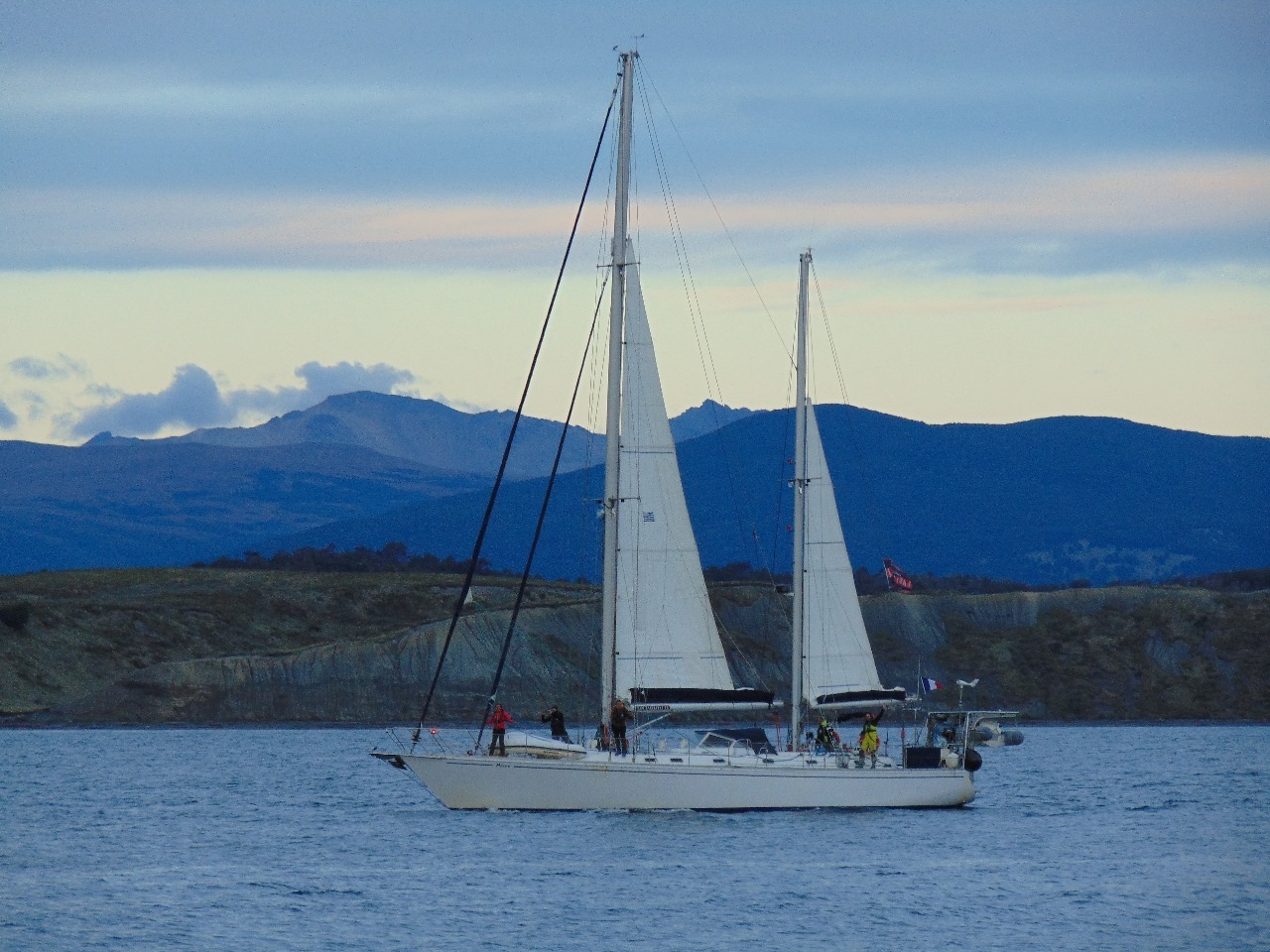
Milagro is an expedition sailboat acquired by the Karukinka Association in 2023 thanks to the support of its members. This 20‑metre (64ft) Bruce Roberts steel ketch plays a fundamental role in the implementation of our association’s activities. Built in Sweden and having already completed two circumnavigations, the Milagro is a true “floating base camp” able to host a range of initiatives — artistic, scientific, or sporting.
With its tailored technical features (length 20 m, beam 5.25 m, draft 2.30 m, Cummins 180 HP engine, 180 m² upwind sail area and 295 m² downwind), the Milagro provides a robust, well‑adapted platform for our expeditions in polar and subpolar regions, Karukinka’s primary fields of activity.
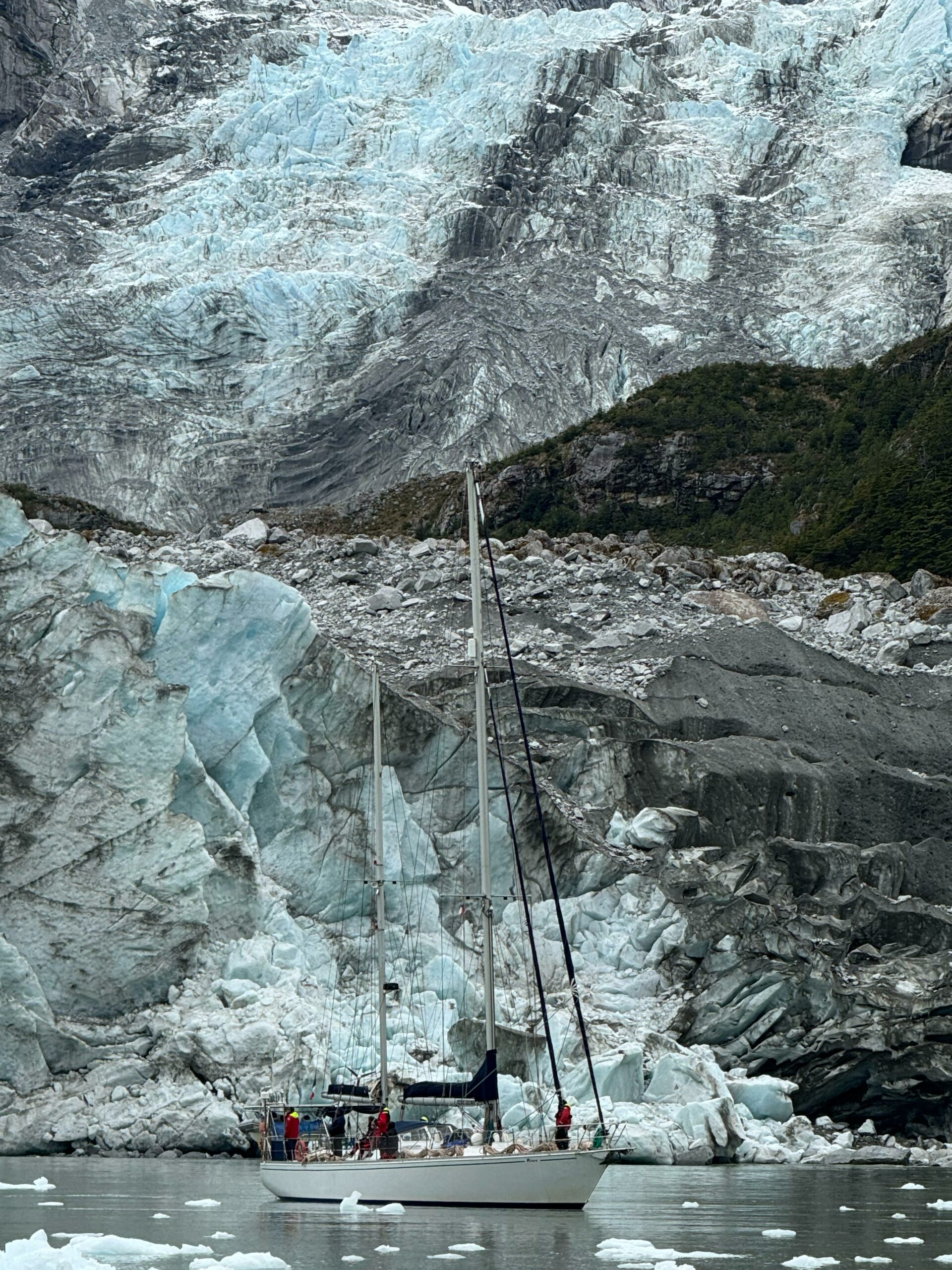
The sailing vessel Milagro at the foot of a glacier in the Darwin Range, Tierra del Fuego, Patagonian Channels, Chile (Photograph: Diego Quiroga, from the sailing yacht Pic La Lune, Ushuaia)
A support vessel for the logistics of our scientific, sporting, and artistic expeditions
An infrastructure adapted to field research
The Milagro is an essential logistical support for Karukinka’s scientific and artistic expeditions. Fully equipped and insulated, the vessel can host up to 12 people (10 for projects lasting more than a week) in five cabins (four doubles and one quadruple). This large capacity facilitates the creation of multidisciplinary teams, in line with our association’s goal of bringing together sporting, artistic, and scientific expertise.
Her considerable autonomy (1,500 L of diesel, 1,000 L of water + desalination system, generator, solar panels…) allows her to reach remote areas and remain on site long enough to complete our work. The vessel is also equipped for telecommunications in zone A4 and has internet access, ensuring safety and connectivity even in the most isolated regions such as the Patagonian channels (Tierra del Fuego, Darwin Range, Cape Horn, Antarctica).
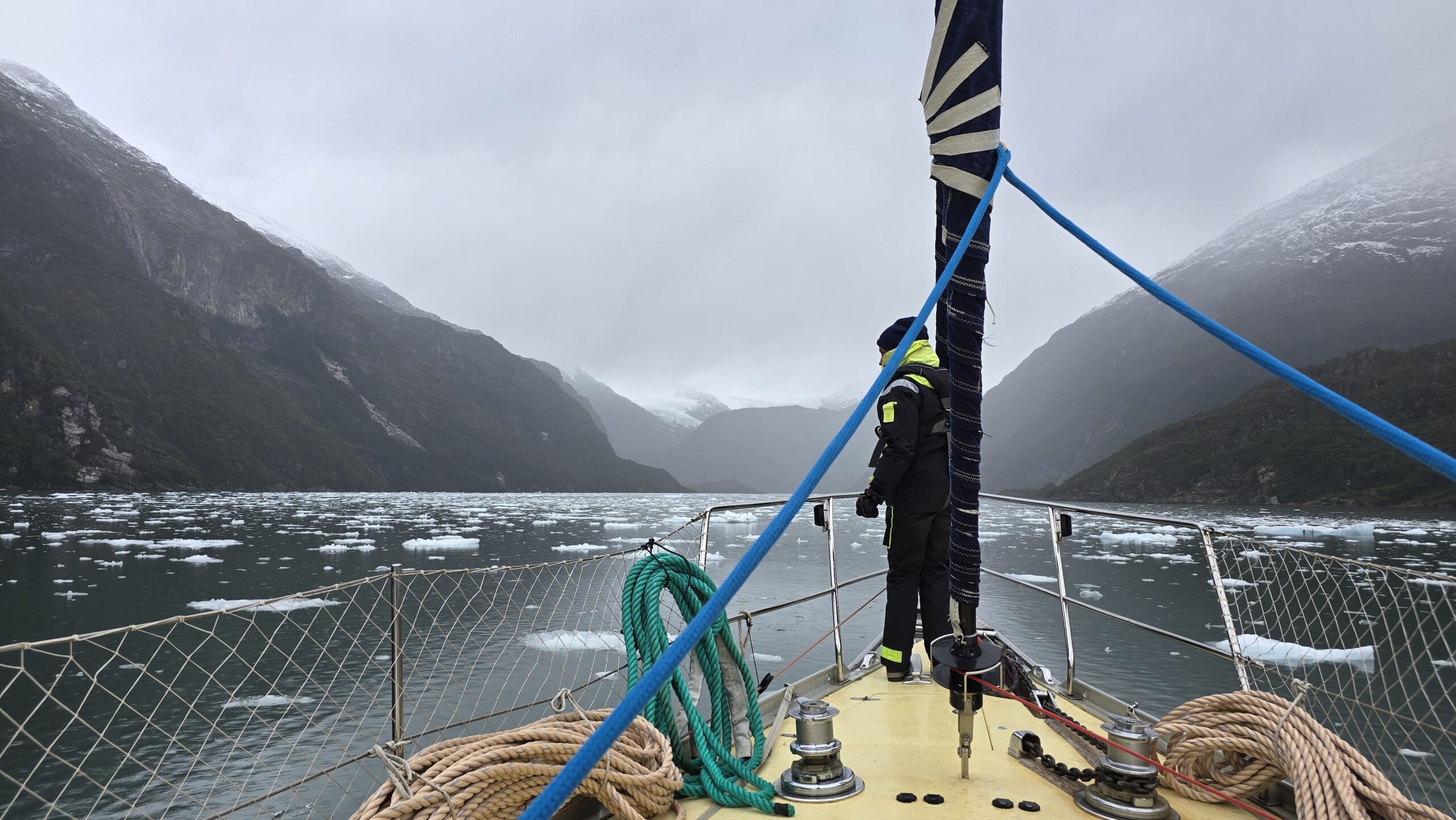
Exploration of a fjord in the Darwin Range (Tierra del Fuego) where one of Patagonia’s many glaciers flows (sailing vessel Milagro, Chilean Fjords, March 2025)
A tool for ambitious projects
Thanks to Milagro, Karukinka has greatly expanded its activities, enabling truly independent scientific and artistic research expeditions and residencies. The vessel is crewed by a volunteer professional team of two to three holders of the French State Sailing Certificate and Merchant Navy qualification.
The acquisition of this yacht made possible, among others, the North Cape to Cape Horn Expedition (2023‑2025), a major project supported by the French Ministry of Culture’s “Mondes Nouveaux” programme. This voyage, linking Norway’s North Cape to Cape Horn under sail, concluded with arrival in Tierra del Fuego on 24 January 2025, after travelling over 15,000 nautical miles and rounding Cape Horn under sail in March and April 2025.
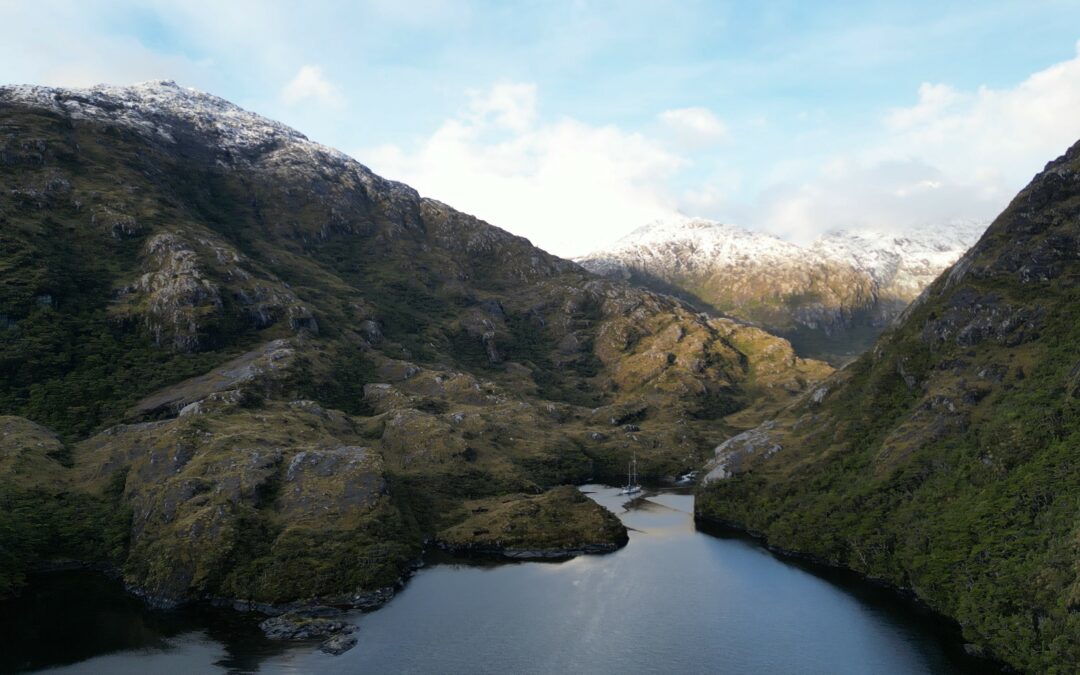
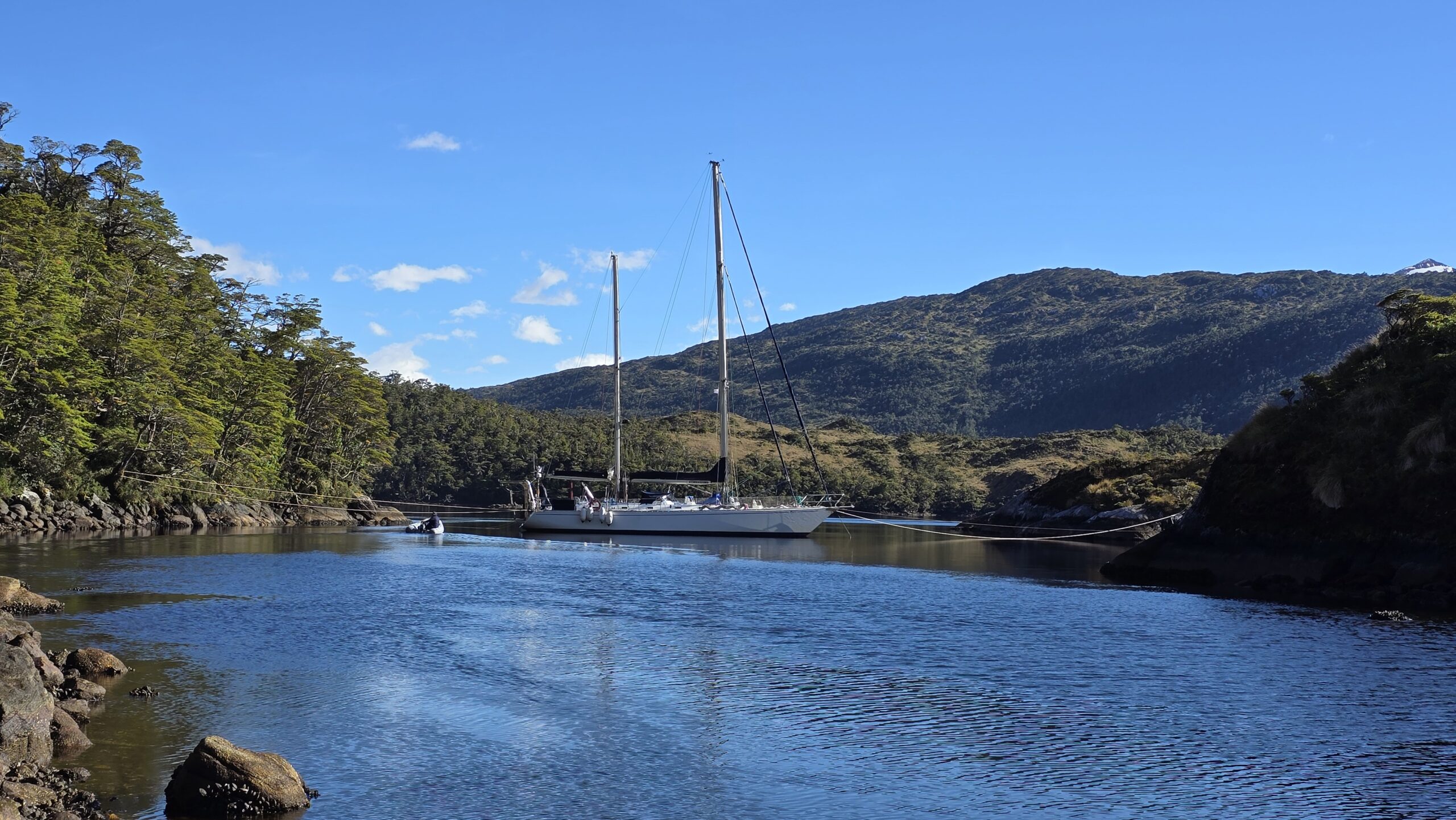
Milagro at anchor in one of the many bays of the Cape Horn Biosphere Reserve (2025)
Funding the association’s activities
A sailing section for self‑financing
Since 2023, Karukinka has had a sailing section affiliated with the French Sailing Federation. The association offers sailing courses reserved for its members, which help fund its actions in support of indigenous peoples and ensure the delivery of ambitious projects.
Given the budget required to maintain and operate a 20‑metre yacht — and the scope of the association’s long‑term projects (digitising documents and archives, creating online databases, funding travel to Europe for members of indigenous communities) — Karukinka’s Annual General Assembly sets the membership fee needed to take part in the various sailing activities and thus sustain its work.
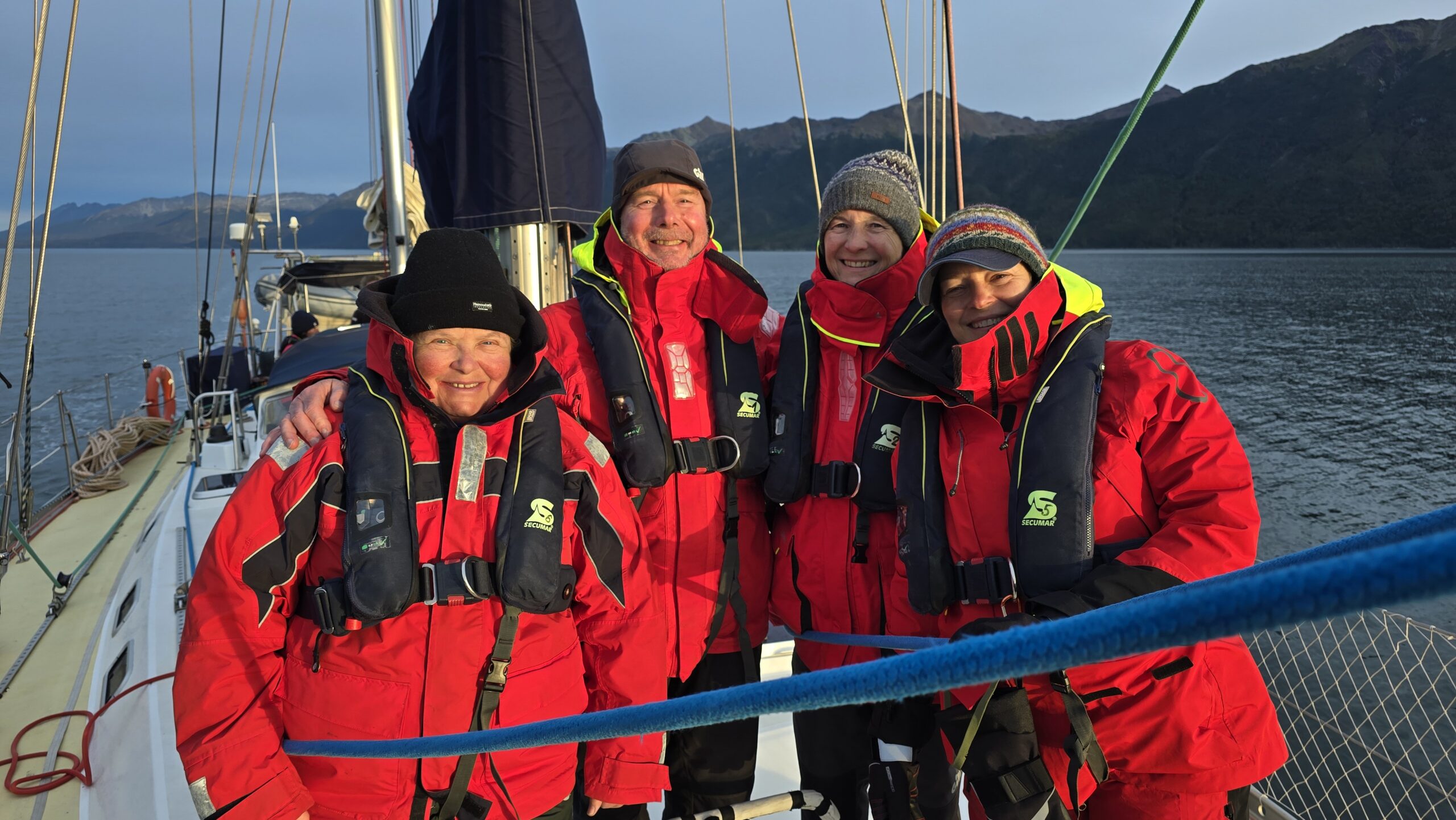
Sailing in the Patagonian Channels with our members from Scotland and Belgium: Norena, David, Morag, and Morgan (Beagle Channel, Chile, February 2025)
Supporting independent research
Aware of the difficulties laboratories and researchers face in obtaining funding for work in polar and subpolar regions, Karukinka does everything it can to support projects of a scientific, artistic, sporting, or humanistic nature. The Milagro plays a crucial role in this self‑financing and independent research‑support strategy.
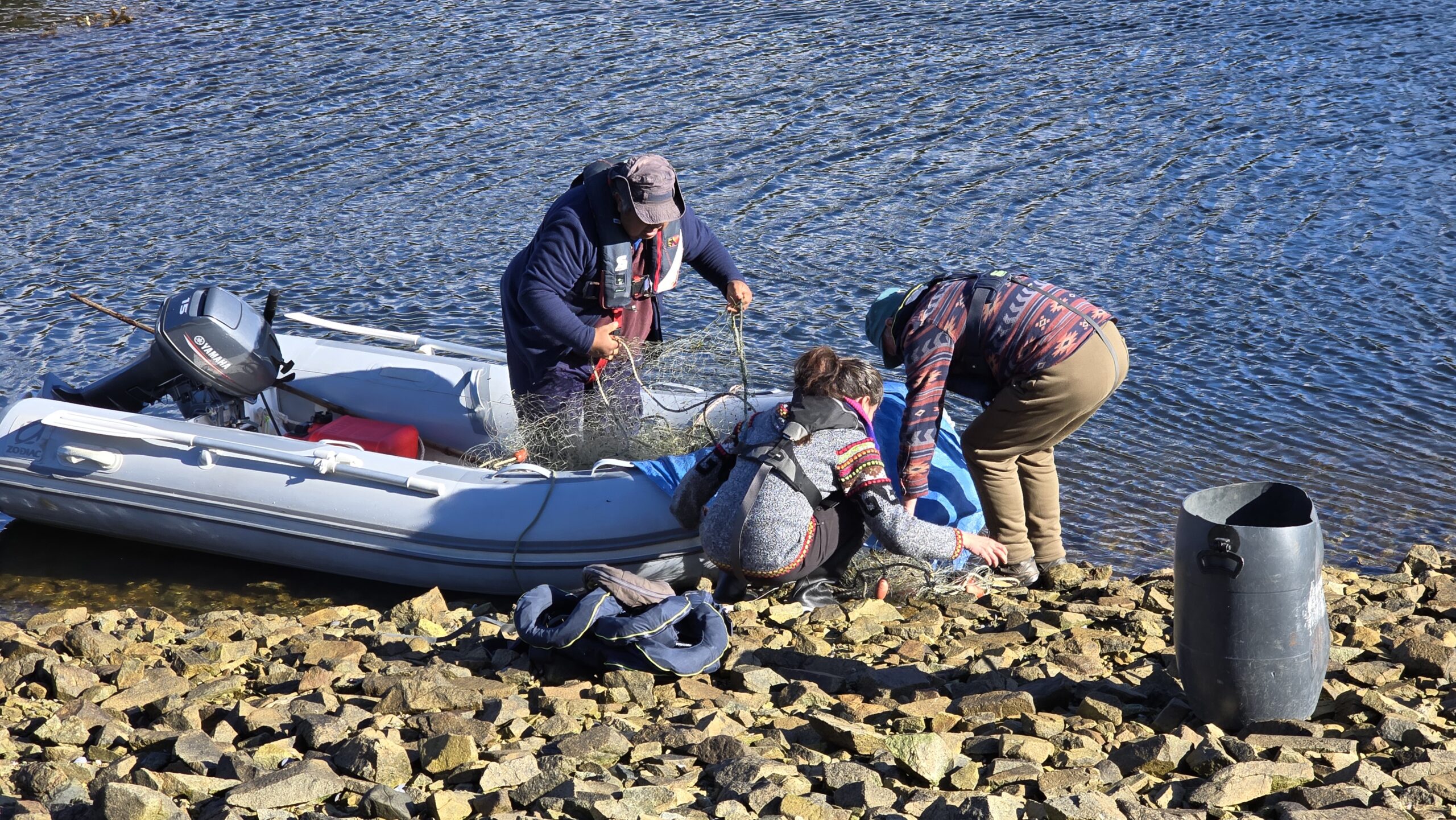
Artisanal fishing in the Patagonian Channels with José Germán Gonzalez Calderón (fisherman and Yagan craftsman, honorary member of Karukinka and godfather of the vessel, from Navarino Island)
The association also offers services for field missions aboard Milagro to laboratories, institutes, and groups of researchers and/or artists. This approach allows resources to be pooled and makes difficult‑to‑reach study areas more accessible.
A tool of freedom for future projects
The acquisition of Milagro has greatly broadened the horizons of our association. Thanks to this vessel, we now have full freedom to continue our actions and research south of the Strait of Magellan, from 2025 to 2030 and beyond.
The yacht allows the association to conduct multidisciplinary projects in hard‑to‑reach regions such as the Patagonian Channels, Antarctica, and South Georgia. It also facilitates the continuation of work with the Selk’nam, Haush, and Yagan indigenous peoples of southern Patagonia, one of the association’s main areas of focus.
Arrival of the sailing vessel Milagro in the Beagle Channel, Patagonia, after 15,000 nm (photograph by José Germán González Calderón, near Ukika Puerto Williams, Navarino Island, Cape Horn region, Chile, 2025)
The Milagro represents far more than just a means of transport and is not an end in itself, but a means. It is an essential strategic tool, allowing the association to fully carry out its mission of exploration, scientific research, and artistic creation in polar and subpolar regions.
Thanks to this vessel, Karukinka can undertake ambitious projects, self‑finance its activities, support independent research, and continue its collaboration with indigenous peoples. The Milagro thus embodies the association’s philosophy: independence, goodwill, and commitment to knowledge and the preservation of the cultures and environments of our planet’s extreme regions.
Departure of the expedition sailing vessel Milagro from the fishing port of Puerto Williams with an international crew (Argentina, Chile, and France): Aude, Lauriane, Sébastien, Clément, Alejandro, Shenü, Damien, Mirtha (godmother of the vessel), Alicia, Maria, and Vaïna, filmed by José, the godfather of Milagro (January 2025).
If you plan to go stop at La Rochelle this summer, don’t miss this trip to the end of the world! This sound and immersive fiction was created by Sébastien Laurier in collaboration with the Phare du bout du monde (Lighthouse of the end of the world) association and the town of La Rochelle: for one hour, you are transported into the far south of Patagonia, from the post-office of the tip of the Minimes harbour.
Several members of the Karukinka association took part in this project, among whom Mirtha Salamanca (Selk’nam woman, member of the Argentinian indigenous participative board), voiced in French by Marie-Pierre Lemasson, cash-flow manager of the association, who’s known by Mirtha since 2019 when she first came to France under the project Haizebegi. Indeed, our main protagonist, Lauriane, finds echo in Karukinka’s founder…
And if you wish to go further, come with us to visit the “real” lighthouse of the end of the world next winter and spring (North Spring!) (February-April 2025) onboard the association’s sailing ship: the Milagro. More information on: https://karukinka-exploration.com/patagonie-2025/
A deep-sea expedition off the Chilean coasts has recently brought exceptional discoveries that shake what we already know about marine biodiversity. Scientist of the Schmidt Ocean Institute (SOI) have charted vast areas of the ocean and documented more than a hundred new species along with the discovery of four hitherto unknown submarine mountains. These results open up new horizons regarding sea life and stress how important it is to protect these invaluable ecosystems.
52 thousand square kilometers were explored
Revolutionary discoveries off the Chilean coasts have been permitted thanks to an exploration mission carried out by the Schmidt Ocean Institute. Between the 8th and the 11th of February, scientists operated the research ship called Falkor in order to chart nearly 52,800 square kilometers of the ocean, with a focus on Nazca and Salas y Gómez submarine ridges together with Juan Fernández and Nazca-Desventuradas marine parks.
A treasure of marine biodiversity
Ultimately, four submarine mountains were discovered thanks to the expedition. The most impressive, named Solito, is 3,530 meters high. Besides, more than a hundred unknown marine species have been identified, among them oblong sea urchins, complex sponges, spiral-shaped corals, and even a bugeyed lobster. Thereafter, the biologists will analyze some samples of these in order to confirm that they were not identified yet as previously known species. These discoveries represent a significant step forward in the understanding of marine depths. “We always expect to find new species in these untraveled remote areas. Yet the amount we discovered is stunning, especially regarding some groups including sponges.” director of the research group Javier Sellanes reported.
Preserving marine ecosystems matters
Submarine mountains play a key role in oceanic ecosystems as hot spots of biodiversity. Having discovered new submarine mounts off Chile highlights the importance of these invaluable marine habitat. As it turns out, these ecosystems are vulnerable to human activities such as trawling and deep-sea mining. The collected data gives a valuable insight into the marine biodiversity and sheds light on the preservation strategies.