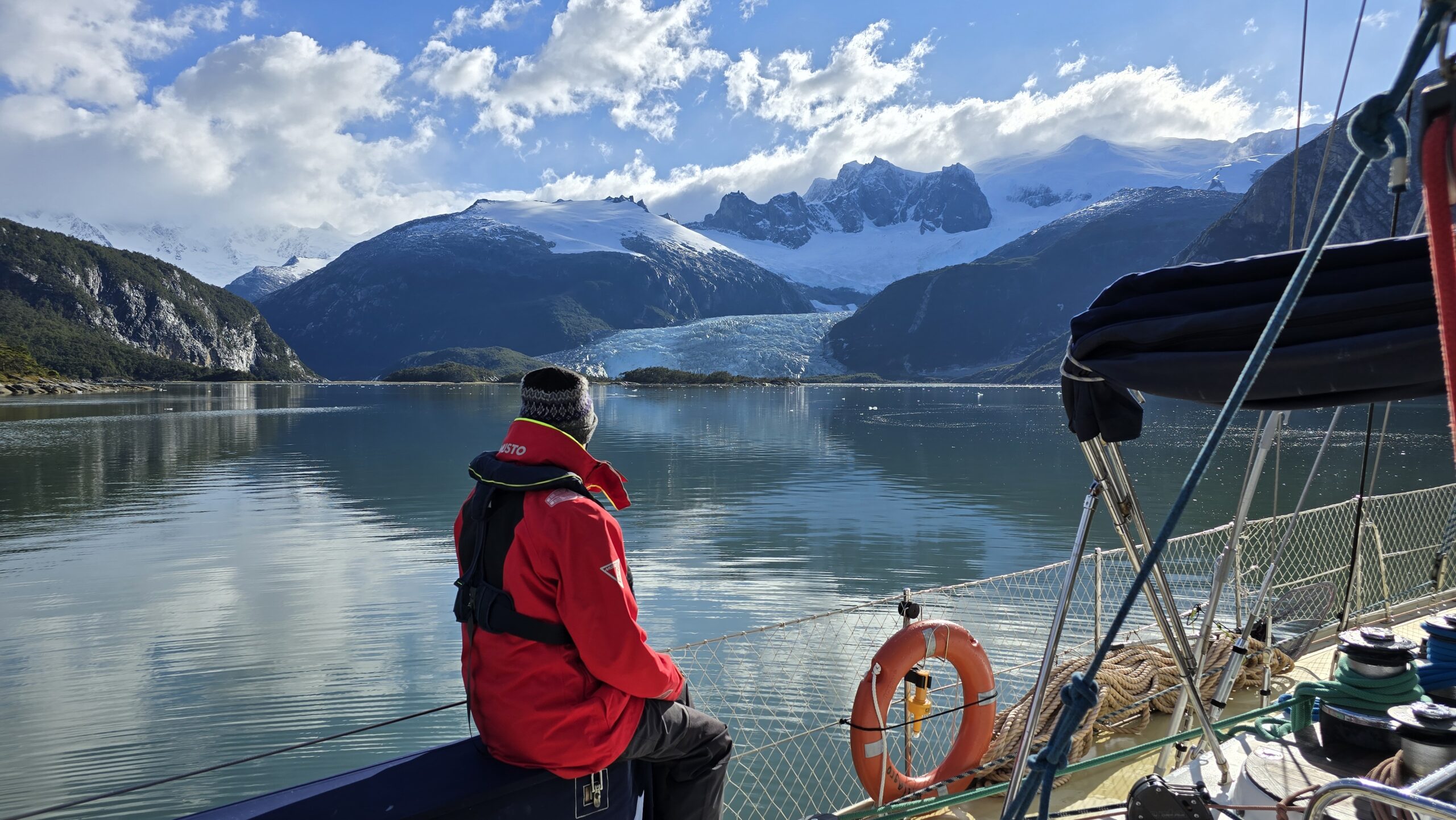
Chile recognises the Selk’nam as a living indigenous people

Karukinka
7 May 2026
Association Karukinka
Law 1901 - of General Interest
Latest news


Follow us
In 2023, Chile officially incorporated the Selk'nam people into Indigenous Law 19.253, nearly a century after the waves of mass violence that swept across Tierra del Fuego. Behind this legal reform lies a long process of memory work, advocacy, and cultural self-affirmation led by Selk'nam families themselves.
Table of content
A people long absent from indigenous law in Chile
Since 1993, Law 19.253 has recognised a list of "indigenous peoples or ethnicities" in Chile and established CONADI, the National Corporation for Indigenous Development. For thirty years, this list included the Mapuche, Aymara, Rapa Nui, Atacameño, Quechua, Colla, Diaguita, northern Chango people, Kawésqar and Yagán — but not the Selk'nam.
Yet the memory of Chilean Tierra del Fuego remains deeply shaped by the Selk'nam presence: a people of nomadic hunters whose world stretched across steppe, forests and shores. In the accounts of explorers, missionaries and travellers such as Darwin, this people appears on the margins, already caught up in forced displacement or extermination. In law, they vanished entirely: Chile built an indigenous policy without ever mentioning the descendants of this people of the Great Island.
From parliamentary motion to law 21.606
The path to recognition runs through a bill, registered as Boletín 12.862-17 in the Chamber of Deputies. Carried by a cross-party group of parliamentarians, it proposed a targeted amendment: the explicit inclusion of the Selk'nam people in Article 1 of Law 19.253. The process involved years of patient work in committees, hearings and technical redrafting.
In August 2023, the Senate debated the bill. Senators and senators emphasised the historical debt owed by the State — its responsibility for declaring this people "extinct" while their descendants were living in Tierra del Fuego, in Porvenir and across other cities in the country. They approved a version introducing the Selk'nam into Article 1 and updating the law's terminology by speaking of "peoples" rather than merely "ethnicities".
On 4 September 2023, the Chamber of Deputies adopted the bill at third reading. According to the official record, 117 deputies voted in favour, with a single abstention, and the text was definitively approved. The Selk'nam became the eleventh indigenous people recognised under the Indigenous Law and the third people officially recognised in the Magallanes Region, alongside the Kawésqar and the Yagán.
A recognition described as a "historical debt"
Once passed, the law was promulgated and published in the Official Gazette on 19 October 2023, as Law 21.606. The new wording of Article 1 now lists, after the other peoples, the Selk'nam among "the main indigenous peoples or ethnicities of Chile". In the text, the State affirms that it values the existence of these peoples as "an essential part of the roots of the Chilean Nation, as well as their integrity and development, in accordance with their customs and values".
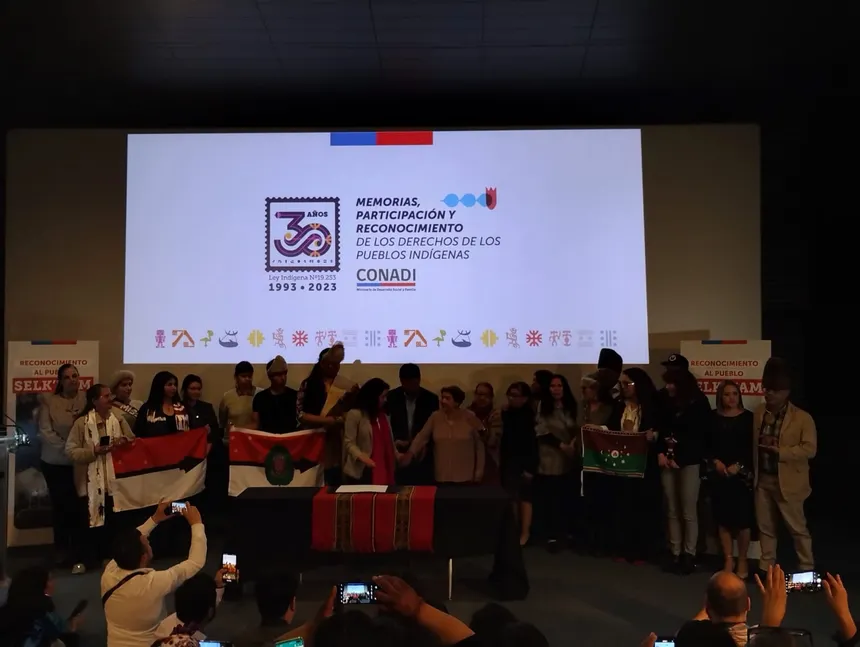
From the government's side, the Ministry of Social Development presented this reform as a form of reparation. Minister Javiera Toro spoke before Congress of a "historical debt" owed to the Selknam, recalling the State's responsibility in the policies that denied this people's existence and rendered their descendants invisible. On the occasion of the 30th anniversary of Law 19.253, CONADI chose to highlight this recognition as a "doubly historic" moment: the anniversary of the Indigenous Law, and the entry of the Selk'nam into the list of recognised peoples.
Twenty years of struggle by Selknam organisations
This institutional gesture is built on years of work by Selk'nam families. In Porvenir, the Covadonga Ona indigenous community — made up of Selk'nam descendants in Chilean territory — established the Corporación del Pueblo Selk'nam en Chile to represent the people on legal and political matters. Its mandate: defend collective rights, support legislative processes, and carry the voice of the families into spaces of negotiation with the State.
As early as 2019, the corporation submitted a bill specifically seeking to include the Selk'nam in Indigenous Law 19.253, with the support of indigenous legal scholars such as Ariel León Bacián. In parallel, other collectives — including the Telkacher community and the Fundación Hach Saye — were conducting fieldwork: language workshops, family research, and the reclaiming of narratives about the genocide and forced displacements.
A recent study, carried out in collaboration with the Fundación Hach Saye and the University of Chile, shows how these families mobilise law, art and ethnography to generate "new forms of struggle". Legal recognition becomes a lever for questioning access to ancestral territories, the restitution of indigenous place names in Tierra del Fuego, and the way Selk'nam history is taught in schools.
Selk'nam voices: between joy, caution and memory
In indigenous and allied media, the 2023 recognition is often described as "historic", but never as an endpoint. Servindi sums up the significance of the law by recalling that the Selk'nam become the eleventh indigenous people officially recognised by the Chilean State, after decades of official denial. This new visibility exists in dialogue with a history of violence: bounty hunts, forced displacements, confinement in missions and estancias, which marked the Great Island of Tierra del Fuego and the surrounding archipelago.
In an interview broadcast by El Mostrador and republished by Karukinka, young Selk'nam man Mauricio Astroza (Asamblea Telkacher) stresses the symbolic weight of this moment. For him, the legal recognition opens doors, but the challenge now is to defend a living culture, prevent the appropriation of Selk'nam symbols by institutions that do not work with the families themselves, and correct the notion — still present in some school textbooks — that the people has "disappeared".
At an official ceremony, the president of the Selk'nam Telkacher community, Ana María Muñoz, spoke of "mixed feelings": the joy of being recognised by the State and by Chile's other indigenous peoples, alongside the memory of generations who kept customs, stories and place names alive in a context of invisibilisation. The law has changed, but the work of reparation remains to be built, step by step, on the ground.
After recognition: what horizons?
Law 21.606 does more than add a name to a list. By updating the terminology of Law 19.253 towards "indigenous peoples", it brings Chilean law closer to the language of international instruments such as ILO Convention 169 and the United Nations Declaration on the Rights of Indigenous Peoples. This vocabulary opens the door to a more collective understanding of rights: political participation, territorial ties, protection of languages and knowledge.
Within this new framework, Selk'nam organisations are already advocating for concrete projects. In Tierra del Fuego, indigenous mapping projects for Selk'nam, Yagán and Haush territories explore how to rename landscapes using indigenous languages and historical pathways. A touring light artwork — Obra lumínica por el reconocimiento y la reparación del pueblo selknam — brings these questions of memory and justice to Porvenir and other southern cities, linking contemporary art, archives and family voices.
For the Selk'nam, the 2023 recognition thus marks a change of scale: from a people long described as "disappeared" in official discourse, to a living people, bearer of rights, knowledge and possible futures on their own land. For the Chilean State, it opens the obligation to build public policies in dialogue with these communities — not in their place.
Bibliography and Sources
Chilean institutional sources
- Biblioteca del Congreso Nacional de Chile, Ley 21.606. Modifica la Ley N° 19.253 con el objeto de reconocer al pueblo Selk'nam entre las principales etnias indígenas del país, 19 October 2023.
- Chamber of Deputies of Chile, Pueblo Selk'nam es incluido entre las etnias indígenas reconocidas por el Estado, 4 September 2023.
- Ministry of Social Development and Family, Proyecto que reconoce a Pueblo Selk´nam entre las principales etnias indígenas del país, 9 August 2023.
- Ministry of Social Development and Family / CONADI, Con reconocimiento del pueblo Selk'nam, Gobierno conmemoró 30 años de la Ley Indígena y la CONADI, 2023.
- Biblioteca del Congreso Nacional, Reconocimiento del pueblo selk'nam.
Selk'nam organisations and voices
- Corporación del Pueblo Selk'nam en Chile / Comunidad Covadonga Ona, Corporación Selk'nam en Chile.
- Fundación Hach Saye and University of Chile, De "lo selk'nam" y otros demonios: la Fundación Hach Saye y las nuevas formas de lucha, 2026.
- Servindi, Selk'nam son reconocidos como pueblo indígena, 4 September 2023.
- El Mostrador, Reparación Selk'nam: Senado aprueba reconocimiento del Estado al pueblo víctima del genocidio, 8 August 2023.
- Karukinka / El Mostrador, Obra lumínica por el reconocimiento y la reparación del pueblo selknam, 2 February 2024.
Context resources
- Karukinka, Chile adds the Selk'nam people to the list of Indigenous Peoples recognized by the State.
- Karukinka, Cartografía originaria selknam, yagan y haush.
- Indigenous Navigator, Chile — Country Report.
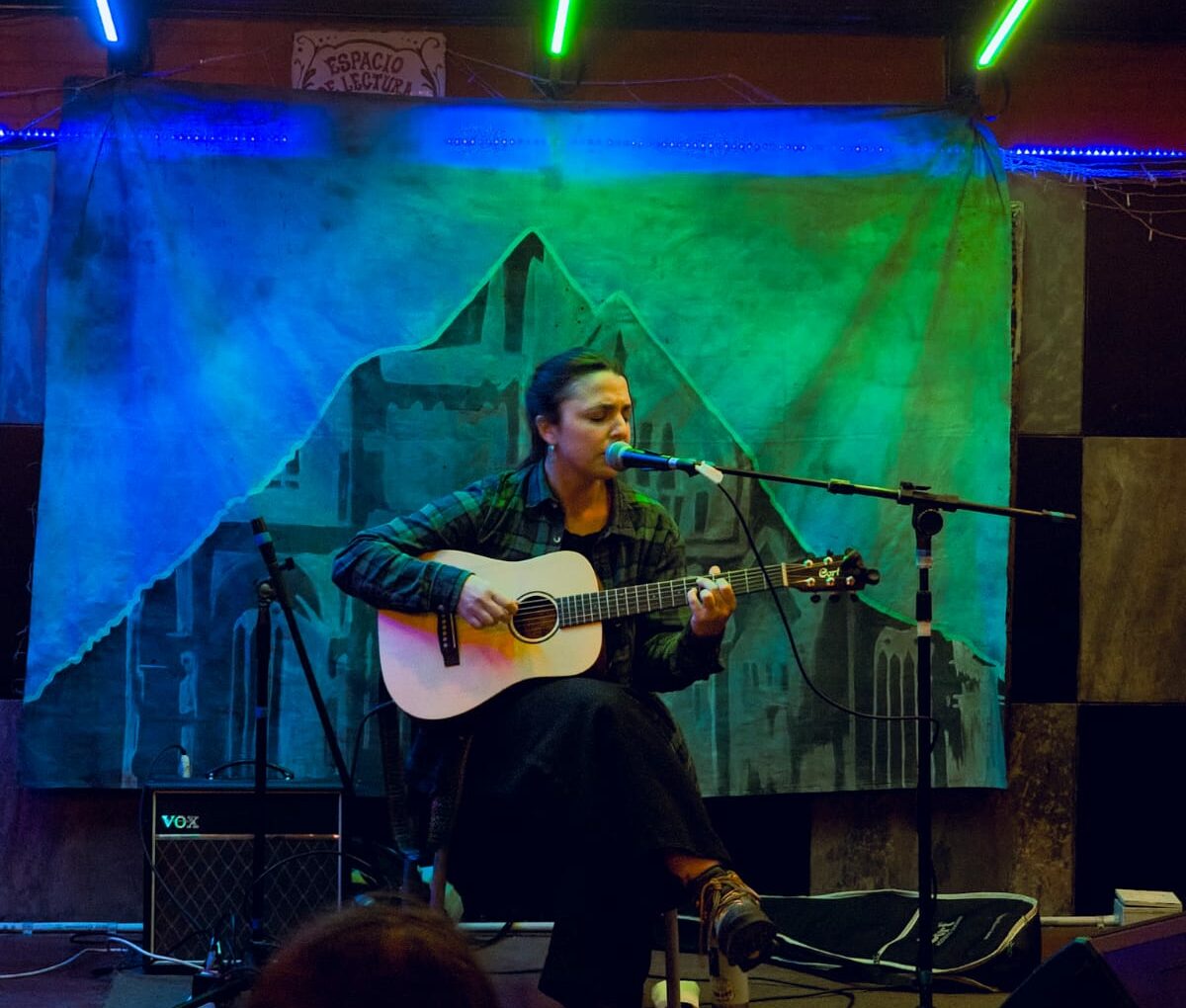
Preparing for Kreeh Chinen Festival
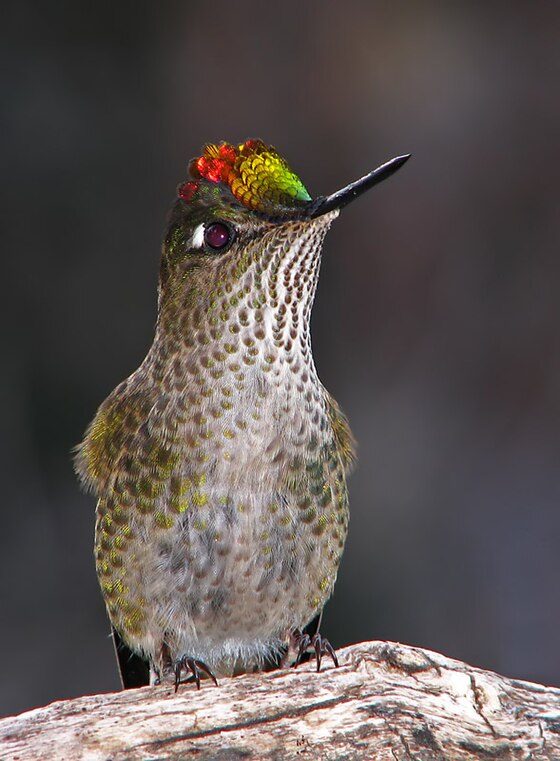
A Yagan story: the hummingbird (Omora or Sámakéar)
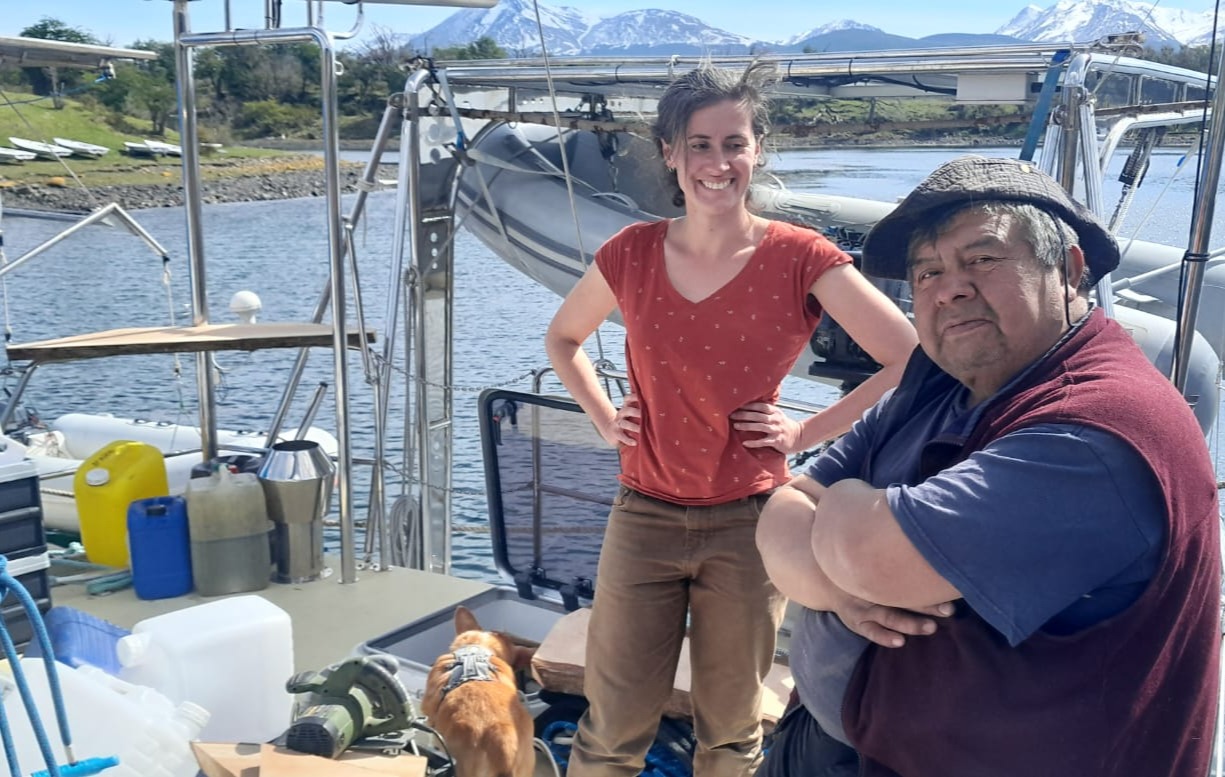
The Sailing yacht Milagro now adorned with coigüe wood
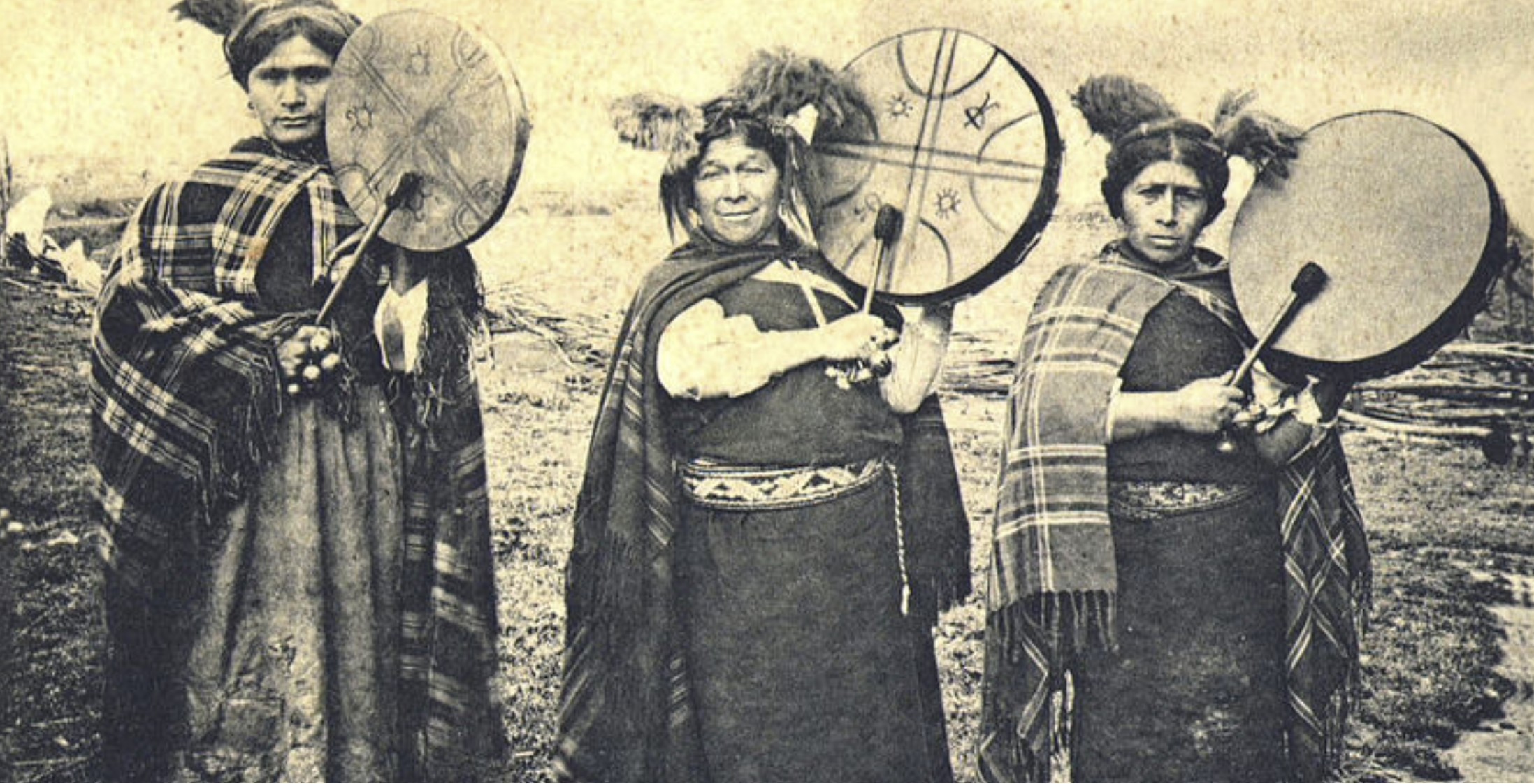
The dialogue between a Machi and ecologists opens new routes to integrate Mapuche knowledge in nature conservation

Conicet studies the Beagle Channel and paves the way for industrial mussel production