Archaeological Research in Patagonia: Tolhuin, in Argentine Tierra del Fuego
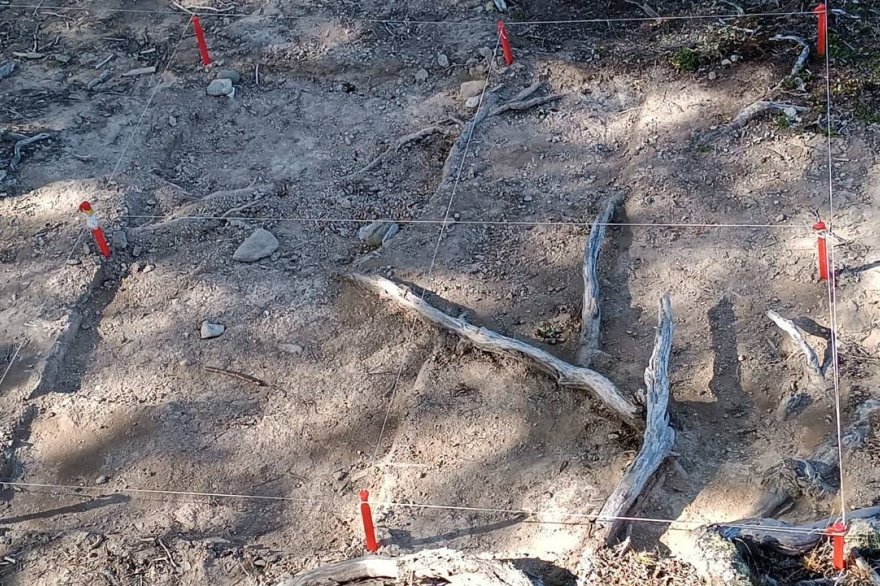
On the road leading to Cerro Michi, a team of archaeologists from GIATMA (affiliated with CADIC-CONICET) made a significant discovery: during fieldwork, the archaeologists found materials and a new archaeological site, which they then began to study.
This discovery is part of the ImpaCT.AR project, Challenge 2, "Archaeological Cultural Heritage in Tolhuin," supported by the municipality and accompanied since the first term of Daniel Harrington. The main objective is the identification and protection of the region's archaeological cultural heritage.
The research team carried out fieldwork, including surveys and excavations within the urban area of Tolhuin, with the aim of creating an archaeological risk map to zone sensitive areas. This provides municipal authorities with crucial information for the preservation of heritage during infrastructure projects.
The ImpaCT.AR project is not limited to identifying archaeological sites; it also includes training for personnel directly or indirectly involved in changes to the urban landscape. Workers are made aware of the importance of archaeological heritage and the need to be vigilant during activities involving ground movement.
The discovery on the road to Cerro Michi adds to other finds in Tolhuin, such as on the road to the pier, at Laguna Varela, the descent to Lake Fagnano, and in the residential neighborhood of Las Laderas del Kamuk. The central strategy of this collaboration between CADIC-CONICET and the Municipality of Tolhuin is prevention, ensuring that infrastructure works are carried out carefully and with respect for the heritage shared by the community.
What is an archaeological discovery?
According to the Guide for the Formulation of the Protocol for Chance Discoveries of Archaeological Heritage and Public Archaeology, an archaeological discovery is the unexpected encounter with archaeological materials such as vessels or fragments, lithic objects (stones or rocks), animal or human bones, figurines, wooden or metal utensils, or any other ancient element. In this regard, the municipality of Tolhuin was expected to specify the nature of the materials found to provide context for the news; however, the community will have to wait for a forthcoming report to learn more.
Representantes de las comunidades de pueblos originarios de Tierra del Fuego viajan a Francia a exponer sobre sus culturas ancestrales, en el marco del mes de la ciencia y la cultura que se desarrolla en ese país. El 2019 fue declarado por la ONU el Año internacional de las Lenguas Indígenas, con el fin de difundir su importante aporte a la cultura de los pueblos.
La secretaria de Relaciones Internacionales Cecilia Fiocchi destacó la presencia en Francia de los representantes de las comunidades originarias: “Es un orgullo para todos los fueguinos que integrantes de las comunidades originarias puedan participar de eventos internacionales como este, que es impulsados por investigadores de la Universidad de la Sorbona y del Centro Nacional de Investigaciones Científicas, instituciones académicas francesas de gran prestigio”. “Es una oportunidad para visibilizar las culturas ancestrales de nuestra provincia” valoró.
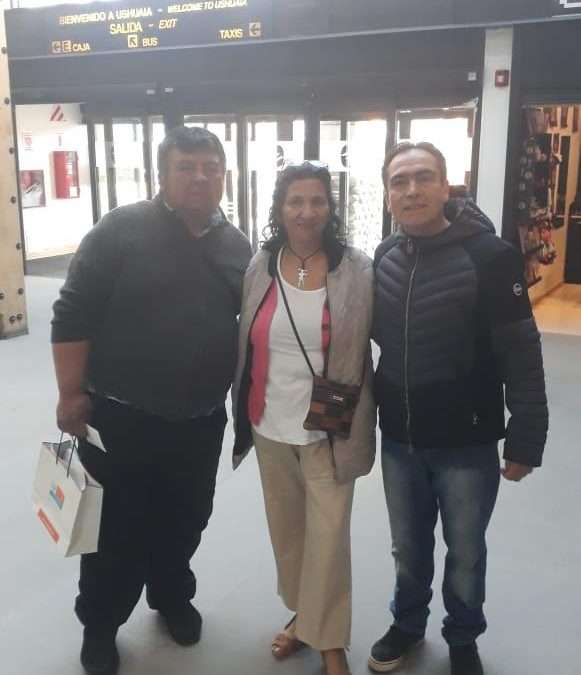
Mirtha Salamanca, integrante de la comunidad selk´nam de Río Grande, Víctor Vargas, integrante del pueblo yagán de Ushuaia y José González Calderón, de la comunidad yagán de Puerto Williams viajan a Francia a exponer sobre las culturas ancestrales originarias de Tierra del Fuego.
Mirtha Salamanca es integrante del Consejo Nacional de Pueblos Indígenas, como representante del pueblo selk´nam. “Viajaremos a Francia invitados por investigadores de ese país, para visibilizar allí nuestra cultura ancestral y complementar una serie de investigaciones que estamos realizando sobre nuestro pueblo. Además de participar como expositores en charlas y conferencia en distintas partes del país, podremos visitar los archivos de Anne Chapman, quien fue una gran investigadora de nuestra cultura y complementar los estudios que nosotros venimos realizando para dar a conocer nuestra cosmovisión. Tenemos la esperanza de que esto promueva el arraigo a nuestra tierra y el derecho a la identidad originaria” expresó.
Por su parte, Víctor Vargas es autor del libro “Mi Sangre Yagán”, editado en 2017 por la Editora Cultura Tierra del Fuego y trabaja en el Museo del Fin del Mundo de Ushuaia, desde donde promueve mediante charlas e investigaciones, la cultura e historia de su pueblo. “Esto se trata de unir el pasado con el presente. Los yaganes son la comunidad humana que habitó de forma permanente la parte más al sur de todo el continente.
En cuanto a José González Calderón, reside en Puerto Williams, Chile y cabe destacar que es sobrino de Cristina Calderón, quien fue declara tesoro humano vivo, ya que es la última hablante nativa viva de su lengua yagán. Este año, ha sido declarado por la ONU el año internacional de las lenguas indígenas.