
recherches scientifiques

Association Karukinka
Loi 1901 - d'intérêt général
Dernières nouvelles du bord
La Patagonie vous fait rêver ? Rejoignez l'aventure !
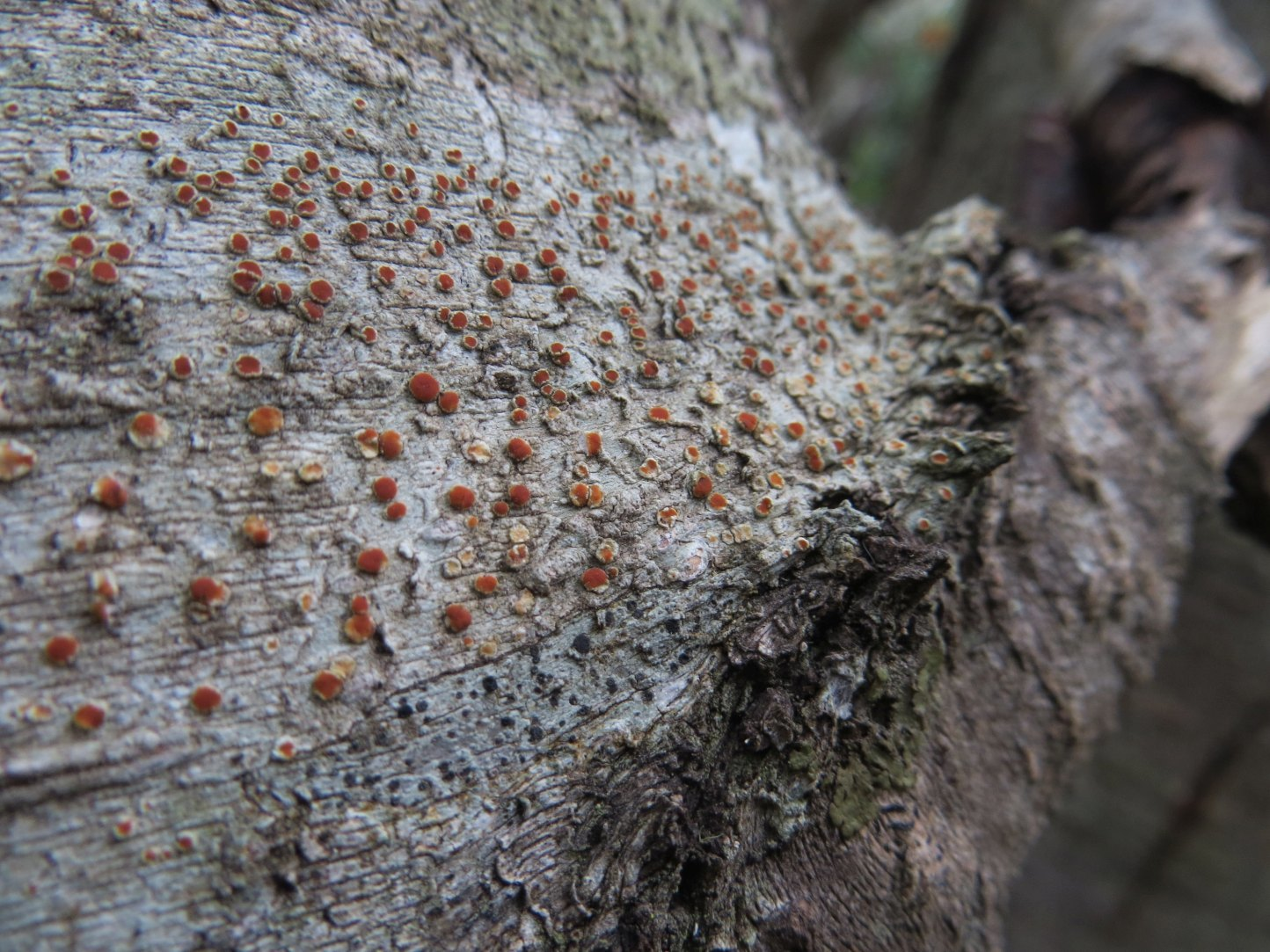
Candelariella magellanica and Sclerococcum nothofagi: two new species discovered on Navarino Island
The yellow powder that Puerto Williams residents have always seen on the trunks of lenga beech (Nothofagus pumilio) had never received a scientific name: Candelariella magellanica. In January–February 2005, and again in January 2008, an international team of...
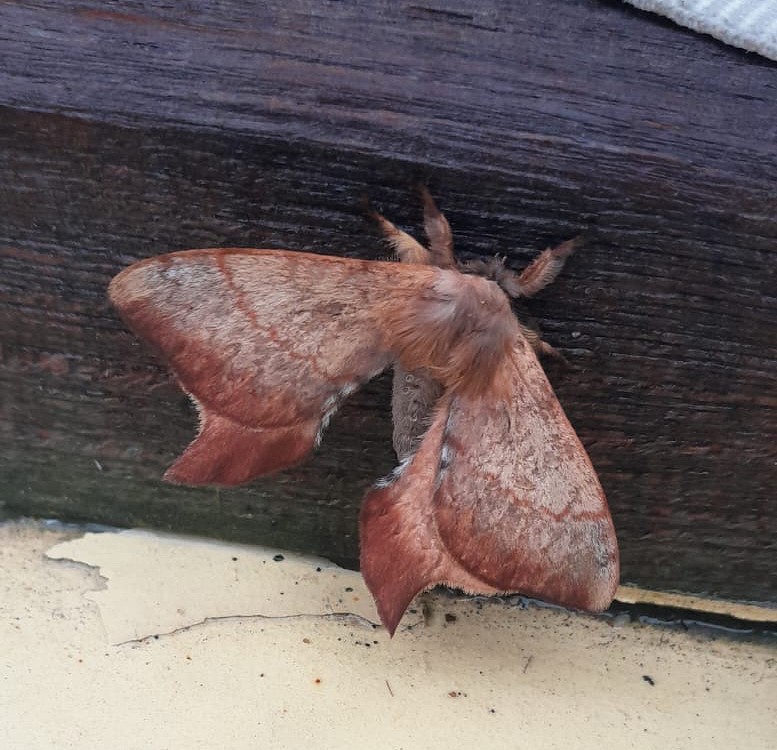
Cercophana frauenfeldii Felder, 1862 (Lepidoptera: Saturniidae): Taxonomy, Ecology and Presence in the Far South of Chile
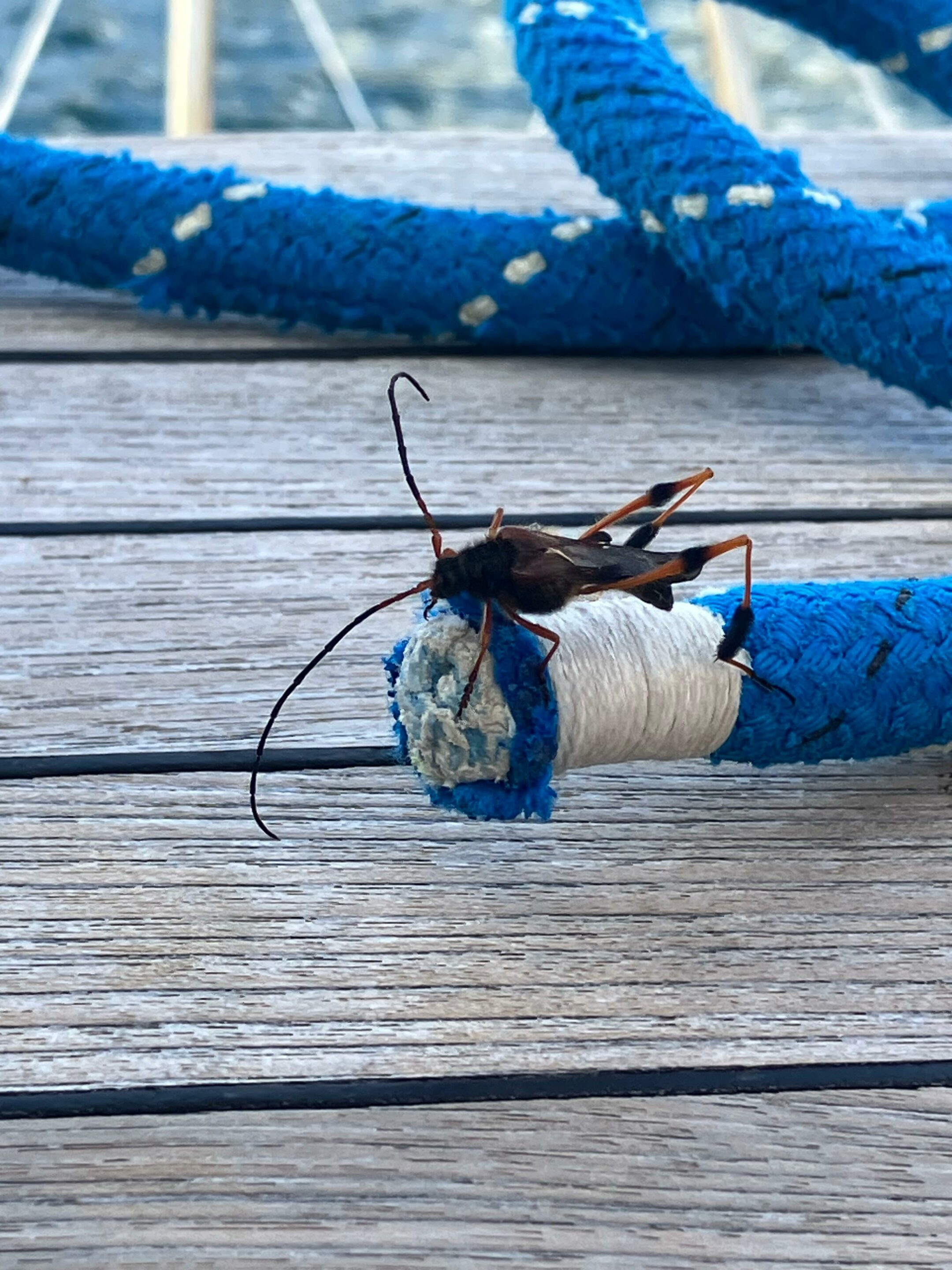
Once is not always the norm aboard the sailing vessel Milagro — and following Callisphyris leptopus Philippi: in mid-April 2026, with Ben, Milena, Gabriel, Damien and Lauriane, as we were leaving one of the arms of Bahía Tres Brazos, a bay located...
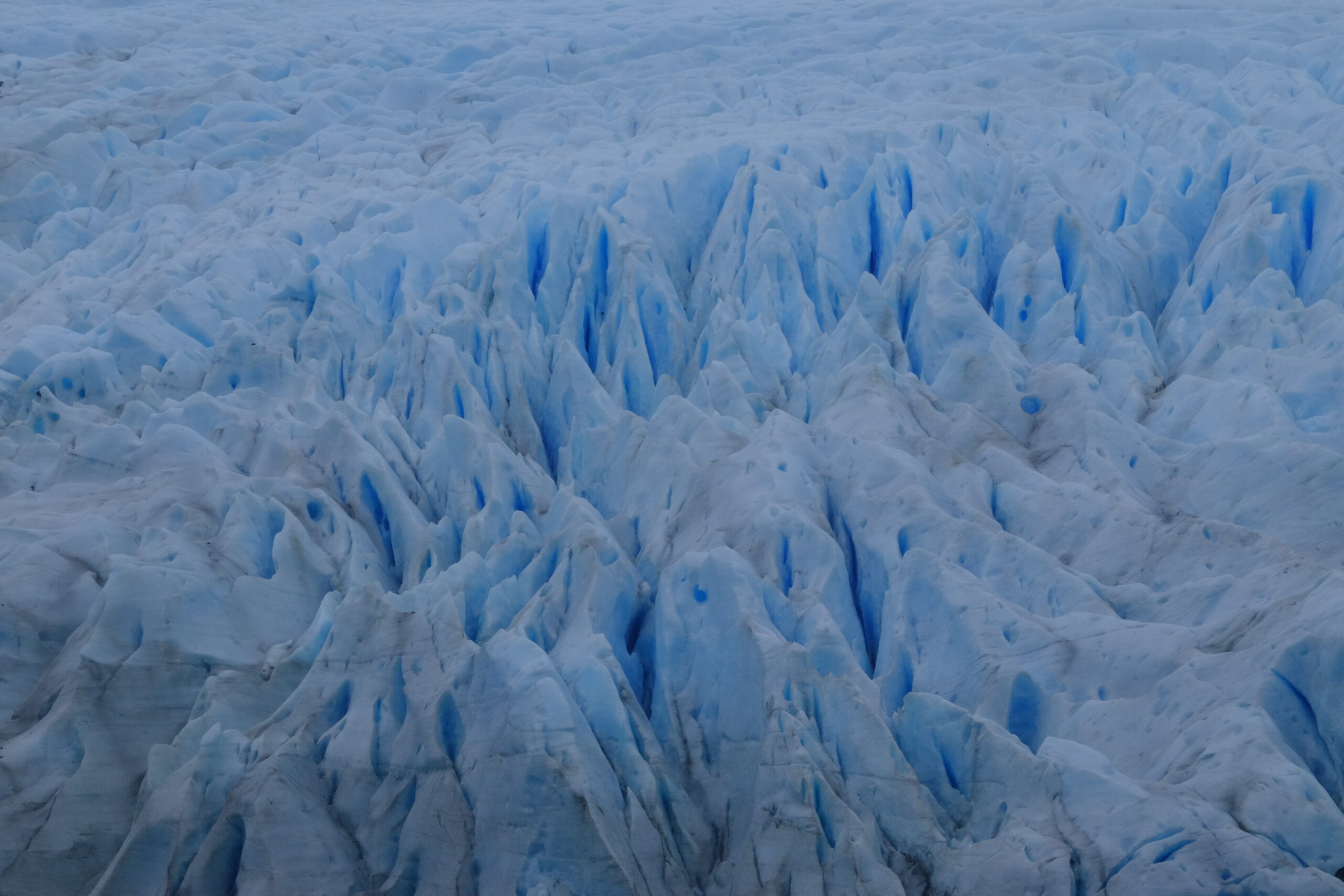
The Ley de Glaciares in Argentina (Glacier Law): context, reform, and resistance
Law 26.639, also know as Ley de Glaciares and enacted in 2010, established in Argentina the Minimum Budgets Regime for the Preservation of Glaciers and the Periglacial Environment, legally cementing the idea that glaciers are strategic freshwater reserves and public...

Karukinka at the UNESCO Inclusive Toponymy Colloquium in Montpellier
On June 18, 2026, the association Karukinka will be present at the International Colloquium “Pour une approche interdisciplinaire de la toponymie / Inclusive Toponymy: Towards an Interdisciplinary Approach”, organized by the UNESCO Chair in Inclusive Toponymy at the...
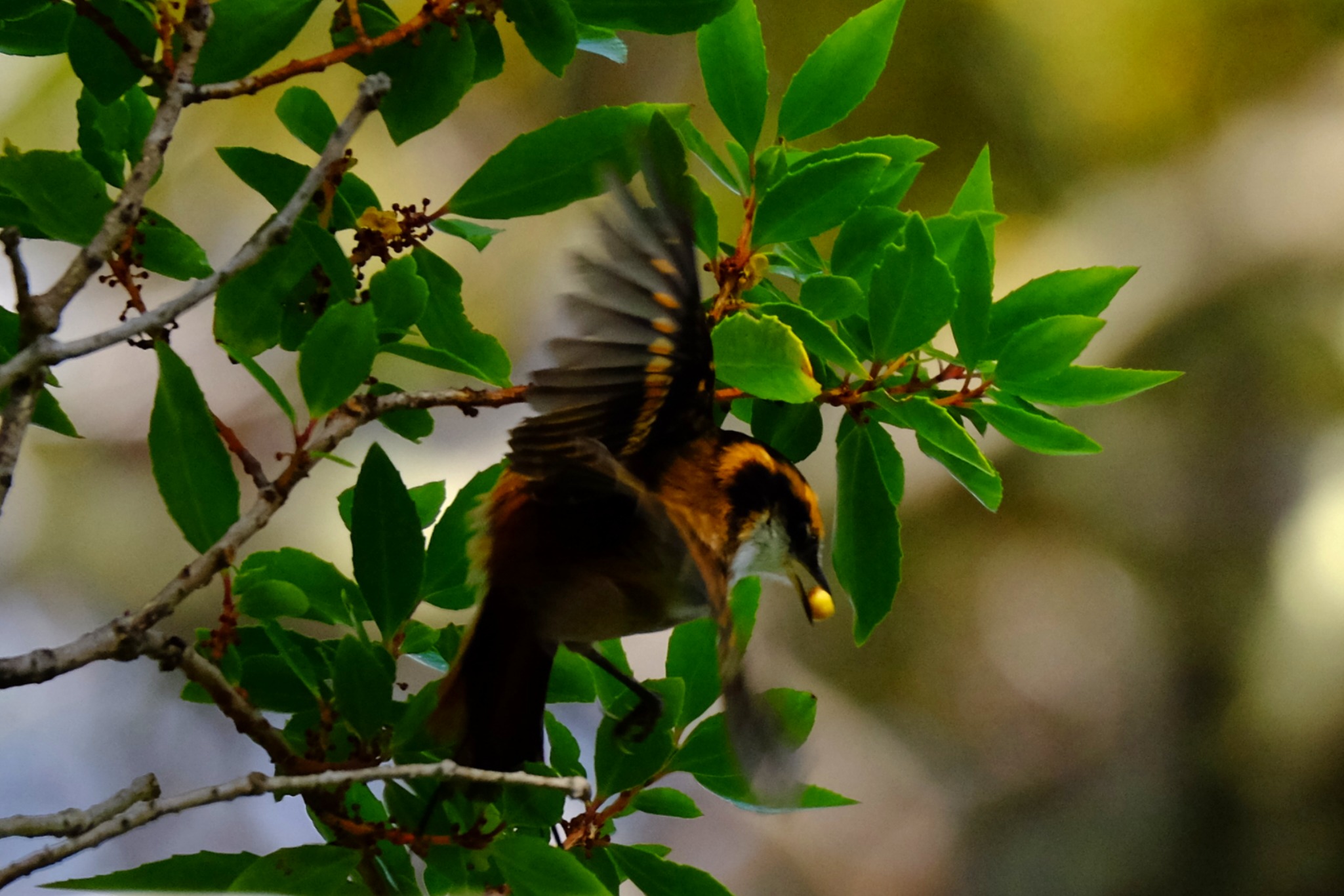
The Rayadito – Aphrastura spinicauda: an emblematic passerine of Patagonian forests and Cape Horn
The genus Aphrastura (family Furnariidae) groups together small insectivorous passerines endemic to the southwestern part of South America. It historically comprises two species: the thorn‑tailed rayadito (Aphrastura spinicauda, synallaxis...
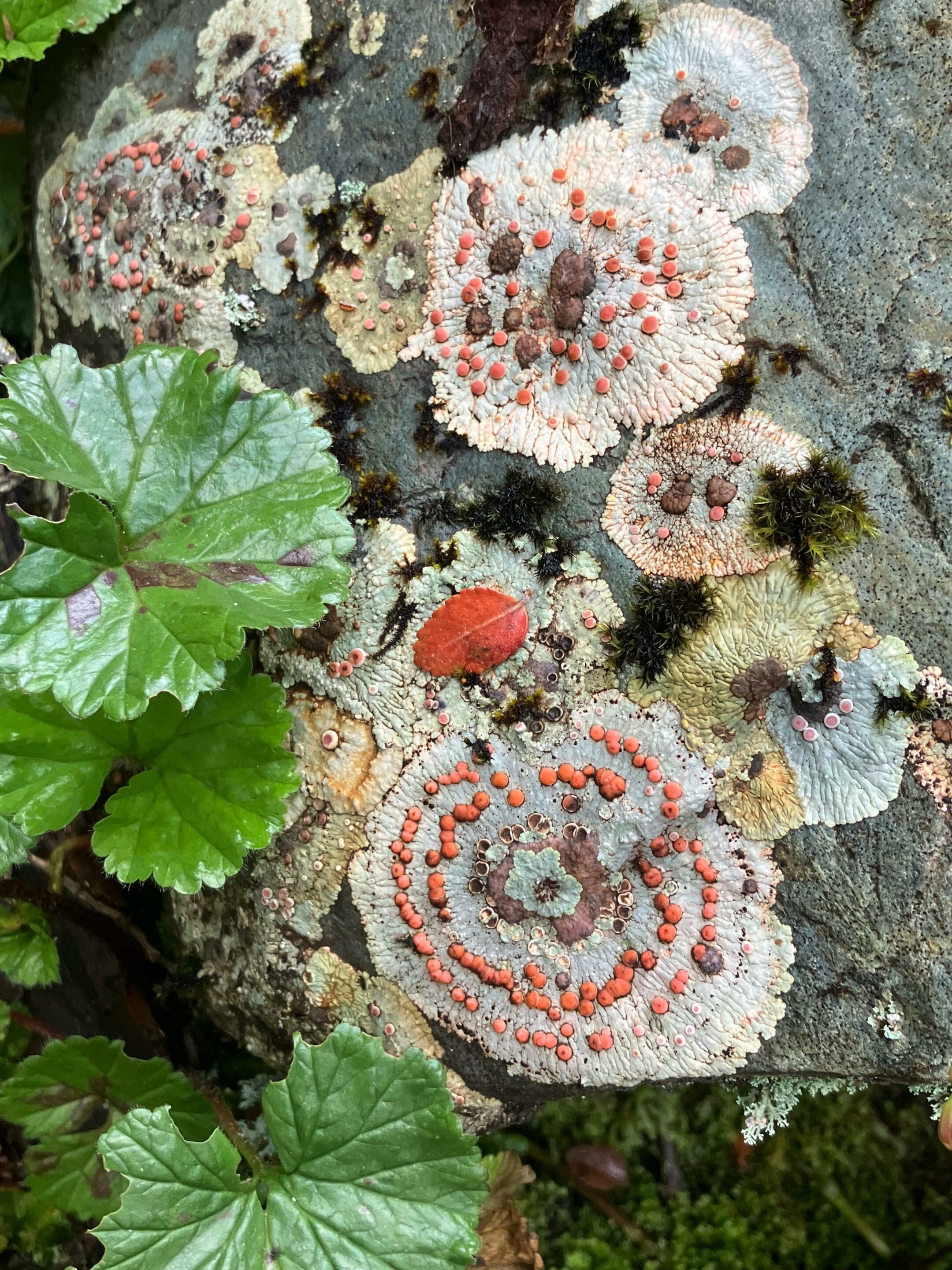
Lichens and bryophytes of the Cape Horn Biosphere Reserve
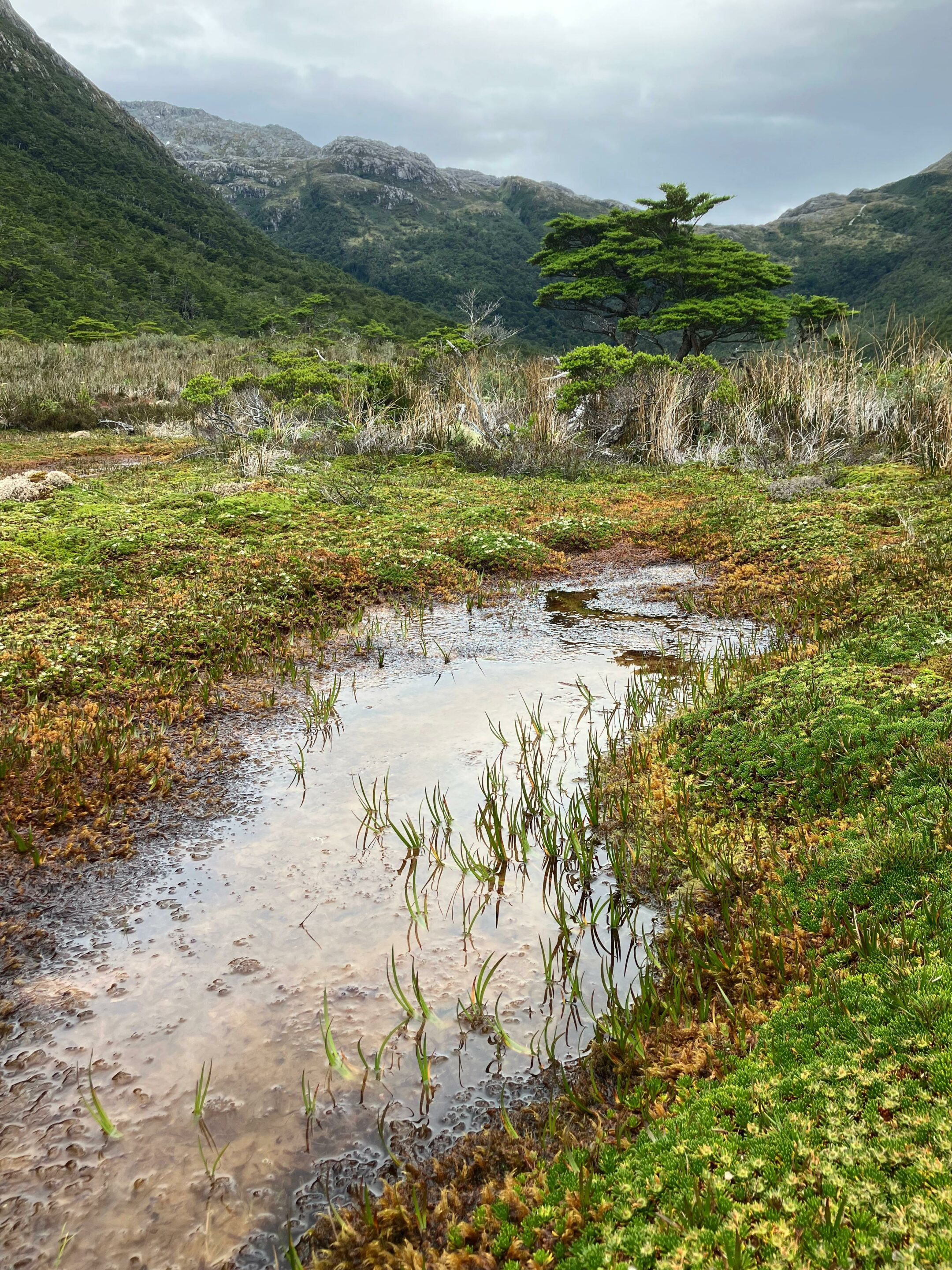
In southern Patagonia, within the Cape Horn Biosphere Reserve, lichens and bryophytes turn trunks, rocks, and peat bogs into true “miniature forests” that can only be discovered by leaning in with a hand lens. This cryptogamic diversity reaches an exceptional level on...
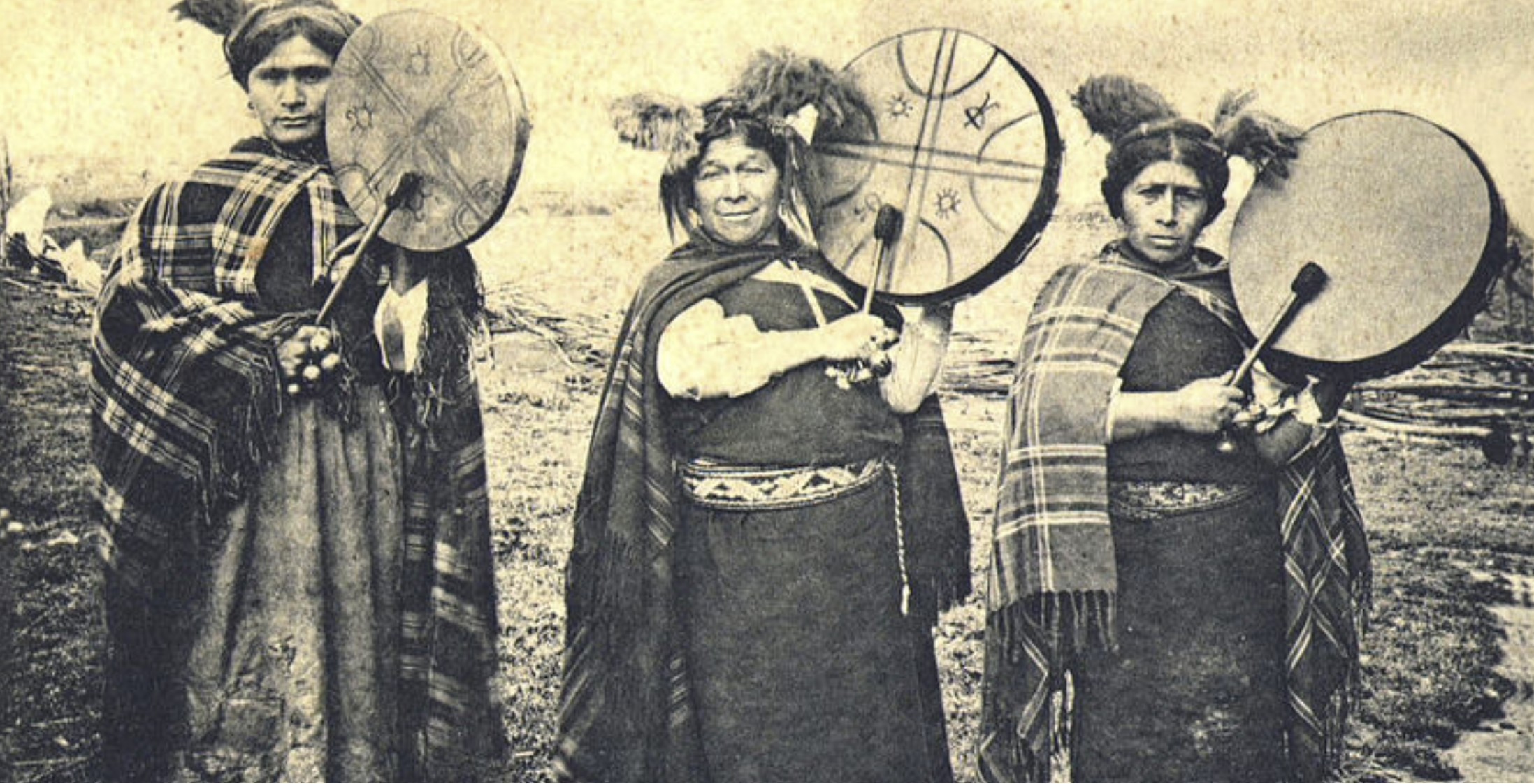
The dialogue between a Machi and ecologists opens new routes to integrate Mapuche knowledge in nature conservation
The study proposes a collaboration model between ancestral Mapuche knowledge and ecological science, demonstrating that nature conservation requires listening to, respecting, and working alongside indigenous communities. Temuco, October 23, 2025. (diariomapuche.cl) –...
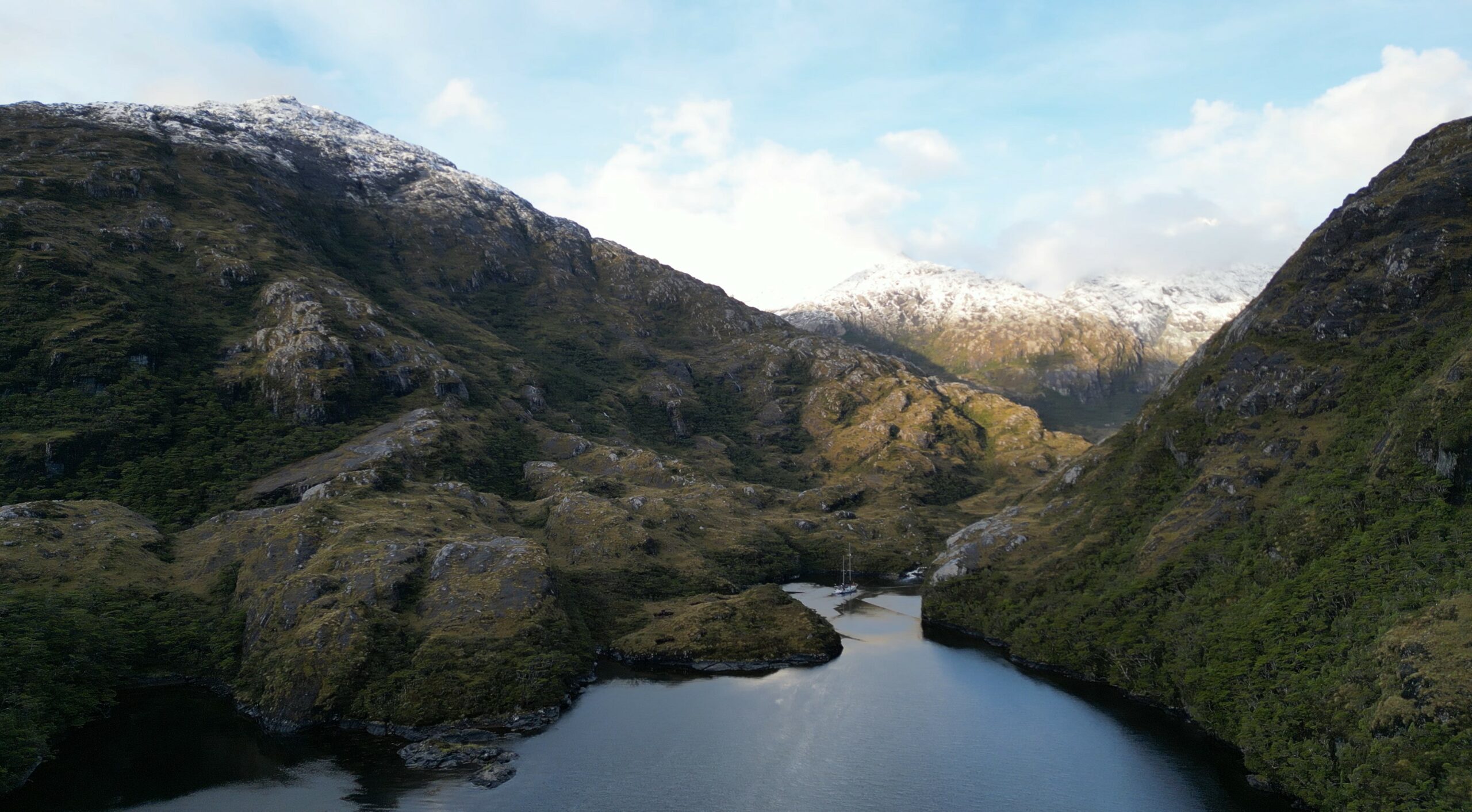
What role does the new 20-meter sailboat play in enabling Karukinka’s activities?
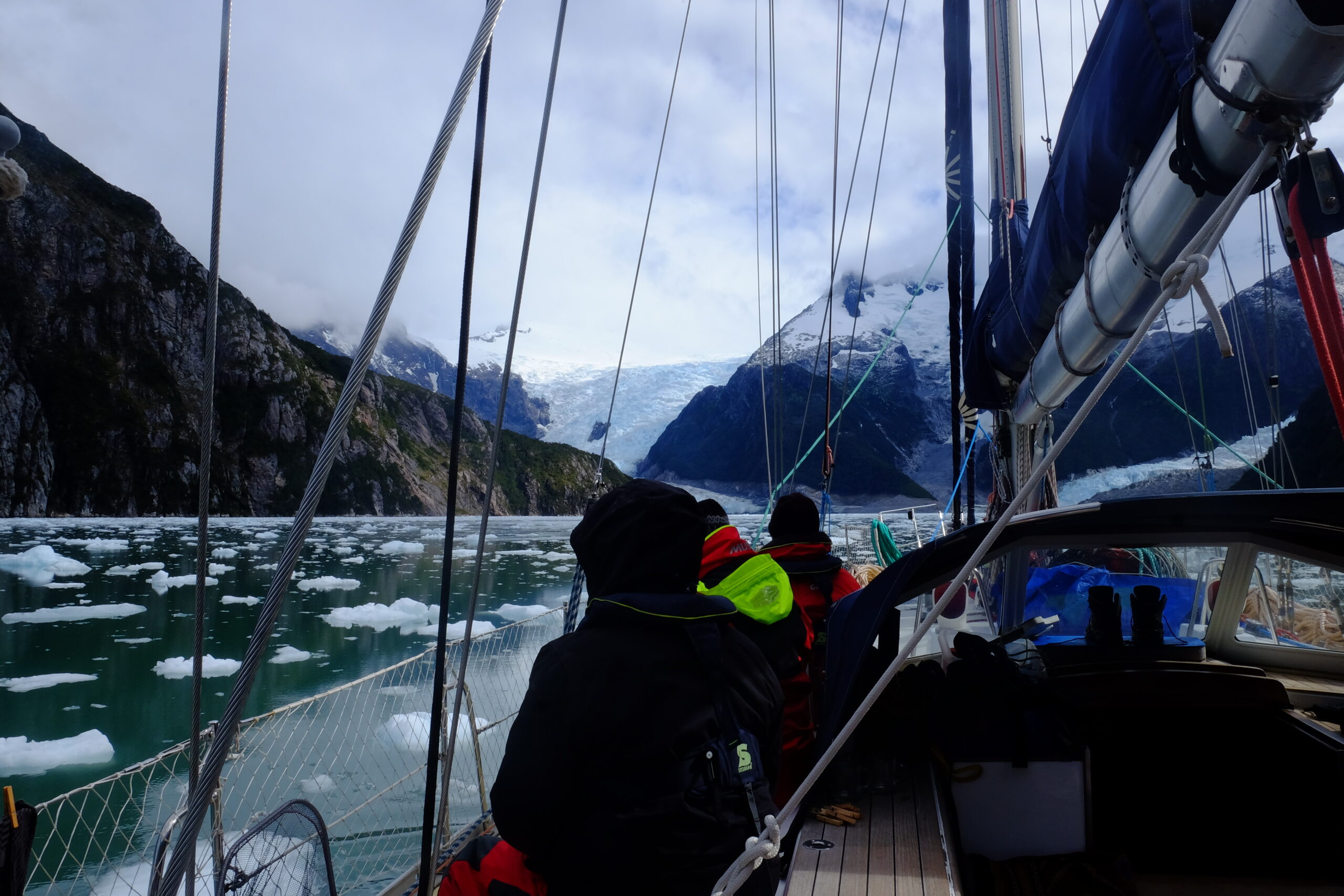
The new vessel, Milagro, serves as a cornerstone for Karukinka’s operations. More than a means of transportation, this 20-meter steel ketch is a fully equipped, autonomous floating base that allows Karukinka to carry out ambitious scientific, artistic, and...