Chili
Association Karukinka
Loi 1901 - d'intérêt général
Dernières nouvelles du bord
La Patagonie vous fait rêver ? Rejoignez l'aventure !
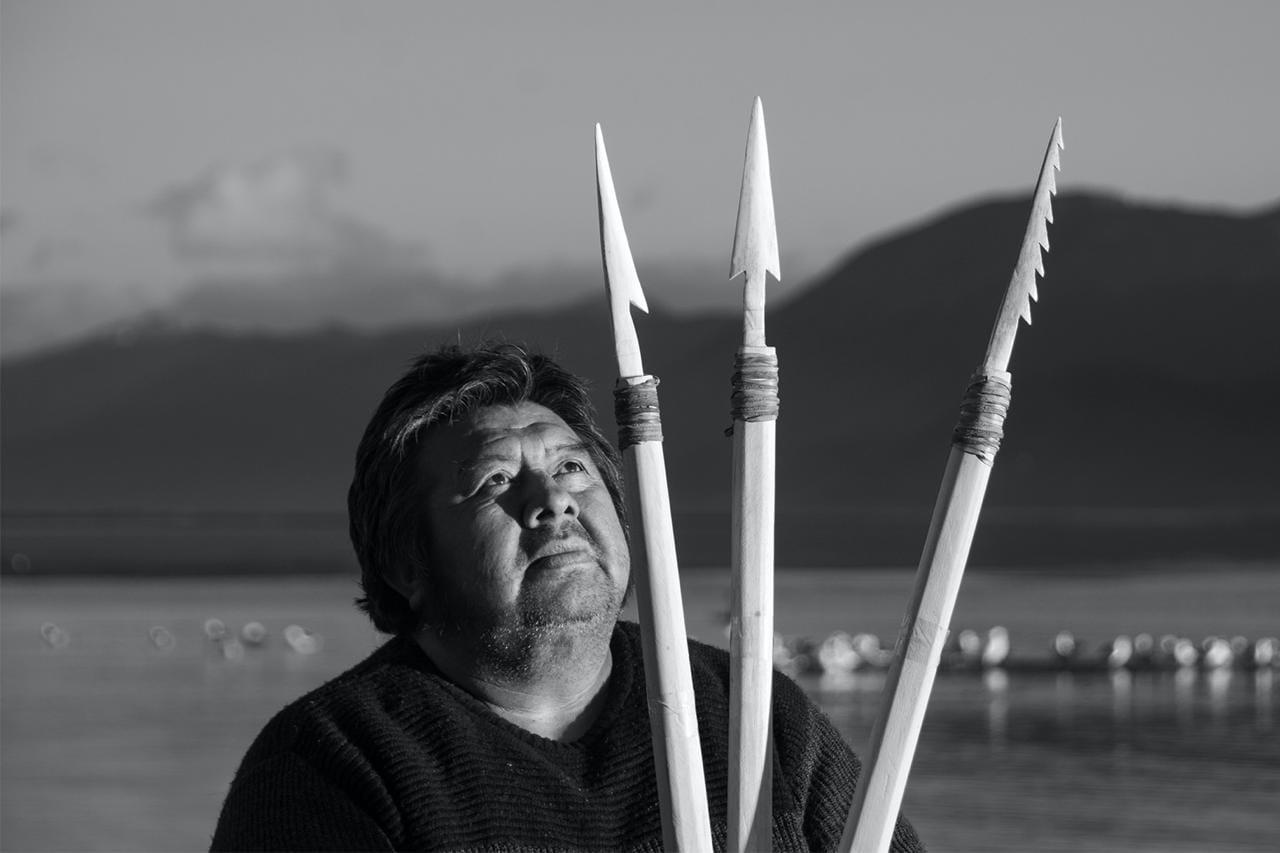
An exceptional sale of Yagan craftsmanship: whalebone harpoons and coihue-bark canoes signed by José
yagan craftsmanship He works bone and bark the way others work the wood of a violin: with the memory of gestures passed down through generations, more than through mere technical skill. José German Gonzalez Calderon, fishing captain, former president of the Yagan...
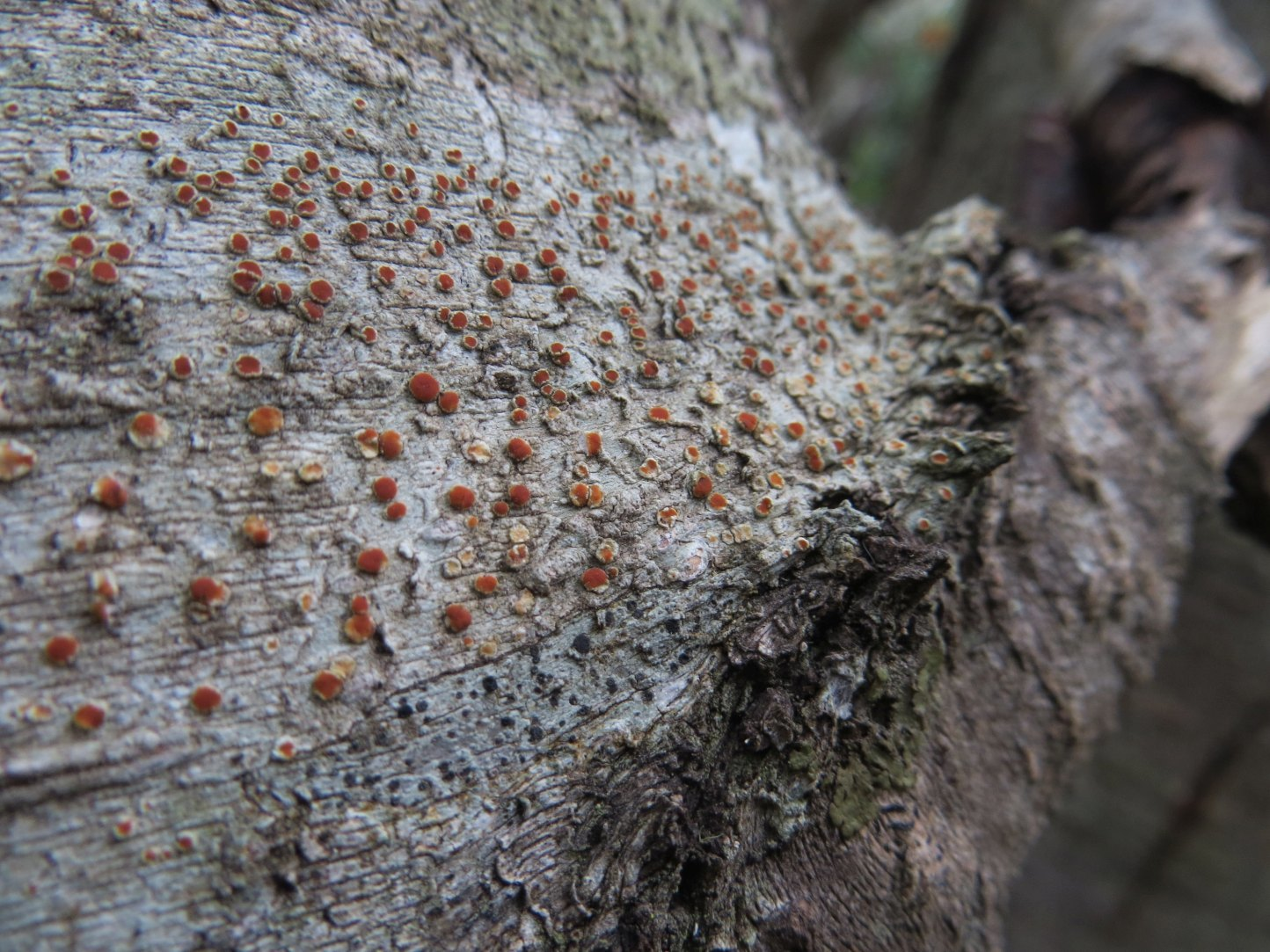
Candelariella magellanica and Sclerococcum nothofagi: two new species discovered on Navarino Island
The yellow powder that Puerto Williams residents have always seen on the trunks of lenga beech (Nothofagus pumilio) had never received a scientific name: Candelariella magellanica. In January–February 2005, and again in January 2008, an international team of...
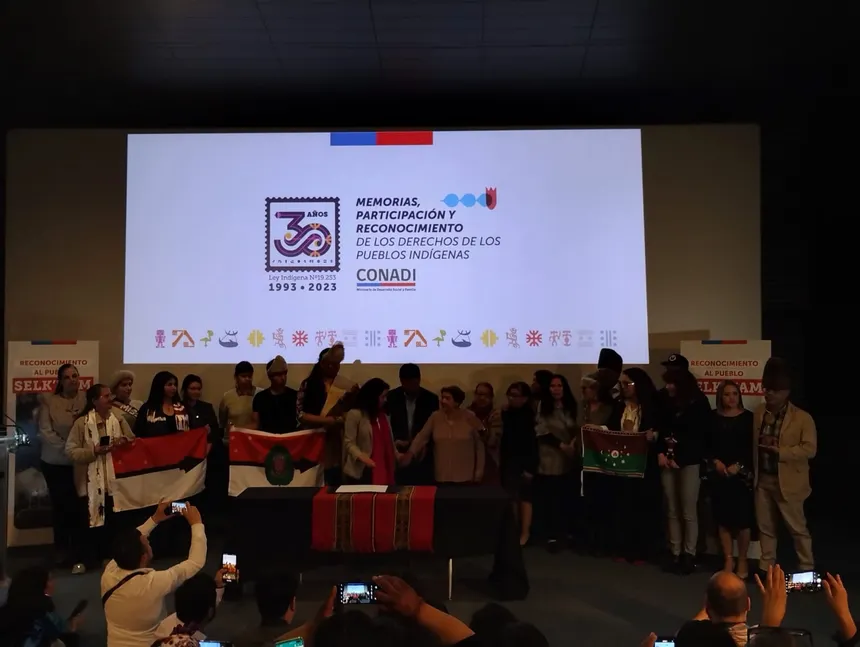
Chile recognises the Selk’nam as a living indigenous people
In 2023, Chile officially incorporated the Selk'nam people into Indigenous Law 19.253, nearly a century after the waves of mass violence that swept across Tierra del Fuego. Behind this legal reform lies a long process of memory work, advocacy, and cultural...
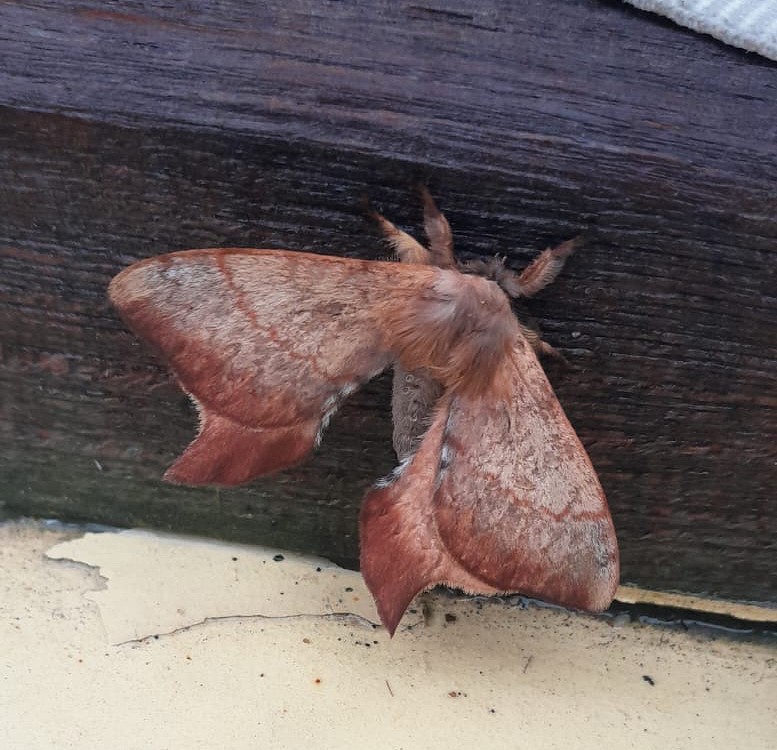
Cercophana frauenfeldii Felder, 1862 (Lepidoptera: Saturniidae): Taxonomy, Ecology and Presence in the Far South of Chile
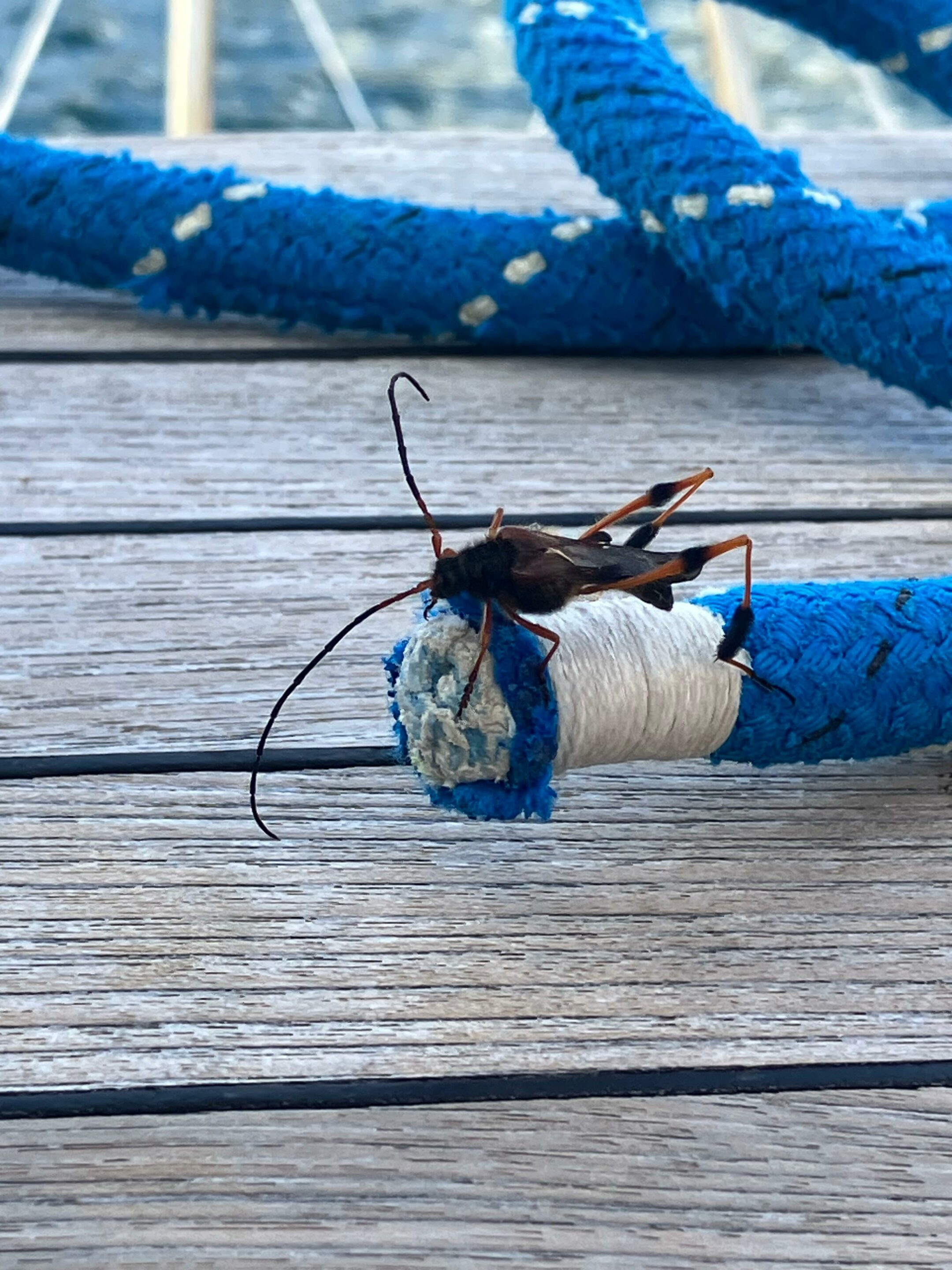
Once is not always the norm aboard the sailing vessel Milagro — and following Callisphyris leptopus Philippi: in mid-April 2026, with Ben, Milena, Gabriel, Damien and Lauriane, as we were leaving one of the arms of Bahía Tres Brazos, a bay located...
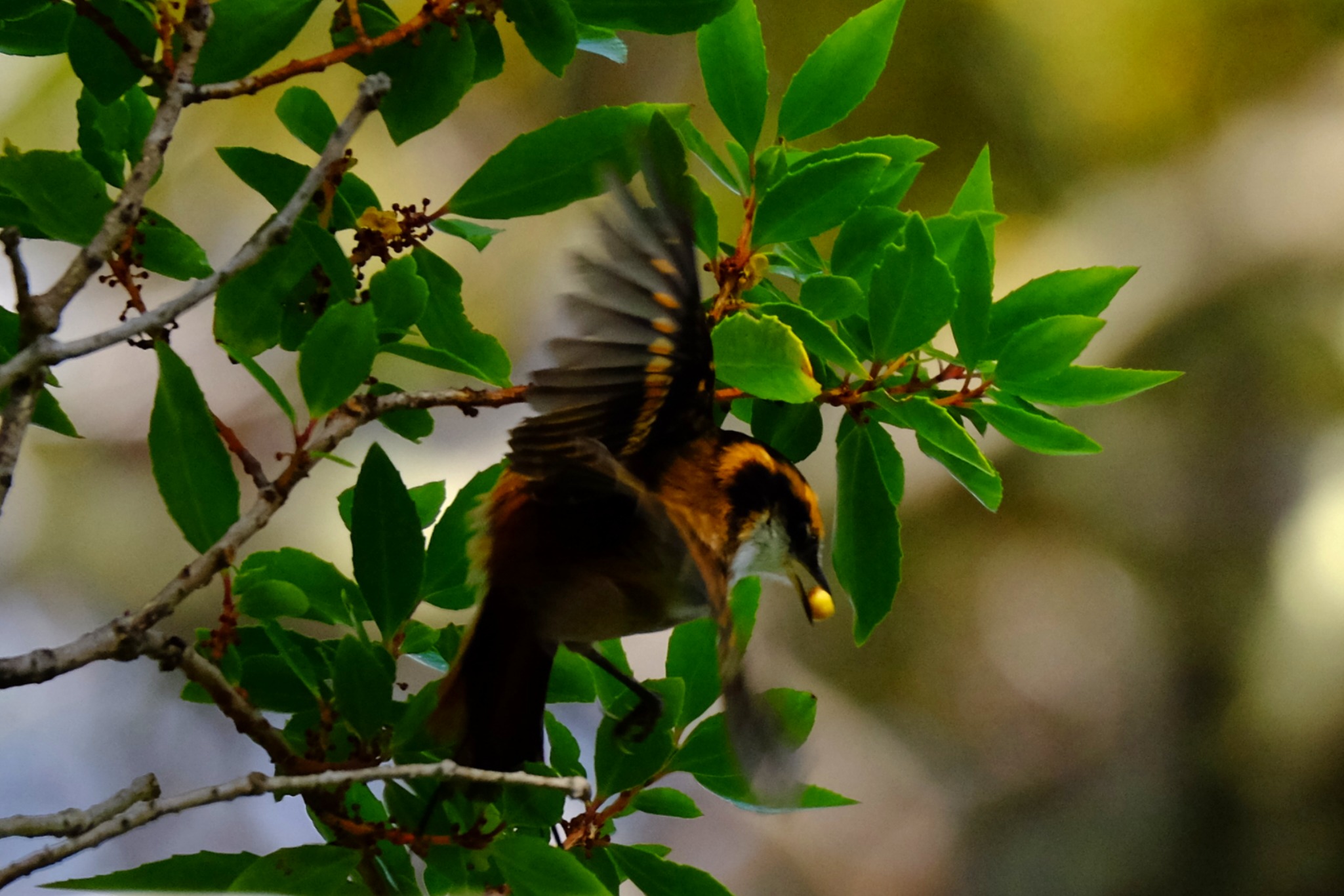
The Rayadito – Aphrastura spinicauda: an emblematic passerine of Patagonian forests and Cape Horn
The genus Aphrastura (family Furnariidae) groups together small insectivorous passerines endemic to the southwestern part of South America. It historically comprises two species: the thorn‑tailed rayadito (Aphrastura spinicauda, synallaxis...
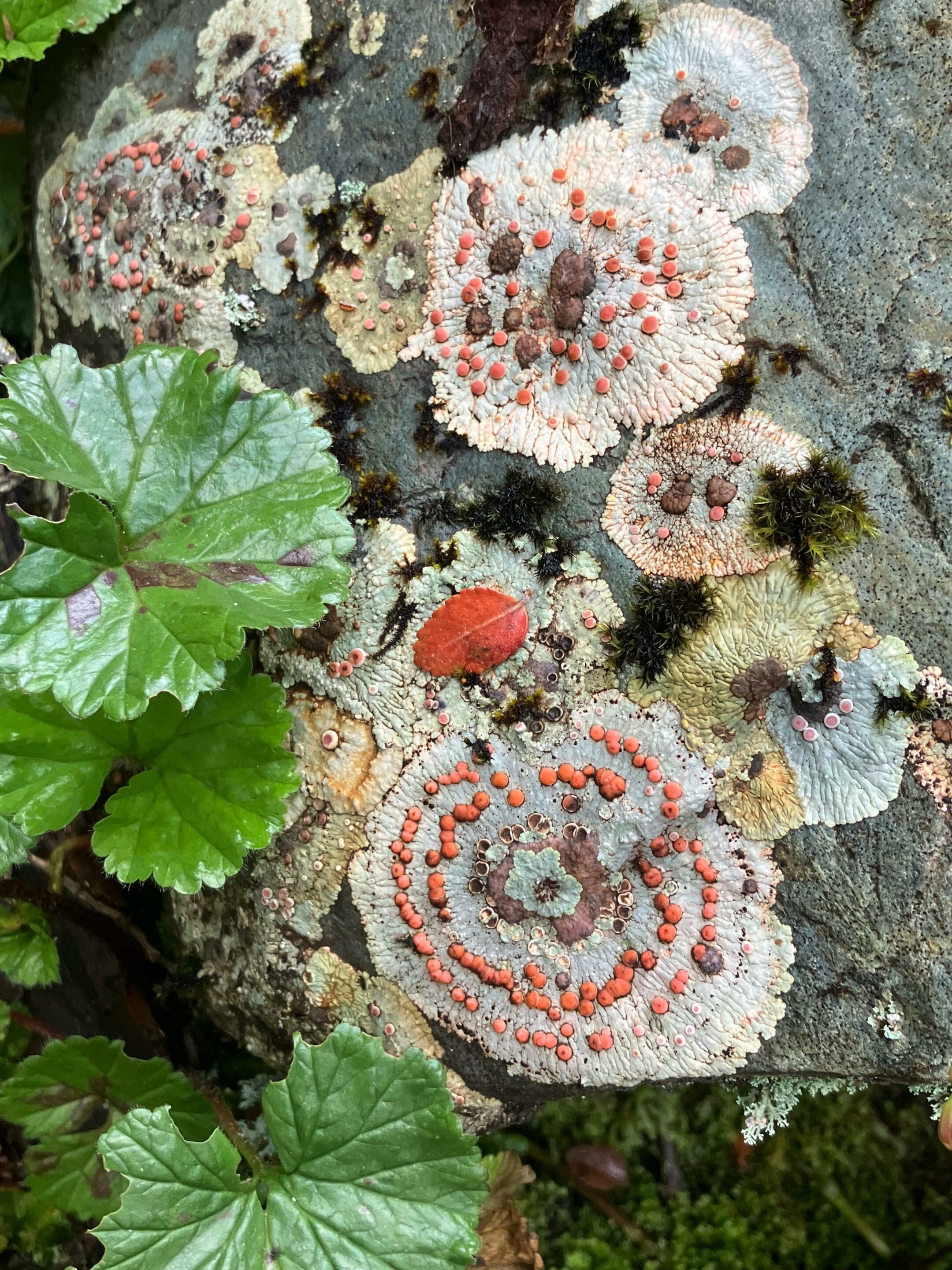
Lichens and bryophytes of the Cape Horn Biosphere Reserve
In southern Patagonia, within the Cape Horn Biosphere Reserve, lichens and bryophytes turn trunks, rocks, and peat bogs into true “miniature forests” that can only be discovered by leaning in with a hand lens. This cryptogamic diversity reaches an exceptional level on...
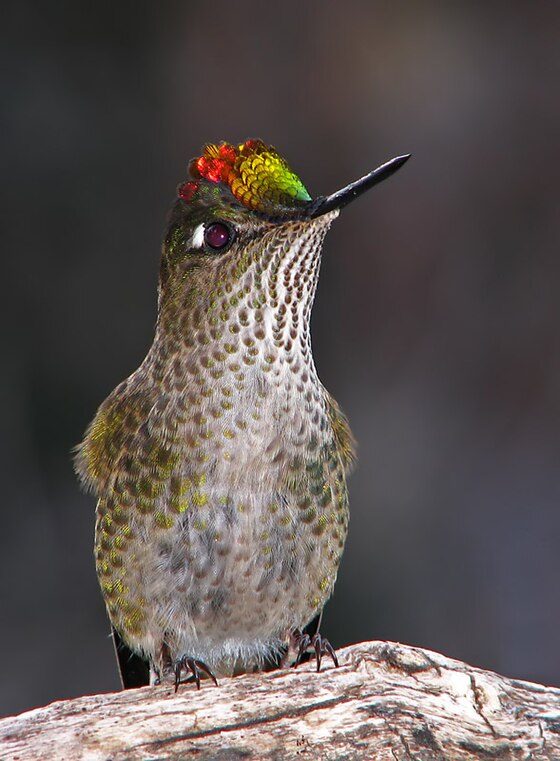
A Yagan story: the hummingbird (Omora or Sámakéar)
Today we share with you a Yagan story dedicated to the hummingbird, told by Úrsula Calderón and Cristina Calderón in 2001 in Mejillones Bay (Navarino Island, Chile). It was published on pages 170 and 171 of the book Guia Multi-Etnica de Aves de los bosques...
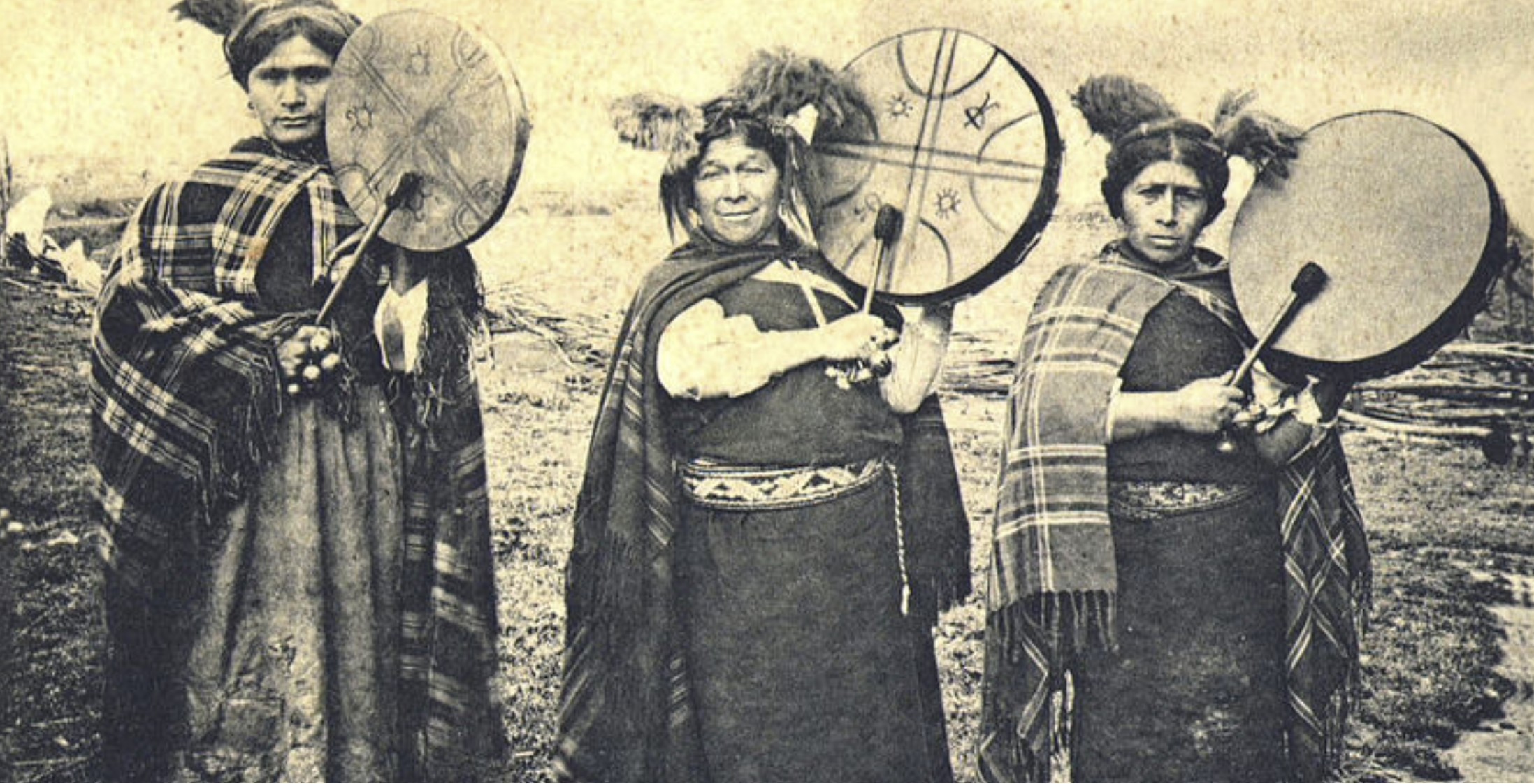
The dialogue between a Machi and ecologists opens new routes to integrate Mapuche knowledge in nature conservation
The study proposes a collaboration model between ancestral Mapuche knowledge and ecological science, demonstrating that nature conservation requires listening to, respecting, and working alongside indigenous communities. Temuco, October 23, 2025. (diariomapuche.cl) –...
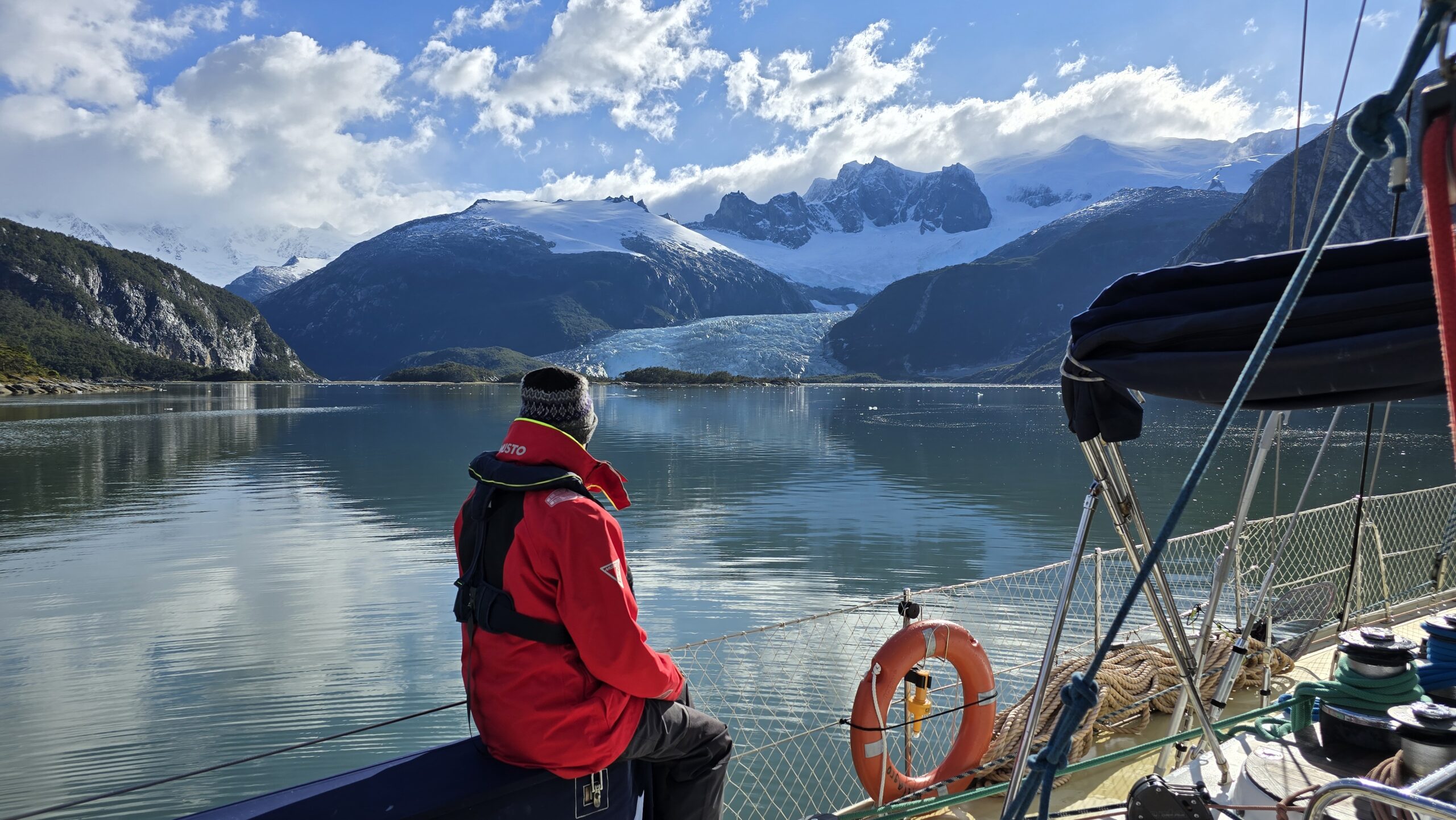
The Beagle Channel (Onashaga): meeting place of oceans at the southernmost tip of the Americas
The Beagle Channel, known to the Yaghan people as Onashaga (“channel of the Ona hunters,” i.e., their Selk'nam neighbors from Tierra del Fuego), is one of the planet’s outstanding maritime passages. This interoceanic strait,...
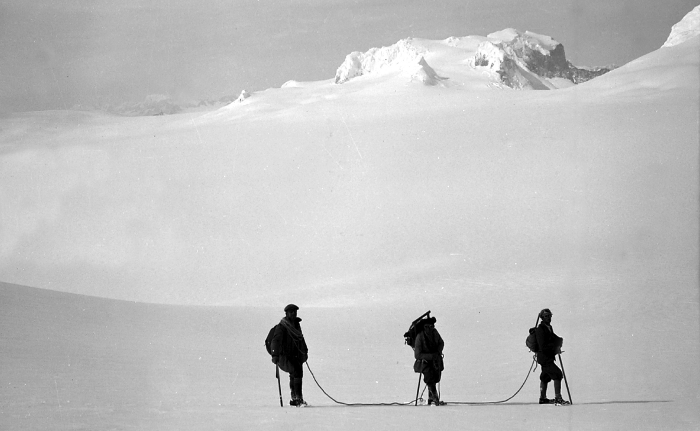
Darwin Cordillera: Terra incognita of the southern Andes
The Darwin Cordillera represents one of the last wild frontiers of our planet, a mountain range of striking beauty yet formidable hostility, located at the far southwestern tip of Chilean Tierra del Fuego. On 12 February 1834, Captain Robert FitzRoy names a mountain...