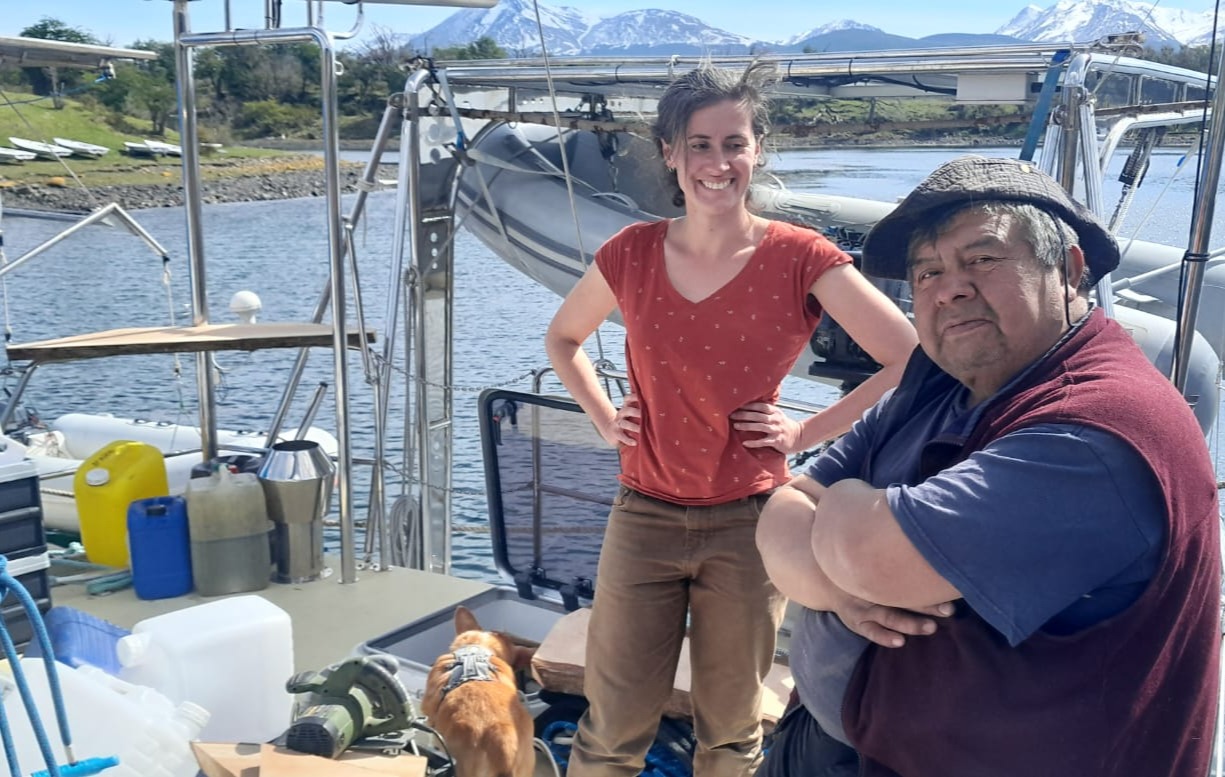
Conicet studies the Beagle Channel and paves the way for industrial mussel production

Karukinka
3 September 2025

Association Karukinka
Loi 1901 - d'intérêt général
Derniers articles
Suivez nous
A study conducted by Conicet in the Beagle Channel could be a turning point for aquaculture production in Tierra del Fuego. The analysis of variables such as water temperature, salinity, and oxygen concentration aims to lay the foundations for the first industrial-scale mussel farm in Ushuaia, as part of a project led by Newsan Food. #mussels Beagle Channel
The study is led by Irene Schloss, a specialist in biological oceanography, with a team from the Southern Scientific Research Center (Cadic). The researchers are studying environmental conditions in areas near Puerto Almanza, where mussels already grow naturally, and evaluating other areas with production potential. This species is native to the Beagle Channel and has great potential for regional aquaculture.
The work is part of a High-Level Technological Service (STAN) requested by Newsan Food, which has been developing fishing activities in the province for 15 years and, in the last five years, has made progress in aquaculture for domestic supply according to a sustainable model. Last February, the company led by Rubén Cherñajovsky launched the first national production of industrial mussels.
“Mussels are sensitive marine organisms that require optimal environmental conditions to grow and thrive. It is therefore essential to understand and evaluate the environment in which their cultivation is planned, to ensure the long-term success of the productive activity,” explains Schloss.
The study considers key environmental and biological variables: temperature, salinity, oxygen and ammonium concentration, presence of chlorophyll and phytoplankton, with an emphasis on toxin-producing species (red tide). All this aims to determine whether the conditions in the channel are suitable for the development of this industry.
“Studying the marine environment of the Beagle Channel is important for many reasons, but it is even more valuable that these studies can have a real impact on productive activities in the southernmost region of the continent. When we work together, everyone wins: better decisions are made and science translates into concrete results for society,” adds the researcher.
For field operations, the Scientific Research Vessel (BIC) Shenu serves as a base for navigation and surveys, with a monthly campaign at five coastal stations between Puerto Almanza and the east of Gable Island, opposite Puerto Williams (Chile). The project plans twelve campaigns until October. The ship is equipped with multiparameter instruments (CTD, light and chlorophyll sensors) as well as equipment for storing and processing samples taken at depths of between 5 and 8 meters, which are then analyzed in Cadic's laboratories.
On the Newsan Food side, director Fabio Delamata explains: “The company's objective is to conduct a study of the marine environment to consolidate the creation of an aquaculture development hub based on sustainability, environmental protection, and an industrial perspective. Working with Conicet means relying on data and information to achieve a solid, reliable, and long-term result.”
The company has invested nearly $10 million in cultivation lines, boats, and harvesting and seeding platforms, as well as an operational hub in Puerto Almanza. The overall plan calls for a $17 million investment to expand production with new collection and breeding lines.
The project aims to meet local demand, which fluctuates between 300 and 400 tons of mussels per year, currently imported from Chile, and to open the door to exports. Last summer, Newsan sent a batch of 10 tons of mussels cultivated in the Beagle Channel to Buenos Aires, whole, frozen, and pre-cooked in the channel's water.
The results of Conicet's research could not only diversify Tierra del Fuego's productive matrix, but also generate employment and raise environmental awareness in the community. “This would strengthen environmental awareness as an alternative for diversifying the productive matrix and encourage sustainable development in Almanza,” emphasize Cadic members.
Source: https://fmfuego.com.ar/ushuaia/conicet-estudia-el-canal-de-beagle-y-abre-camino-a-la-produccion-industrial-de-mejillones.htm Translated from Spanish by the Karukinka Association
Karukinka at the UNESCO Inclusive Toponymy Colloquium in Montpellier

Cape Horn au Long Cours (CHLC): The fascinating historical work of a team of volunteers
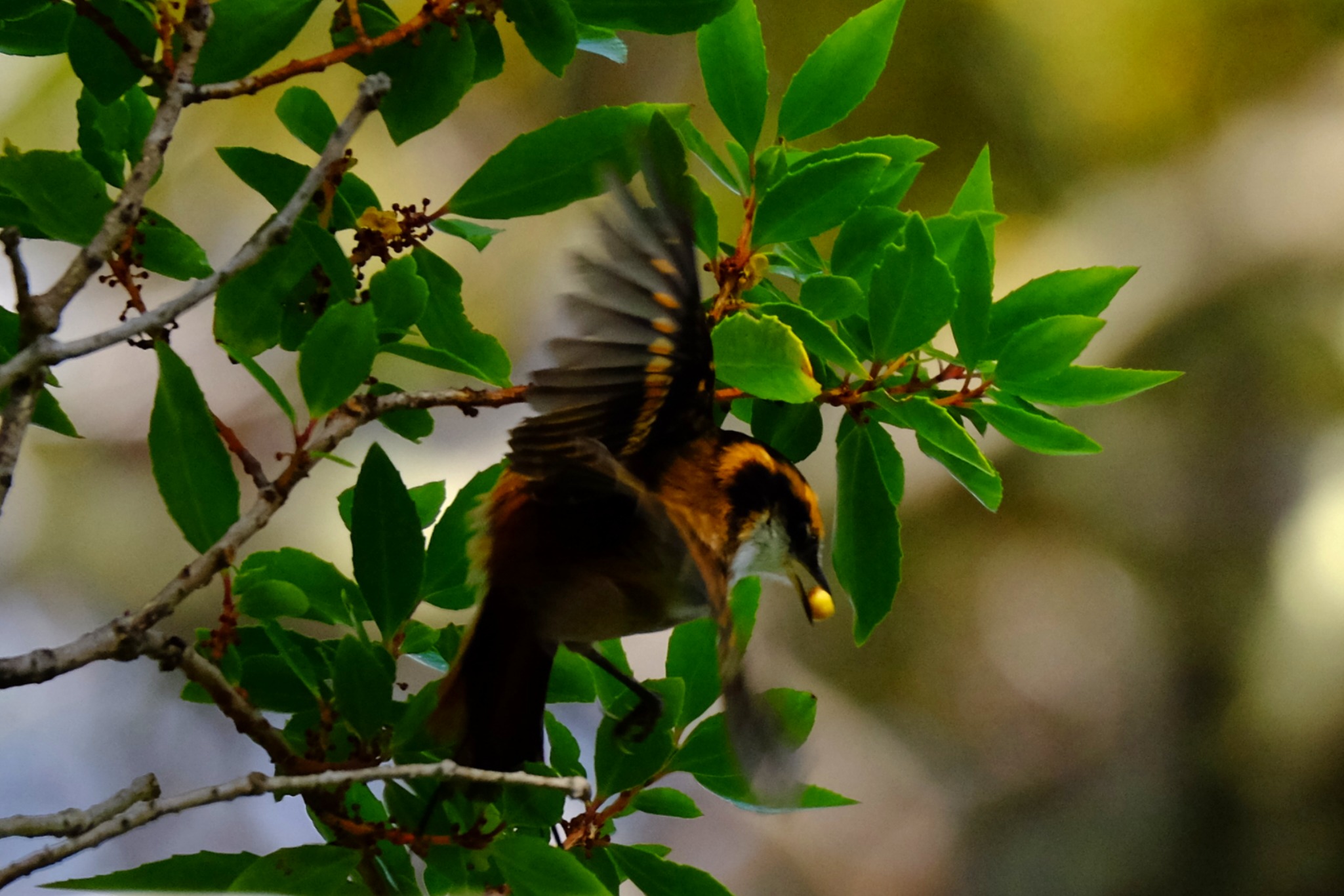
The Rayadito – Aphrastura spinicauda: an emblematic passerine of Patagonian forests and Cape Horn

Preparing for Kreeh Chinen Festival
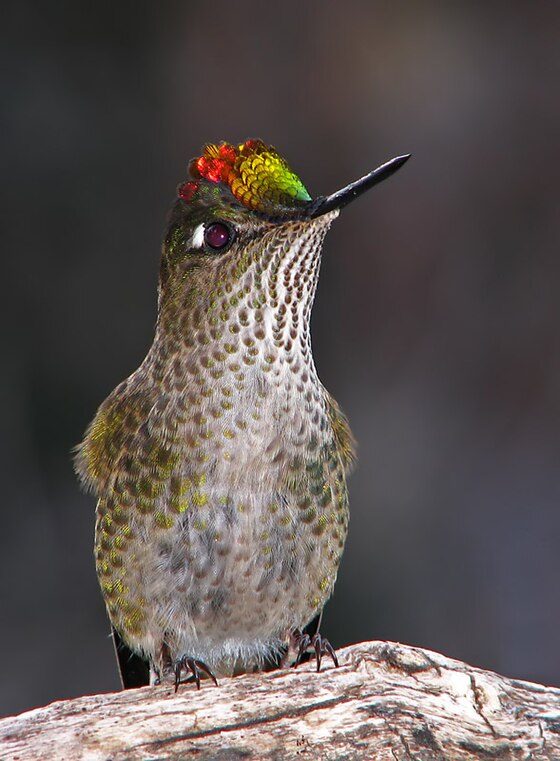
A Yagan story: the hummingbird (Omora or Sámakéar)