Karukinka at the UNESCO Inclusive Toponymy Colloquium in Montpellier

Karukinka
3 April 2026
Association Karukinka
Loi 1901 - d'intérêt général
Derniers articles
Suivez nous
On June 18, 2026, the association Karukinka will be present at the International Colloquium “Pour une approche interdisciplinaire de la toponymie / Inclusive Toponymy: Towards an Interdisciplinary Approach”, organized by the UNESCO Chair in Inclusive Toponymy at the University of Geneva, together with the University of Montpellier Paul‑Valéry and the University of Rouen‑Normandy.
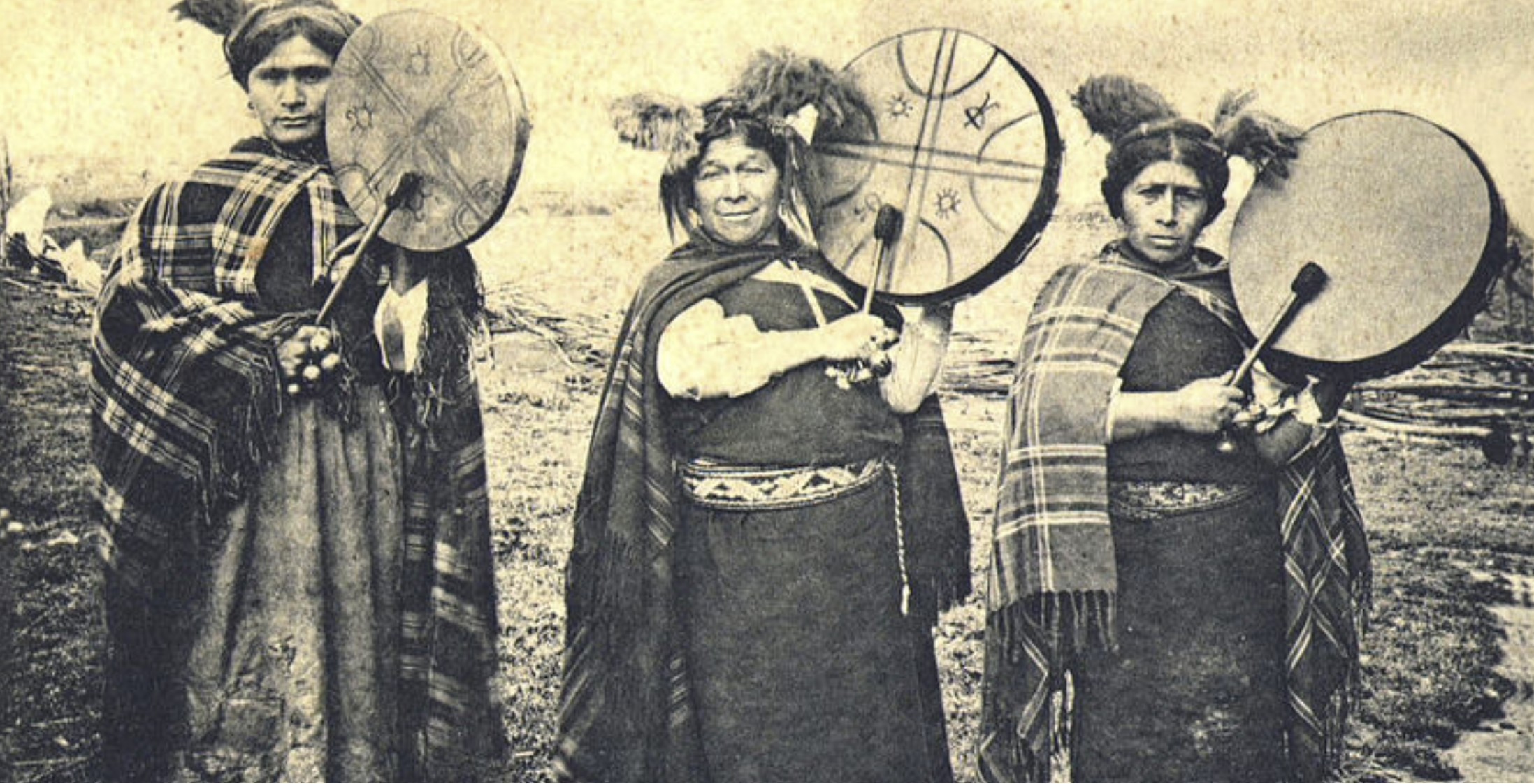
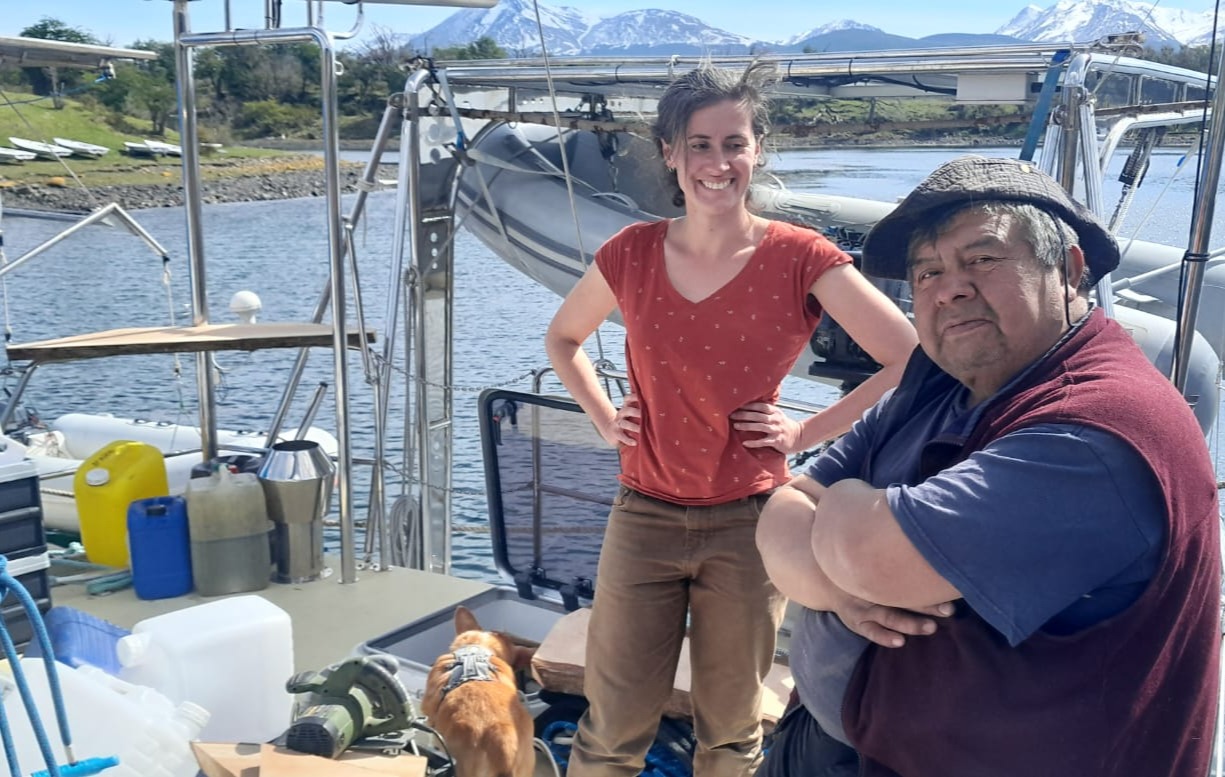
Karukinka will be represented by three members: Mirtha Salamanca (Selk’nam community), José German González Calderón (Yagan community) and Lauriane Lemasson (co‑founder and scientific coordinator). The colloquium will take place at the University of Montpellier, providing a privileged scientific and institutional framework for the presentation of Karukinka’s field‑based toponymy program in southern Patagonia and Tierra del Fuego.
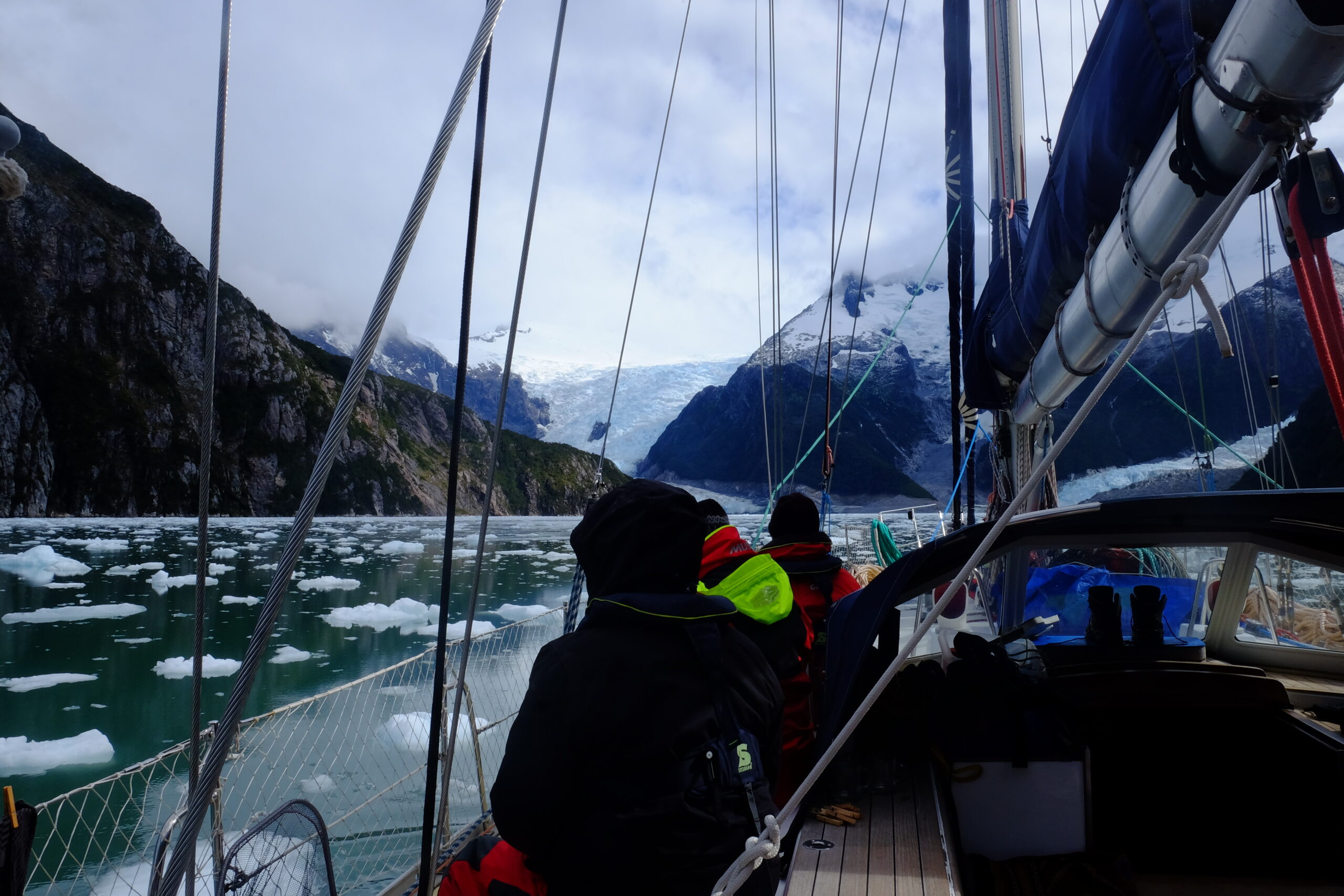
This participation places Karukinka at the heart of a reflection on inclusive toponymy – that is, on the role of place names in the recognition of Indigenous languages, identities, and territories. The association’s work in the channels and fjords of Patagonia has long combined nautical exploration, archival research, and oral history, with the aim of restoring and re‑circulating the original Indigenous toponyms of the region.
In Montpellier, this project will be presented as a concrete example of how toponymy, understood not only as a technical or administrative matter, but as a symbolic act, can contribute to understand better the geographic space and to rehabilitate part of the Indigenous memory. The presence of Mirtha Selk’nam Salamanca and José German González Calderón, as representatives of peoples whose languages and territories were long invisibilized or erased, will give special weight to these words.
Karukinka’s participation in this UNESCO‑framed colloquium also highlights the interdisciplinary and transnational dimensions of its program: links between geography, anthropology, linguistics, history, cartography, and environmental science. By bringing the Patagonian and Fuegian landscapes into the university amphitheater, the association contributes to bridging field work and academic discourse, and to making the southern natives worlds more visible in the international scientific landscape.
The colloquium will thus be an opportunity to share the association’s methodology of collecting, verifying, and restoring place names, as well as to discuss the ethical and practical challenges of working with Indigenous peoples and state institutions. These reflections are intended to support the re‑indigenization of the toponymy of Patagonia and the Cape Horn Biosphere Reserve, and, more broadly, to inspire similar initiatives in other regions where the Indigenous presence has been historically neglected.
In this way, attending the UNESCO Inclusive Toponymy Colloquium in Montpellier is not only a scientific and institutional event for Karukinka, but also a continuation of its long‑standing commitment to the memory and heritage of Indigenous peoples, and to the re‑reading of the map from the perspective of the communities who have lived there for millenias.
Cape Horn au Long Cours (CHLC): The fascinating historical work of a team of volunteers
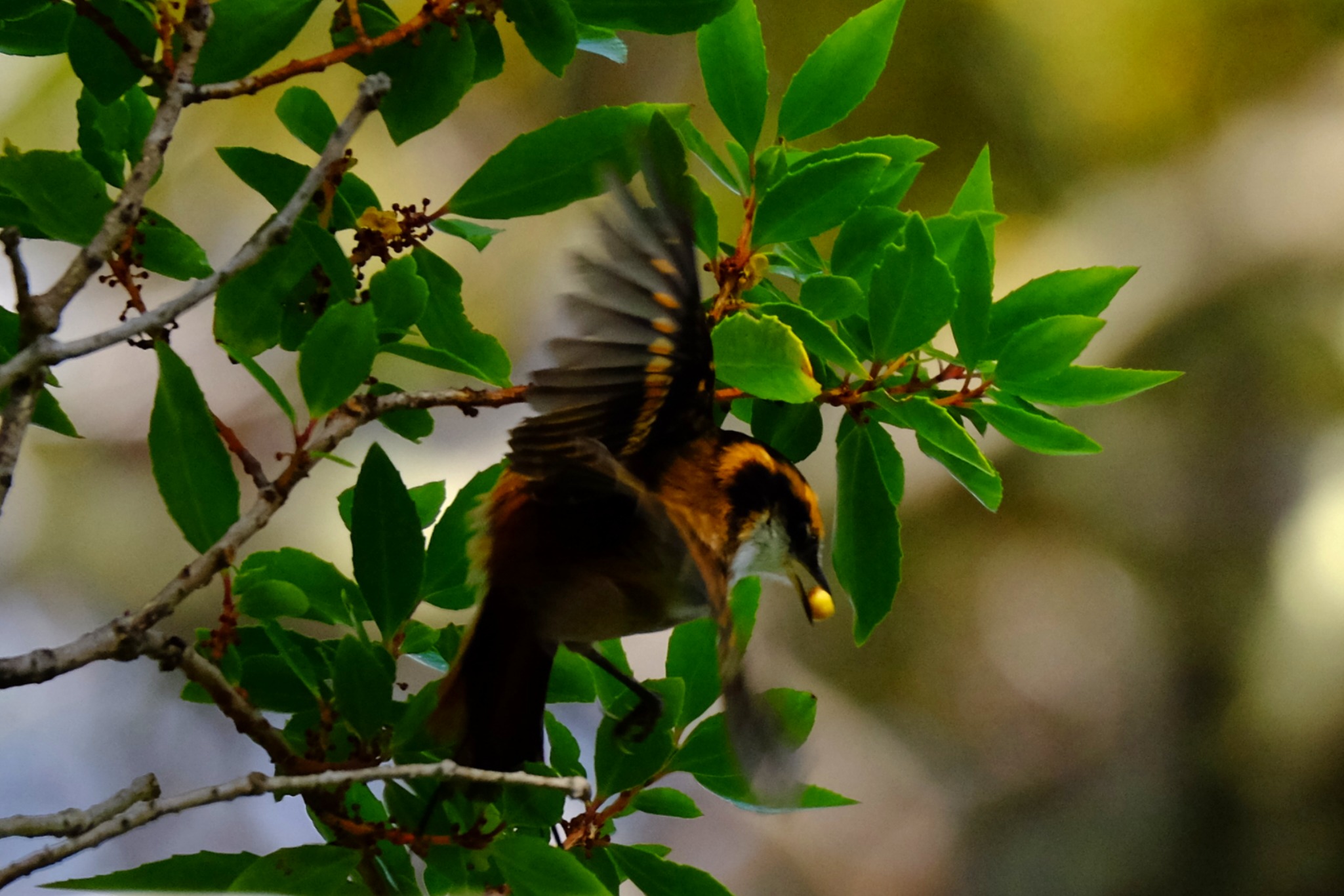
The Rayadito – Aphrastura spinicauda: an emblematic passerine of Patagonian forests and Cape Horn
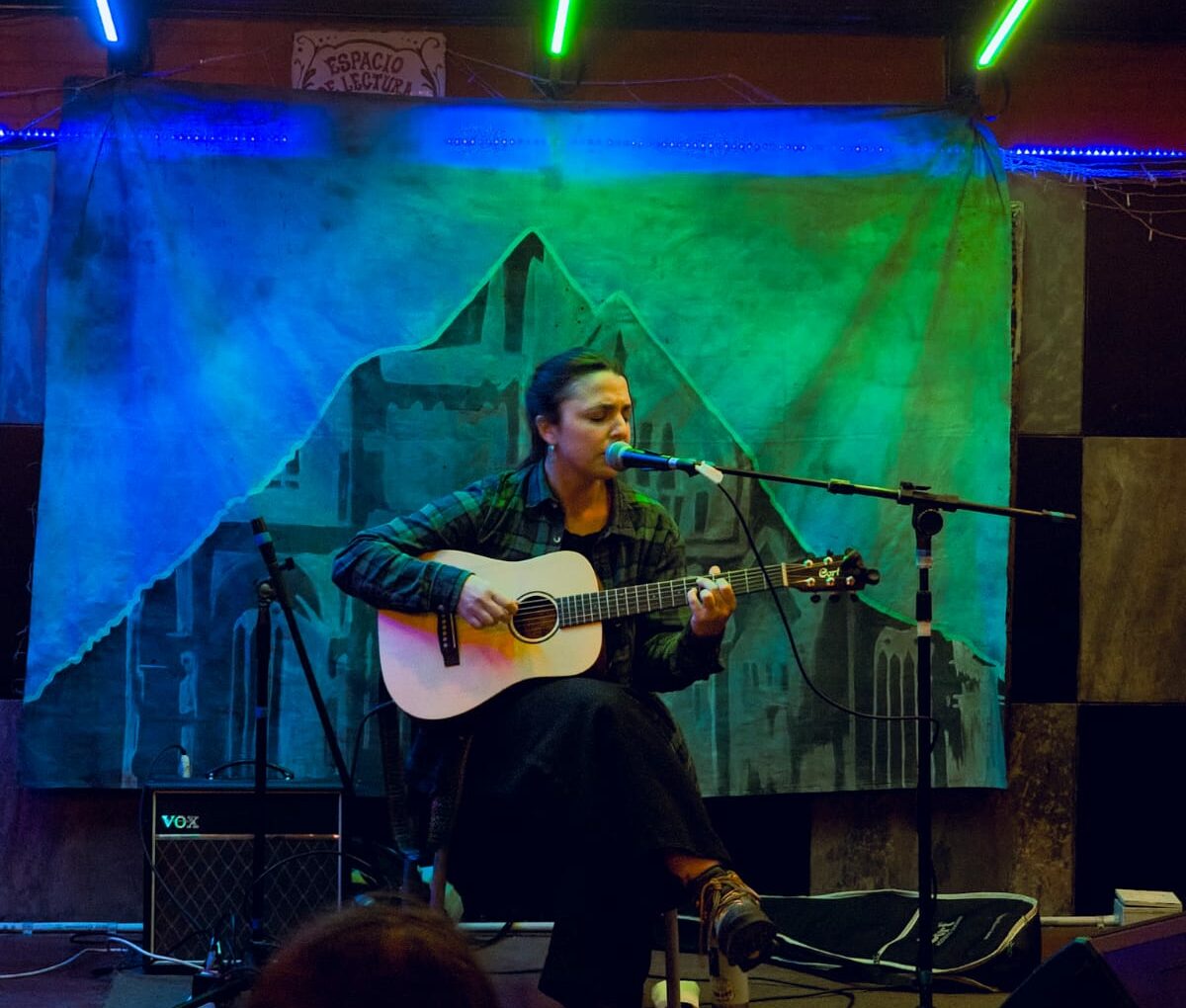
Preparing for Kreeh Chinen Festival
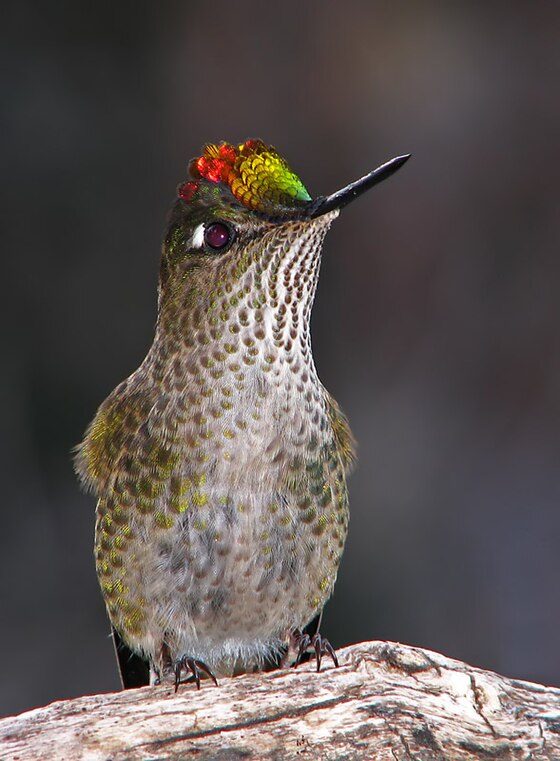
A Yagan story: the hummingbird (Omora or Sámakéar)
The Sailing yacht Milagro now adorned with coigüe wood