Lichens and bryophytes of the Cape Horn Biosphere Reserve

Karukinka
19 February 2026

Association Karukinka
Law 1901 - of General Interest
Latest news
Follow us
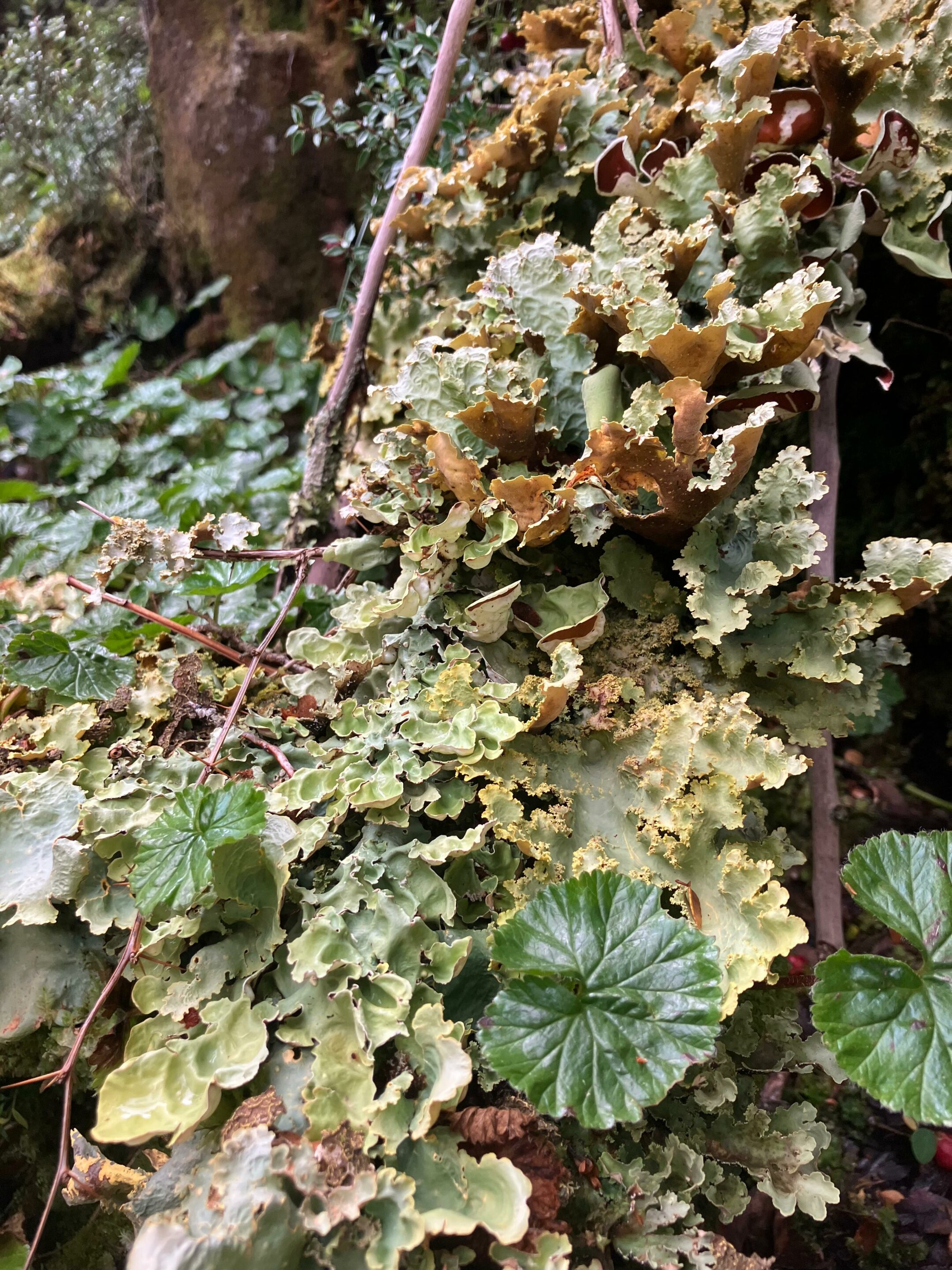
In southern Patagonia, within the Cape Horn Biosphere Reserve, lichens and bryophytes turn trunks, rocks, and peat bogs into true “miniature forests” that can only be discovered by leaning in with a hand lens.
This cryptogamic diversity reaches an exceptional level on Navarino Island, where work carried out by the Omora Ethnobotanical Park team has shown that more than 5% of the world’s bryophyte species are concentrated on less than 0.01% of the Earth’s surface, including a large proportion of endemic species. To this richness in mosses and liverworts is added a remarkable lichen flora, recently inventoried, which confirms the status of the Cape Horn Biosphere Reserve as a global hotspot for non-vascular organisms.
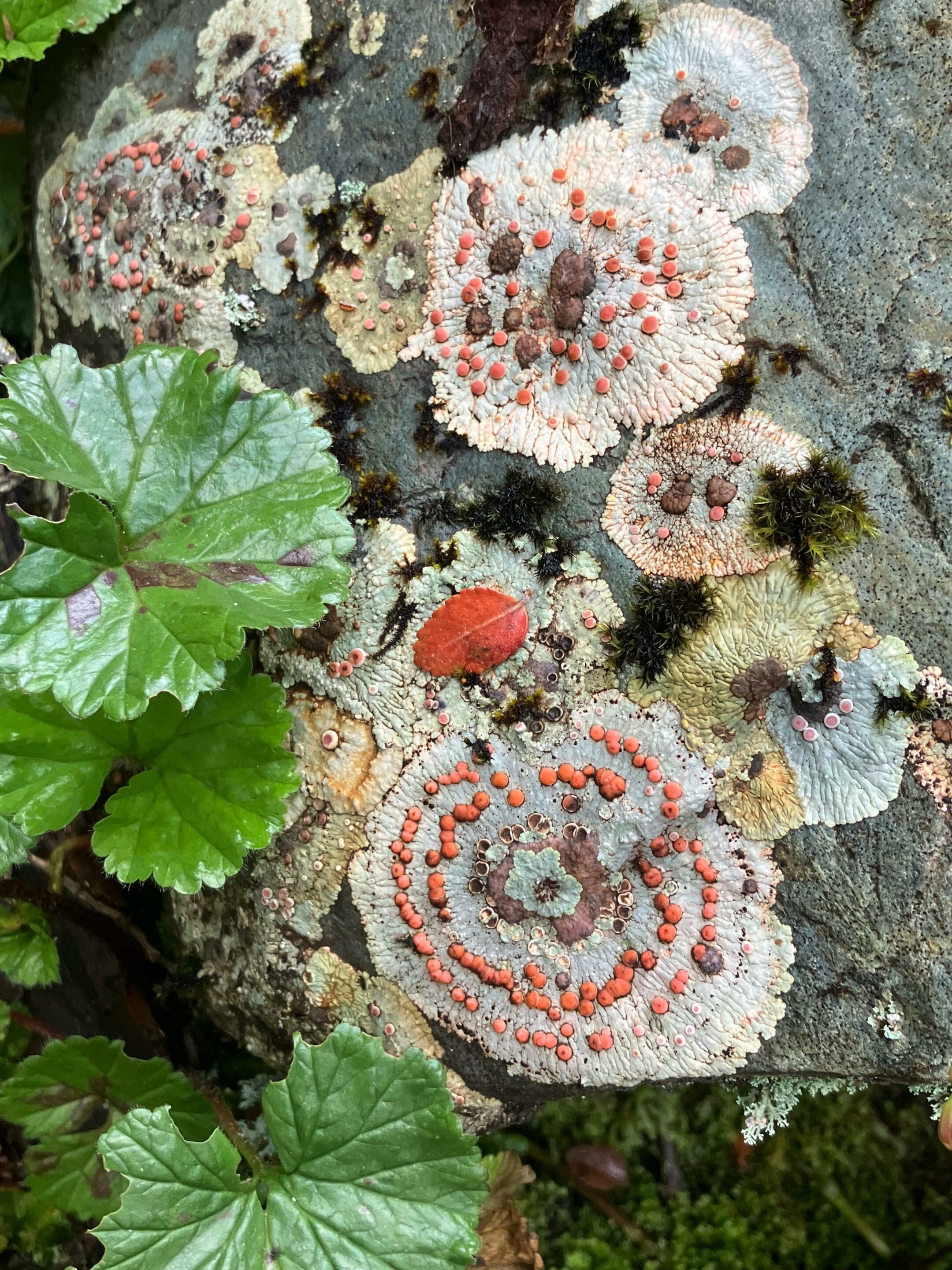
A hotspot at the end of the world
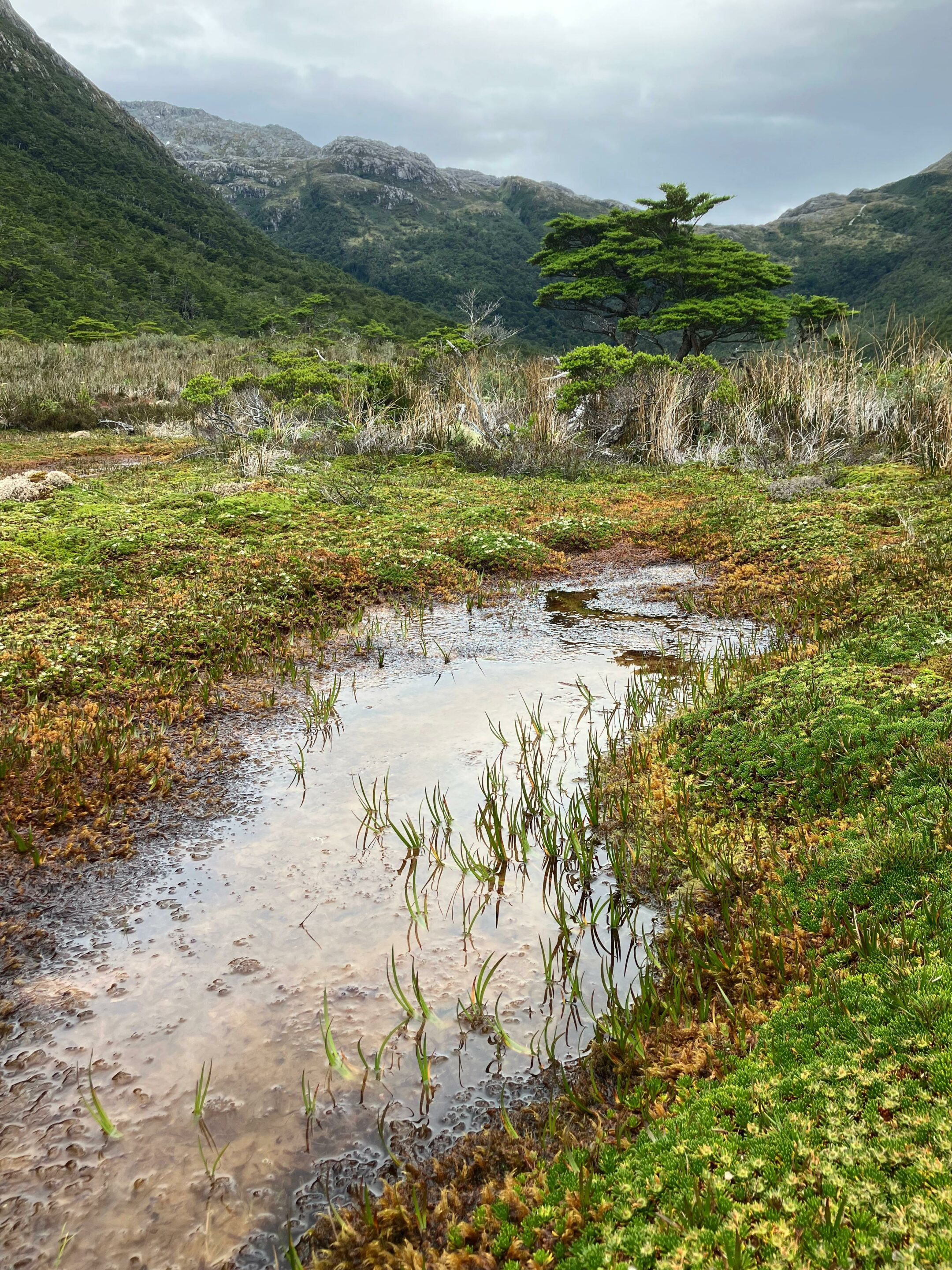
Navarino Island and the subantarctic region of Magallanes lie in a zone of humid temperate forests swept by winds, where abundant rainfall and cool temperatures favor the proliferation of mosses, liverworts, and lichens. This ecoregion has been identified as a global center of bryophyte diversity, with about 818 species recorded in the Magallanes region, which play a key role in nutrient regulation and water quality. Lichens also reach remarkable diversity there: an intensive floristic study on Navarino Island recorded 416 taxa of lichens and related fungi, including species new to science.
The forests of Navarino are located in one of the cleanest-rain regions on the planet, and the abundance of lichens sensitive to air pollution reflects the low contaminant load of the local air. This sensitivity makes lichens good bioindicators of air quality, a point often emphasized in the educational activities of Omora Park and in communication about the Biosphere Reserve.
Even in this relatively preserved region, bryophyte and lichen communities remain vulnerable to repeated trampling, hydrological changes, and the long-term effects of climate change on precipitation and temperature regimes. Disturbances caused by introduced species, such as the North American beaver, which profoundly modifies waterways and peat bogs in the region, can indirectly alter the substrates and microclimatic conditions needed by these miniature forests.
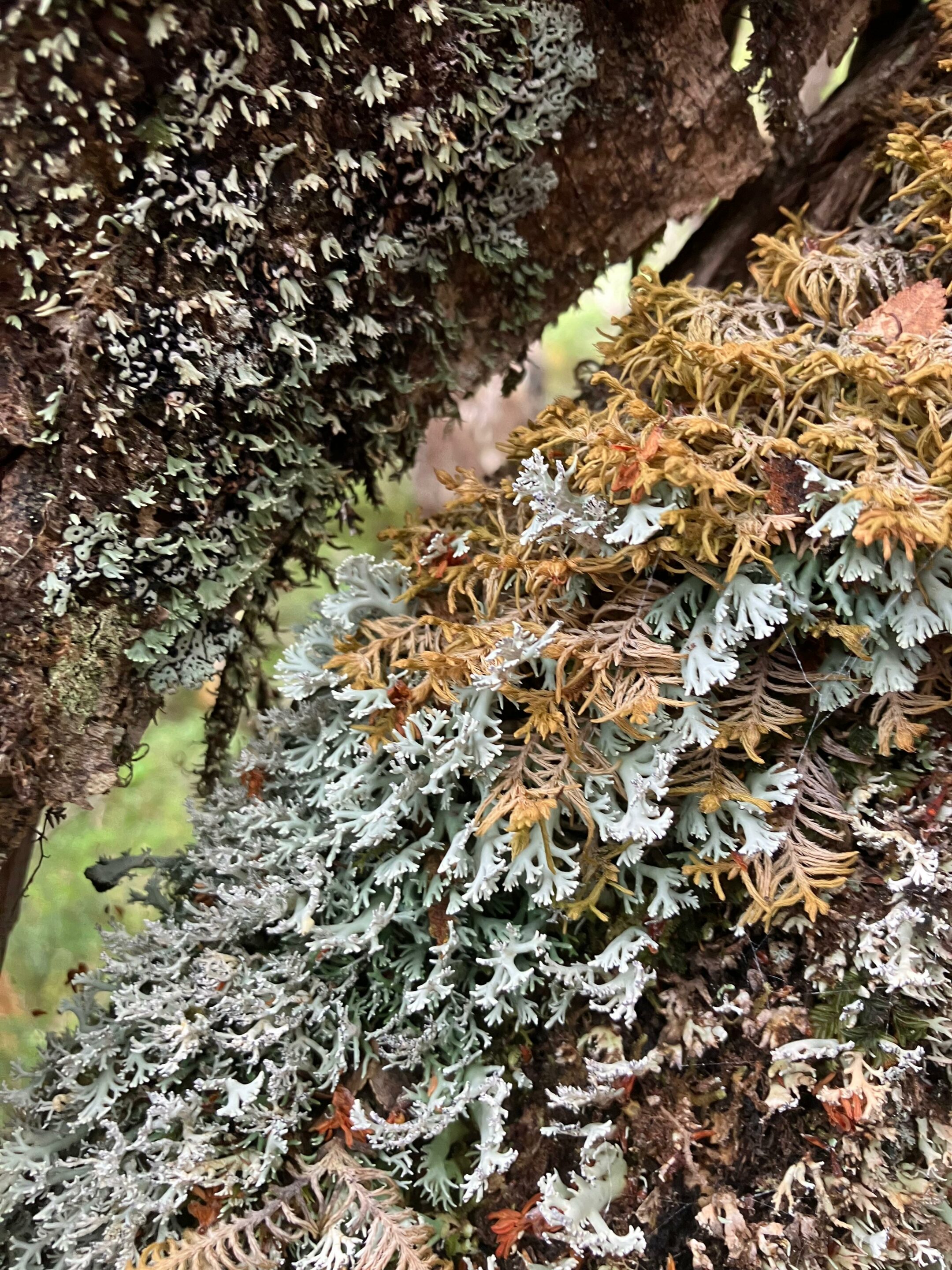
Bryophytes and lichens: discreet but essential protagonists
Bryophytes—mosses, liverworts, and hornworts—are small non-vascular plants, lacking roots and complex conducting tissues, yet they colonize trunks, soils, and rocks extensively in subantarctic forests. Lichens, long-lasting symbioses between a fungus and an alga or cyanobacterium, form crusts, leafy rosettes, or shrubby tufts that cover Nothofagus bark, dead wood, stones, and even moss cushions already in place. Together, these two groups make Cape Horn one of the places with the highest densities of non-vascular organisms in the world, to the point where a single tree can host more than a hundred epiphytic species.
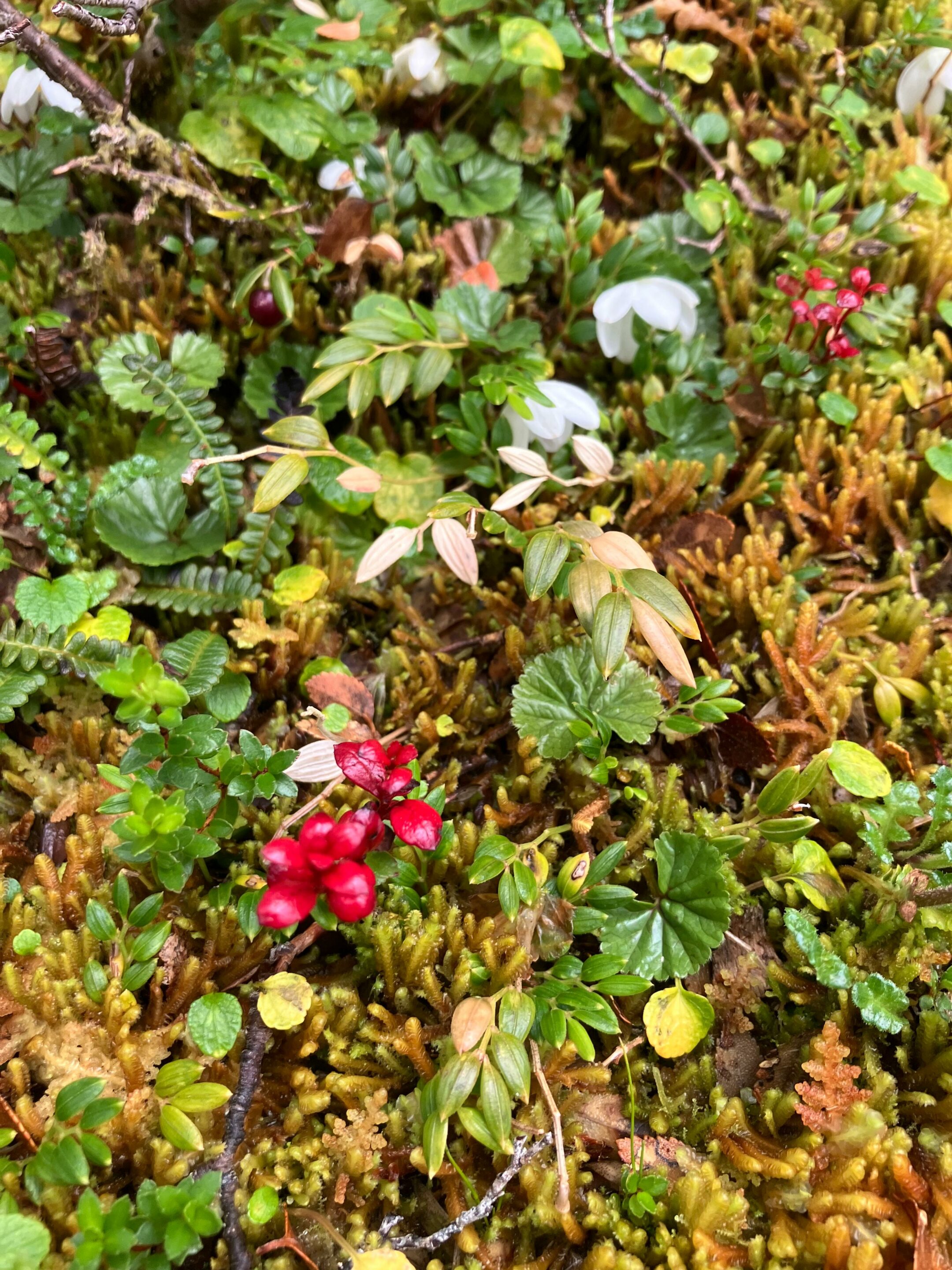
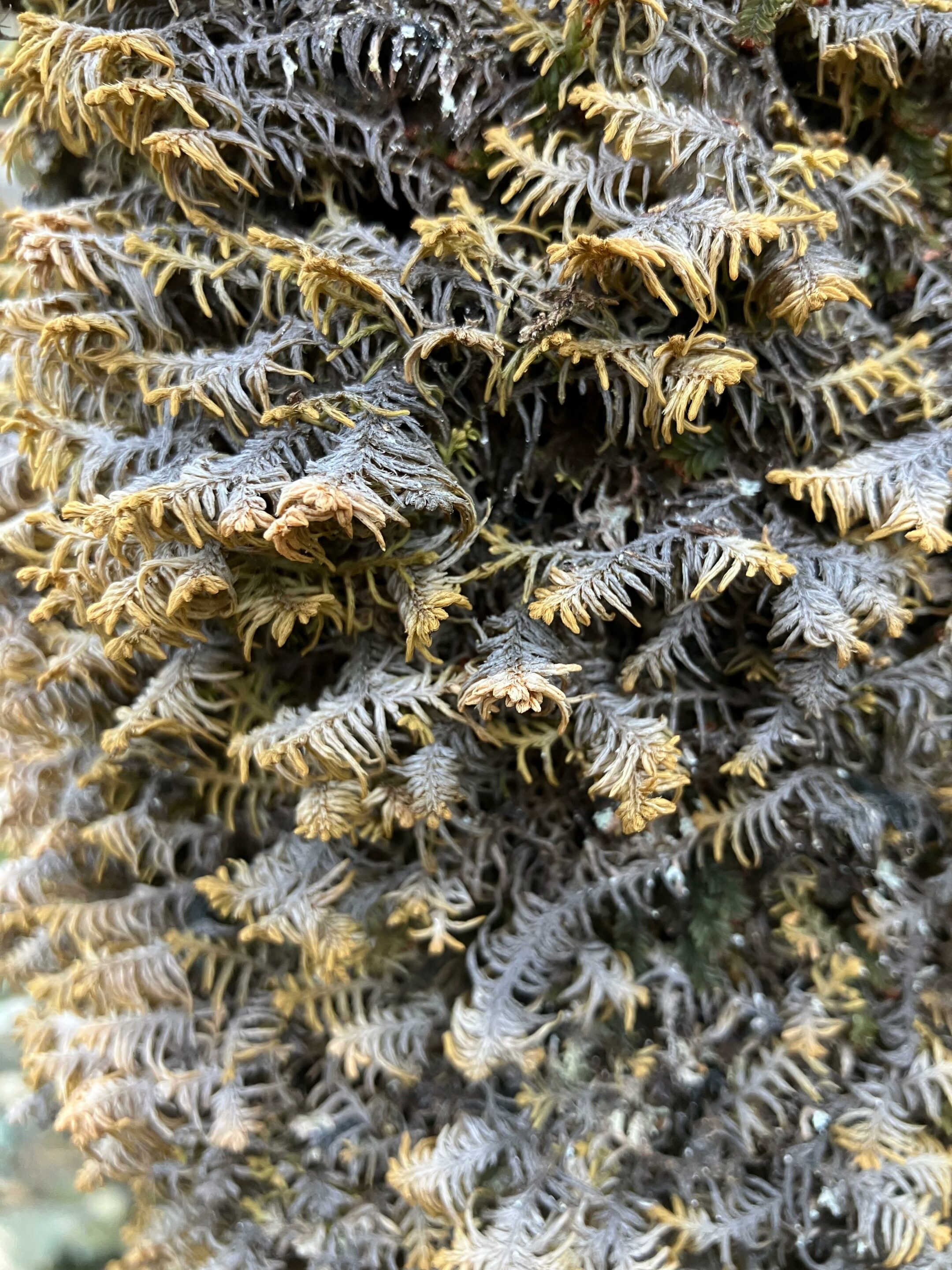
Bryophytes and lichens in southern Patagonia are poikilohydric, meaning they tolerate strong drying and can suspend their metabolism, resuming it rapidly once rehydrated, which makes them especially resistant to freeze–thaw cycles. Many species develop protective pigments and thick structures that reduce damage from UV radiation, wind, and direct exposure, especially in Magellanic tundra and coastal environments. These functional traits explain why, at the highest elevations of Navarino or on wind-swept shores, the dominant organisms are moss cushions and crustose or shrubby lichens.
Miniature forests
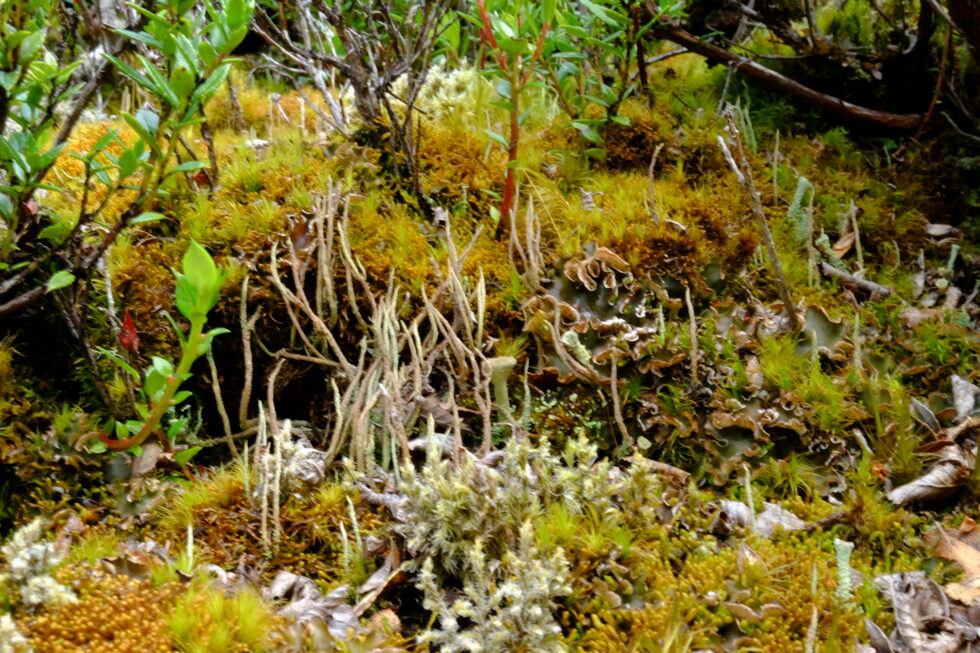
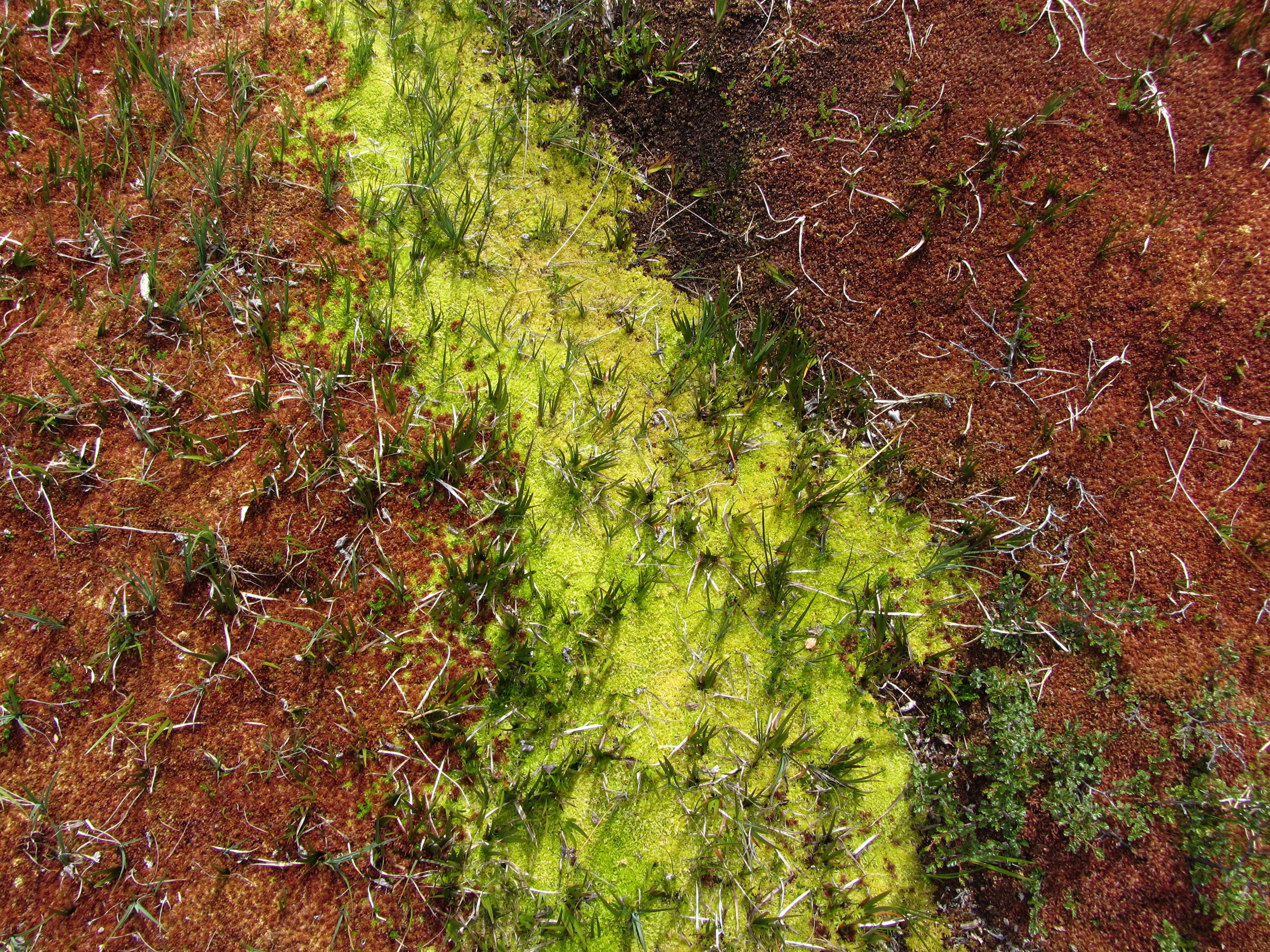
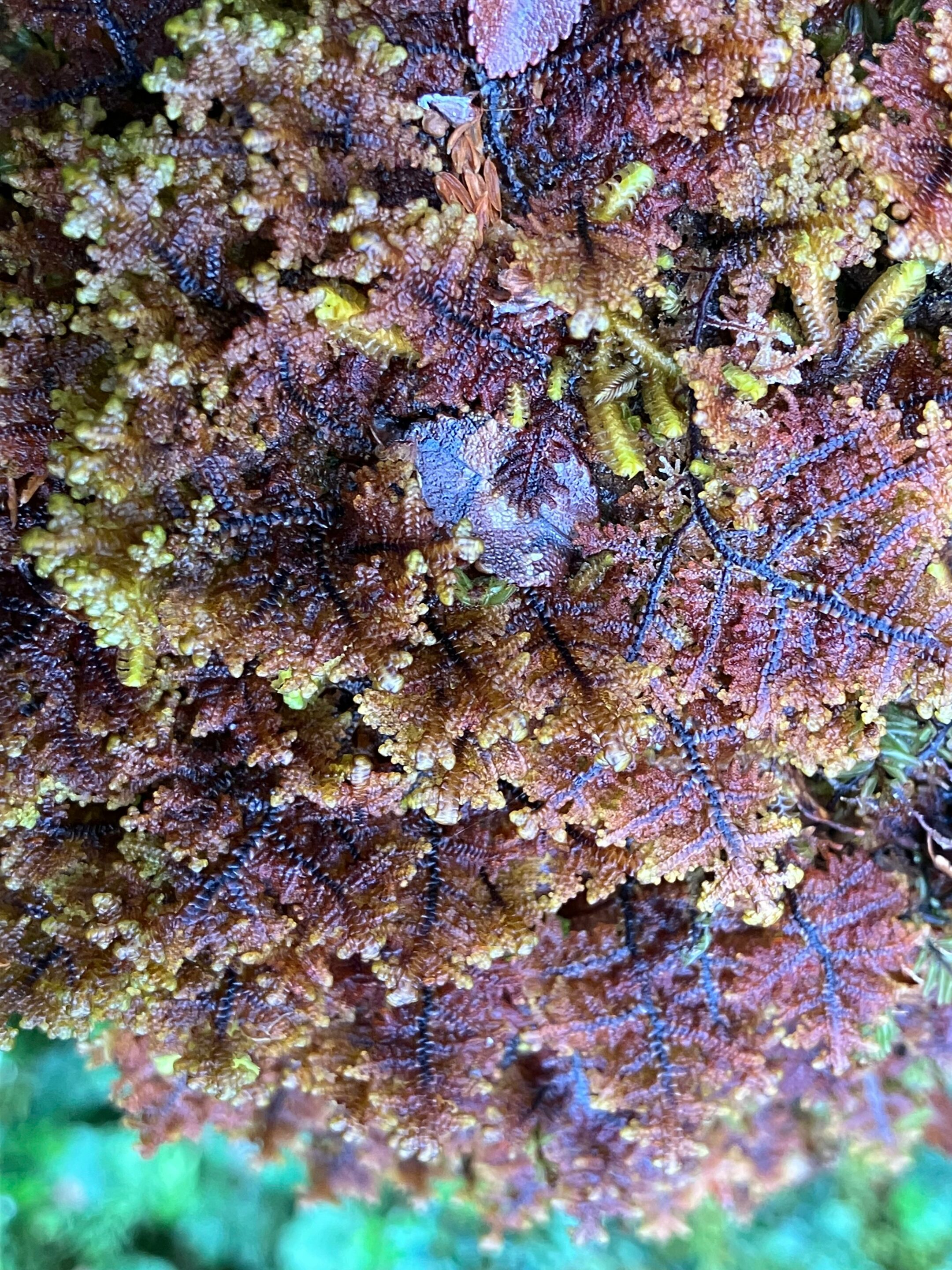
To make this richness perceptible beyond scientific circles, Ricardo Rozzi and colleagues proposed the metaphor of the “bosques en miniatura del Cabo de Hornos,” miniature forests formed by mosses, liverworts, lichens, and the microfauna that lives there. The practice of observing these small landscapes with a hand lens, pausing for a long time in front of a trunk or rock, turns a walk into a detailed natural history exploration of worlds that are usually invisible.
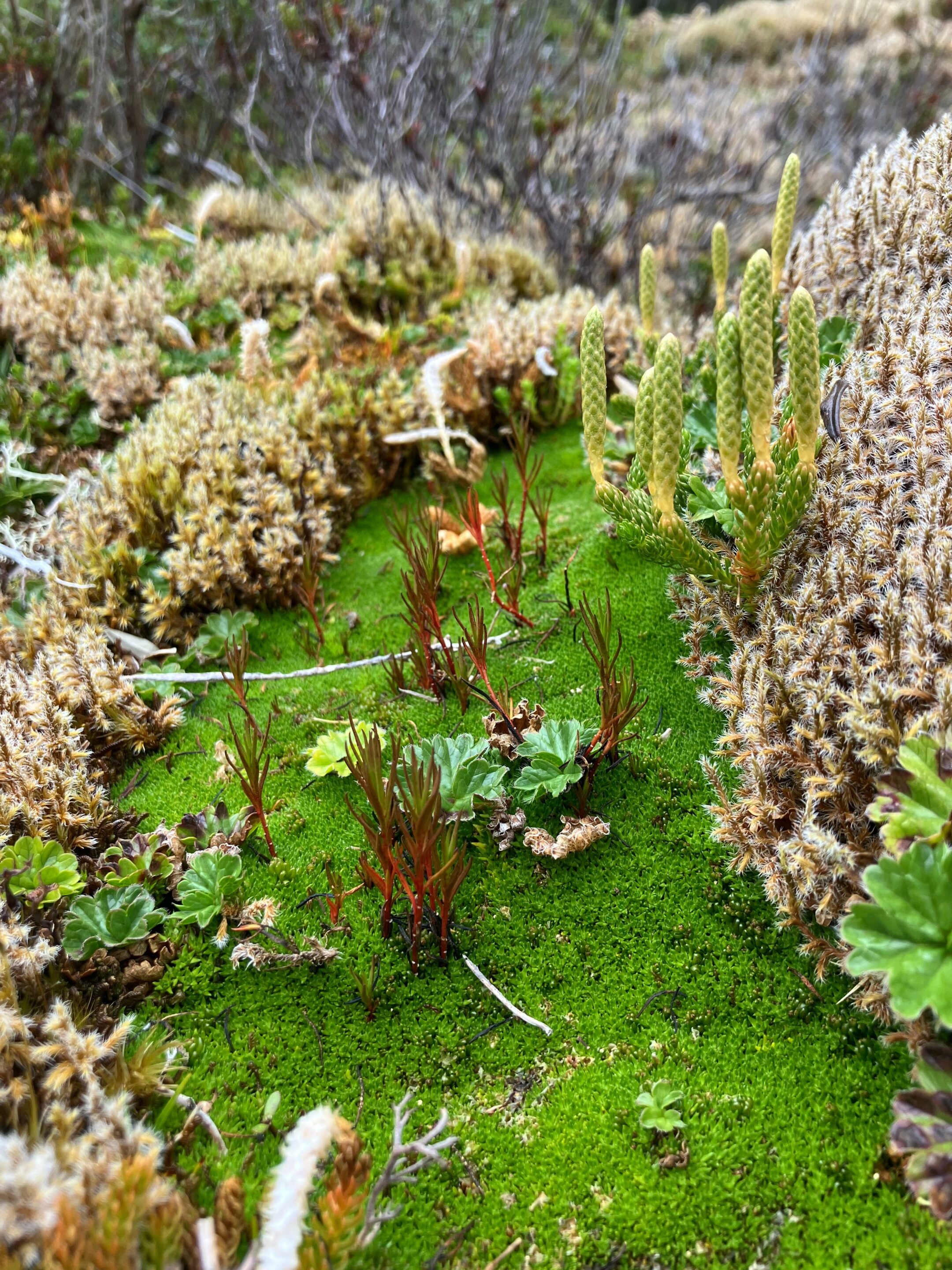
Miniature forests are not only vegetal: they also shelter a diverse microfauna of insects, mites, nematodes, and other invertebrates that feed, reproduce, and take refuge in moss and lichen cushions. These organisms contribute to the fragmentation of organic matter, the mineralization of nutrients, and sometimes the dispersal of spores and propagules, adding several trophic levels to what, to the naked eye, looks like a simple green or gray carpet.
Ecological roles in forests and bogs
In humid subantarctic forests, bryophytes and lichens form thick mantles on trunks, rocks, and the ground, capable of retaining large amounts of water and regulating local humidity. This water-retention capacity makes them natural sponges that soften the impact of frequent rainfall, limit erosion, and stabilize microhabitats for many invertebrates and microorganisms.
In peat bogs, bryophytes—especially sphagnum-type mosses and related forms—structure the matrix that accumulates organic matter in saturated environments, storing both water and large amounts of carbon.
Lichens also play a pioneering role on bare rocks, glacial moraines, and coastal outcrops, where they initiate soil formation by physically and chemically altering the substrate. By retaining particles and moisture, these pioneer communities gradually create micro-niches favorable to the later establishment of mosses and then vascular plants.
Emblematic mosses and lichens
Among bryophytes, the moss Lepyrodon lagurus is often cited as an emblematic species of Omora Park, where it forms velvety mats on tree trunks and contributes to the luxuriant appearance of humid forests. This type of epiphytic moss retains rainwater, offers micro-refuges to a variety of invertebrates, and sometimes hosts lichens that settle on its surface, further increasing the complexity of the miniature forest.
Among lichens, the large tufts of Usnea, the “old man’s beards” hanging from Nothofagus branches, clearly illustrate the relationship between air purity and the vigor of lichen populations. The cushions and small trumpets of Cladonia that cover some soils or dead wood, as well as newly described species such as Candelariella magellanica, testify to the originality of Navarino’s lichen flora.
Hand-lens ecotourism
To highlight and protect this discreet biodiversity, the Omora Park team developed the concept of “Ecoturismo con lupa,” a hand-lens ecotourism that places the discovery of mosses, liverworts, and lichens at the center of the experience. Coined by Ricardo Rozzi and colleagues, the term refers to a niche tourism practice in the Cape Horn Biosphere Reserve, where visitors are invited to observe the “miniature forests” and understand their ecological role. Marked trails welcome small groups equipped with hand lenses, accompanied by guides who combine natural history, ecology, and ethical reflection on biocultural conservation.
This ecotourism model has been supported by projects aimed at developing scientific and educational tourism in the region, seeking to connect local economic benefits, environmental education, and the protection of subantarctic ecosystems. The documentary Viaje Invisible. Ecoturismo con Lupa illustrates this approach by following guided visits that immerse the public in the detailed contemplation of Cape Horn’s miniature forests.
Biocultural conservation and education
Omora Park and its partners defend a “biocultural conservation” approach, linking biodiversity protection to the recognition of local cultures, especially Yaghan tradition and the communities of Puerto Williams. Bryophytes and lichens then become mediators for reflecting on the links between ways of life, environmental ethics, and responsibility toward ecosystems, notably through the “field environmental philosophy” proposed by Rozzi and colleagues.
Schools in Puerto Williams include the observation of miniature forests in their educational activities so that children recognize the global value of the biodiversity in their territory. This local appropriation helps counter “biocultural homogenization,” a concept that refers to the tendency to forget discreet organisms and lose the cultural knowledge and meanings associated with them.
Our thanks to Ricardo Rozzi and José German Gonzalez Calderon for their help in identifying the bryophytes from our images.
Short bibliography
- Etayo, J., Sancho, L. G., Gómez-Bolea, A., Søchting, U., Aguirre, F., & Rozzi, R. (2021). Catalog of lichens (and some related fungi) from Navarino Island, Cape Horn Biosphere Reserve, Chile. Anales del Instituto de la Patagonia, 49.
- Goffinet, B., Rozzi, R., Massardo, F., et al. (2012). Miniature Forests of Cape Horn: Ecotourism with a Hand Lens. University of North Texas Press.
- Rozzi, R. (coord.) (n.d.). Ecoturismo con lupa en el Parque Omora. Universidad de Magallanes. Editorial presentation and book notice.
- Cape Horn Center (CHIC). Ecoturismo con lupa: a way to discover the miniature forests of lichens and mosses.
- Instituto de Ecología y Biodiversidad / Universidad de Magallanes. Omora Ethnobotanical Park – institutional presentation of the biological station.
- Rozzi, R., et al. (2008). Patterns of species richness in sub-Antarctic plants and implications for conservation.
- Documentary Viaje Invisible. Ecoturismo con Lupa. Omora Ethnobotanical Park, 2013.
- Cultivating a Garden of Names in the Cape Horn Biosphere Reserve. Study on biocultural conservation, bryophytes and lichens, and environmental education.
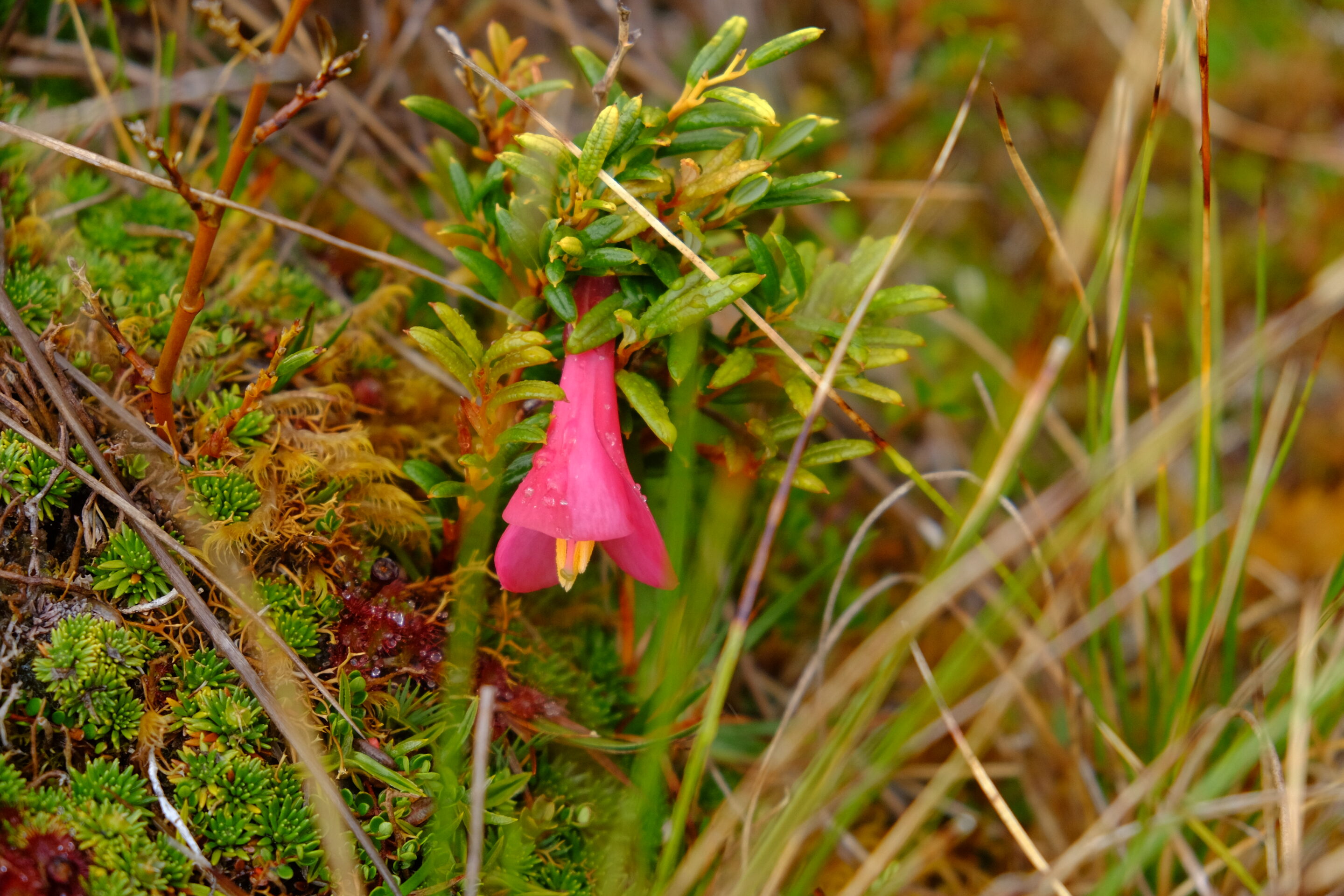
Coicopihue or Copihue? Philesia magellanica vs Lapageria rosea: learning to tell them apart in the Chilean forest
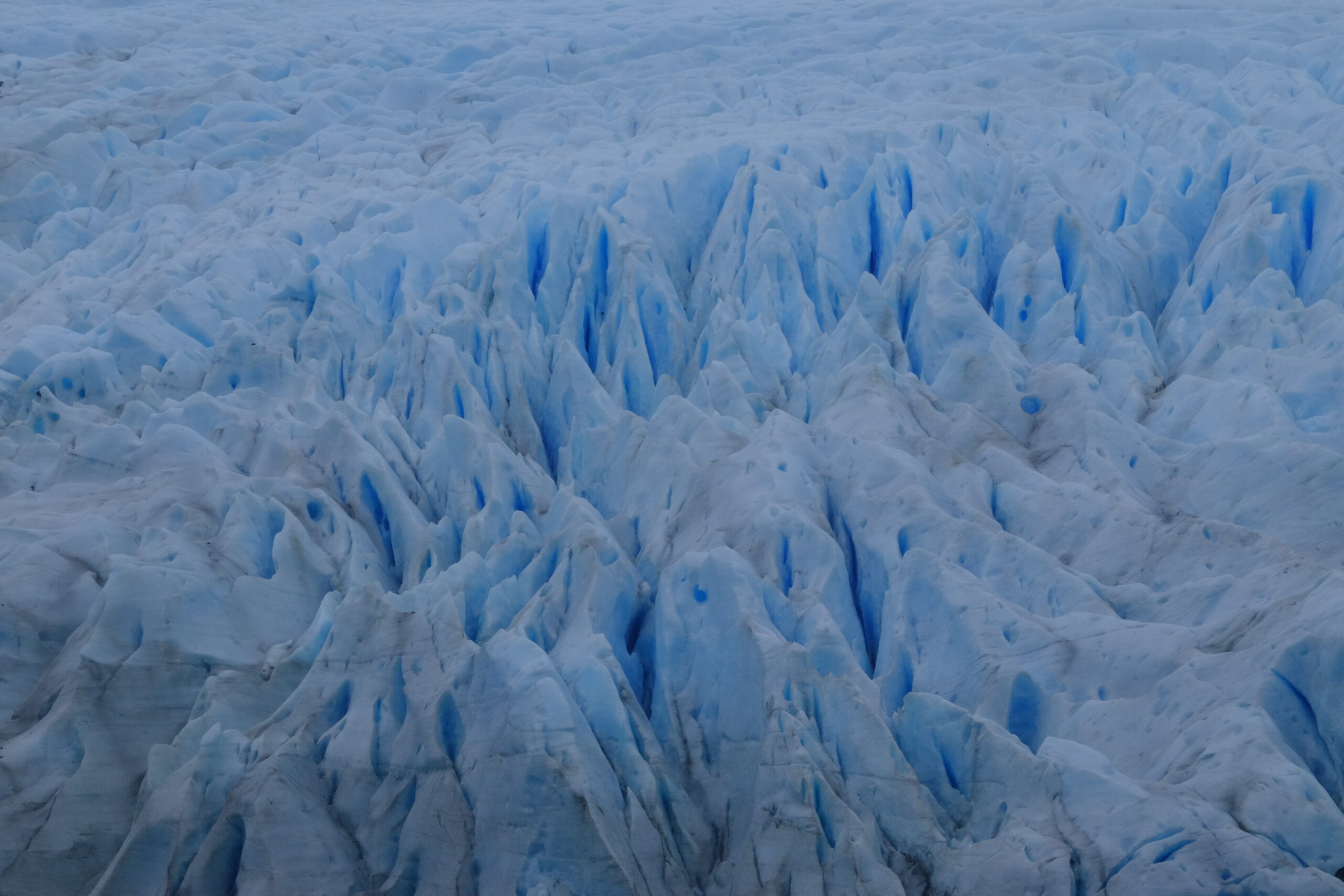
The Ley de Glaciares in Argentina (Glacier Law): context, reform, and resistance
Karukinka at the UNESCO Inclusive Toponymy Colloquium in Montpellier
The Southern Cross, celestial companion of our sails in the southern hemisphere
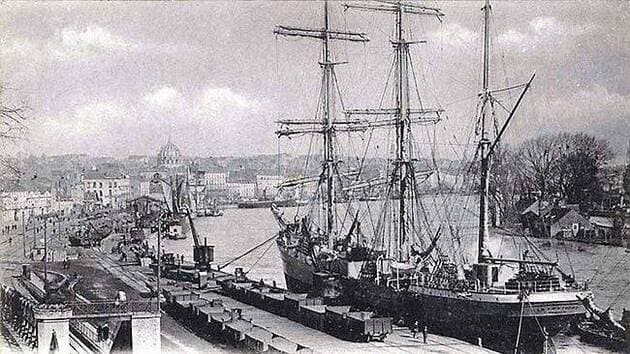
Cape Horn au Long Cours (CHLC): The fascinating historical work of a team of volunteers