
Patagonian, Arctic and Antarctic Adventures
Who we are
Karukinka is a non-profit association founded in 2014, bringing together sailors, scientists, artists and Yagan/Selk'nam community members to explore, document and preserve the southern worlds.
Where we sail and explore
Patagonian channels & Beagle Channel
Tierra del Fuego & Darwin Range
Cape Horn & Wollaston Islands
Antarctic Peninsula (since 2026)
How to participate
Scientific expeditions
Collect data on archaeological sites, marine mammals, birds, plants and plastics.
Artistic residencies
Document expeditions through photography, sound and travel journals
Indigenous partnerships
Support Yagan/Selk'nam communities through archive restitution and language mapping
Ready to join us?


2013 Expedition: The Origins of the Association
Three and a half months of fully autonomous travel and over 2000 km of data collection across ancestral Selk’nam, Haush, and Yagán lands, now profoundly impacted by colonial legacies.

2018–2020 Expeditions: On Foot and by Sail Where Few Still Venture
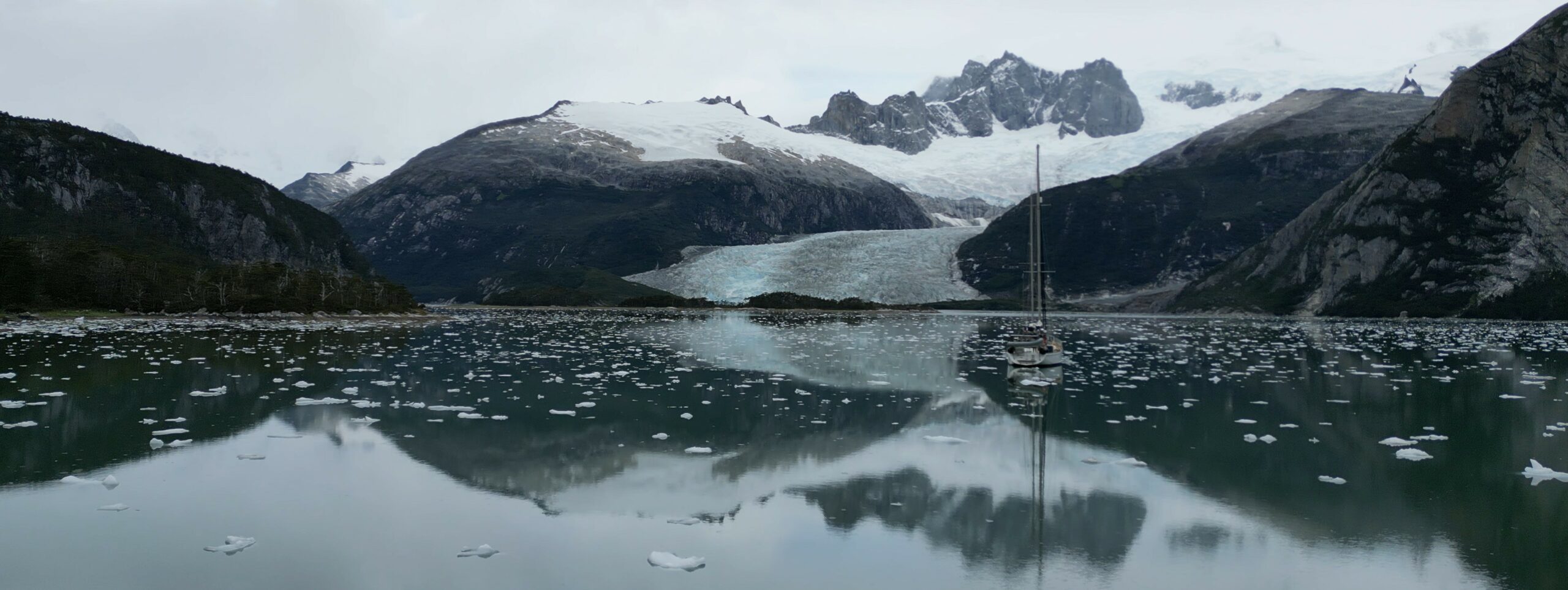
Ten months of ongoing exploration, including three months aboard the sailboat Pétrouchka, navigating through the Biosphere Reserve of Cape Horn. Activities included both scientific and artistic approaches within the region's remote channels.
cap horn voilier, canaux de patagonie, canaux patagoniens, croisiere en voilier patagonie, naviguer canaux de patagonie, patagonie petit bateau, croisiere en voilier patagonie, naviguer en patagonie, sejour voilier patagonie, patagonie en voilier, cordillère darwin, expedition patagonie, expedition en patagonie, voilier patagonie, croisiere voilier patagonie, croisière voilier patagonie, croisière voilier canaux chili, patagonie en voilier, tanana expedition,

2023–2025 Expedition: From North Cape to Cape Horn by Sailboat
A transdisciplinary expedition funded by the French Ministry of Culture as part of the “Mondes Nouveaux” program. Main research: perception and cartography of territories by the Sami, Yagán, Selk’nam, and Haush peoples.
cap horn voilier, canaux de patagonie, canaux patagoniens, croisiere en voilier patagonie, naviguer canaux de patagonie, patagonie petit bateau, croisiere en voilier patagonie, naviguer en patagonie, sejour voilier patagonie, patagonie en voilier, cordillère darwin, expedition patagonie, expedition en patagonie, voilier patagonie, croisiere voilier patagonie, croisière voilier patagonie, croisière voilier canaux chili, patagonie en voilier, tanana expedition,
cap horn voilier, canaux de patagonie, canaux patagoniens, croisiere en voilier patagonie, naviguer canaux de patagonie, patagonie petit bateau, croisiere en voilier patagonie, naviguer en patagonie, sejour voilier patagonie, patagonie en voilier, cordillère darwin, expedition patagonie, expedition en patagonie, voilier patagonie, croisiere voilier patagonie, croisière voilier patagonie, croisière voilier canaux chili, patagonie en voilier, tanana expedition, canaux patagoniens, expédition en terre de feu, cap horn en voilier, visiter l'île horn, île navarino, île hoste, village de puerto williams, le village de pêcheurs puerto toro, naviguer dans le canal beagle, traverser la baie nassau, canal murray, baie windhond située au sud de l'île navarino, baie wulaia, grande île de terre de feu, baie lapataia, l'association Karukinka mène des expéditions en patagonie depuis 2013, nos expéditions sont focalisées sur le sud du détroit de magellan,

Archive Bridges Between Tierra del Fuego and France (2018–ongoing)
Following the Haizebegi festival, an archival digitization and translation project was launched — focused on Patagonia-related historical sources stored in France (primarily in French).

Sailing Explorations and Club Residencies
A partnership program combining scientific and artistic open calls with sailing explorations between the northern Norwegian coast (Finnmark) and southern waters (Patagonia). Collaborative navigation and fieldwork staged with local sailing clubs.
cap horn voilier, canaux de patagonie, canaux patagoniens, croisiere en voilier patagonie, naviguer canaux de patagonie, patagonie petit bateau, croisiere en voilier patagonie, naviguer en patagonie, sejour voilier patagonie, patagonie en voilier, cordillère darwin, expedition patagonie, expedition en patagonie, voilier patagonie, croisiere voilier patagonie, croisière voilier patagonie, croisière voilier canaux chili, patagonie en voilier, tanana expedition,
Scientific Research
Since 2011
Karukinka fosters an interdisciplinary scientific approach, merging human and environmental sciences to better understand southern and boreal regions. Fields covered include: anthropology, ethnology, biology, geography, geology, climatology, meteorology, polar medicine, ethnomusicology...
Karukinka also supports students and researchers in conducting fieldwork, collecting biological or cultural data in situ, and contributing to local ecological and cultural knowledge.
Artistic Practice and Publishing
France - Patagonia - Finnmark
In parallel with field missions, Karukinka develops artistic projects—often in residency format—that explore image, narrative, sound, poetics and travel chronicles. These contribute to the editorial collection of Éditions Karukinka, which brings together the association’s cultural and publishing output in diverse formats and perspectives.
Exploration on land and at sea
Trekking & sail-based expeditions
Several field assignments include both trekking and navigation components. These projects are reserved for Karukinka members and organized under the framework of the French Sailing Federation. They aim to discover wild territories with local experts while helping to fund the association’s scientific, cultural, and humanitarian efforts. Participants also explore the cultural memory of inhabited landscapes, past and present.
Multidisciplinary and committed projects — from North to South
Karukinka has led four major projects to date: Three scientific and sporting expeditions (2013, 2018–2020, and 2023–2025); Hosting members from Indigenous communities (Selk’nam & Yagán) in France (2019), in partnership with Haizebegi Festival
The latest large-scale expedition (2023–2025) was a sailing journey from North Cape to Cape Horn. Beyond its maritime ambition, it focused on studying Indigenous cartographic perceptions from the Sami, Yagán, Haush, and Selk’nam communities through artistic and participatory methods.